Revolutionizing AML Compliance with AI: The Future of Fraud Detection
The landscape of anti-money laundering (AML) compliance has undergone a significant transformation with the advent of Artificial Intelligence (AI). The traditional systems, which relied on static rules and manual processes, are now being replaced by AI-powered solutions that can detect and prevent financial crimes with greater accuracy and efficiency. In this article, we will delve into the world of AML AI Compliance System, exploring its benefits, challenges, and future trends.
What is AML AI Compliance?
AML AI Compliance refers to the use of artificial intelligence technologies, such as machine learning, natural language processing, and pattern recognition, to detect, investigate, and report suspicious financial activity. Unlike traditional systems, AI-enabled platforms learn from data and adapt to new patterns, making them more effective in preventing money laundering and other illicit activities.

Benefits of AML AI Compliance System
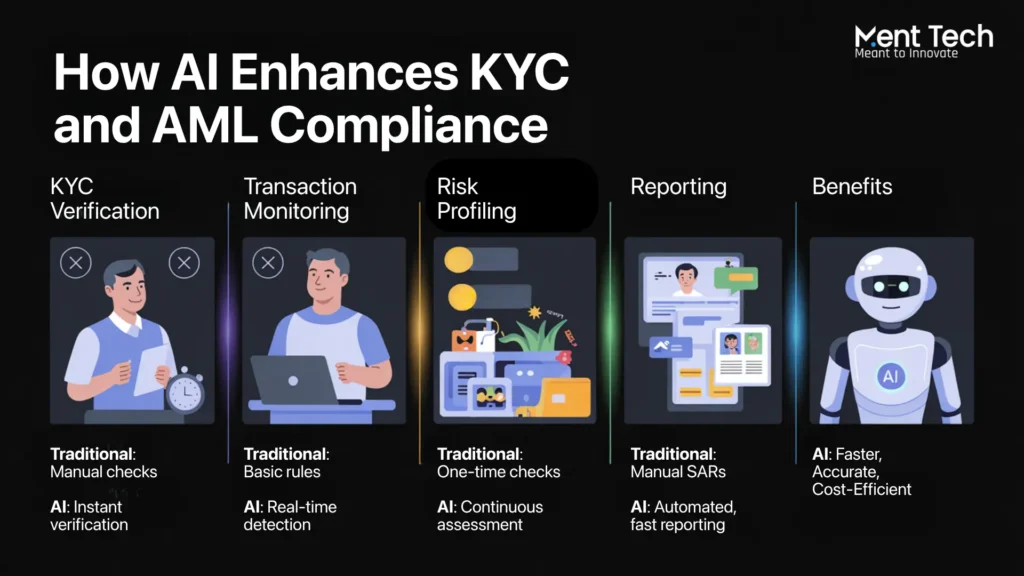
- Increased Efficiency**: AI-powered AML systems automate labor-intensive compliance tasks, freeing up resources for more strategic activities.
- Improved Detection**: AI algorithms can detect sophisticated money laundering patterns in real-time, reducing the risk of false positives and false negatives.
- Enhanced Risk Assessment**: AI can analyze vast amounts of data to identify high-risk transactions and customers, enabling financial institutions to take proactive measures to mitigate risk.
- Compliance Automation**: AI can automate many compliance tasks, such as Know Your Customer (KYC) onboarding and transaction monitoring, reducing the burden on compliance teams.