Accessibility Landing Page Design Elements: Unlocking Inclusive User Experiences
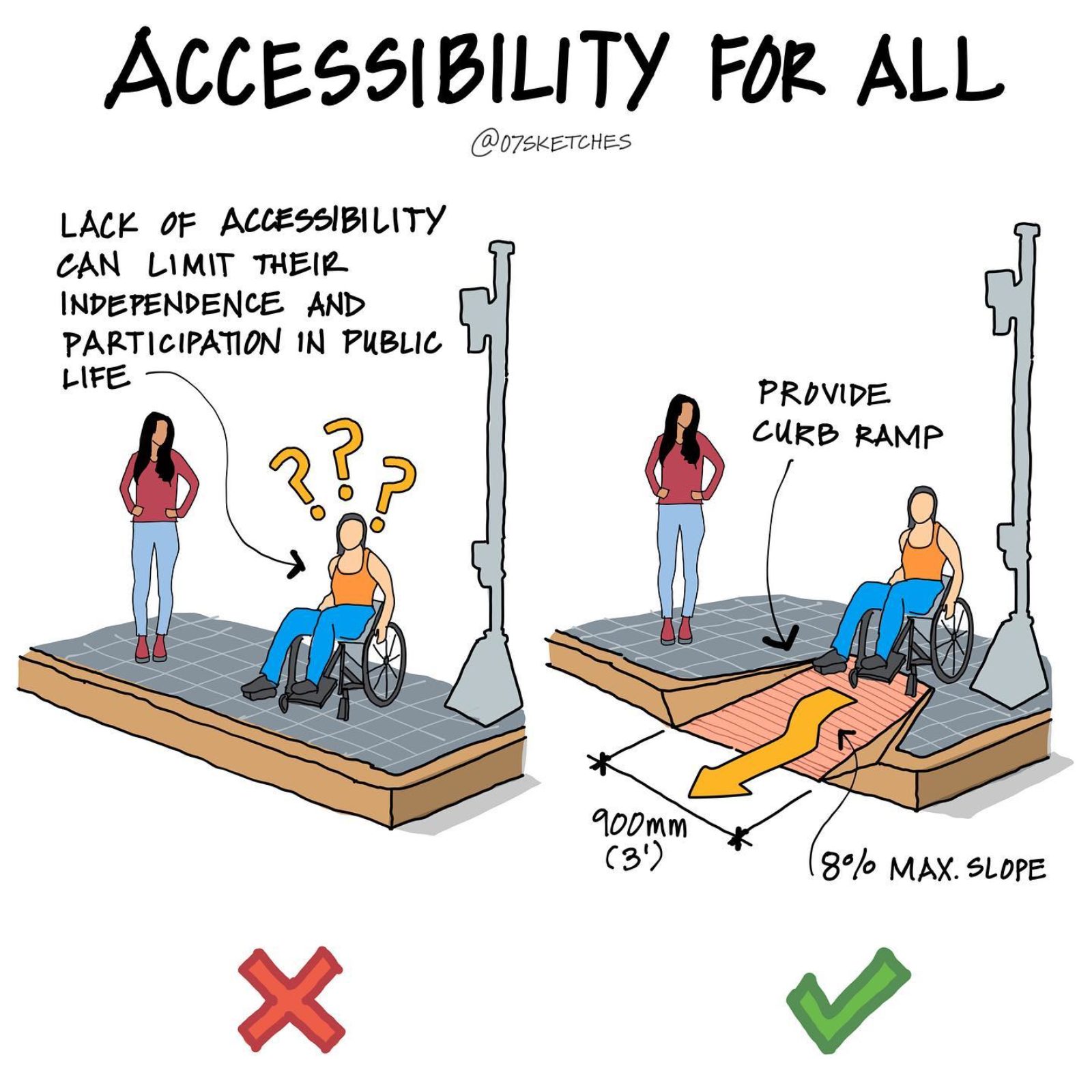
In today's digital landscape, accessibility is no longer a nicety, but a necessity. With the world's population increasingly relying on the internet for information, services, and experiences, creating accessible landing pages is crucial for businesses and individuals alike. This article explores the essential accessibility landing page design elements to help you craft user-friendly and inclusive experiences for everyone.
Why Accessibility Matters on Landing Pages
Landing pages are the first point of contact between your brand and potential customers. They set the tone for user engagement, conversions, and ultimately, the success of your business. By incorporating accessibility design elements, you can ensure that your landing pages are usable, accessible, and enjoyable for everyone, regardless of their abilities.
WCAG Guidelines for Landing Pages

The Web Content Accessibility Guidelines (WCAG) provide a comprehensive framework for creating accessible web content. The guidelines are organized into four main principles: Perceivable, Operable, Understandable, and Robust (POUR). By adhering to these principles, you can ensure that your landing pages meet the WCAG 2.1 level AA standard, enabling users with disabilities to access and navigate your content easily.
Essential Accessibility Landing Page Design Elements
- Semantic HTML**: Use semantic HTML to provide structure and meaning to your content. This includes using header-level tags (H1, H2, H3, etc.), lists, and other structural elements.
- Keyboard Navigation**: Ensure that your landing page can be navigated using only a keyboard. This includes providing clear labels, tabbing order, and accessible form fields.
- Color Contrast**: Guarantee sufficient color contrast between your background, text, and other visual elements to ensure readability for users with visual impairments.
- Alt Text**: Provide alternative text for all images, including decorative ones, to ensure that screen readers can describe the visual content to users with visual impairments.
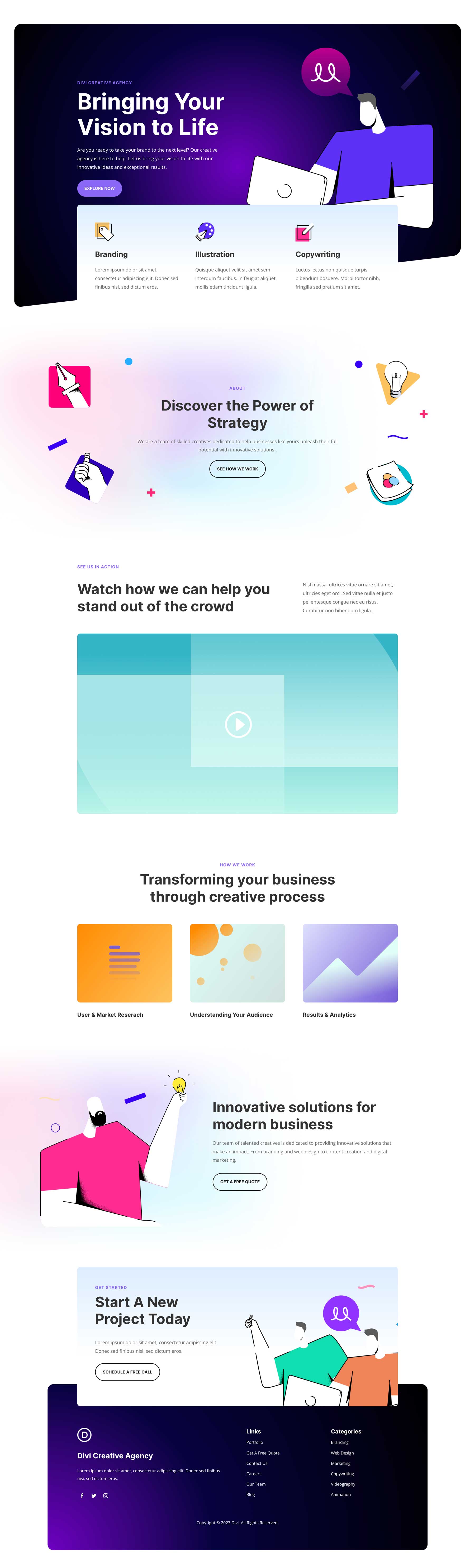
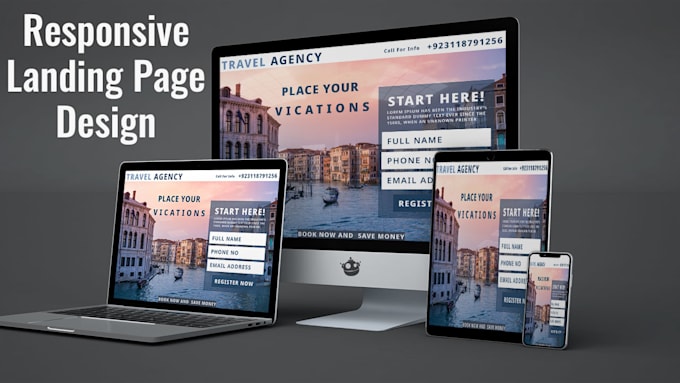
- Responsive Design**: Design your landing page to be responsive, ensuring that it adapts to different screen sizes, devices, and orientations, catering to a diverse range of users.
- Closed Captions**: Provide closed captions for audio and video content, enabling users with hearing impairments to access the same information.
- Accessibility Statement**: Display an accessibility statement on your landing page, outlining your commitment to accessibility and providing information on how users can get in touch with you regarding accessibility issues.
- Alt Text for Icons**: Provide alternative text for icons to ensure that screen readers can describe the visual content to users with visual impairments.
- ARIA Attributes**: Use ARIA (Accessible Rich Internet Applications) attributes to provide assistive technologies with information about your web page's structure and content.
- Audio Descriptions**: Provide audio descriptions for users who are unable to see the visual content, enabling them to access the same information.