The Ultimate Guide to Asbestos Roofing Removal: A Comprehensive Overview
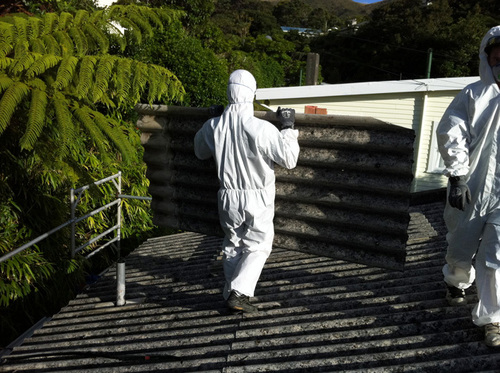
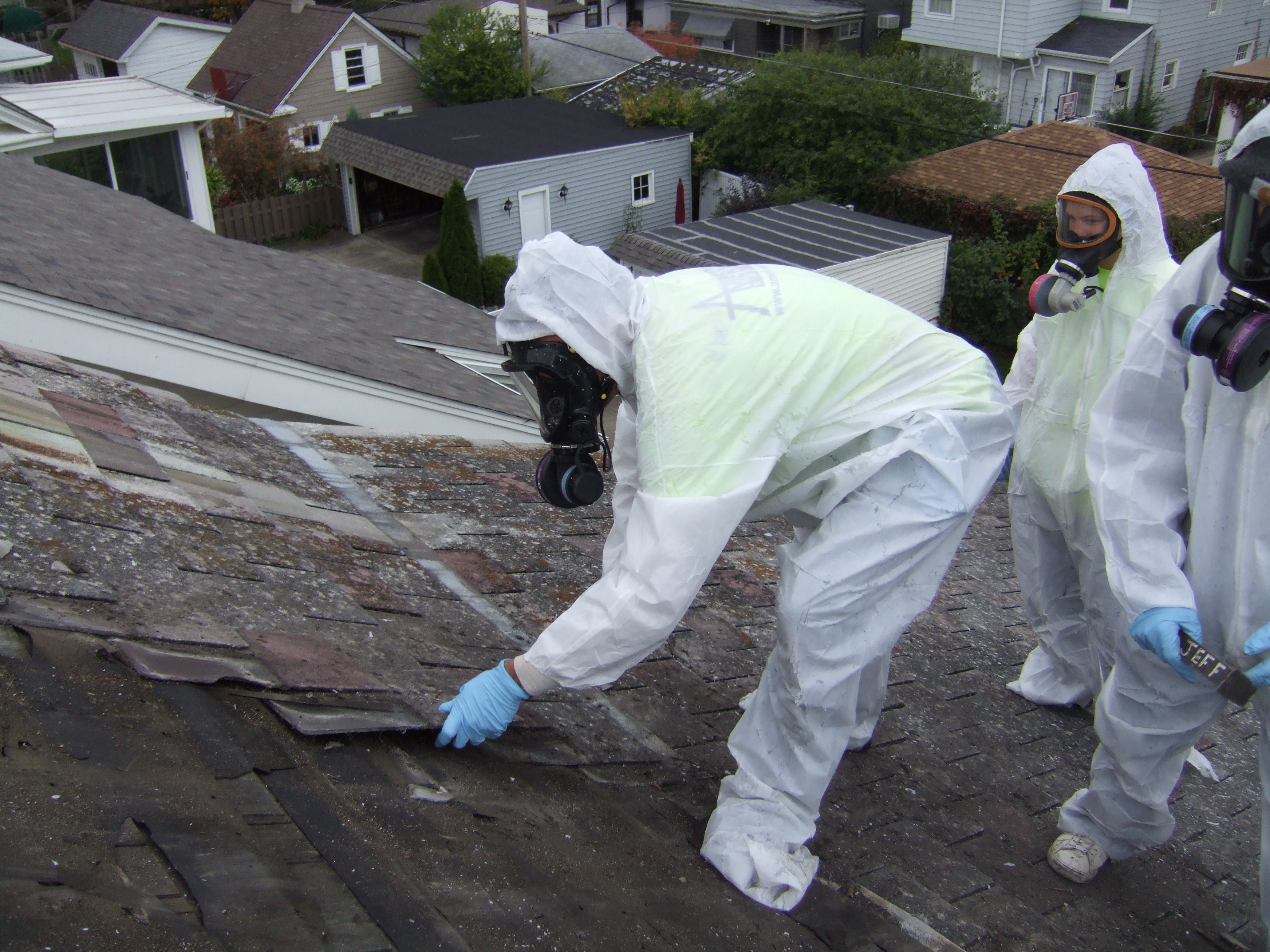
Asbestos roofing removal is a complex and sensitive process that requires careful planning, specialized equipment, and adherence to strict regulations. The health risks associated with asbestos roofing have led to the development of a robust framework for safe removal and disposal of asbestos-containing materials.
Understanding Asbestos Roofing
Asbestos was once a widely used material in roofing due to its durability, fire resistance, and insulation properties. However, its health risks have been well-documented, and regulations have been put in place to mitigate these risks. Asbestos roofing materials can contain up to 90% asbestos, which can release fibers when disturbed, leading to serious health problems.
Identifying Asbestos Roofing Materials
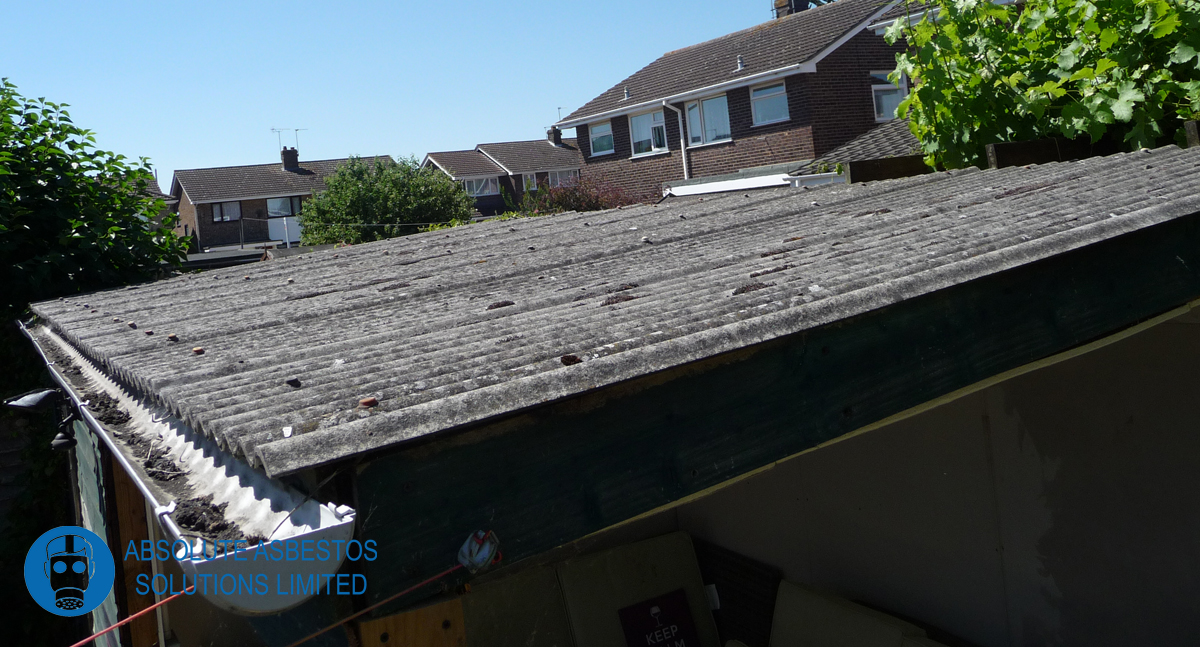
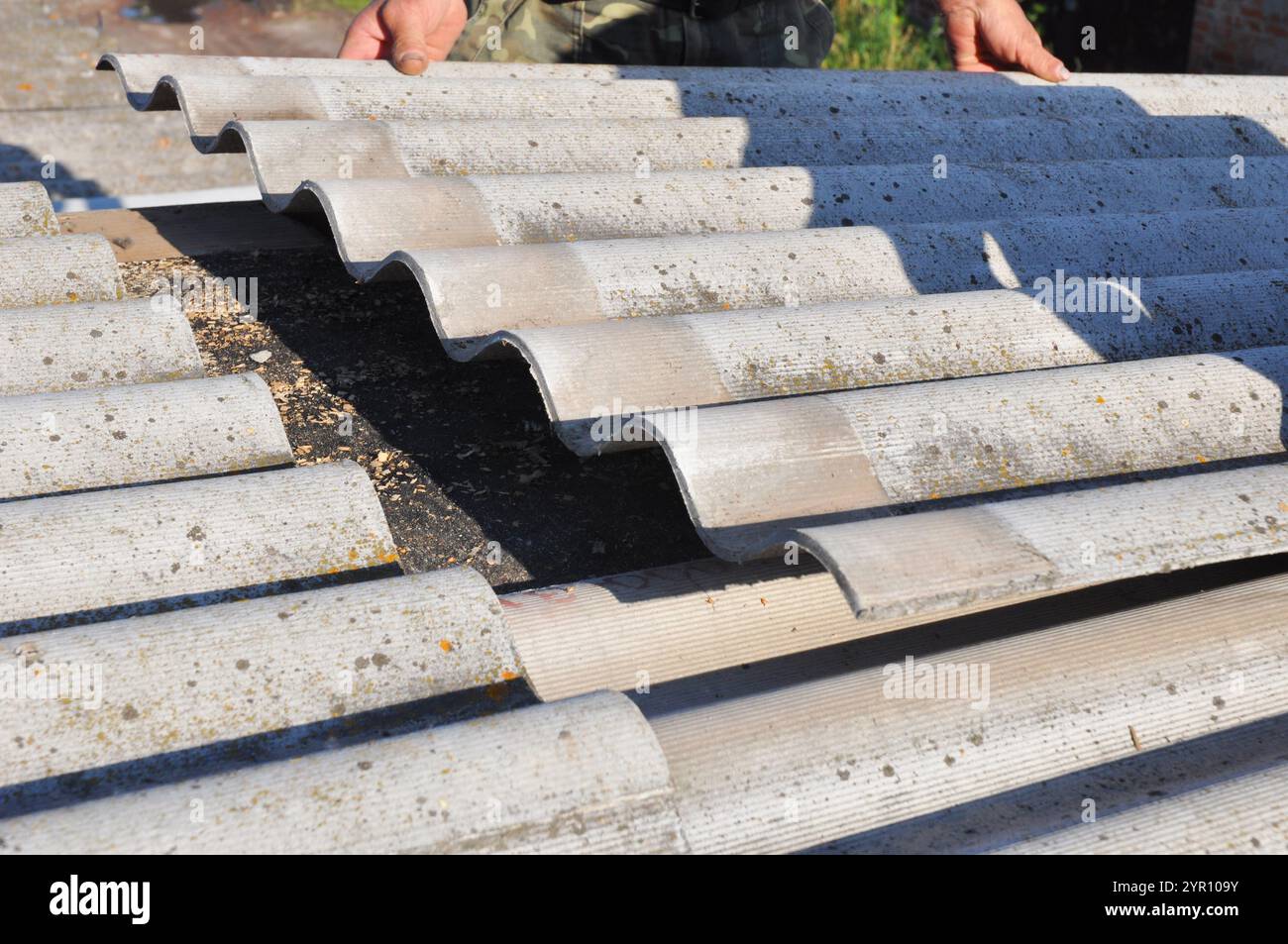
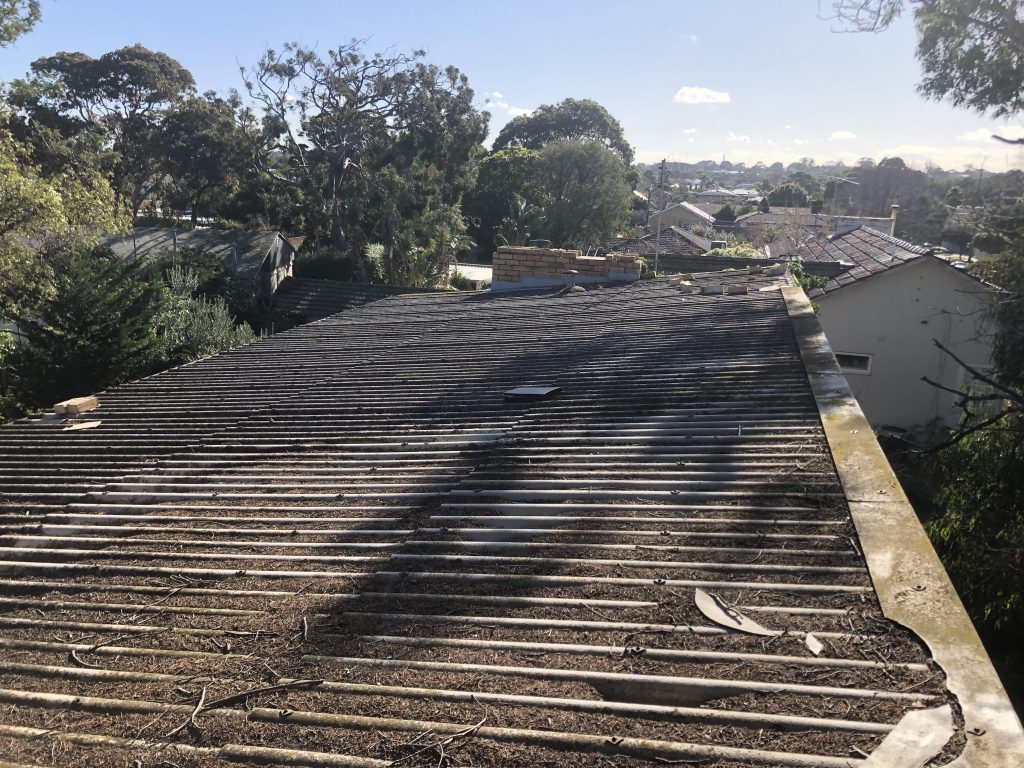
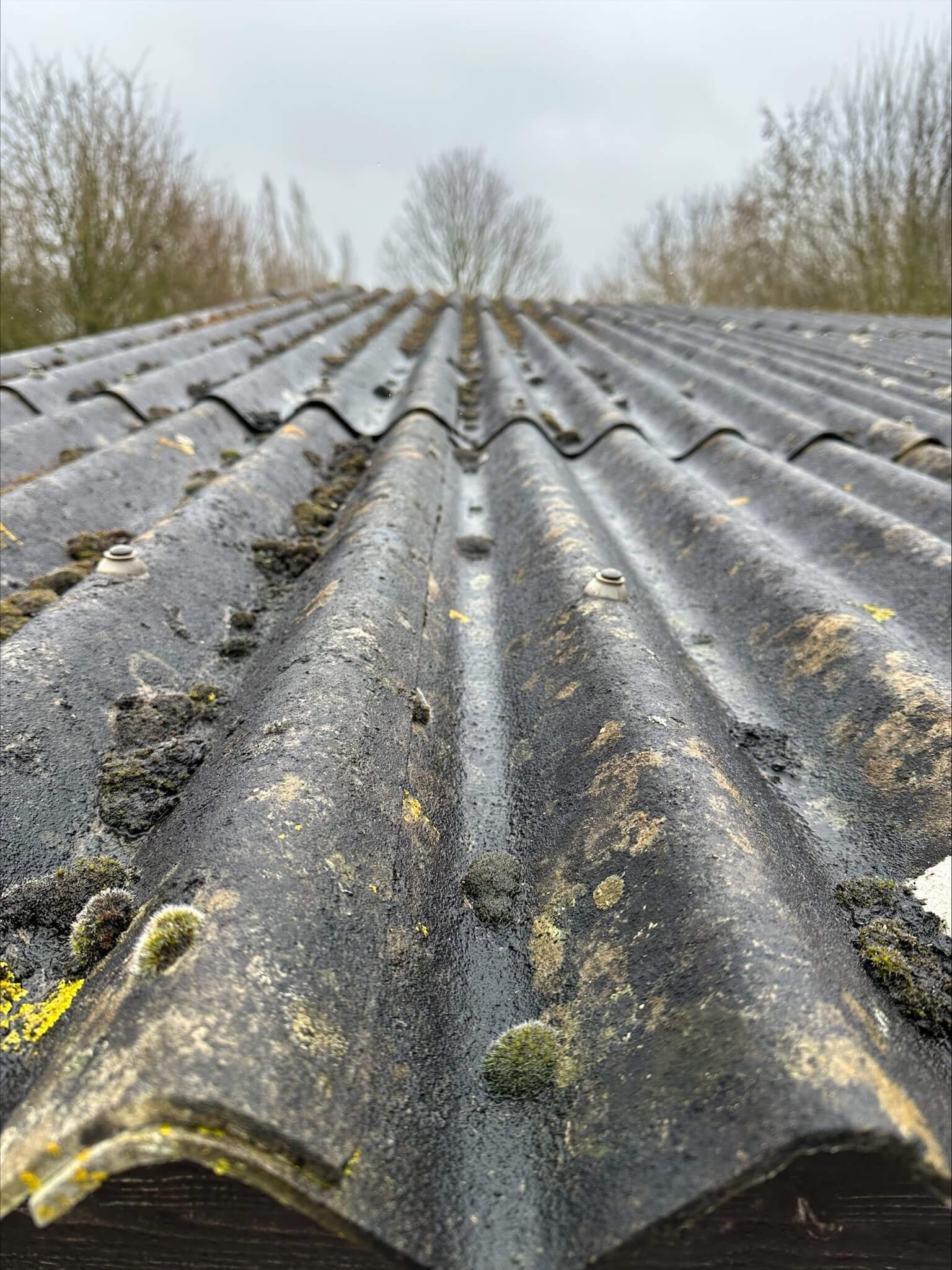
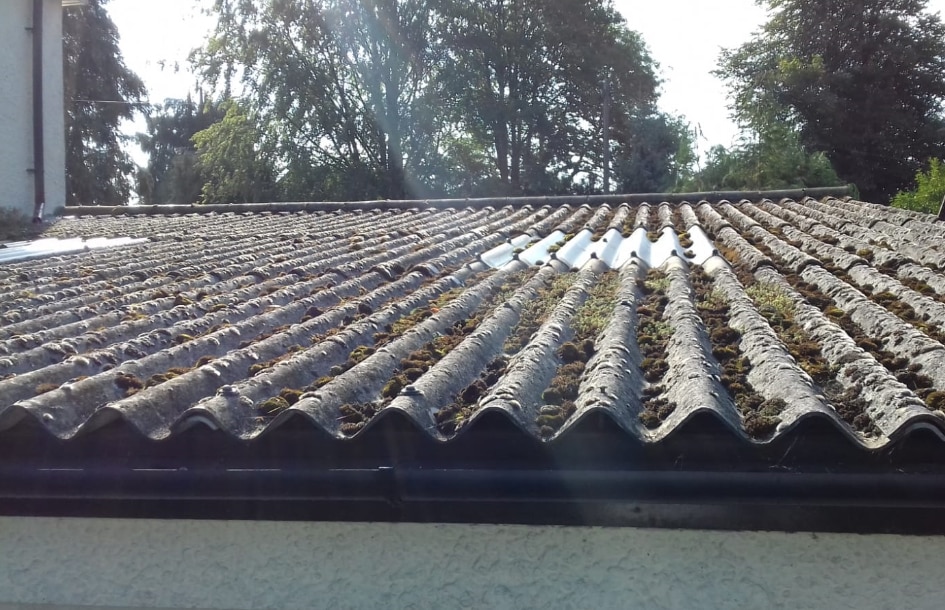
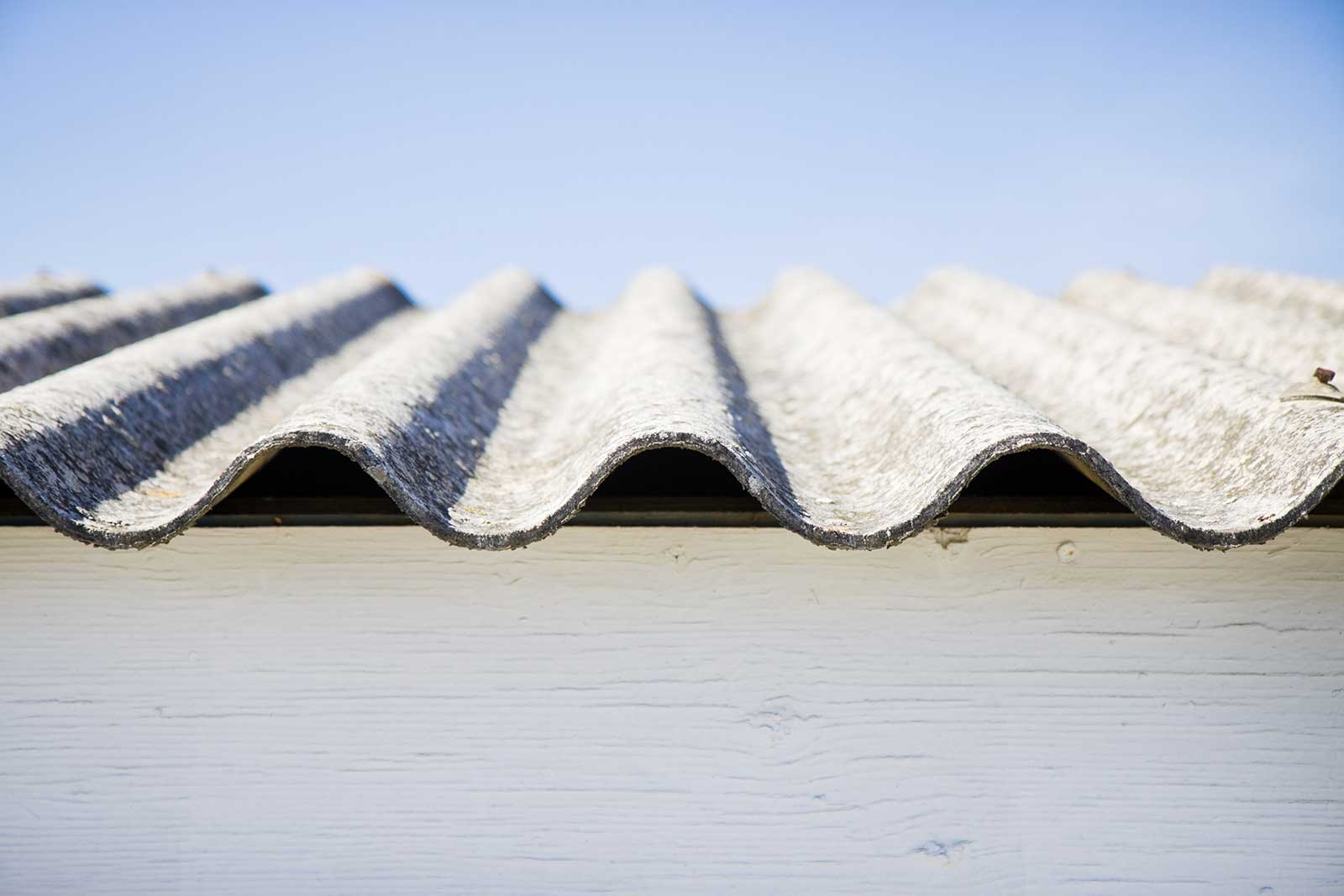
Asbestos roofing materials can be identified by a combination of visual inspection and laboratory testing. Some common types of asbestos roofing materials include:
- Asbestos-cement roofing sheets
- Asbestos-containing roof tiles
- Asbestos-containing cement products
Regulations and Guidelines
The Environmental Protection Agency (EPA) has established the Asbestos National Emissions Standard for Hazardous Air Pollutants (NESHAP) to regulate the removal of asbestos-containing materials. The NESHAP regulations outline specific requirements for asbestos roofing removal, including:
- Notification procedures
- Work practices
- Waste disposal
Steps for Safe Asbestos Roofing Removal
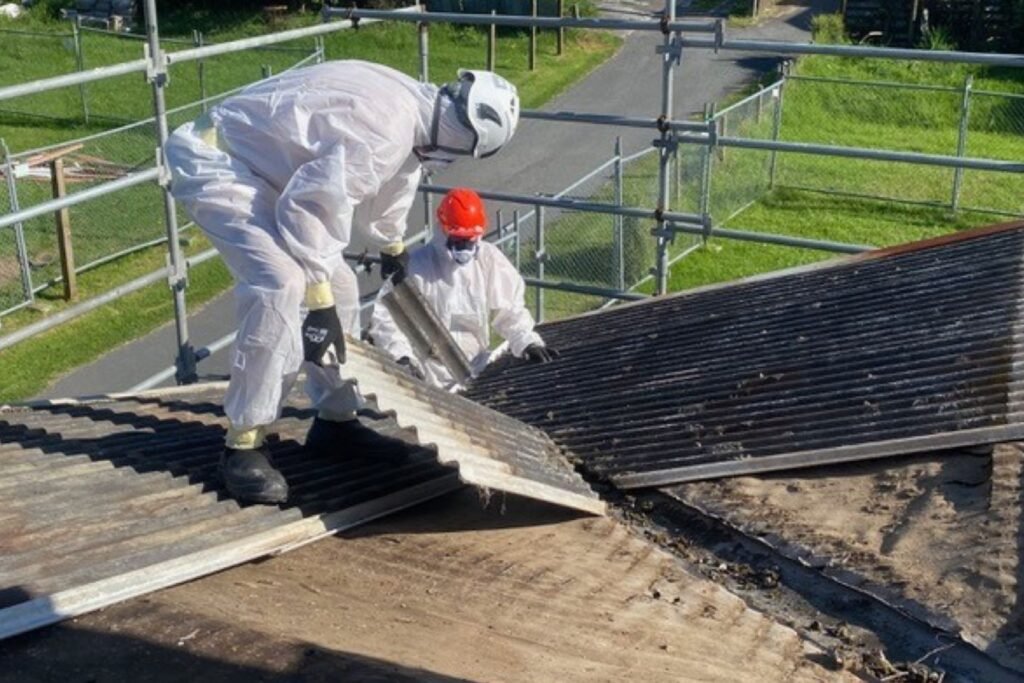
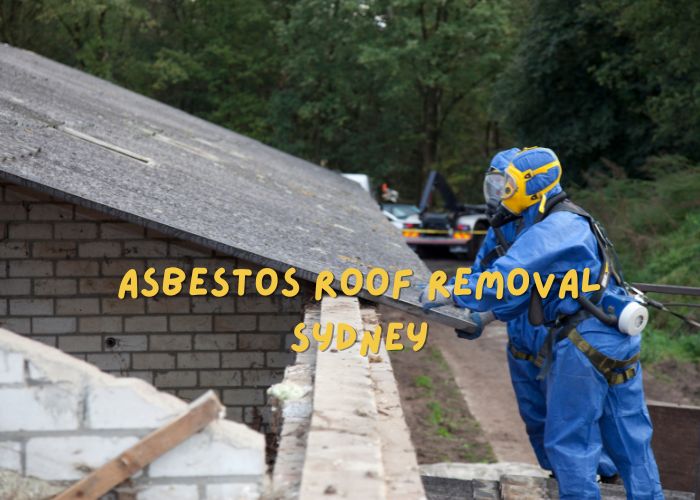
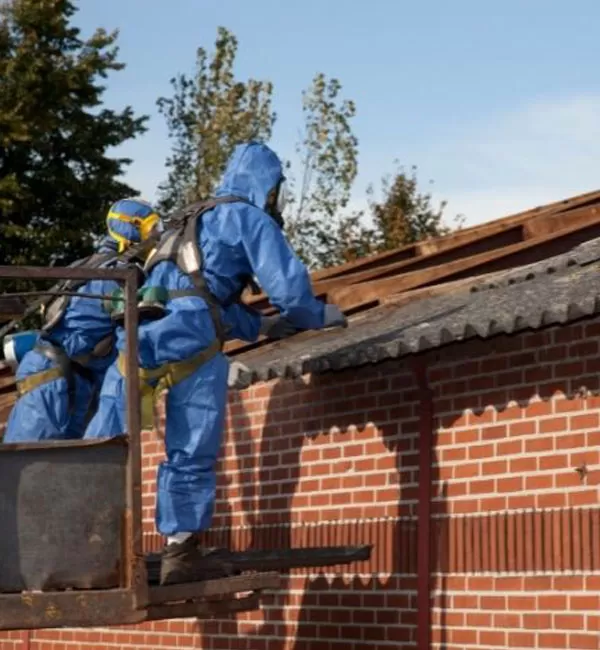
Safe asbestos roofing removal requires a step-by-step approach, including: