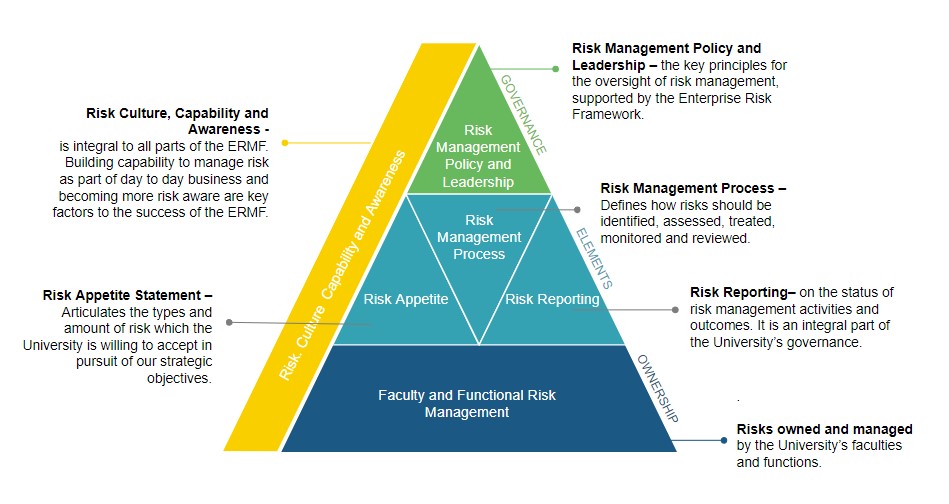
Building a Remote Team Risk Management Framework
As remote work becomes an integral part of business operations, companies and their insurance providers are increasingly focusing on the unique risks associated with remote teams. For independent commercial insurance agents, understanding and developing strategies for managing these risks is key to offering the right policies and solutions to clients.
The Importance of a Remote Team Risk Management Framework
In today's increasingly digital and decentralized work environments, organizations face unique challenges such as cybersecurity threats, compliance issues, and operational disruptions. A remote team risk management framework is a structured approach designed to identify, assess, and address these risks, ensuring a secureremote team and mitigating potential risks and threats.
Components of a Comprehensive Remote Team Risk Management Framework
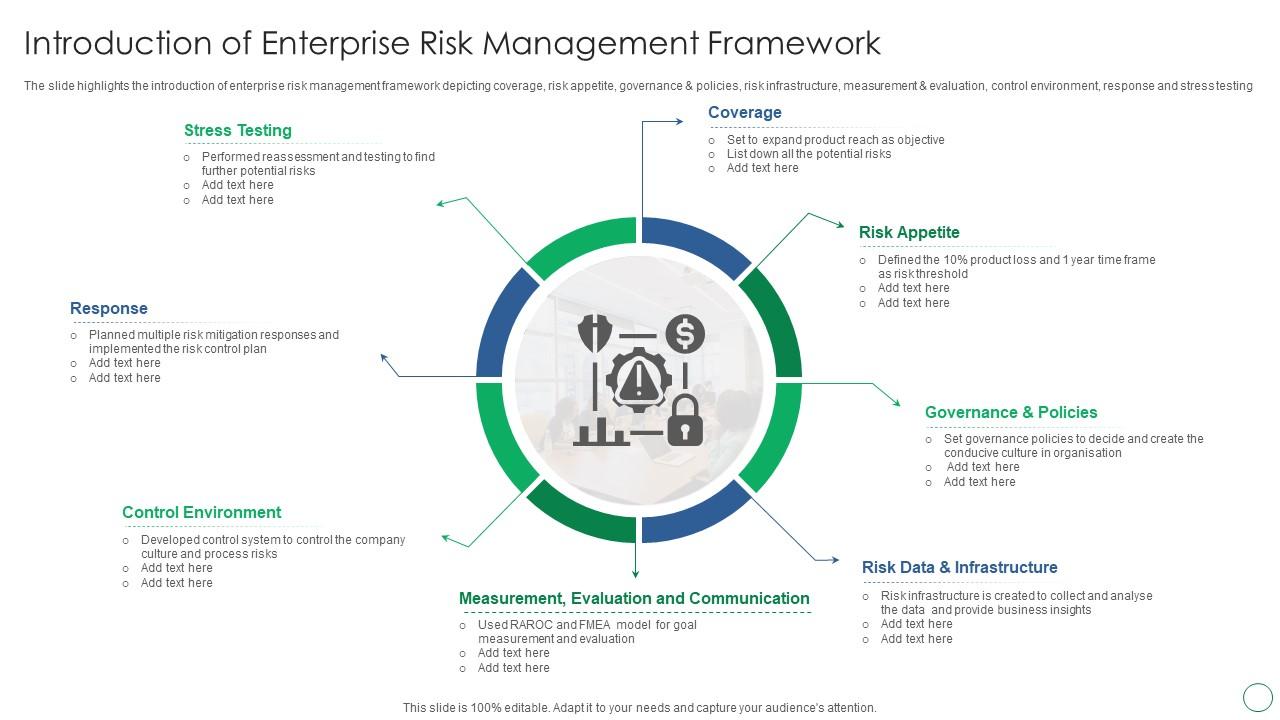
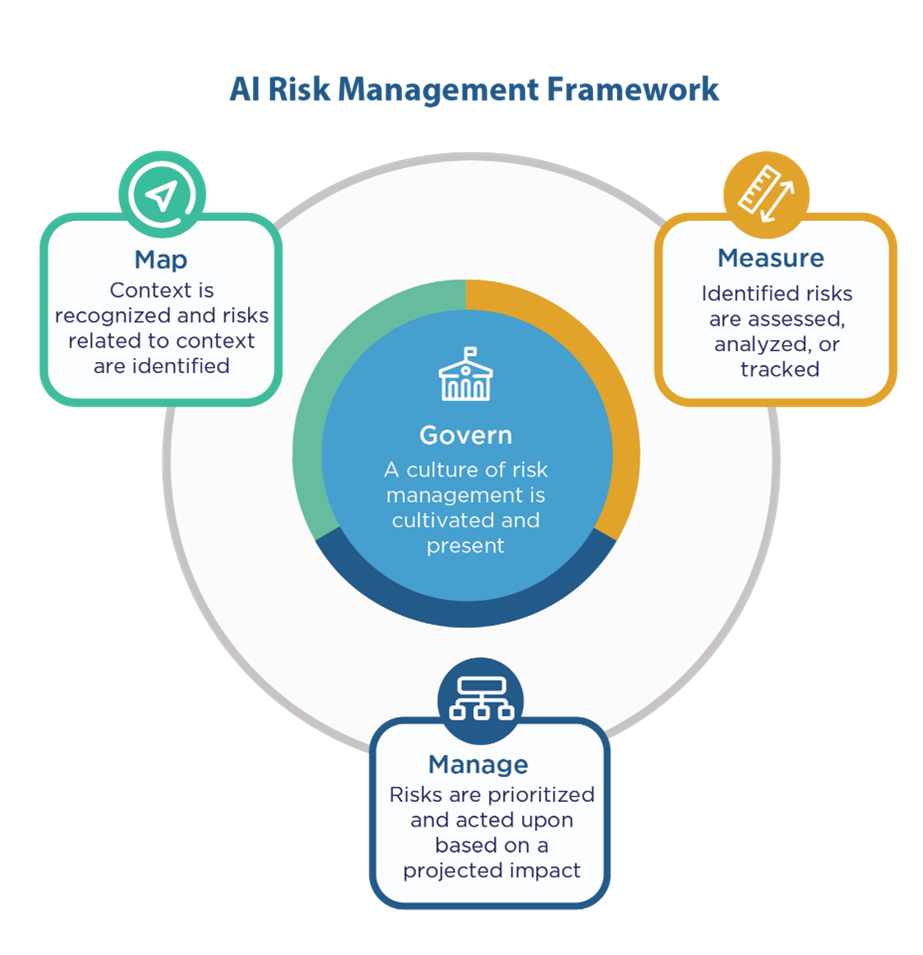
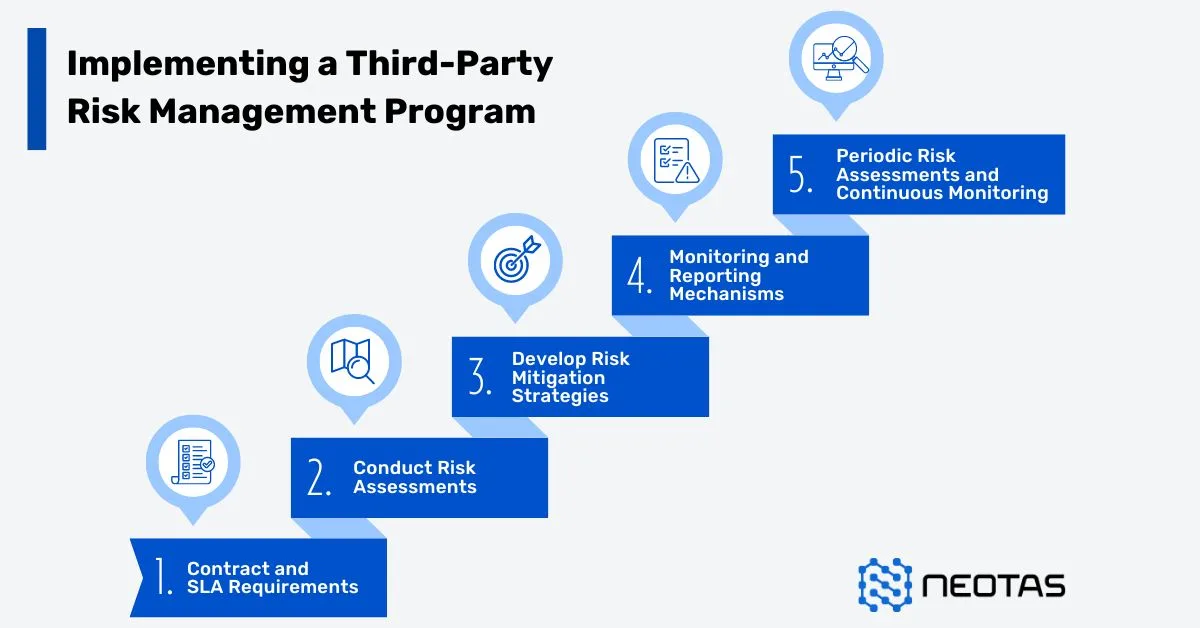
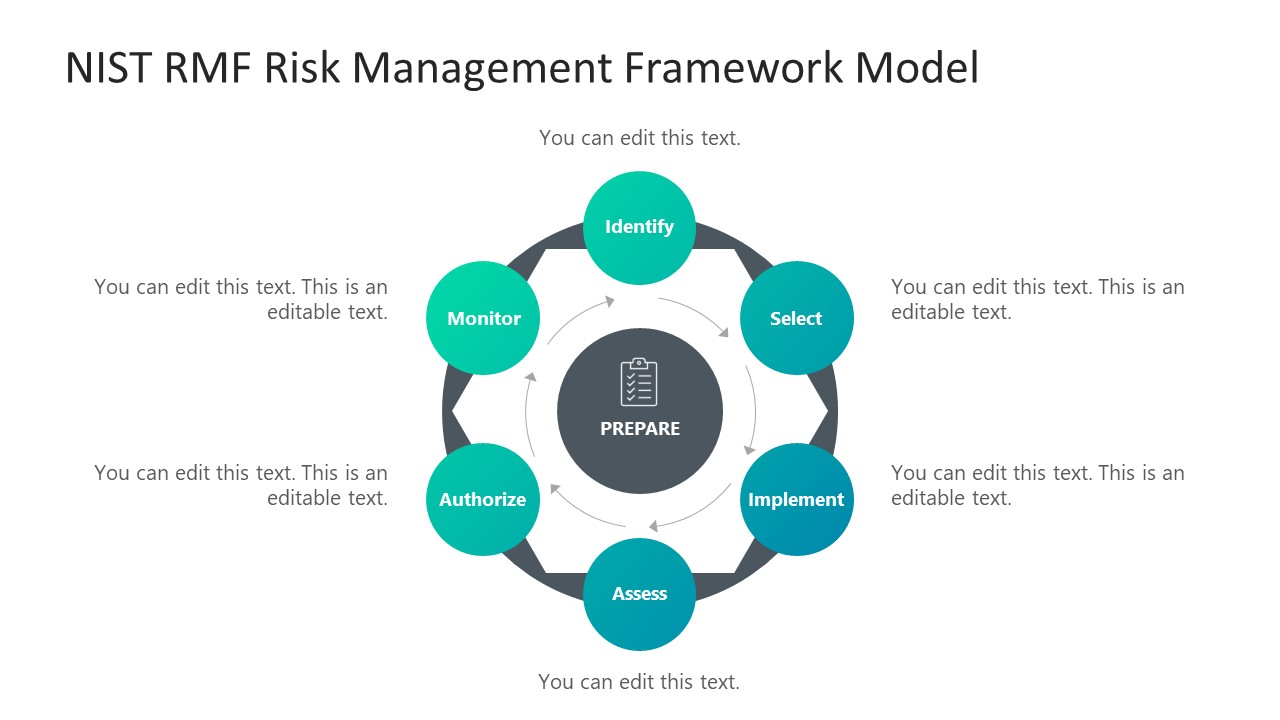
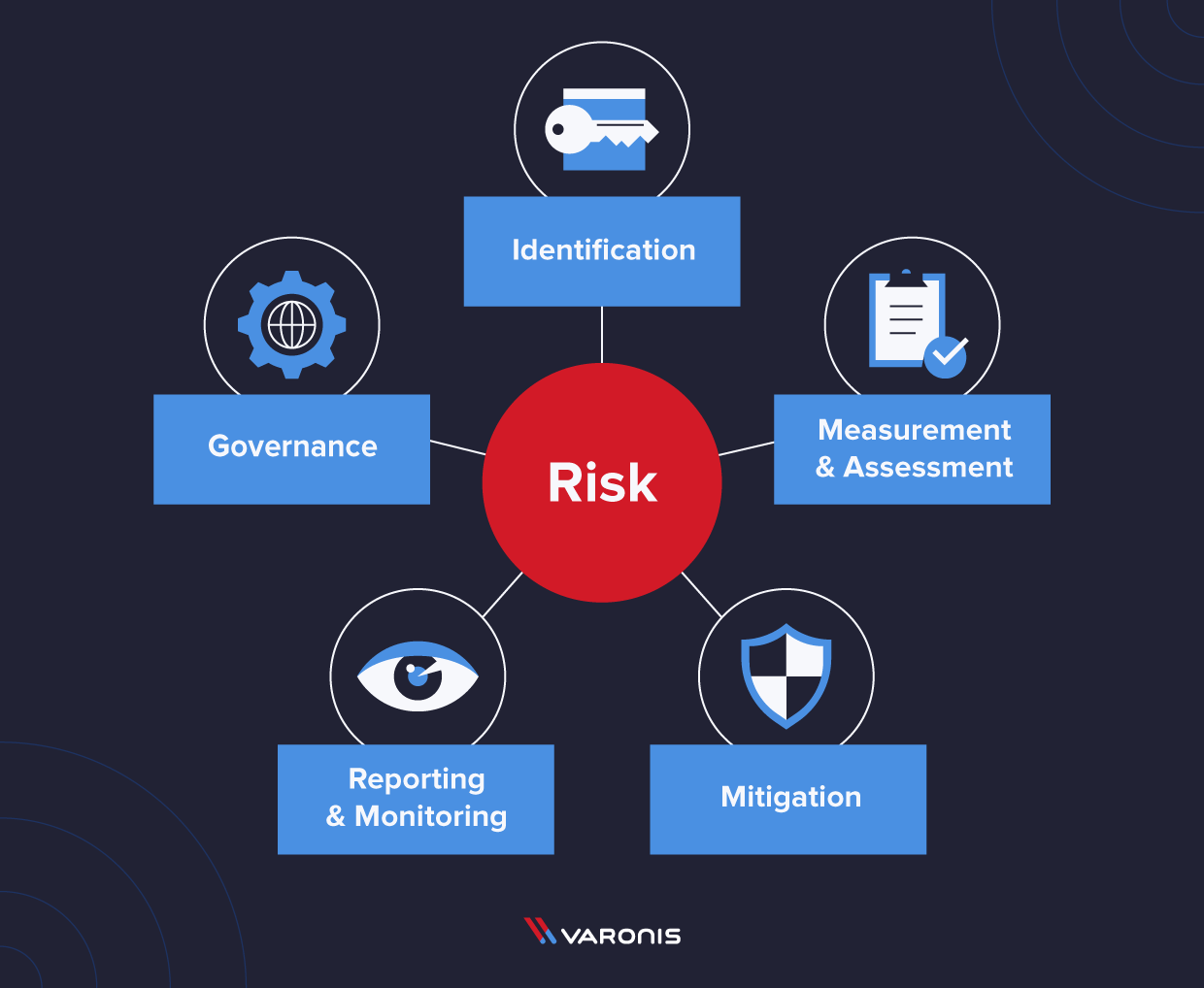
A well-crafted remote team risk management framework should include the following components:
- Risk Assessment: Regularly identify and assess potential risks and threats to the organization, including cybersecurity threats, compliance issues, and operational disruptions.
- Control Implementation: Establish and implement controls to mitigate identified risks, such as device security, access control, and cloud protection.
- Monitoring and Review: Regularly monitor and review the effectiveness of controls and the overall risk management framework, making adjustments as needed.
- Incident Response: Establish a plan for responding to incidents and crises, including communication protocols and recovery strategies.