Understanding Canadian Trademark Recordal Search: A Comprehensive Guide
The Canadian trademark recordal search is a crucial step in ensuring that a business's trademark identity is unique and does not infringe on existing trademarks. In this article, we will guide you through the process of conducting a Canadian trademark recordal search and provide valuable insights on what to expect.
What is a Canadian Trademark Recordal Search?
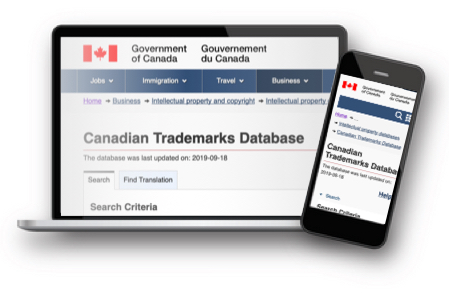
A Canadian trademark recordal search involves examining the CIPO database to determine if a similar or identical trademark already exists. This search helps businesses assess the risk of trademark infringement and avoid costly legal battles. By conducting a Canadian trademark recordal search, businesses can ensure that their trademark identity is unique and protect their intellectual property rights.

Steps to Conduct a Canadian Trademark Recordal Search
- Determine the classification of your trademark: Before conducting a search, determine the classification of your trademark using the 8th Edition of the Vienna Classification system. This system helps index Canadian trademarks available on the CIPO database.
- Choose the correct search criteria: Select the relevant search criteria, such as keywords, registration numbers, owner information, or type of mark (e.g., logo, word, color).
- Refine your search with Vienna Codes: Add Vienna Codes describing figurative elements of the trademark to further refine your search.
- Use the CIPO database: Utilize the CIPO database to search for registered and pending trademarks.
- Conduct a common law search: In addition to searching the CIPO database, conduct a common law search for trademarks that may exist without registration.