Understanding Carbon Offset Project Risk Assessment
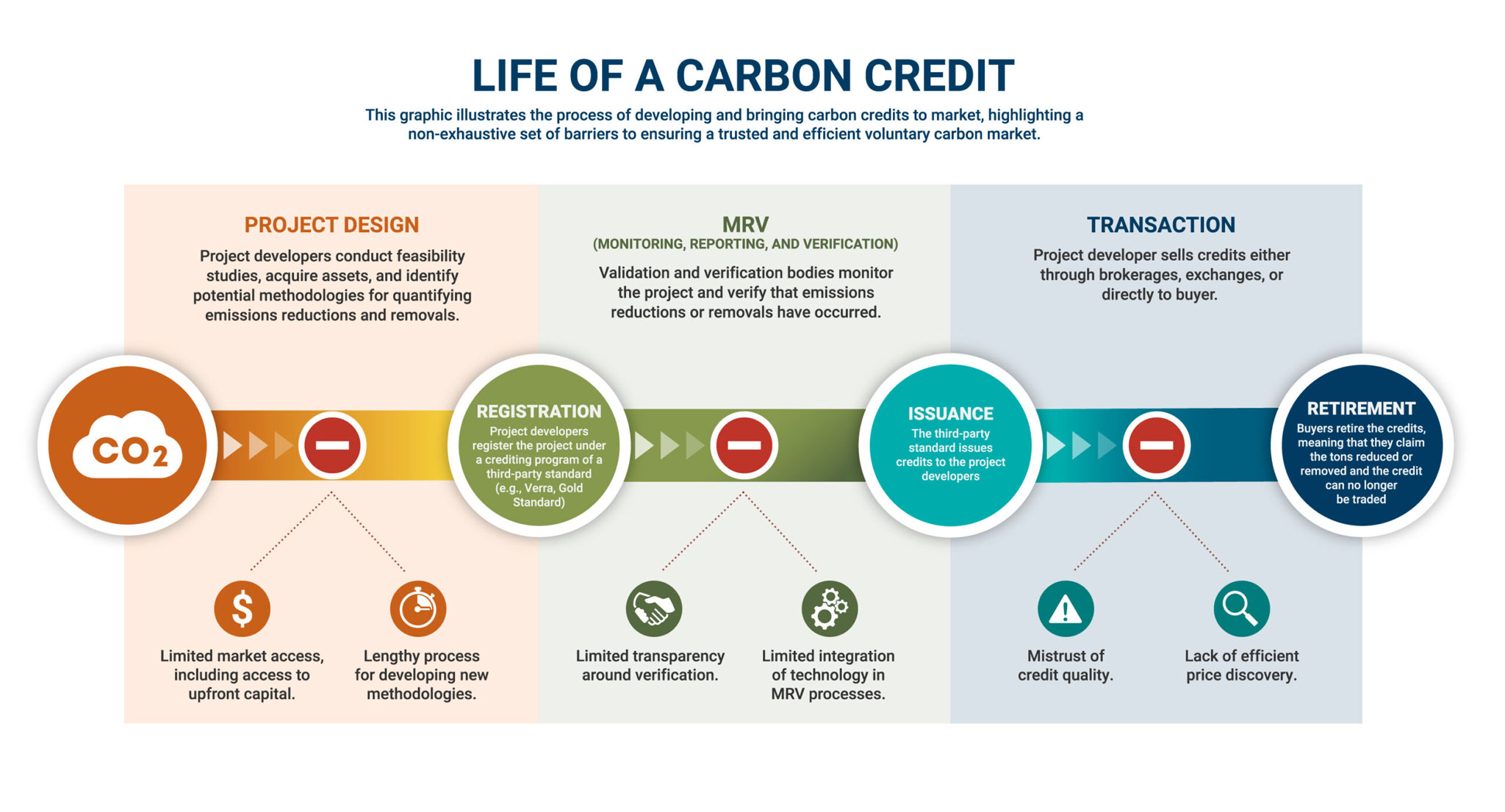
In recent years, the concept of carbon offsetting has gained significant traction as companies and countries look for ways to mitigate their greenhouse gas emissions and contribute to a more sustainable future. However, with the increasing demand for carbon offset projects, it's essential to conduct a thorough risk assessment to ensure that these projects effectively deliver the promised carbon reductions.What is a Carbon Offset Project Risk Assessment?
A carbon offset project risk assessment is a systematic evaluation of the potential risks associated with a carbon offset project. This assessment is crucial in identifying and quantifying the risks that could impact the project's ability to deliver the intended carbon reductions. By conducting a thorough risk assessment, investors and project developers can make informed decisions about the viability of a project and its potential for success.Types of Risks Associated with Carbon Offset Projects
- Integrity Risk: This refers to the risk that a project may not operate as intended, or that the carbon reductions may not be real or verifiable.
- Delivery Risk: This risk arises from the uncertainty surrounding the timing and quantity of carbon reductions delivered by a project.
- Value Risk: This risk is associated with fluctuations in the value of carbon credits, which can impact the financial returns on a project.