Configuring Wireless Network for Medical Offices: A Comprehensive Guide
In the healthcare industry, reliability, security, and efficiency are critical components of a well-designed network. A robust and secure wireless network is crucial for medics, nurses, and patients to communicate effectively and access vital information. However, setting up a wireless network for medical offices requires careful consideration of several factors, including scalability, access control, and security measures.
Why Wireless Networks Matter in Medical Offices
Wireless networks provide a secure and reliable way to connect medical staff and patients with data and resources from any location. In medical offices, wireless networks enable the use of medical devices, patient monitoring systems, and telemedicine platforms. Furthermore, a reliable wireless network ensures that critical patient information is transmitted securely and efficiently.
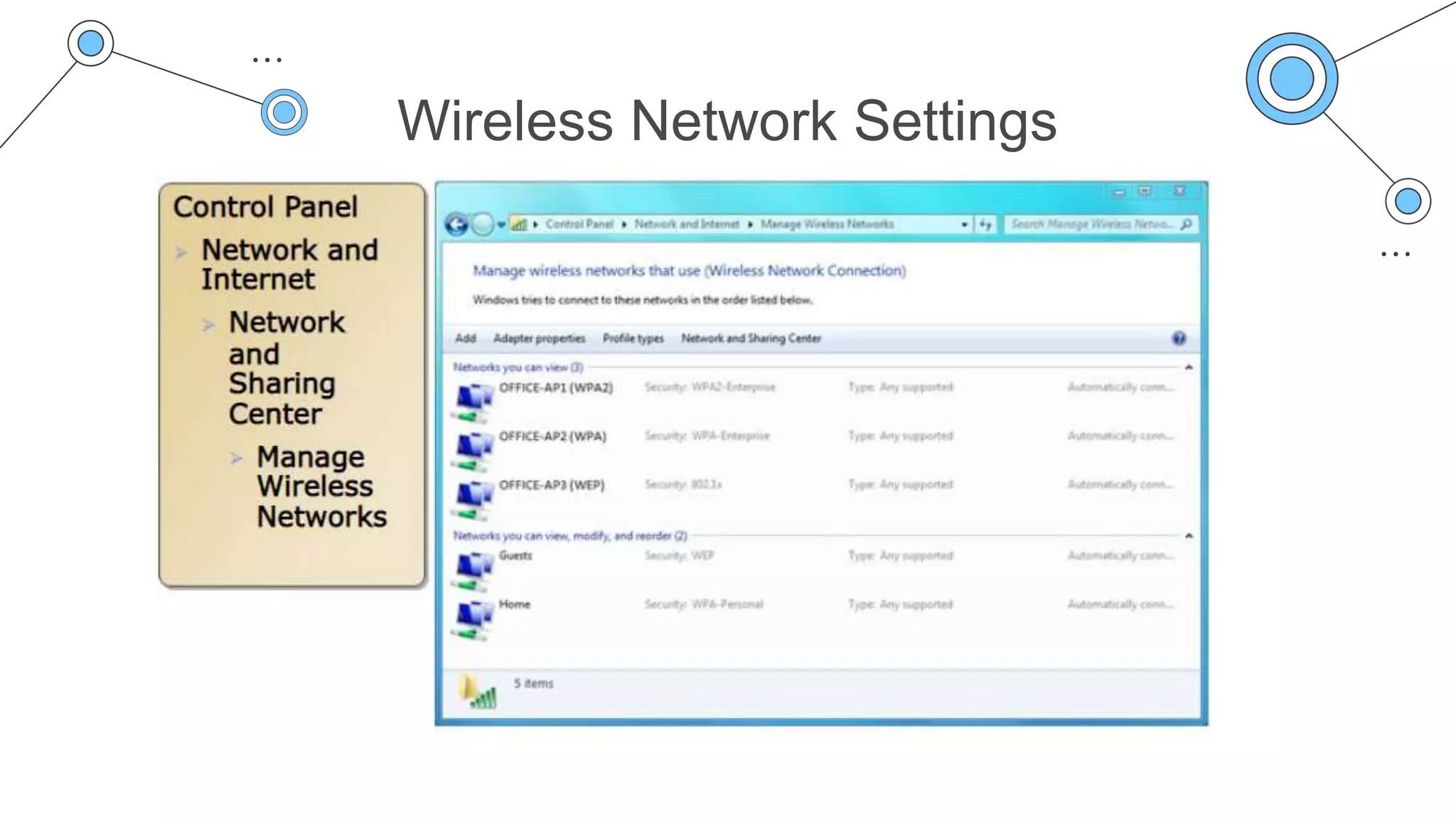
Designing a Scalable Wireless Network for Medical Offices
To design a scalable wireless network for medical offices, consider the following steps:
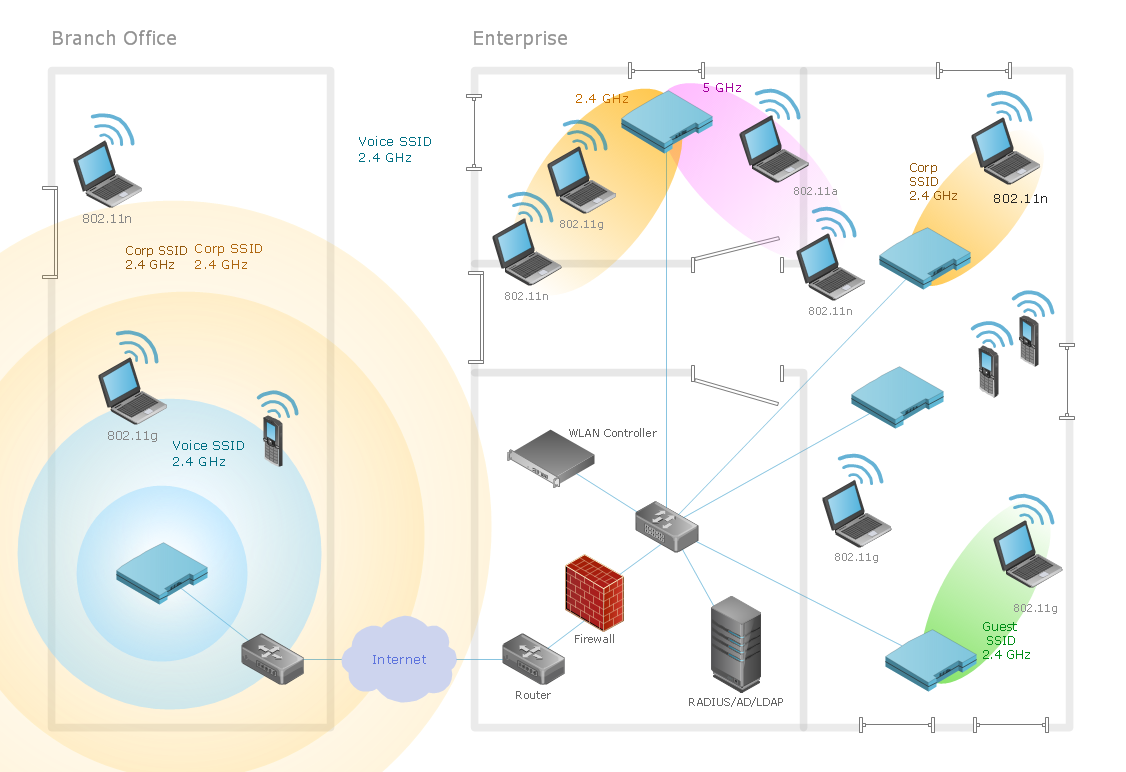
- Conduct a site survey to determine the optimal placement of wireless access points (WAPs) and ensure coverage of all areas.
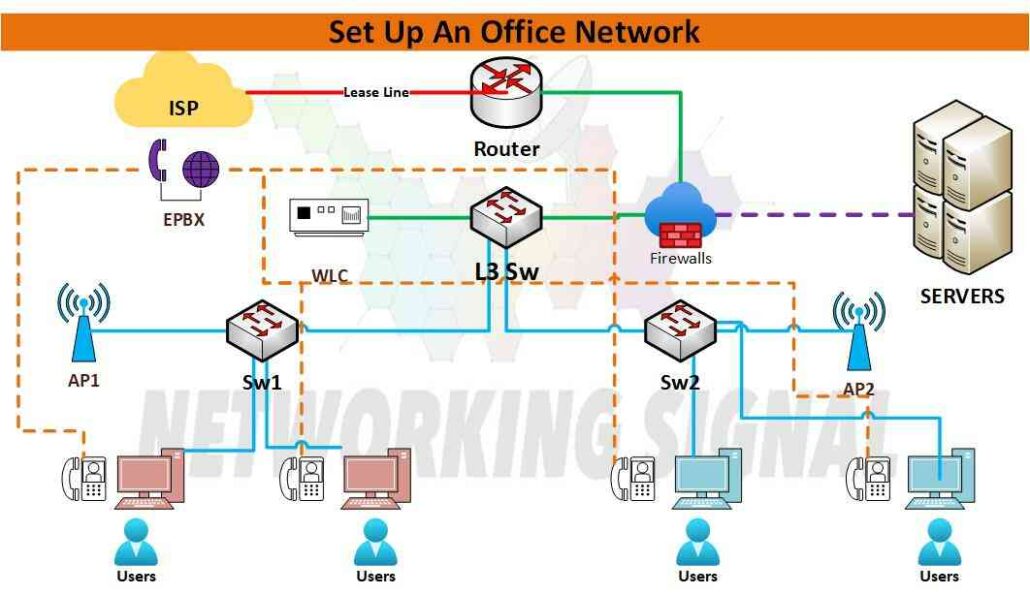
- Choose the right infrastructure, considering the type and number of devices to be connected, as well as the network's expected traffic.
- Select an architecture that meets the specific requirements of your medical office, such as a cloud-first architecture for ease of management and scalability.
- Implement a robust security framework that includes encryption, authentication, and access control mechanisms to protect patient data.