Electronic Notary Service Overview
Electronic notarization, also known as e-notarization, is a digital process that allows notaries to perform notarial acts on electronic documents. This method has become increasingly popular as it offers the same level of authenticity, security, and legal compliance as traditional paper notarization. In this article, we will provide an overview of electronic notary services, covering the basics, benefits, and best practices.
What is Electronic Notarization?
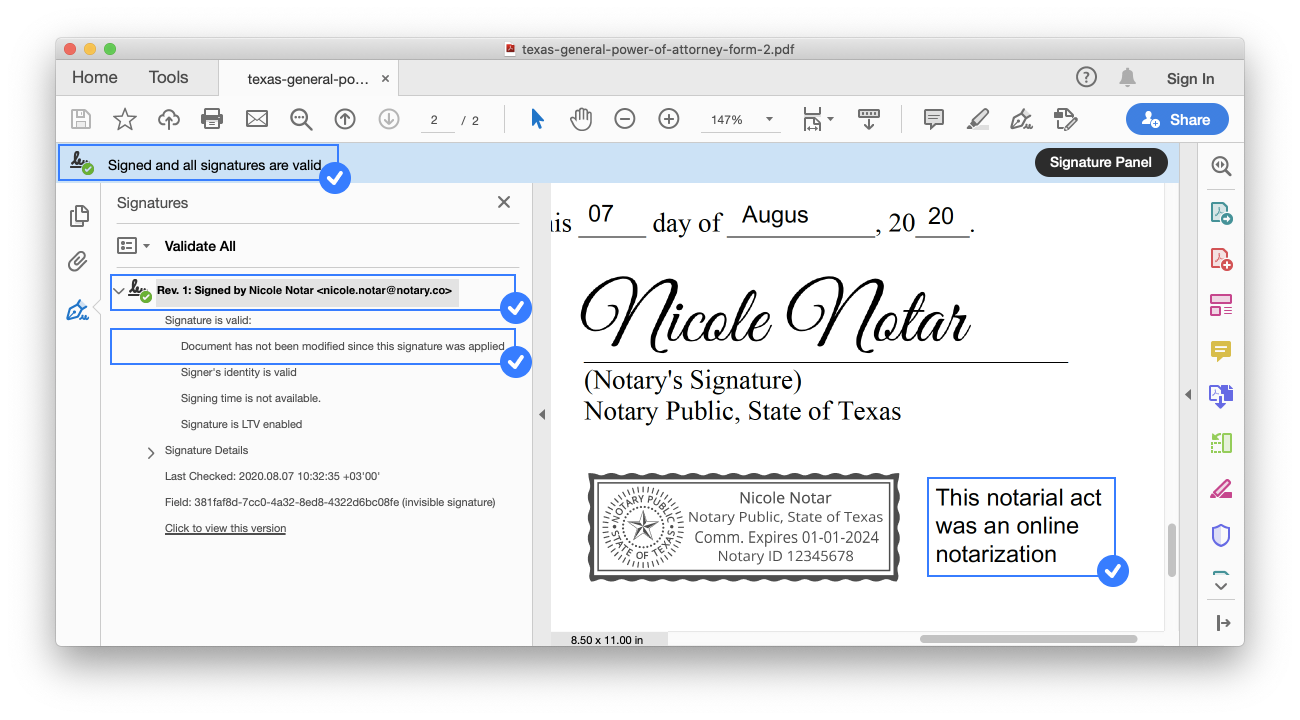
Electronic notarization is the process of notarizing documents in electronic form, rather than on paper. This method leverages digital technologies to perform notarial acts, ensuring the same level of authenticity and security as traditional paper notarizations. The process typically involves a digital certificate, an electronic signature, and an electronic seal.
How Electronic Notarization Works
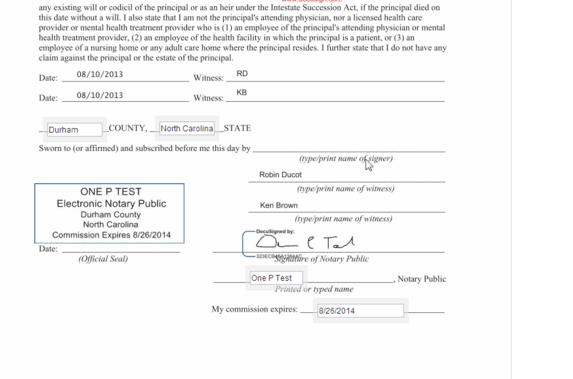
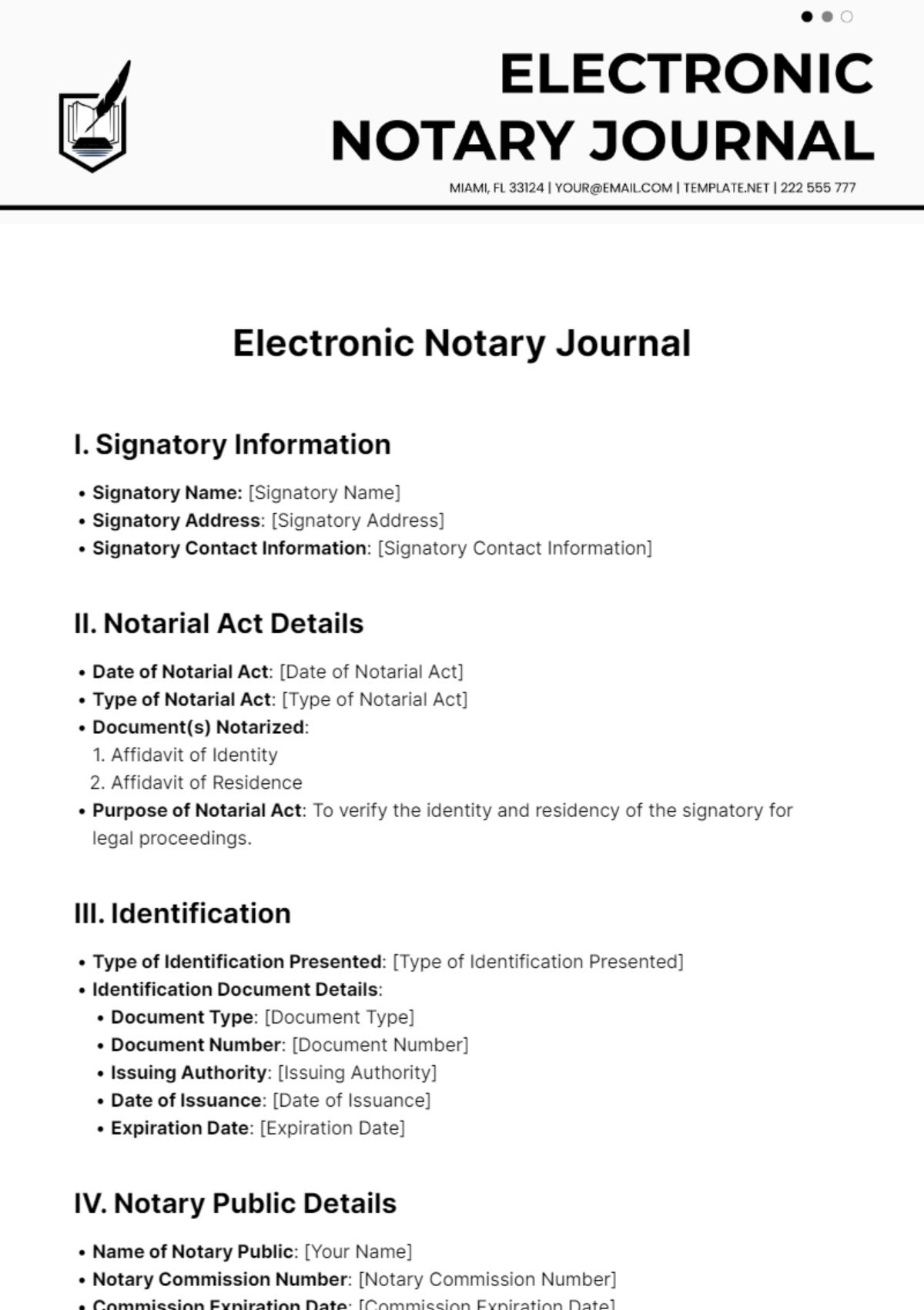
The process of electronic notarization is relatively straightforward. It involves a digital platform that connects the signer and the notary, who are usually in different locations. The notary verifies the signer's identity, authenticates the document, and witnesses the signing. The notarization is then recorded in an electronic journal and stored securely for later reference.
Benefits of Electronic Notarization
Electronic notarization offers several benefits, including:
- Increased convenience: Electronic notarization allows signers and notaries to authenticate documents remotely, eliminating the need for in-person meetings.
- Improved security: Electronic notarization is a more secure process compared to traditional paper notarization, as it uses encryption and secure authentication protocols to protect documents.
- Increased efficiency: Electronic notarization reduces the time and effort required to notarize documents, making the process faster and more streamlined.
- Environmental benefits: Electronic notarization reduces the need for paper and printing, making it a more eco-friendly option.