Breaking the Cycle of Food Addiction GLP-1 Therapy
When it comes to managing food addiction GLP-1 therapy, there's a growing body of research that suggests a promising new approach may be on the horizon. GLP-1 medications, originally designed to treat type 2 diabetes and obesity, are now being explored for their potential in treating a range of compulsive behaviors, including food addiction.
What is GLP-1 Therapy?
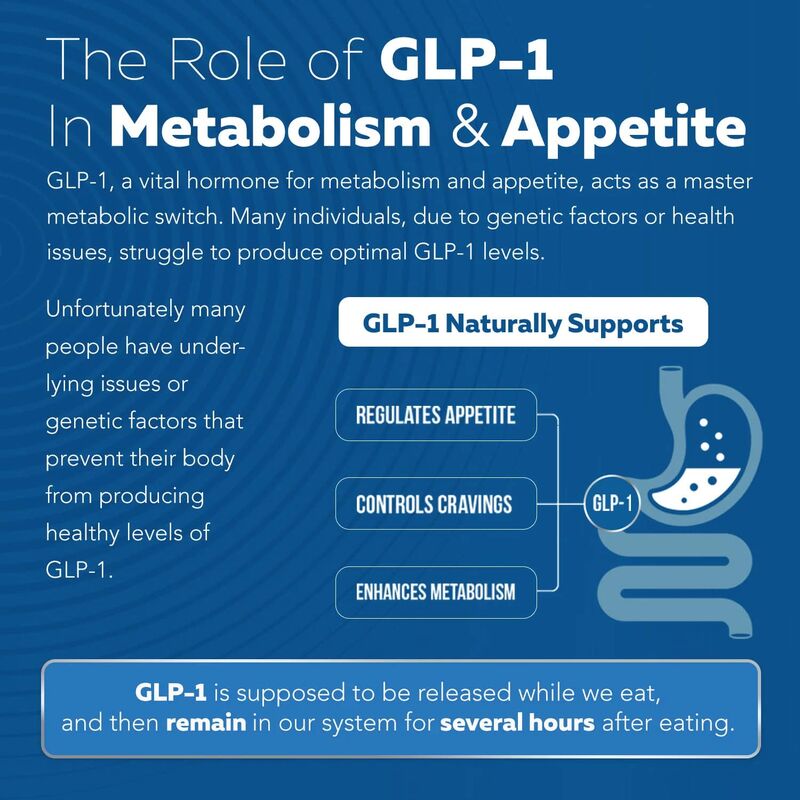
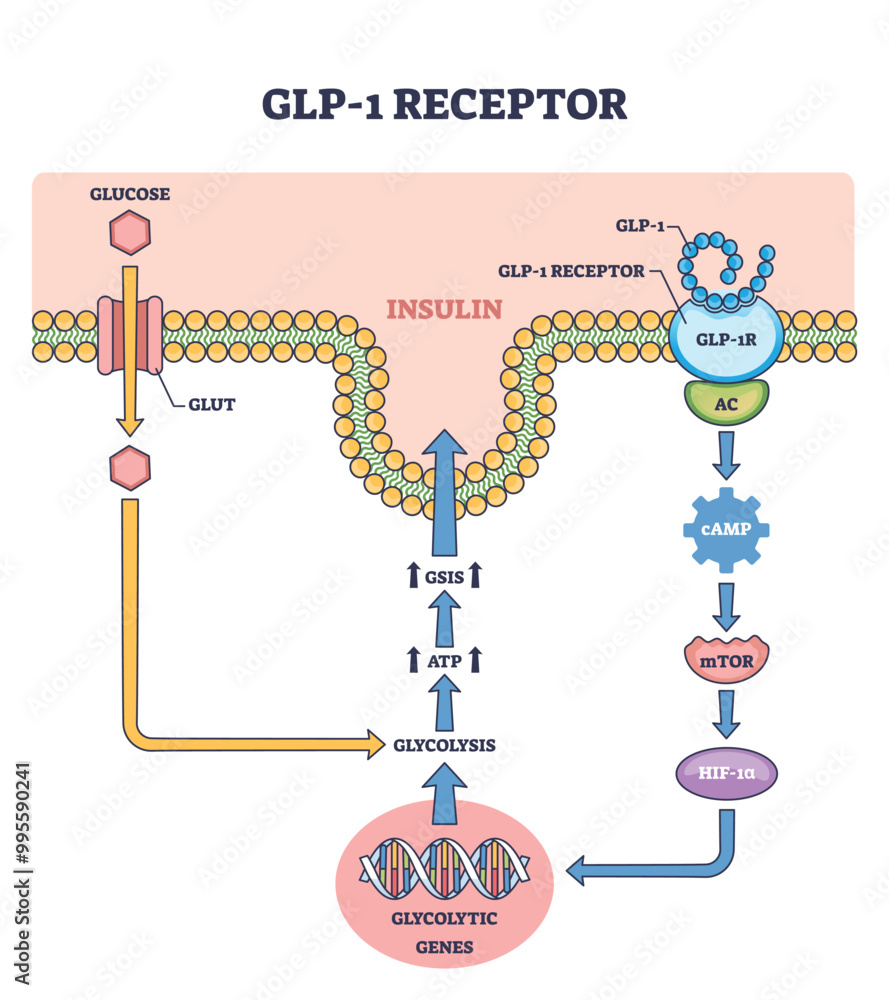
GLP-1 stands for glucagon-like peptide-1, a hormone that plays a key role in appetite regulation, digestion, and insulin release. GLP-1 medications mimic this hormone by slowing gastric emptying, increasing satiety, reducing hunger and food cravings, and influencing reward pathways related to eating behavior.
The science behind GLP-1 therapy is fascinating. By modulating the brain's reward system, GLP-1 medications may help reduce cravings and compulsive behaviors associated with food addiction. This approach also has the potential to address underlying emotional and psychological factors that contribute to food addiction and other compulsive behaviors.

The Promise of GLP-1 Therapy for Food Addiction
Recent studies have shown that GLP-1 medications may be effective in reducing food cravings and improving overall eating behavior. In one study, participants taking a GLP-1 medication experienced a 50-70% reduction in food cravings compared to those taking a placebo.
But the benefits of GLP-1 therapy don't stop there. Research has also suggested that these medications may have a broader impact on mental health, reducing symptoms of depression, anxiety, and other psychiatric disorders.