GLP-1 Agonist Effects on Muscle Insulin Sensitivity: A Comprehensive Review
Glucagon-like peptide-1 receptor agonists (GLP-1 RAs) have revolutionized the management of hyperglycemia in patients with diabetes, particularly those with type 2 diabetes mellitus (T2DM). These medications have been extensively studied for their effects on muscle insulin sensitivity, and the results have been nothing short of remarkable. In this article, we will delve into the GLP-1 agonist effects on muscle insulin sensitivity and discuss the implications for patients with T2DM and obesity.
GLP-1 and Muscle Insulin Sensitivity
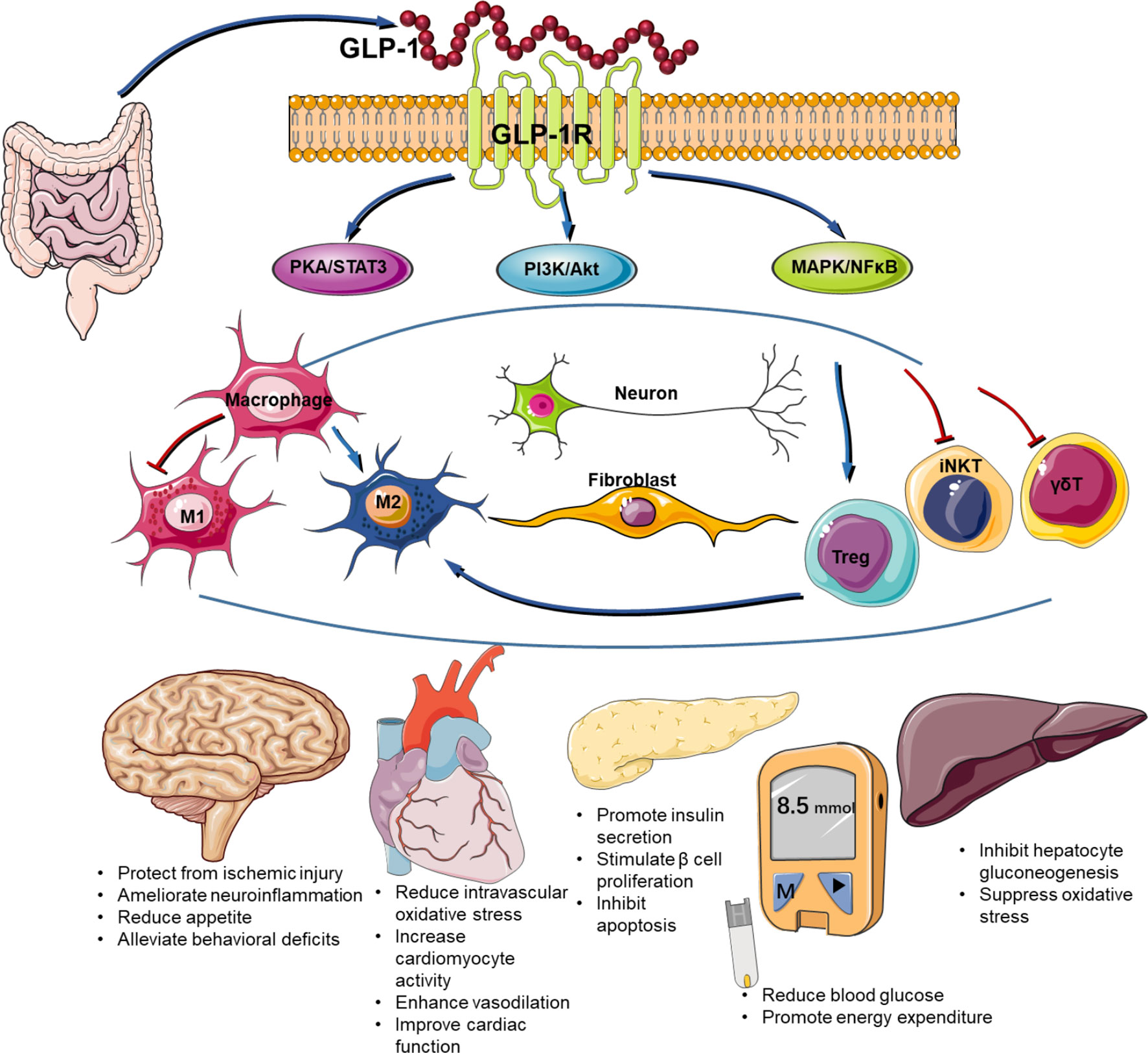
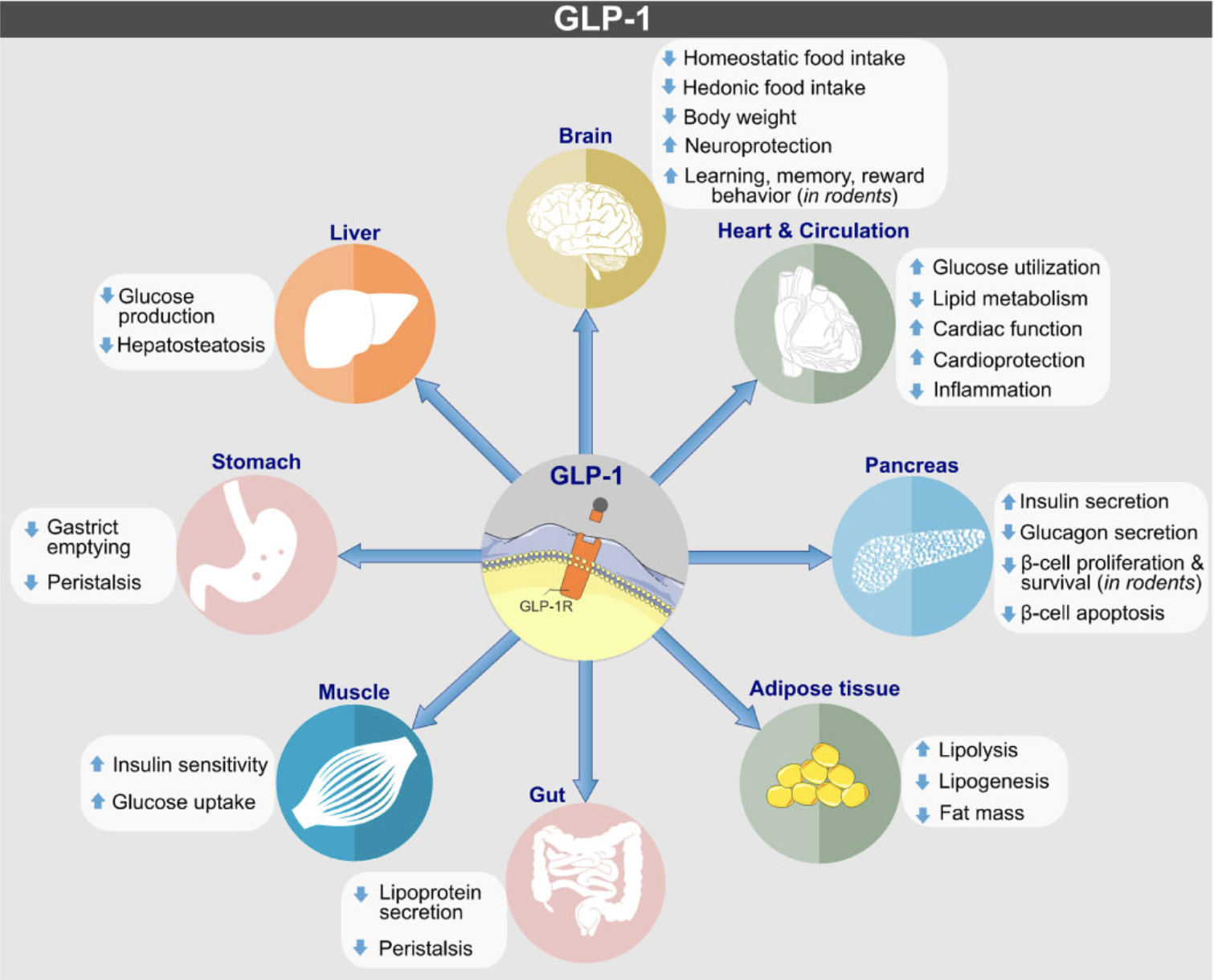
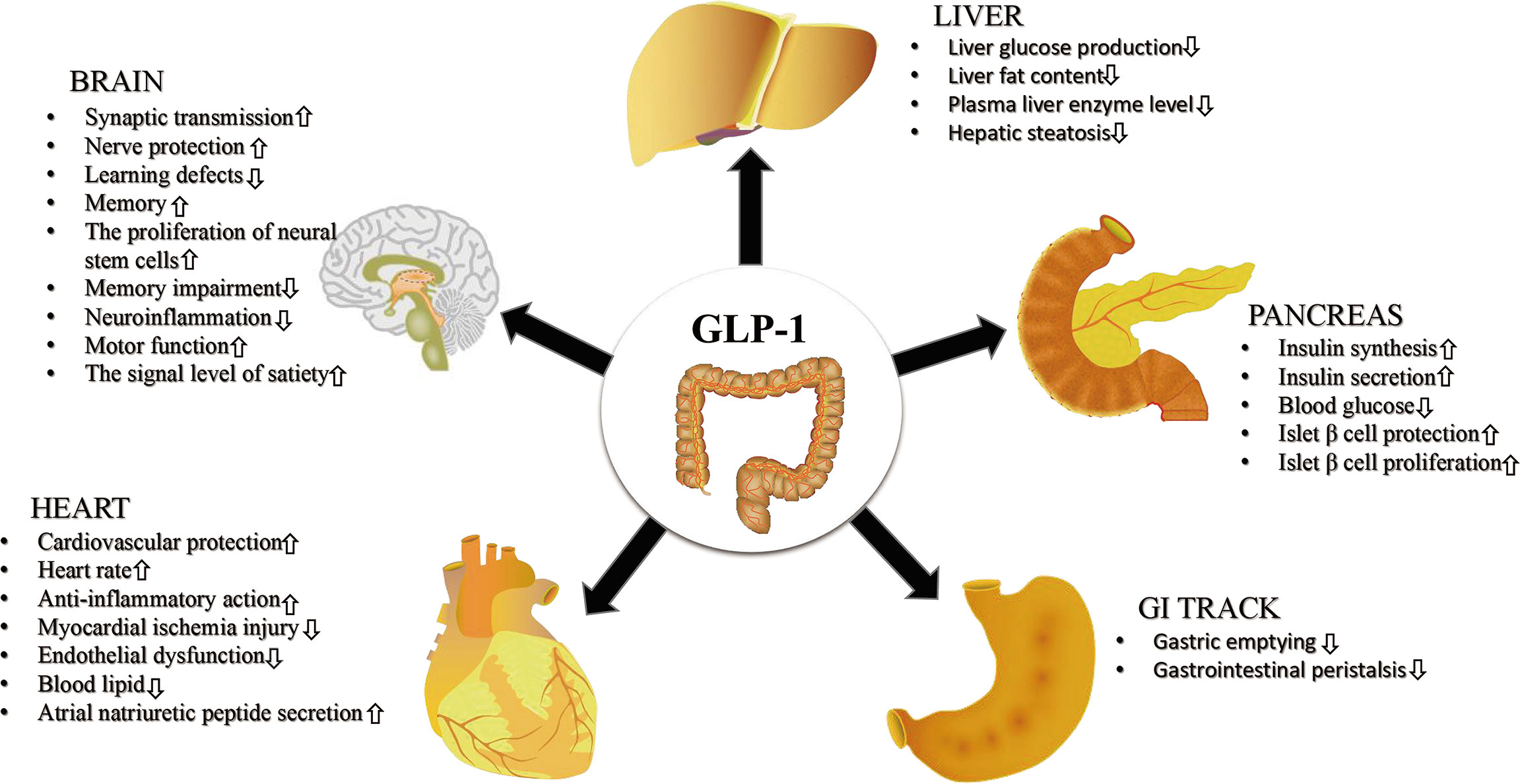
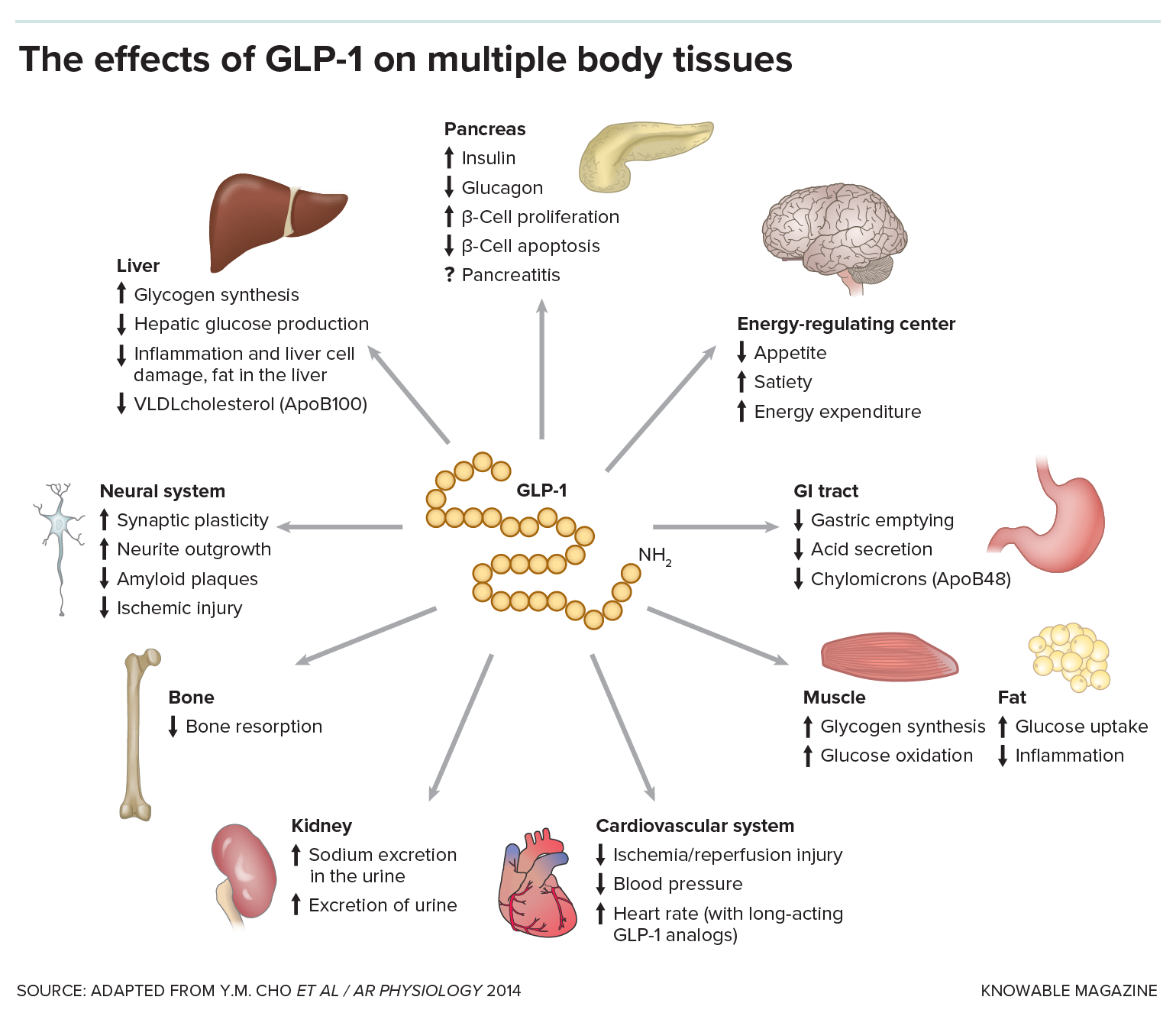
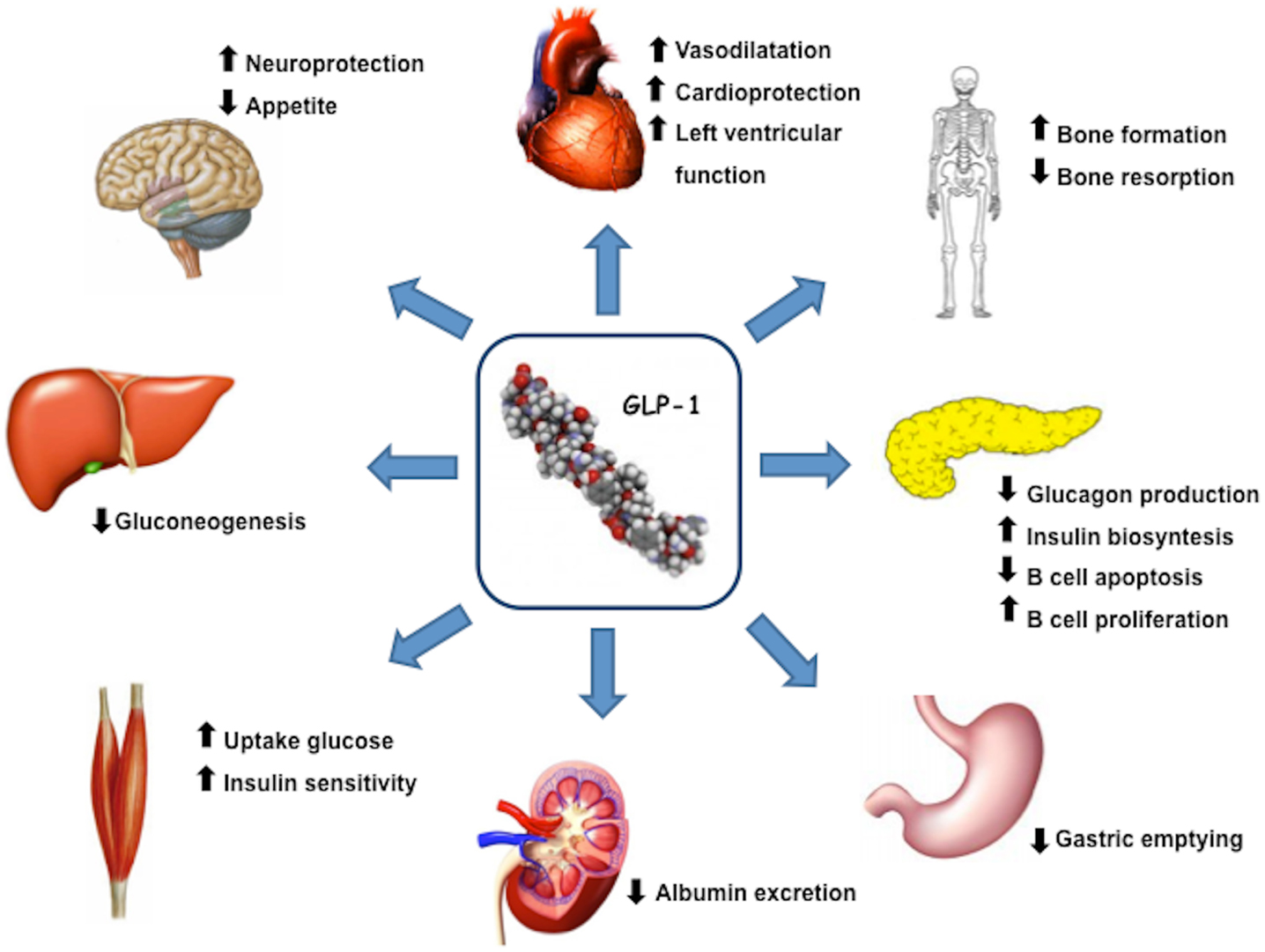
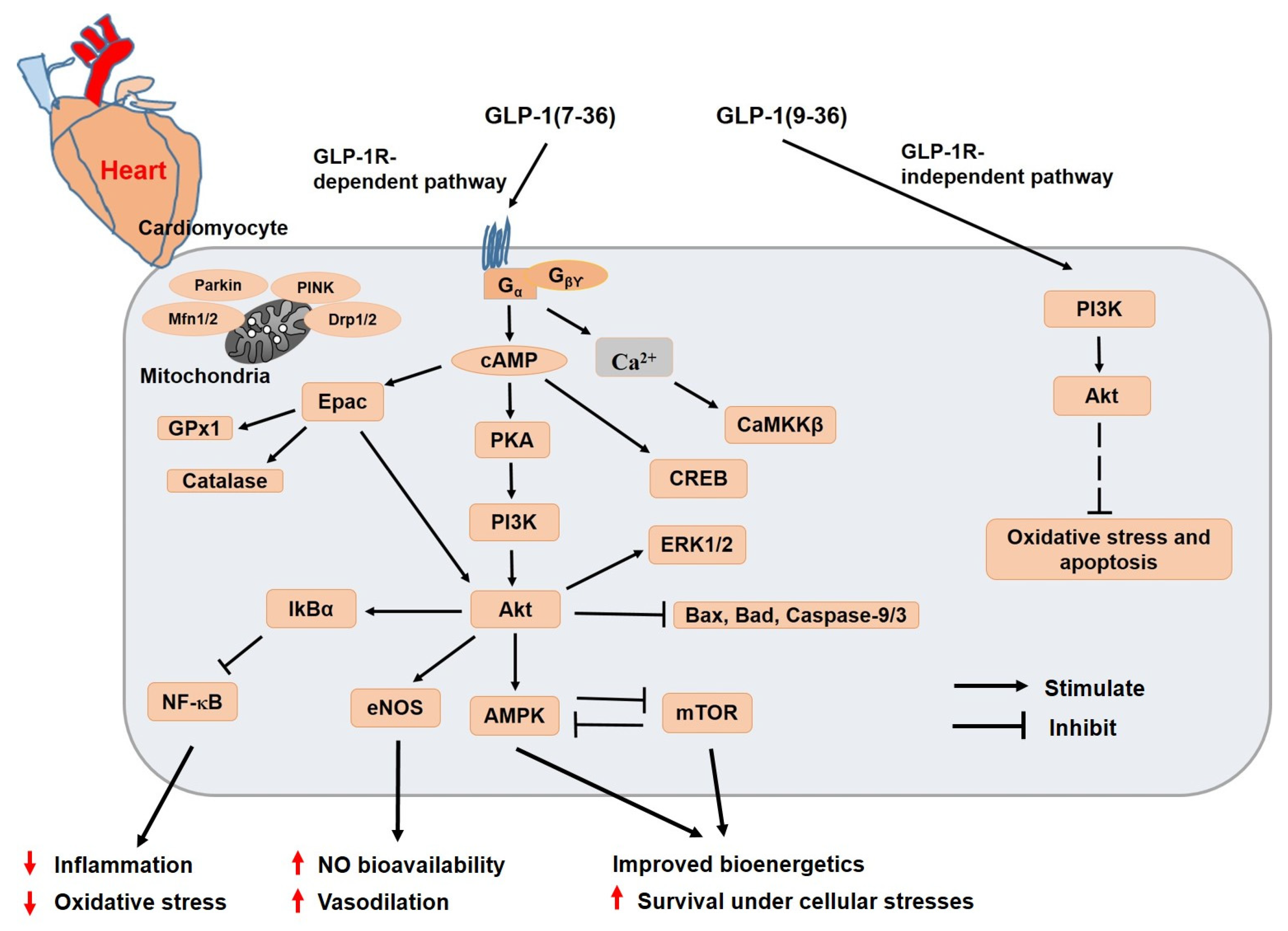
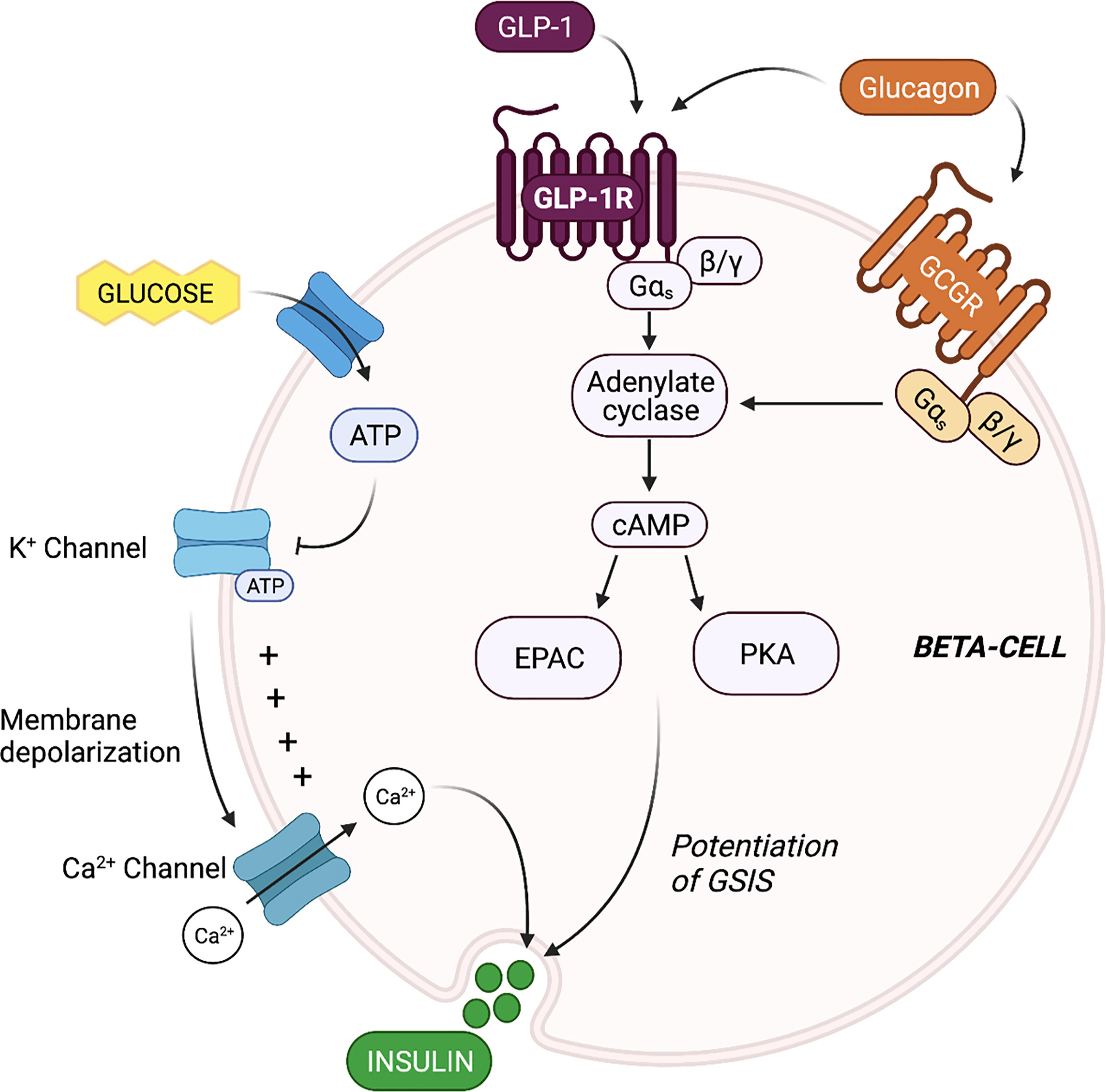
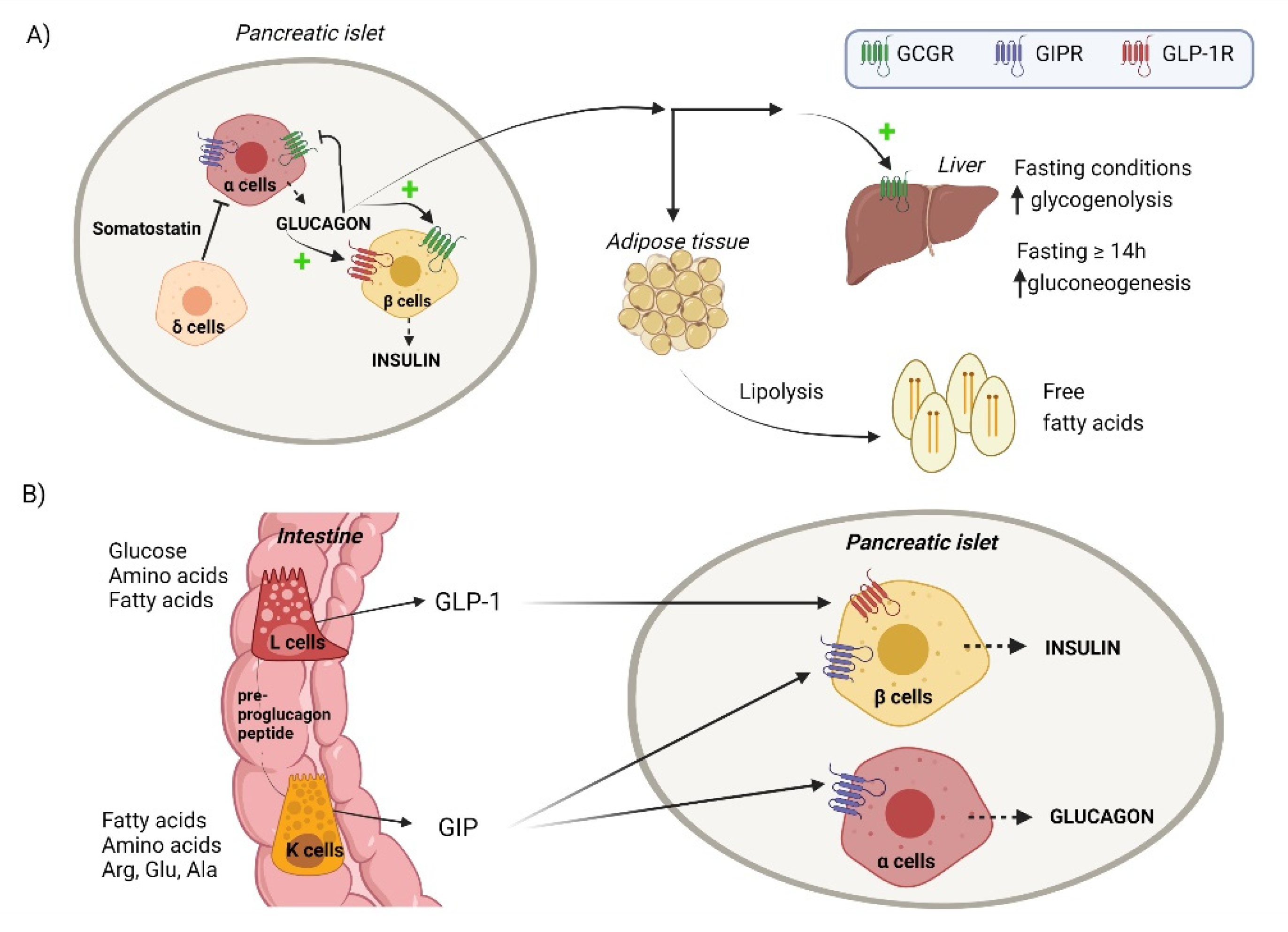
GLP-1 is a hormone produced in the intestinal tract that plays a crucial role in regulating blood sugar levels. It stimulates the release of insulin and reduces the release of glucagon, making it an essential component in glucose homeostasis. GLP-1 receptors are also found on skeletal muscle cells, which are responsible for glucose uptake and utilization. Activating these receptors has been shown to enhance muscle insulin sensitivity, which can lead to improved glycemic control.

GLP-1 Agonist Effects on Muscle Insulin Sensitivity
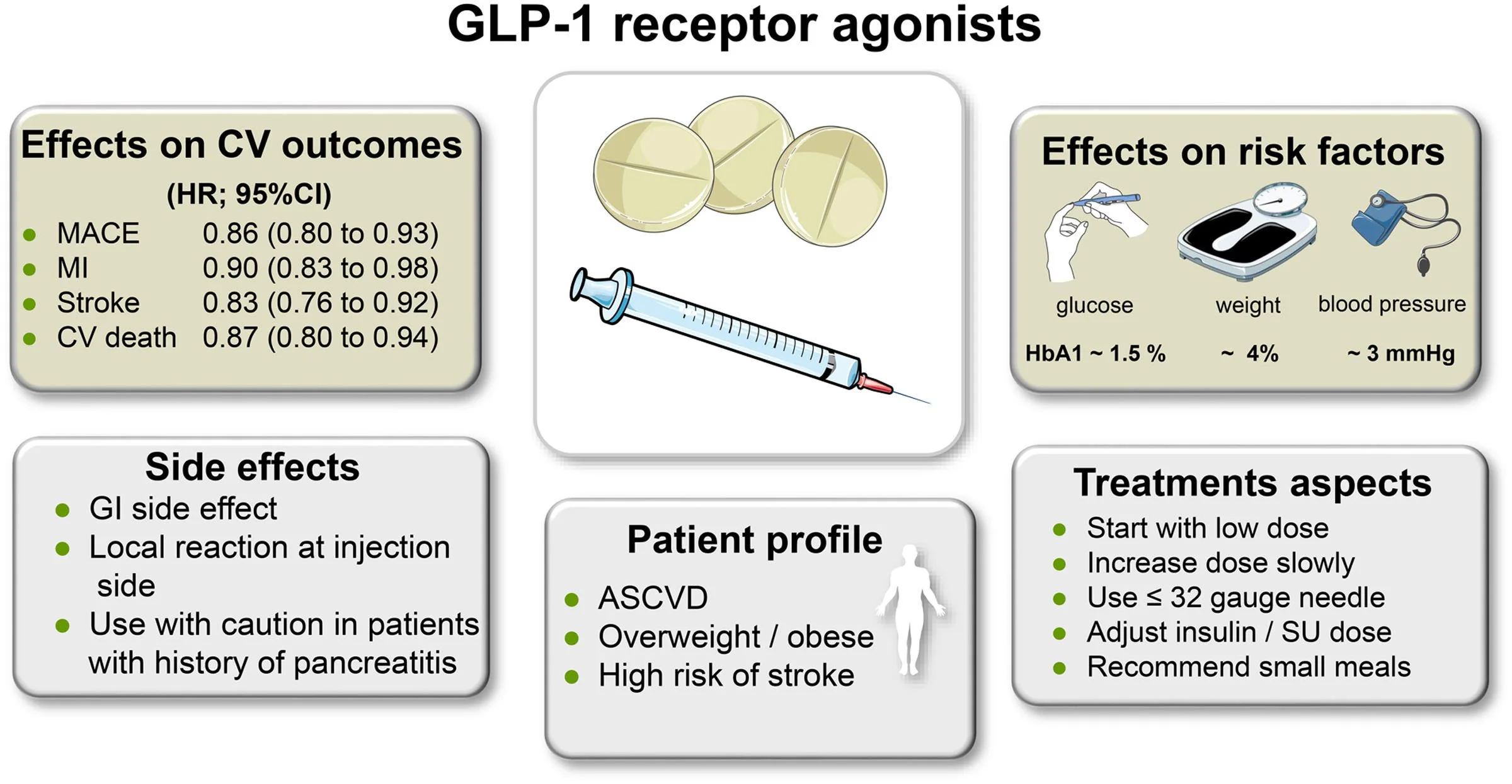
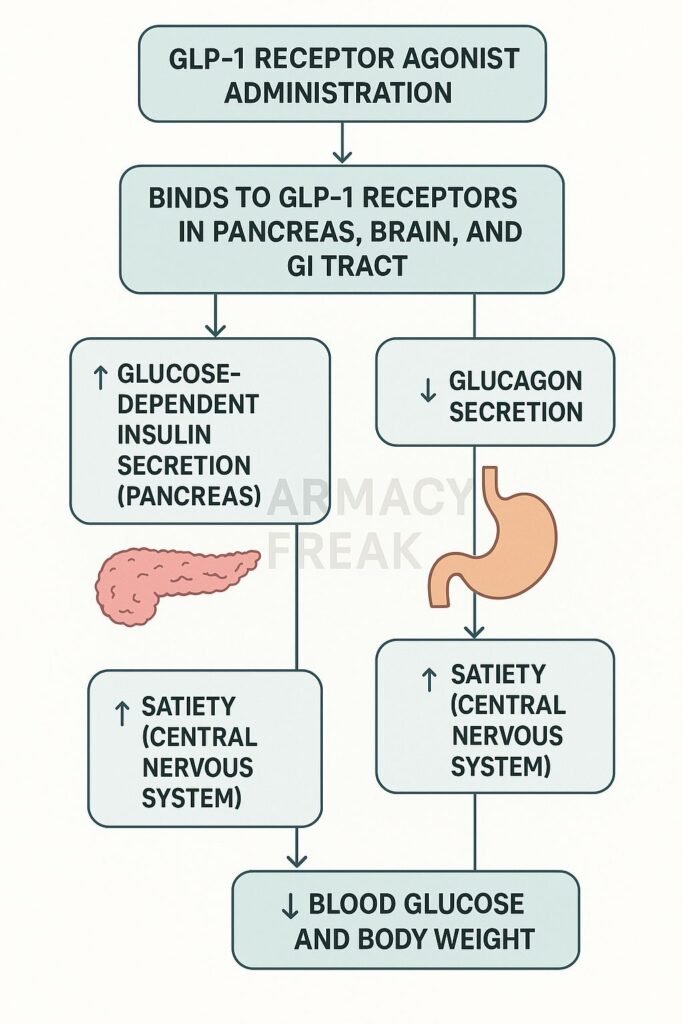
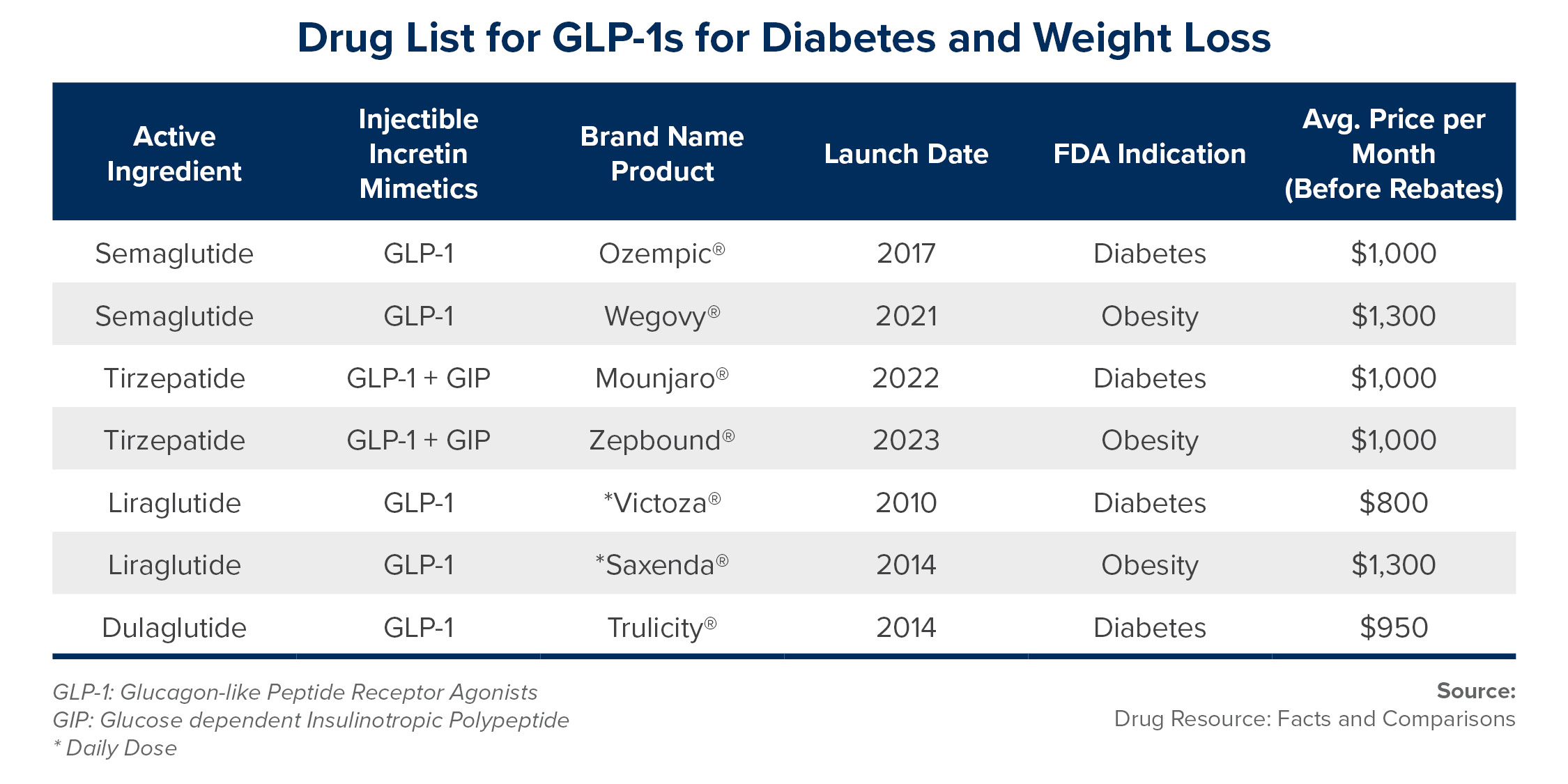
GLP-1 RAs like semaglutide, liraglutide, and tirzepatide have been shown to improve muscle insulin sensitivity in various studies. These medications work by mimicking the action of GLP-1, binding to the GLP-1 receptor, and enhancing glucose-dependent insulin secretion, suppressing glucagon release, and delaying gastric emptying. This combination of effects has been shown to reduce blood sugar levels and improve insulin sensitivity in muscle tissue.