GLP-1 Analogues and Fighting Weakness and Calorie Management
For individuals struggling with obesity and type 2 diabetes, managing calorie intake and addressing weakness can be overwhelming tasks. The introduction of GLP-1 (Glucagon-Like Peptide-1) analogues has revolutionized the treatment of these conditions, providing a powerful tool for addressing both hunger and calorie consumption. In this article, we'll delve into the world of GLP-1 analogues, exploring their benefits, how they work, and their potential to combat weakness and calorie management.
What are GLP-1 Analogues?
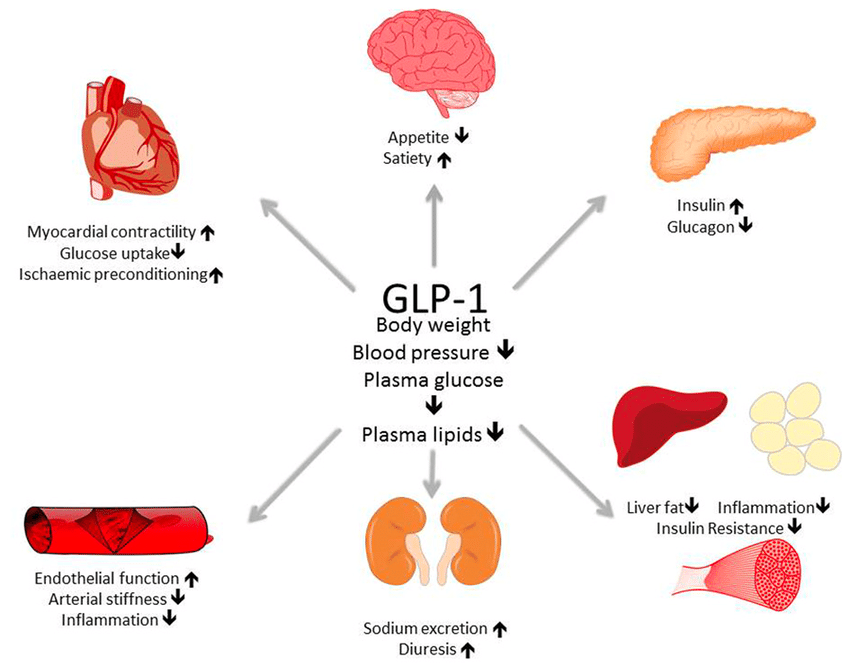
GLP-1 analogues are a class of medications that mimic the action of the natural hormone GLP-1, which is released in response to food intake. GLP-1 plays a crucial role in regulating appetite, insulin secretion, and glucose metabolism. The GLP-1 receptor agonists (GLP-1RAs) are used to treat type 2 diabetes and obesity by mimicking the action of GLP-1 in the body.
How Do GLP-1 Analogues Work?
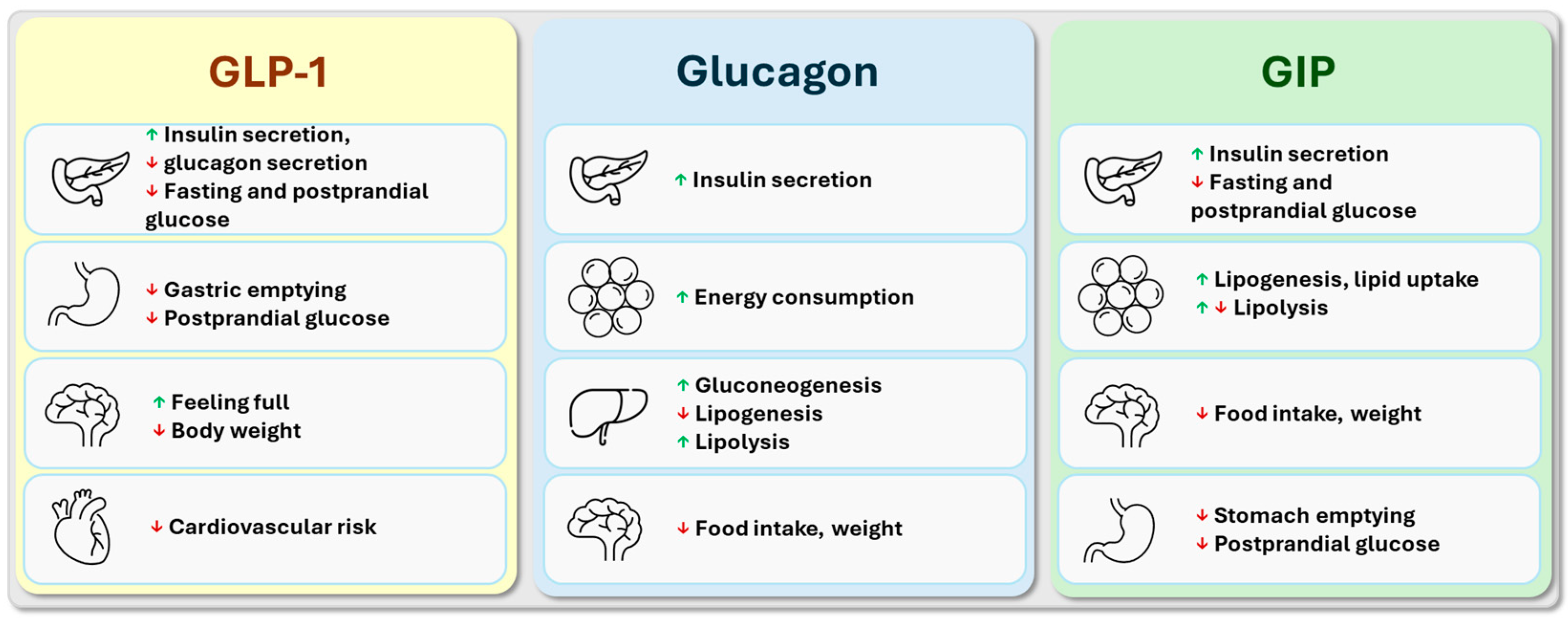
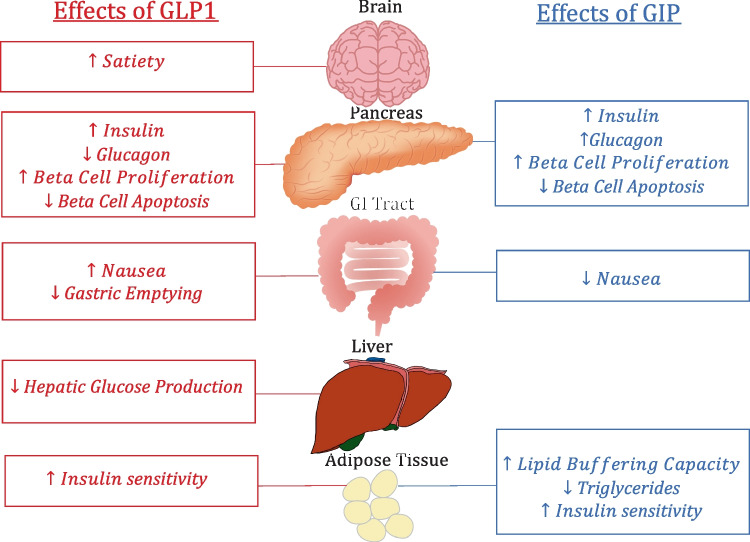
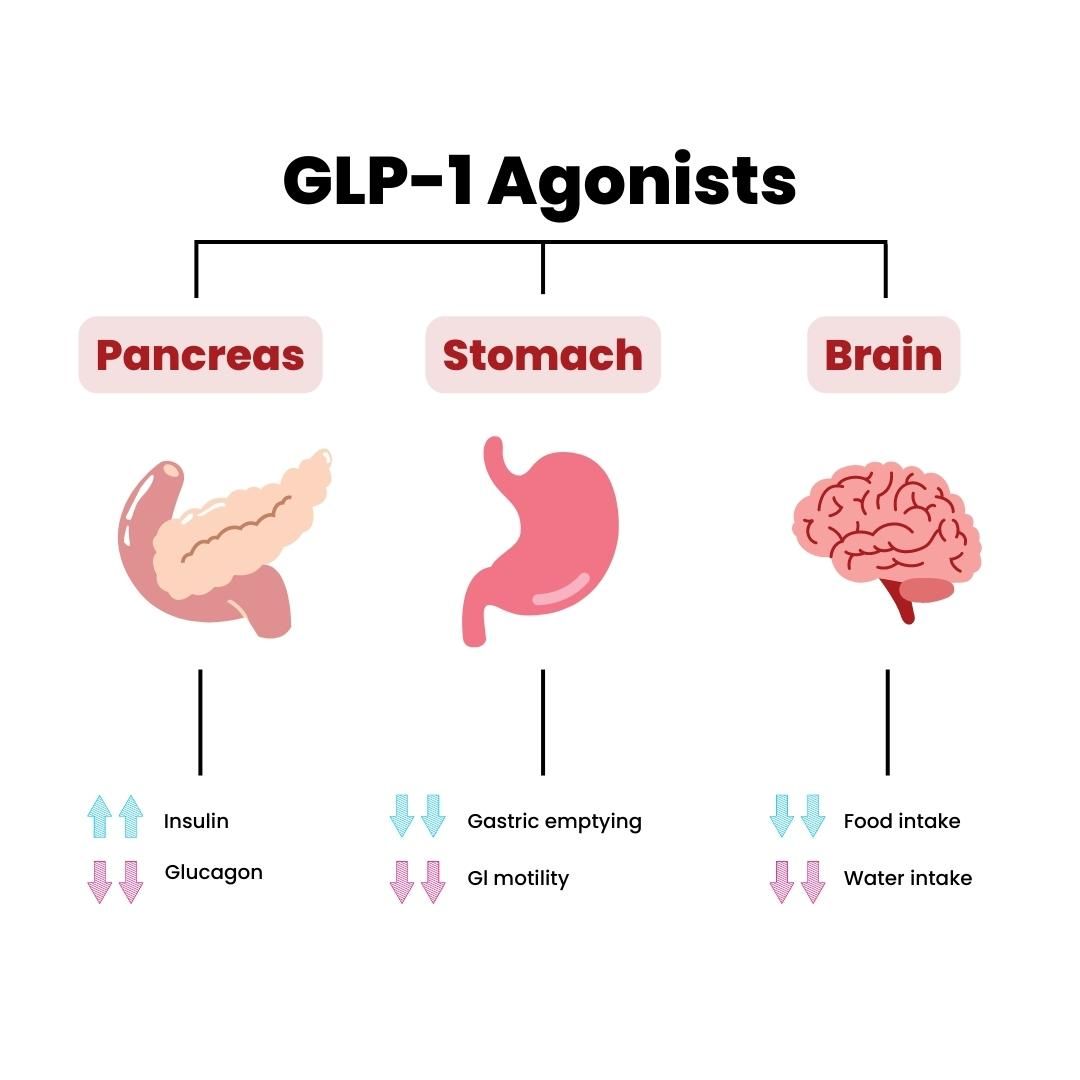
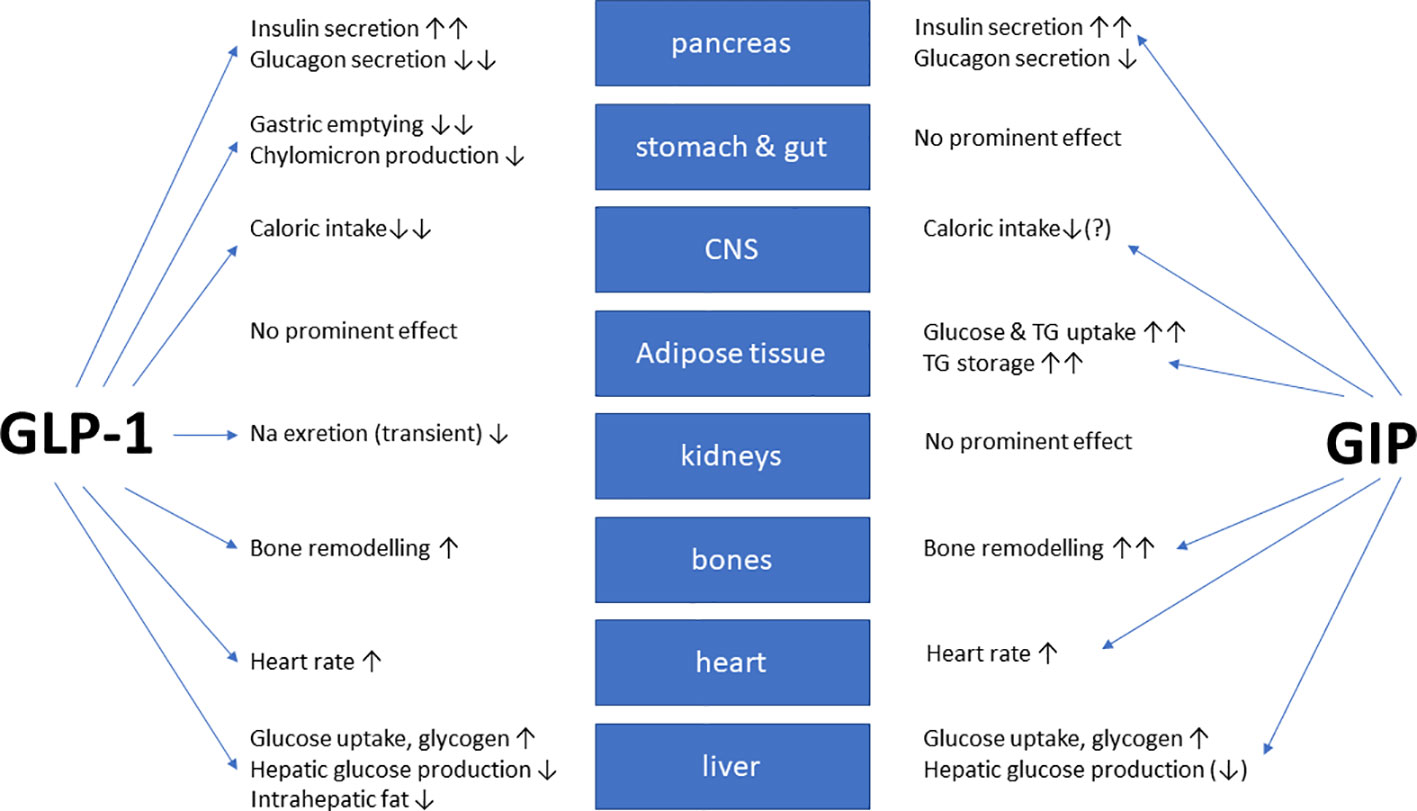
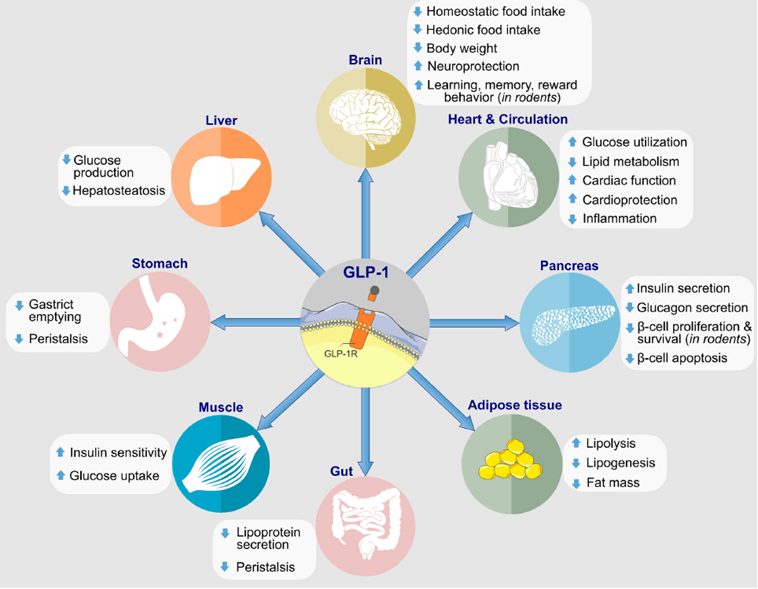
GLP-1 analogues work by binding to the GLP-1 receptor, which is found in the pancreas, stomach, and brain. This binding action triggers a series of reactions that lead to:
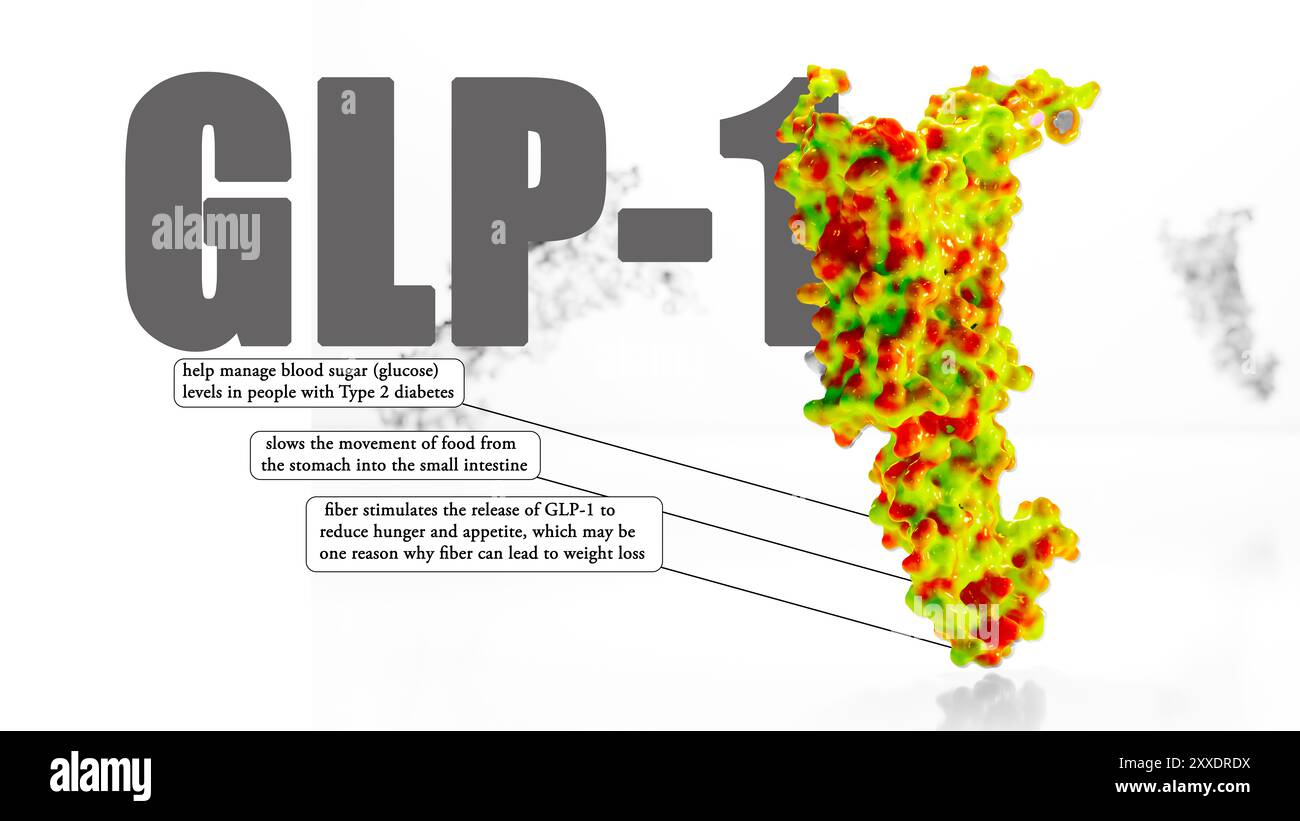
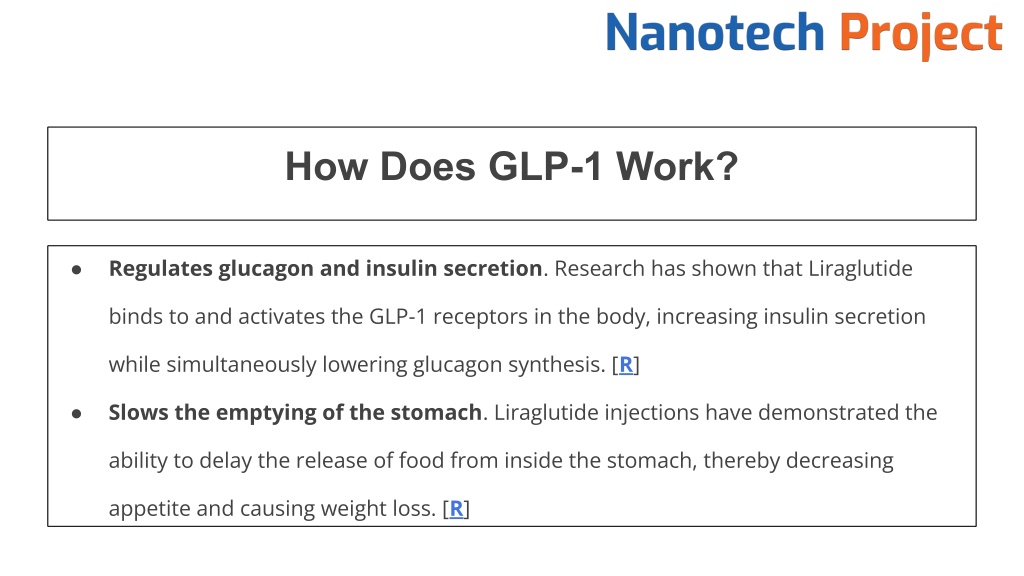
- Delayed gastric emptying: GLP-1 analogues slow down the movement of food from the stomach to the small intestine, reducing the feeling of hunger.
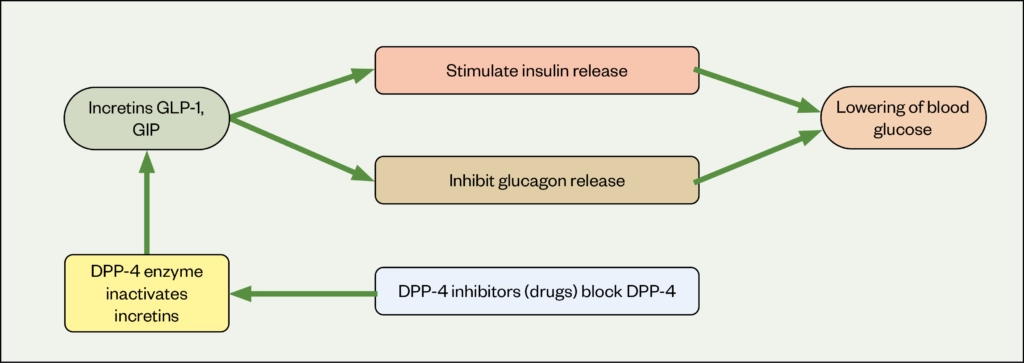
- Increased insulin secretion: GLP-1 analogues stimulate the release of insulin, which helps to regulate blood sugar levels.
- Reduced glucagon secretion: GLP-1 analogues decrease the release of glucagon, a hormone that raises blood sugar levels.
- Increased feelings of fullness: GLP-1 analogues reduce hunger and increase feelings of fullness, making it easier to manage calorie intake.