GLP-1 Analogues and Protein Powder: A Comprehensive Guide
GLP-1 analogues and protein powder are two topics that are often discussed in the context of weight loss, nutrition, and digestive health. GLP-1 analogues, or glucagon-like peptide-1 analogues, are synthetic medications that mimic the naturally occurring hormone GLP-1. This hormone plays a crucial role in regulating blood sugar levels, appetite, and metabolism. In recent years, protein powder has become a popular supplement among individuals looking to support their weight loss goals, improve muscle mass, and enhance overall health. In this article, we will explore the relationship between GLP-1 analogues and protein powder, and provide practical tips and recommendations for those using these medications and supplements.
What are GLP-1 Analogues?
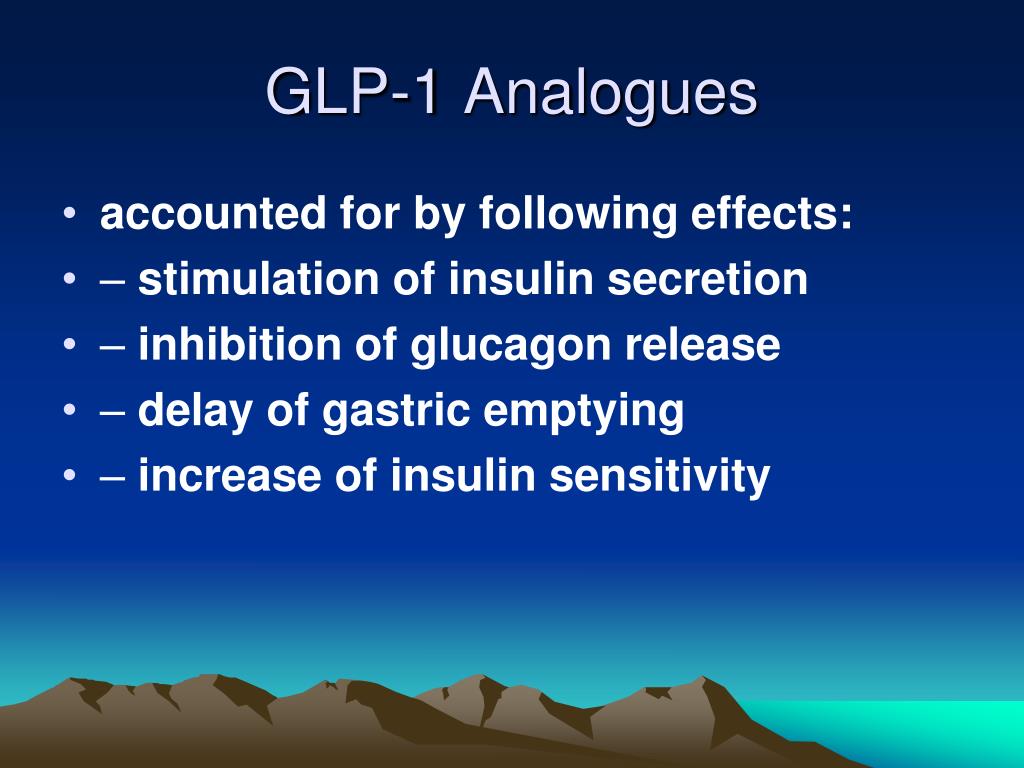
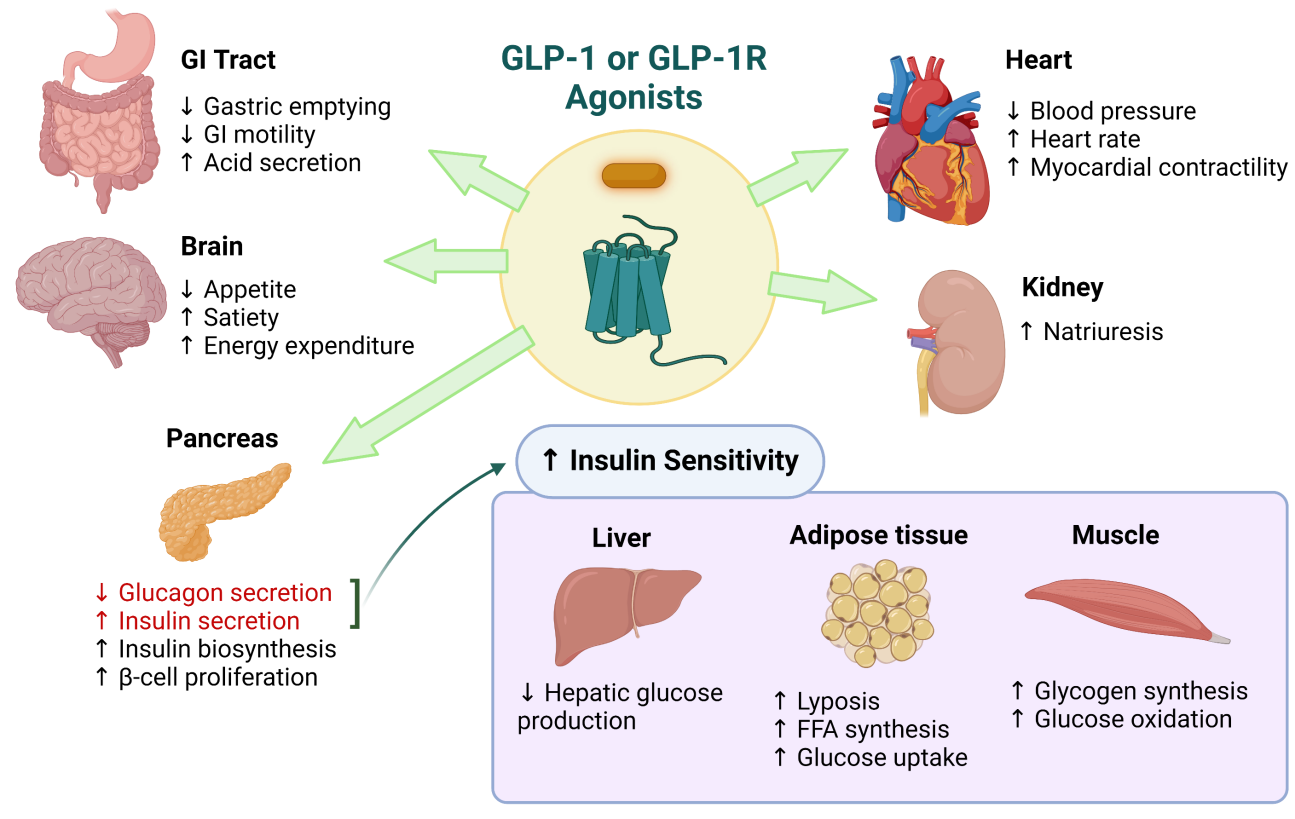
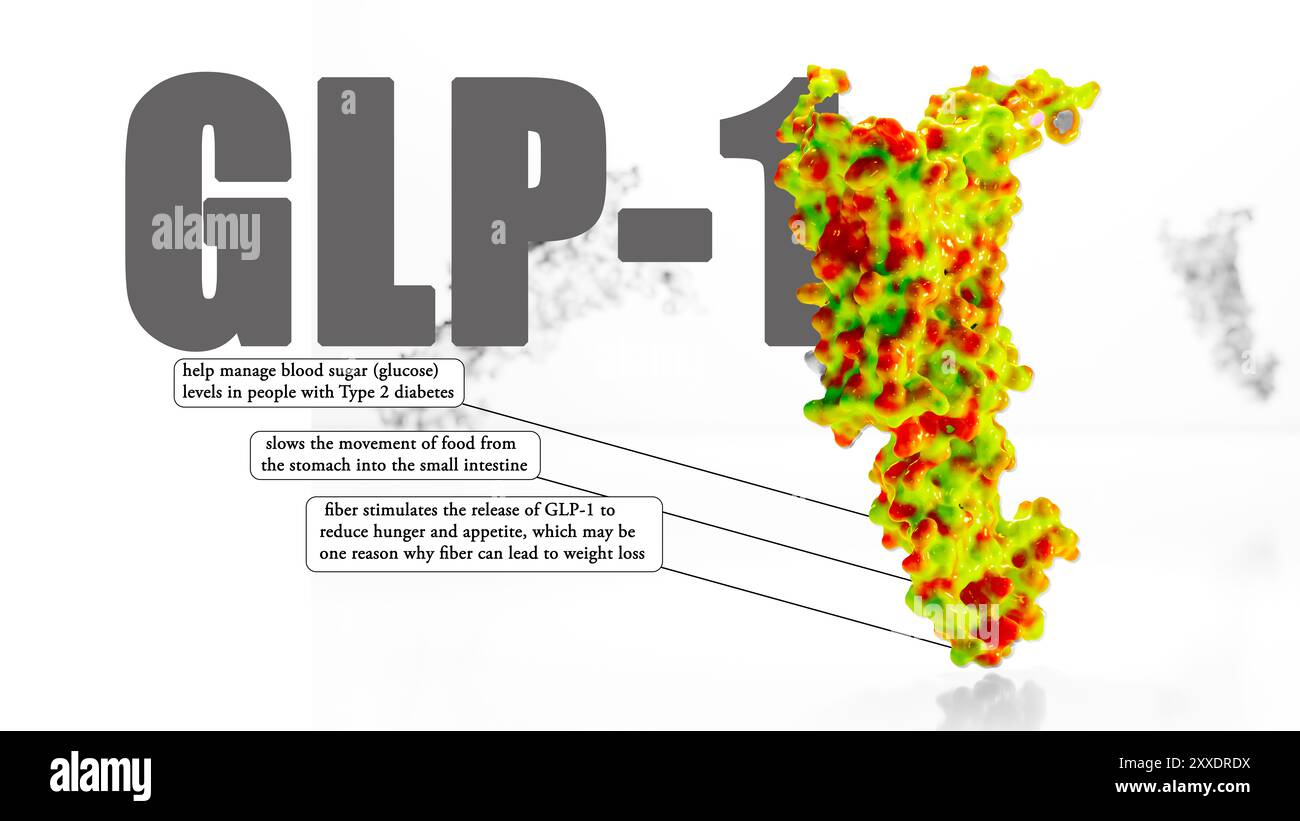
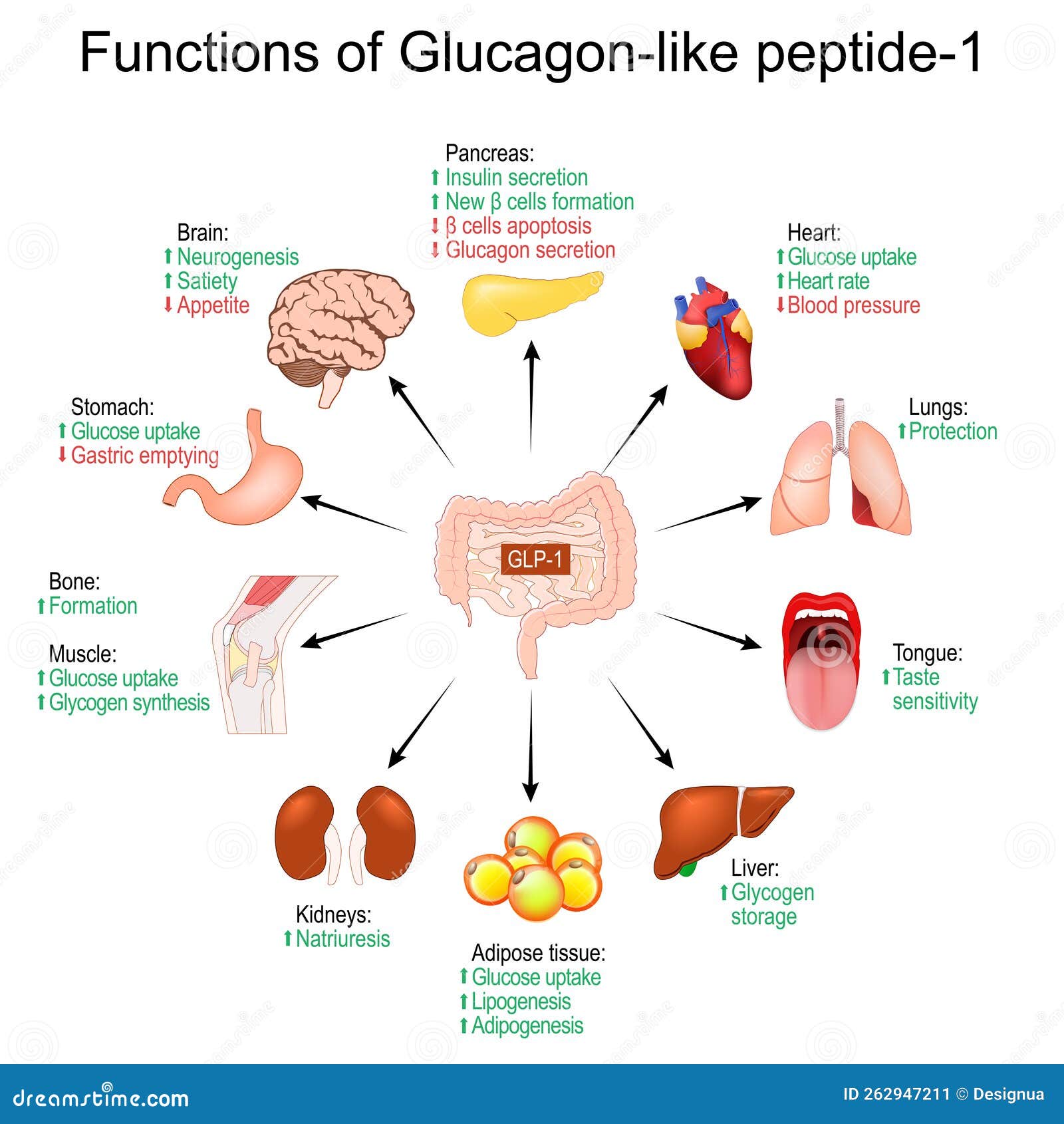
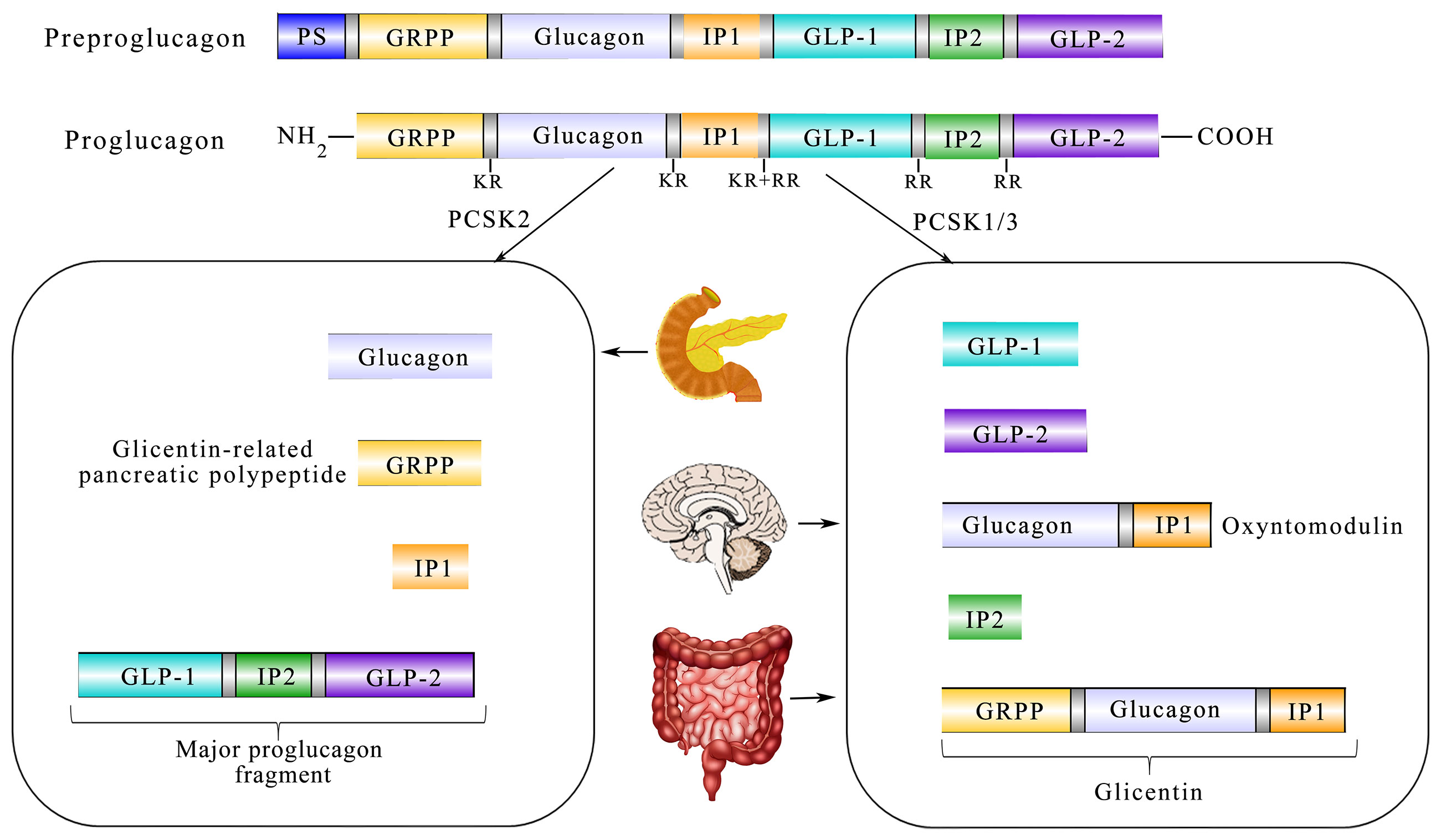
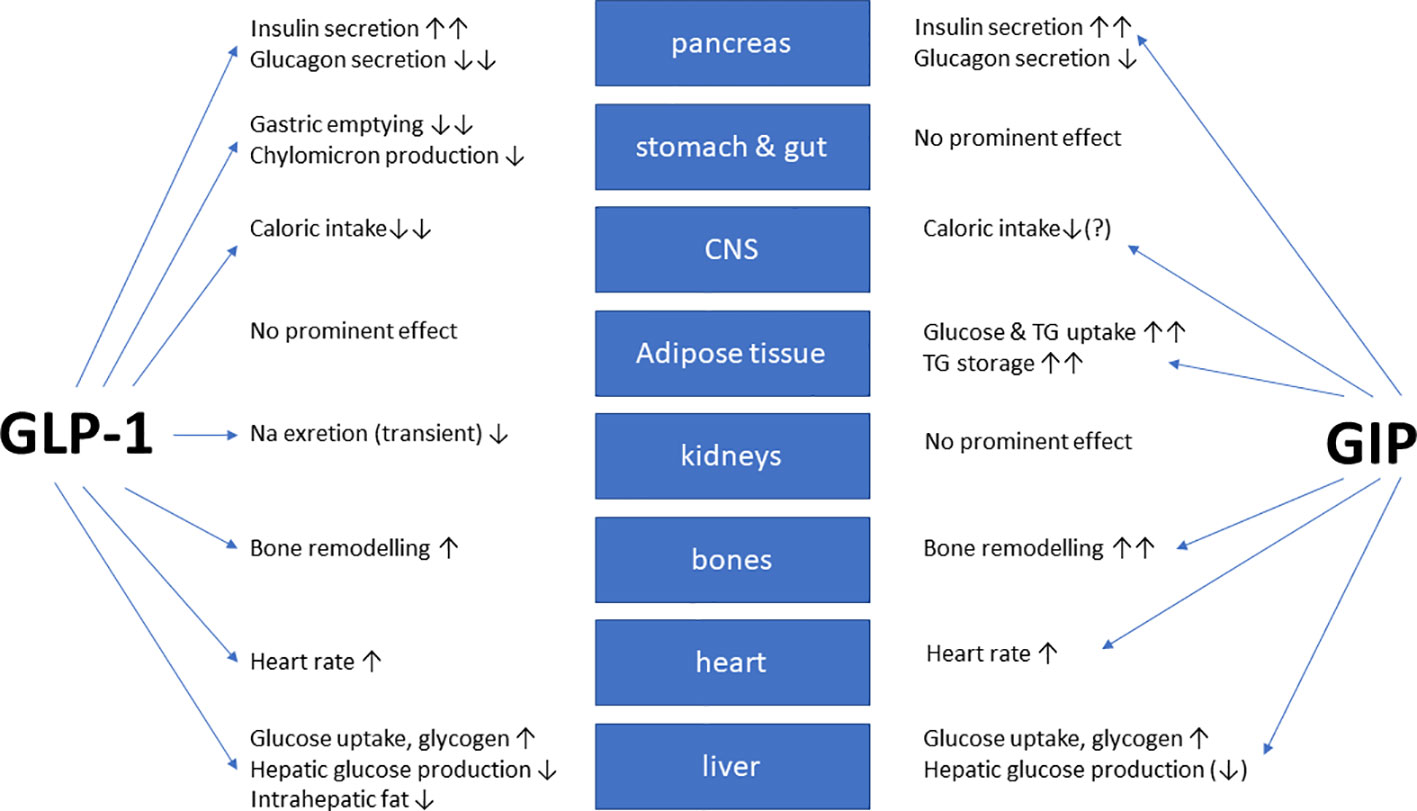
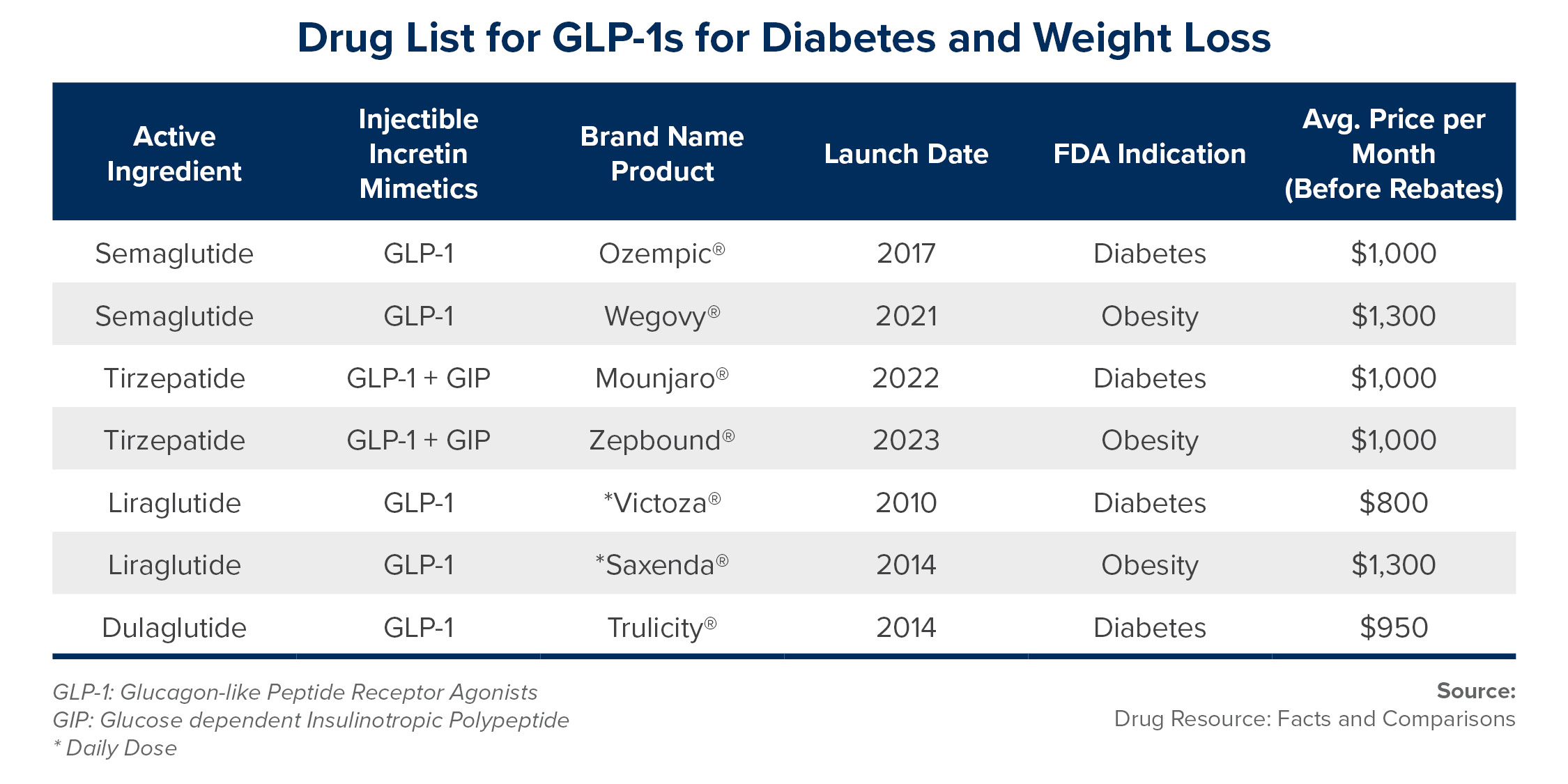
GLP-1 analogues are synthetic medications that are designed to mimic the effects of the naturally occurring hormone GLP-1. GLP-1 is a peptide hormone that is produced by the intestine in response to food intake. It plays a crucial role in regulating blood sugar levels, appetite, and metabolism. GLP-1 analogues, such as semaglutide and liraglutide, are used to treat type 2 diabetes, obesity, and other metabolic disorders.

The Role of Protein Powder in GLP-1 Medication Users
Protein powder has become a popular supplement among individuals using GLP-1 analogues. These medications can suppress appetite and cause nausea, making it difficult to consume enough protein and other essential nutrients. Protein powder can help to bridge the nutritional gap, providing a convenient and easily digestible source of protein. In addition, protein powder can help to support muscle mass and overall health, which is essential for individuals using GLP-1 analogues.