Unlocking the Secrets of GLP-1 and Bone Health for Improved Calorie Regulation
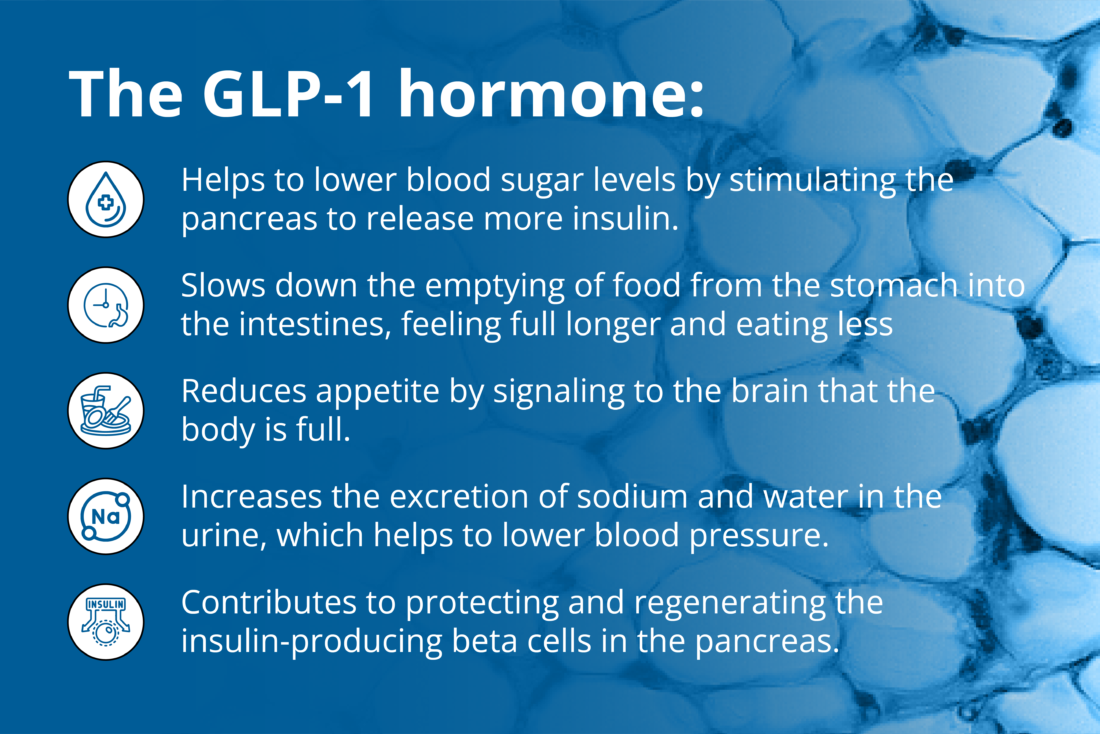
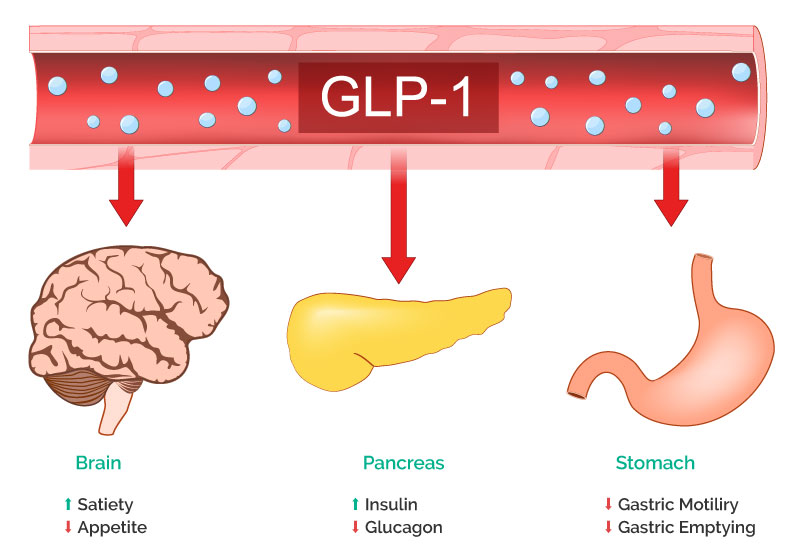
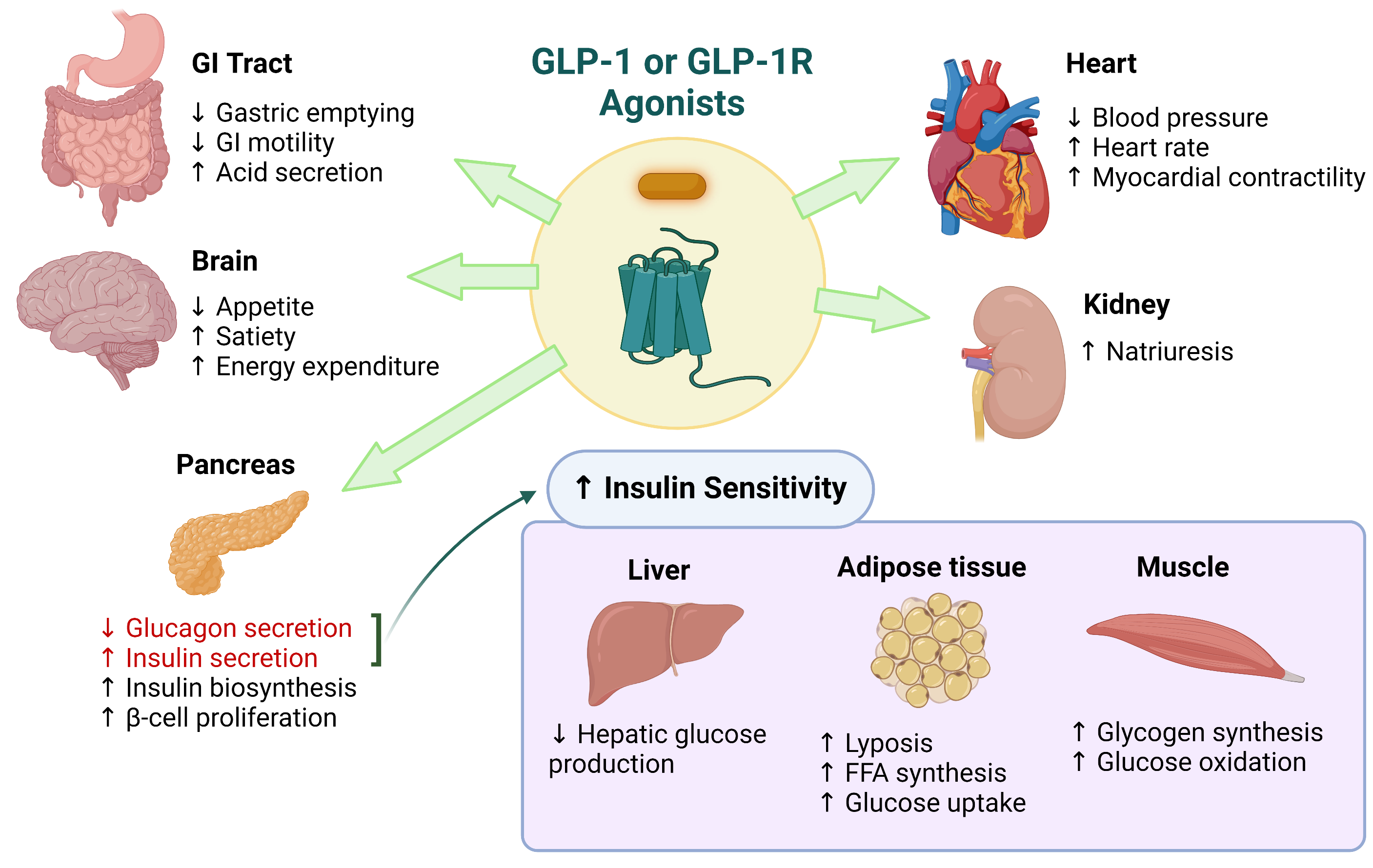
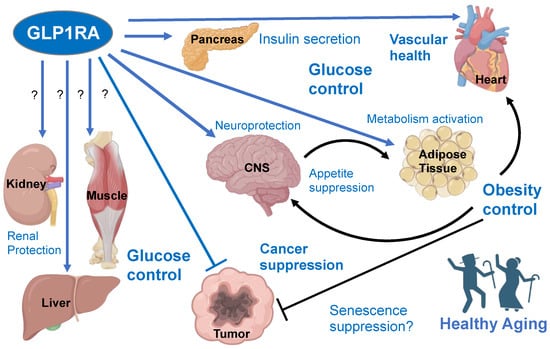
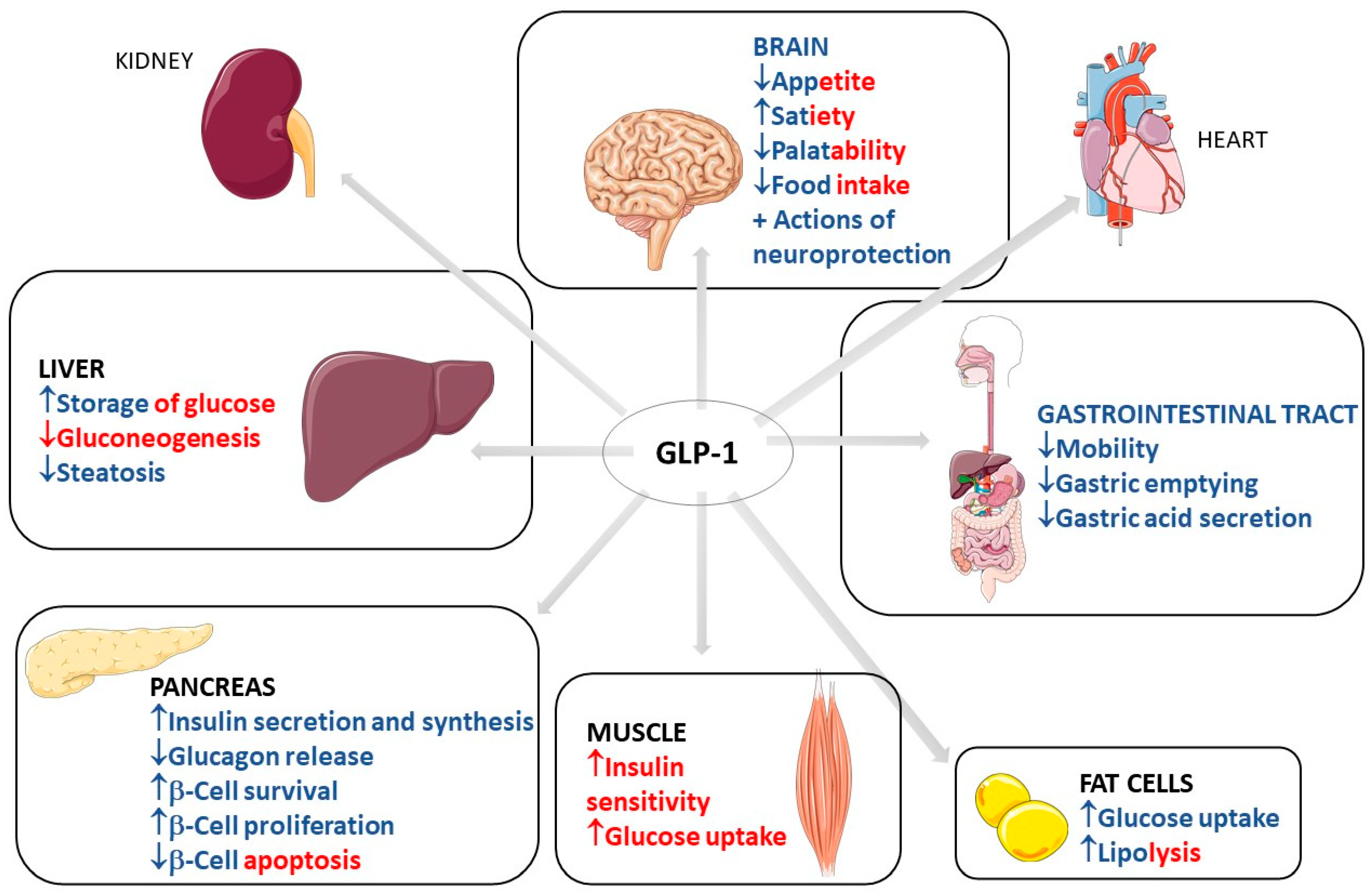
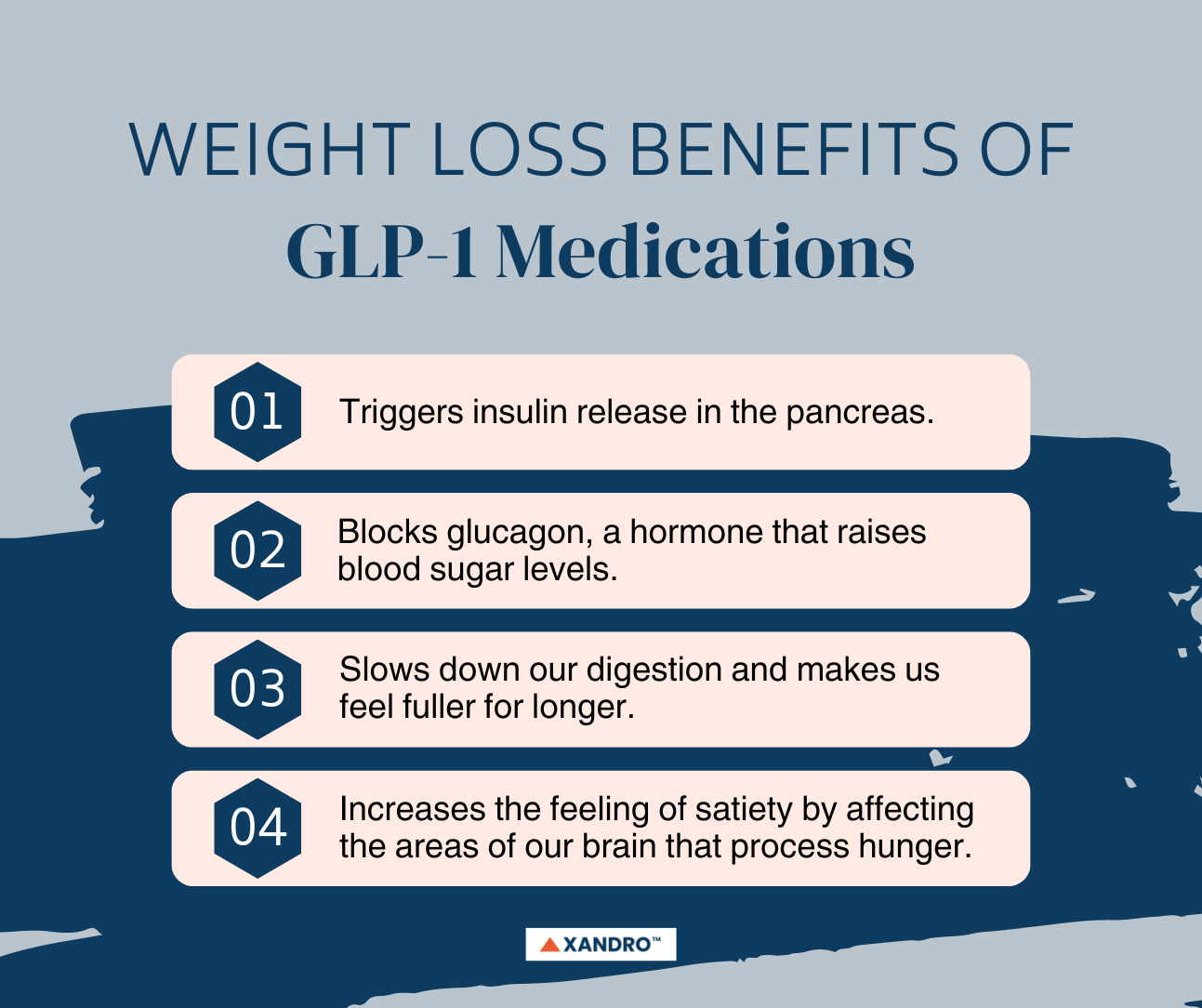
For individuals struggling with obesity and type 2 diabetes mellitus (T2DM), glucagon-like peptide-1 (GLP-1) receptor agonists (GLP-1RAs) have emerged as a promising therapeutic option. Initially developed for glycemic control in T2DM, GLP-1RAs have demonstrated substantial benefits in weight reduction and metabolic regulation. However, a crucial aspect of GLP-1 therapy remains understudied: its impact on bone health.
The Intersection of GLP-1 and Bone Health

Recent studies have highlighted the complex relationship between GLP-1 and bone health. GLP-1RAs have been found to affect bone mineral density (BMD), with some studies suggesting a potential increase in BMD while others report a decrease. The mechanisms underlying these effects are multifaceted and involve various pathways, including the regulation of bone metabolism and the suppression of inflammation.
- The GLP-1 receptor agonists have been shown to influence bone metabolism by promoting the expression of osteoblasts, which are responsible for bone formation.
- GLP-1RAs have also been found to suppress inflammation, which is a key factor in the development of osteoporosis.
- However, some studies have reported a decrease in BMD in response to GLP-1RA treatment, which may be related to the reduction in body weight and the loss of muscle mass.