GLP-1 and Diet Planning for PCOS: A Comprehensive Guide
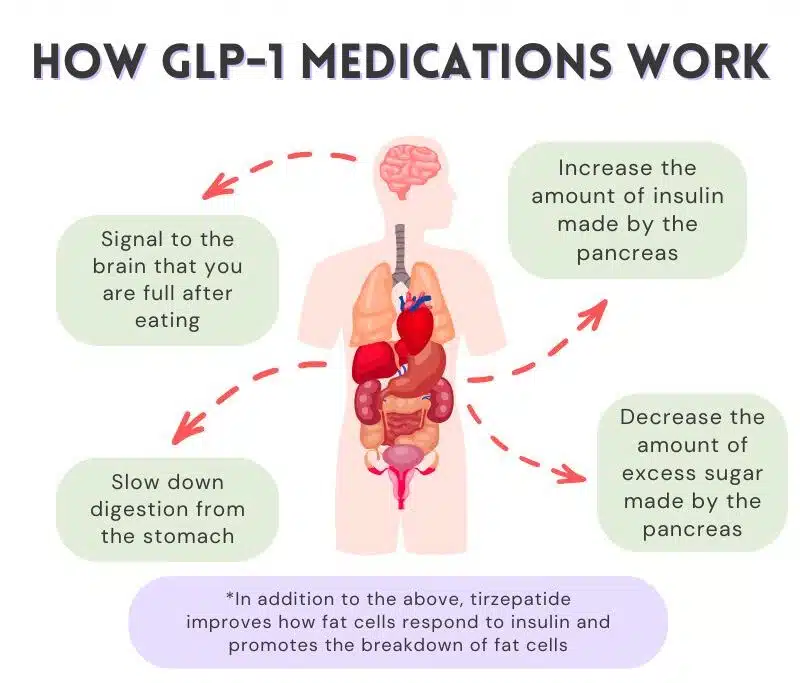
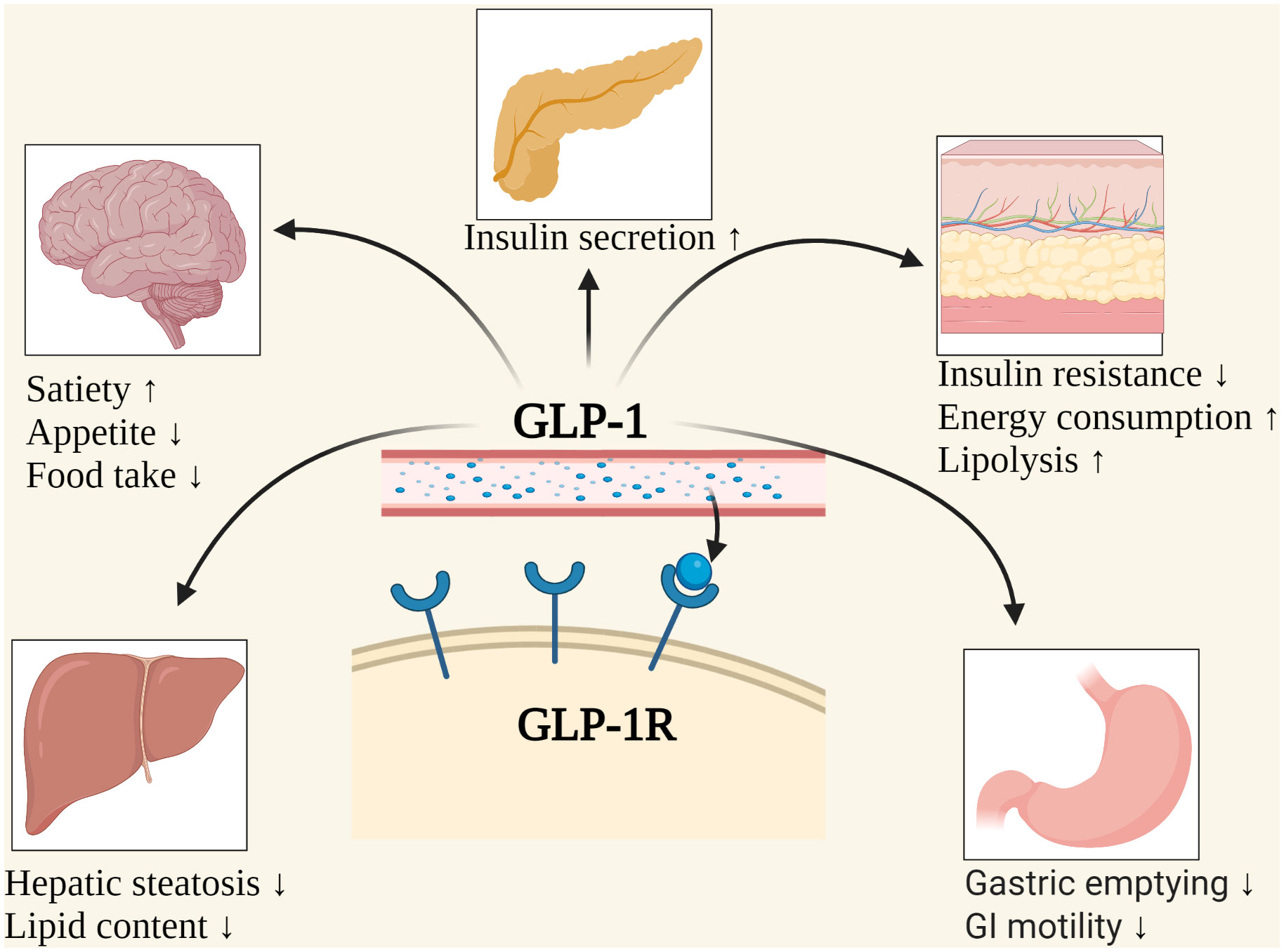
The use of glucagon-like peptide-1 (GLP-1) receptor agonists (GLP-1RAs) has been increasingly explored for the management of polycystic ovary syndrome (PCOS), a complex endocrine disorder affecting women of reproductive age. The exact mechanisms by which GLP-1RAs exert their effects on PCOS remain to be fully elucidated, but several hypotheses have been proposed.
GLP-1RAs and PCOS: Clinical Studies
Numerous studies have been conducted on the use of liraglutide for weight loss in women with PCOS. These studies have reported significant reductions in body weight, improved insulin sensitivity, and enhanced metabolic profiles. However, the exact mechanisms by which GLP-1RAs exert their effects on PCOS are not fully understood, and further research is needed to fully elucidate their potential benefits and limitations.
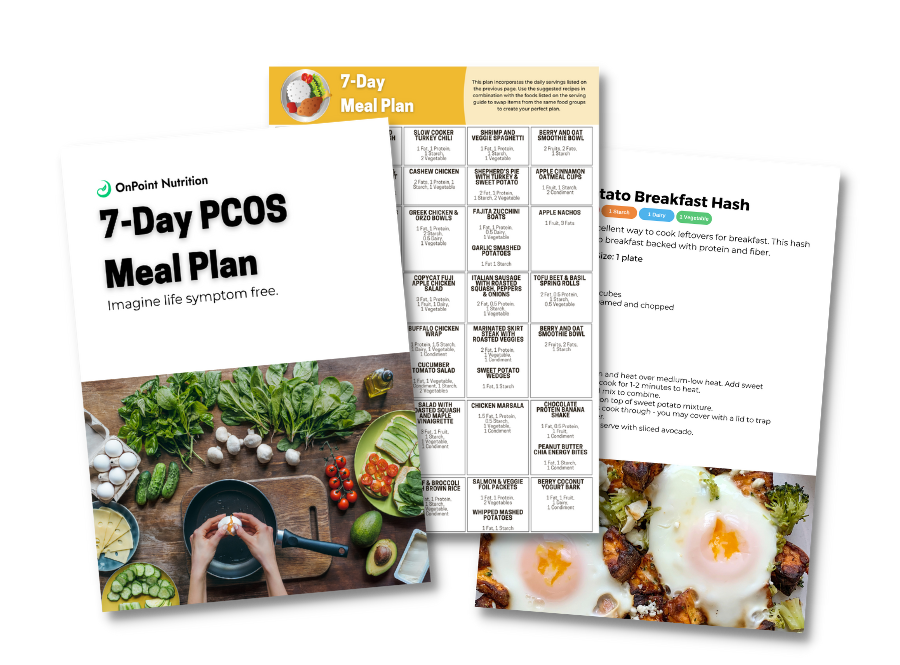
Diet Planning for PCOS with GLP-1RAs
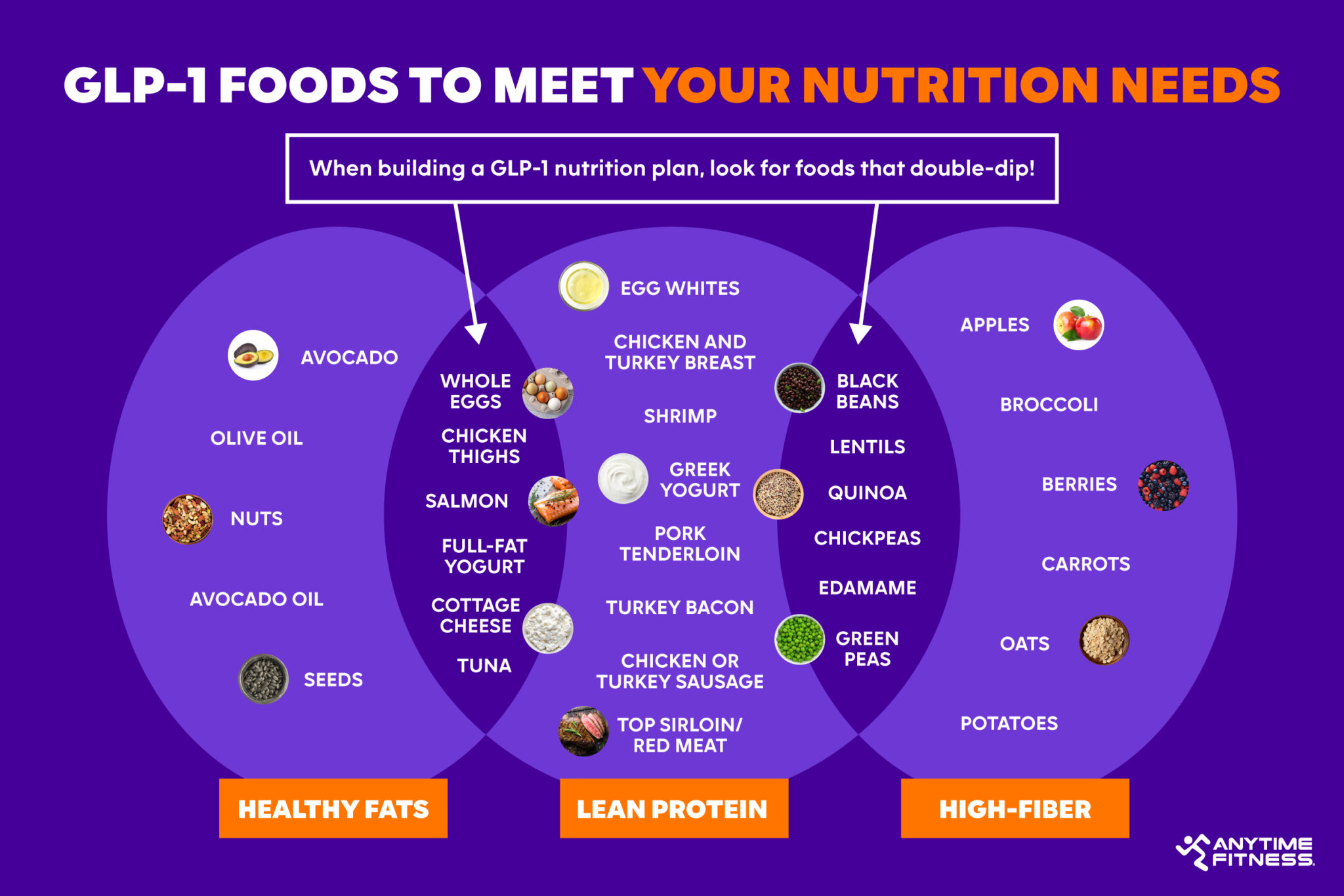
When used in conjunction with diet planning, GLP-1RAs may offer additional benefits for women with PCOS. A recent systematic literature review and meta-analysis found that GLP-1RAs were associated with significant reductions in body weight and improved metabolic markers in women with PCOS. However, individual responses to GLP-1RAs may vary, and reproductive planning requires careful discussion.
Key Considerations for GLP-1 and Diet Planning for PCOS
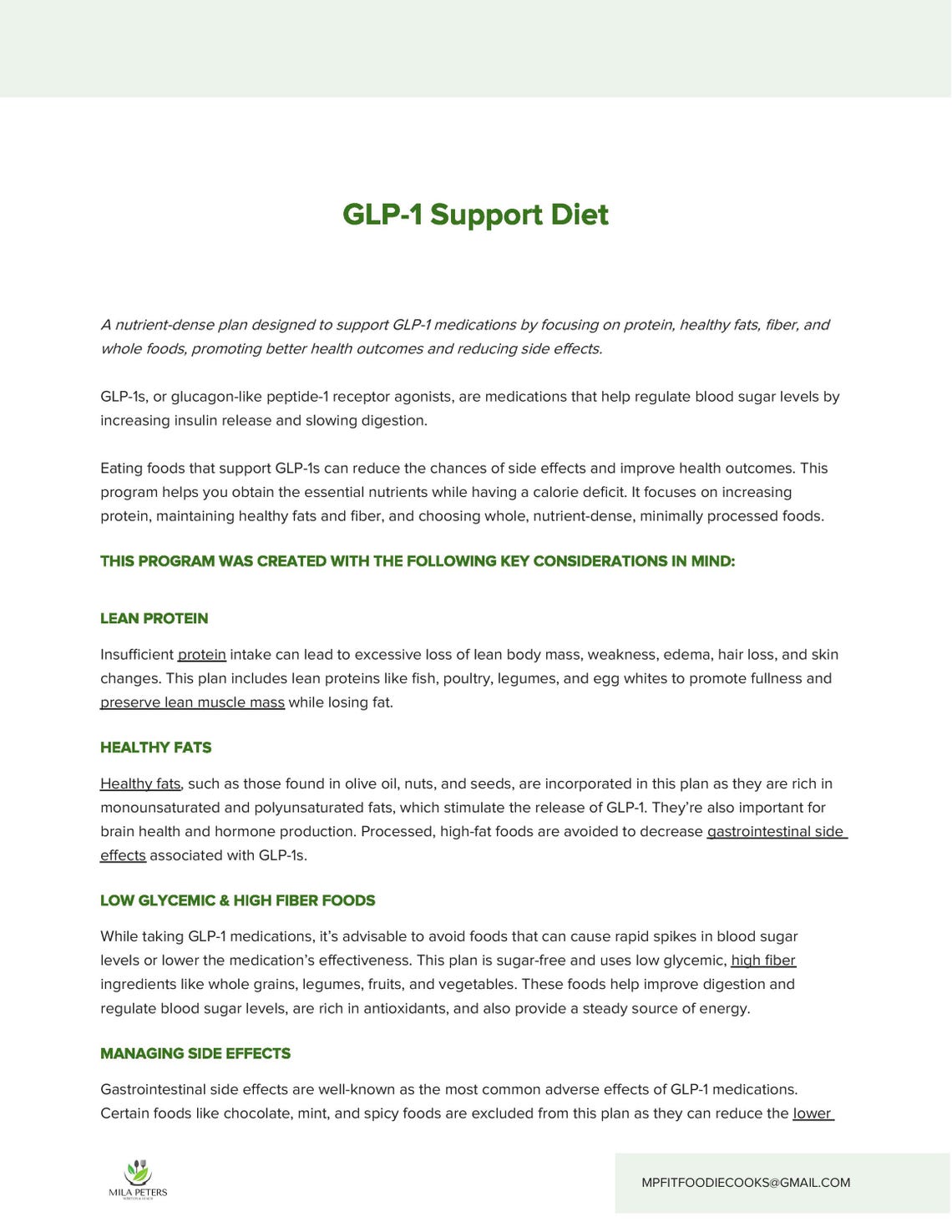
- Protein intake: Women with PCOS require a higher protein intake to support weight loss and improve insulin sensitivity. Aim for 90-120g of protein per day.
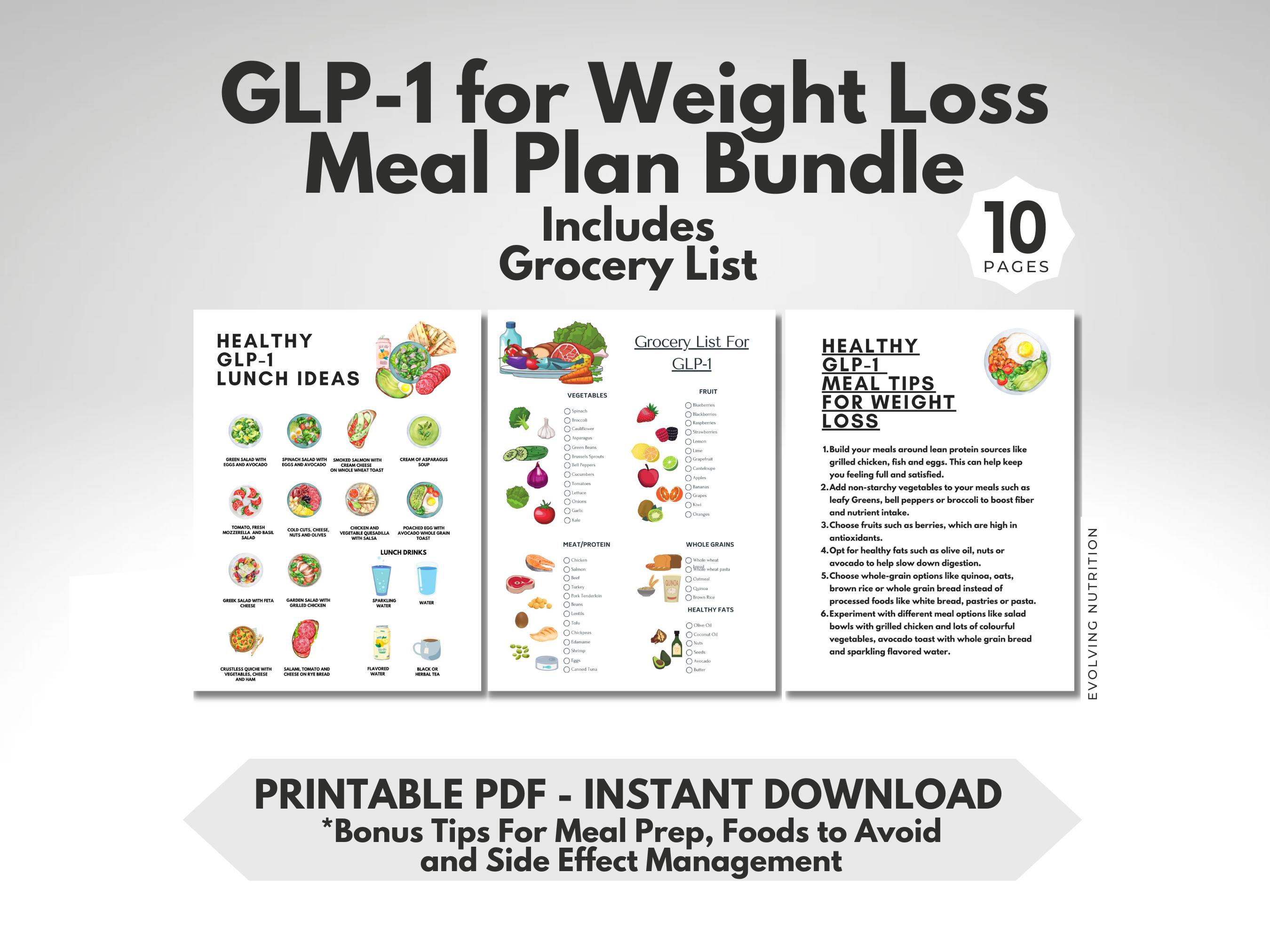
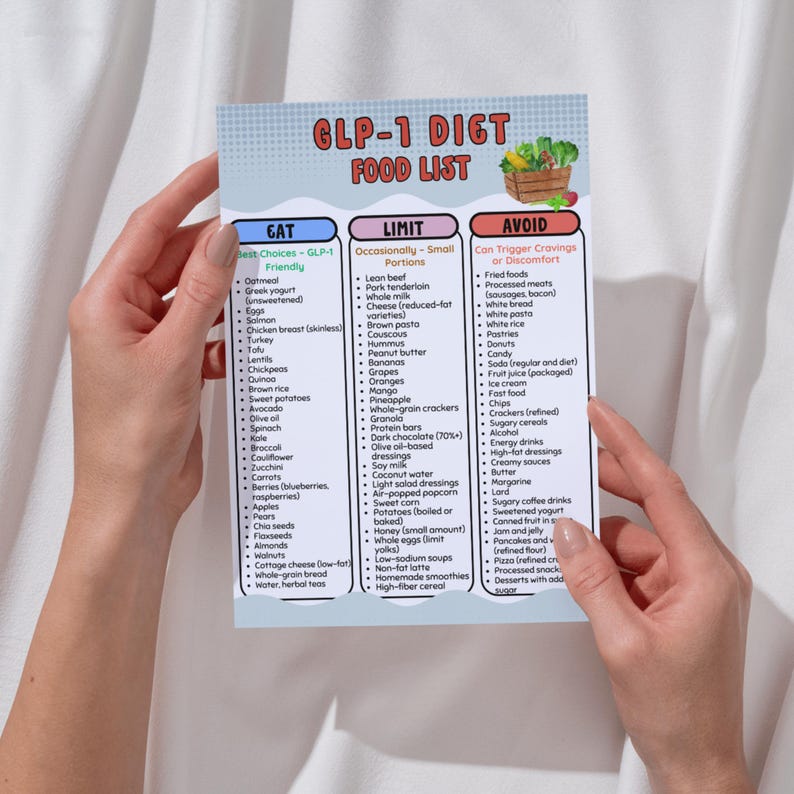
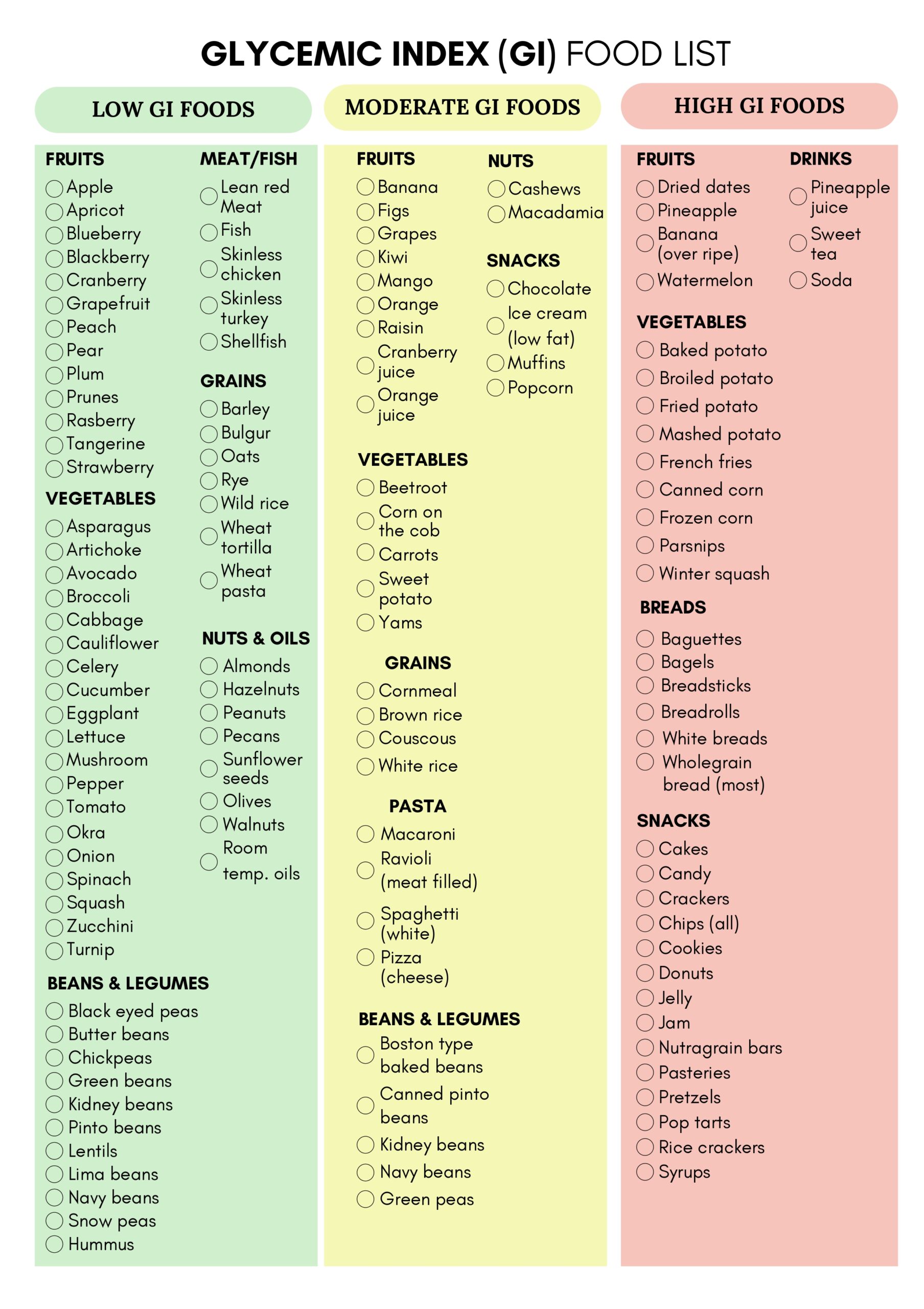
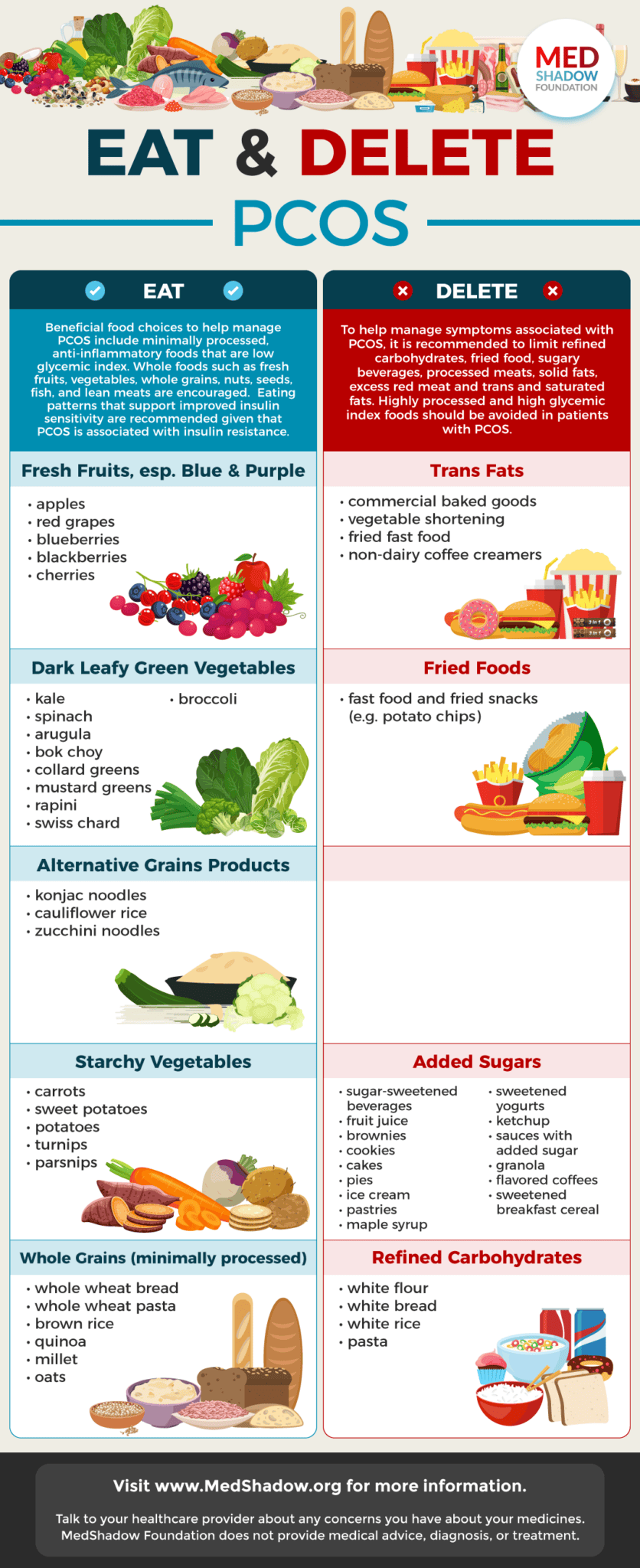
- Carb swaps: Focus on whole, unprocessed foods and limit refined carbohydrates to minimize blood sugar spikes.
- Anti-inflammatory foods: Include foods rich in omega-3 fatty acids, antioxidants, and polyphenols to reduce inflammation.
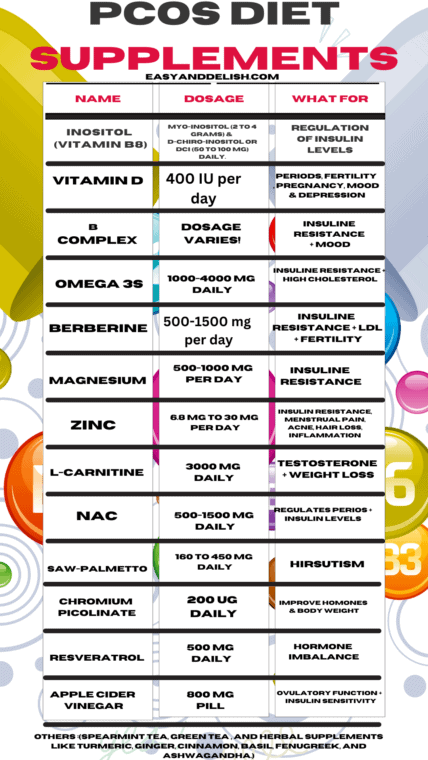
- Supplements: Certain supplements, such as omega-3 fatty acids and vitamin D, may be beneficial for women with PCOS.