GLP-1 and Insulin Hormone Balance: The Key to Blood Sugar Regulation
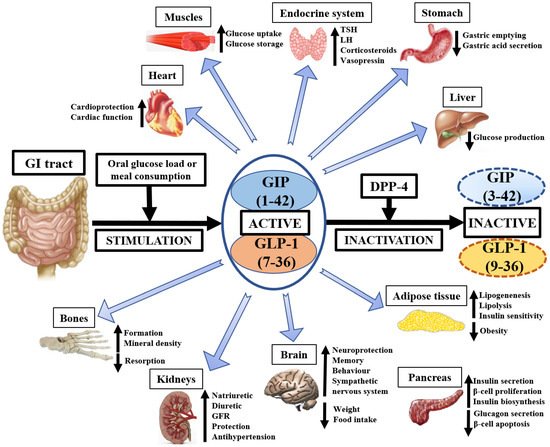
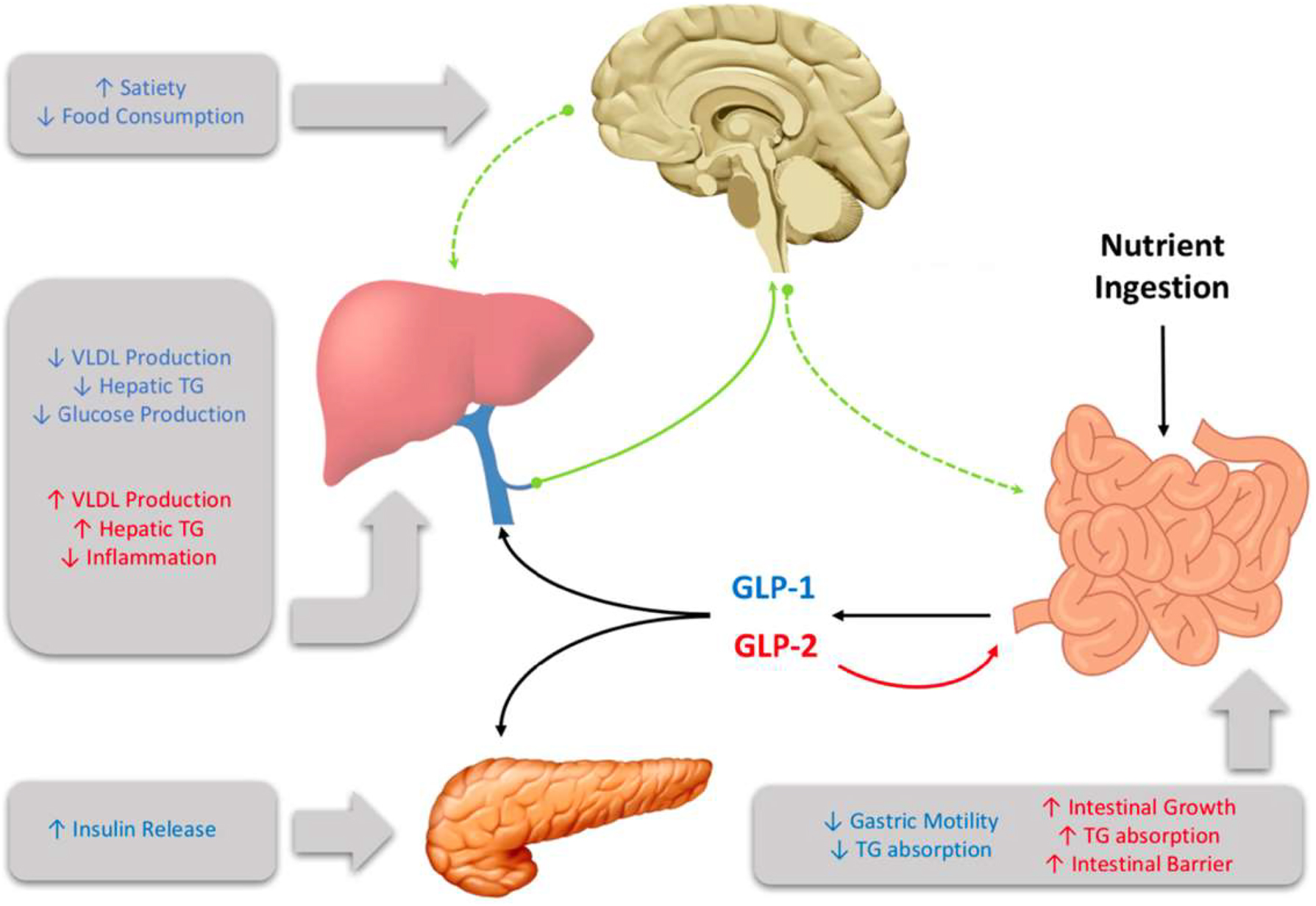
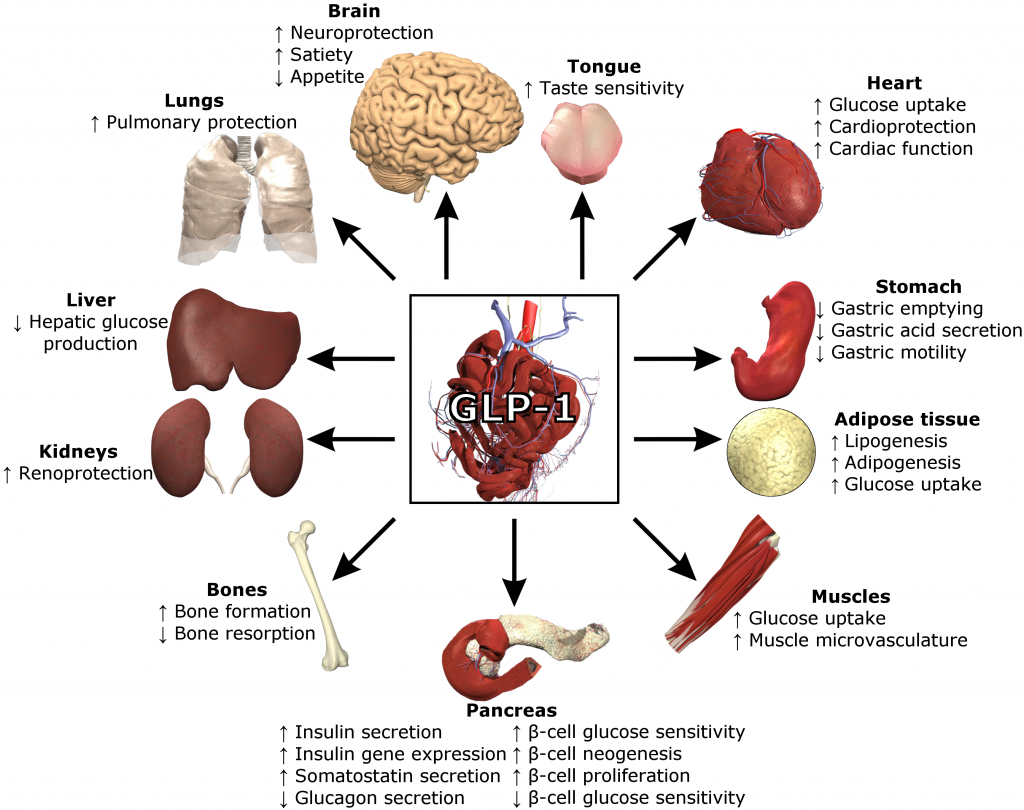
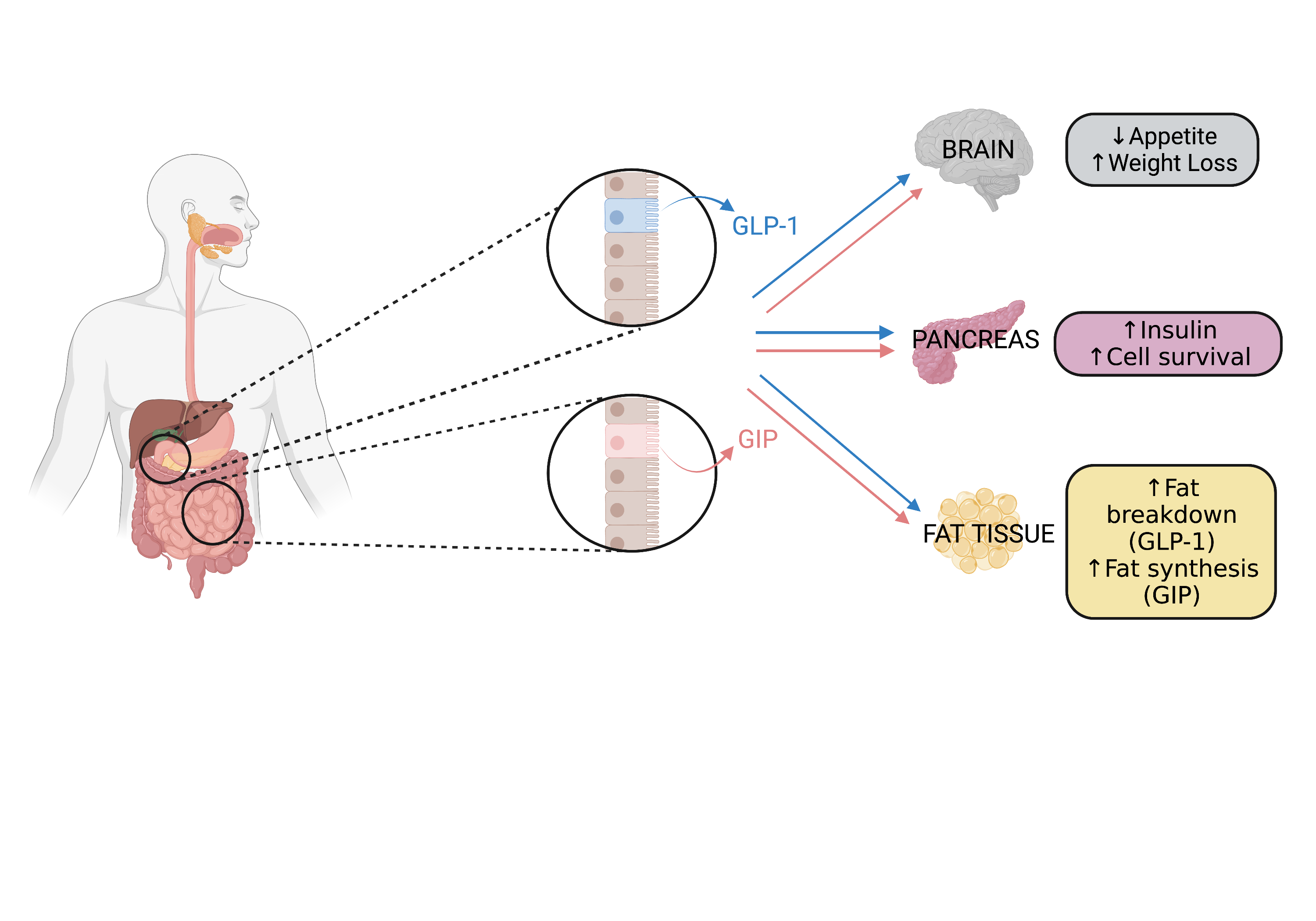
Glucagon-like peptide-1 (GLP-1) is a hormone that plays a vital role in regulating blood sugar levels and appetite. It is produced in the small intestine and is released in response to nutrient intake. GLP-1 works in conjunction with insulin to regulate blood glucose levels, making it an important hormone for those with diabetes or those looking to manage their blood sugar levels.
What is GLP-1 and How Does it Work?
- GLP-1 is an incretin hormone that is released after nutrient intake
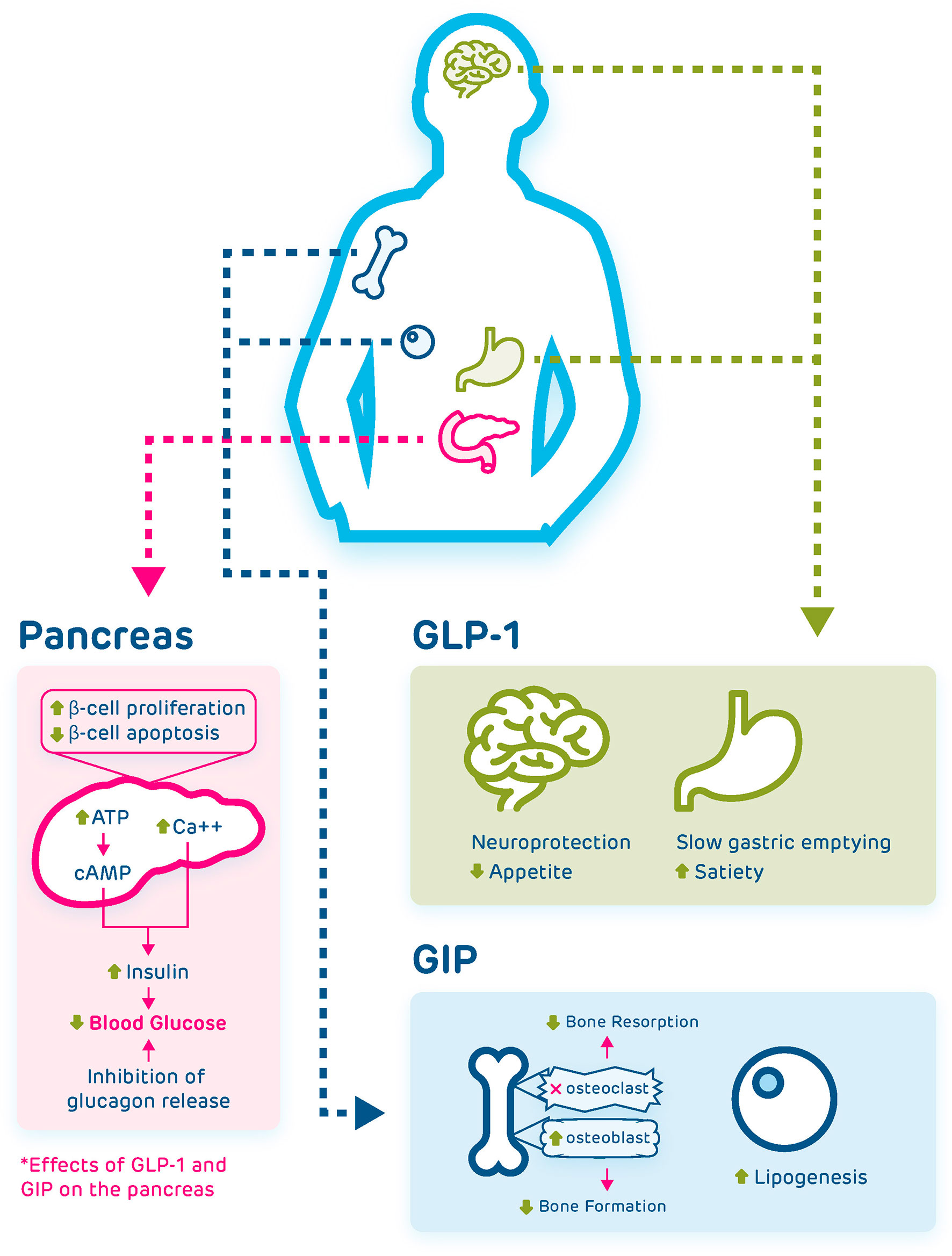
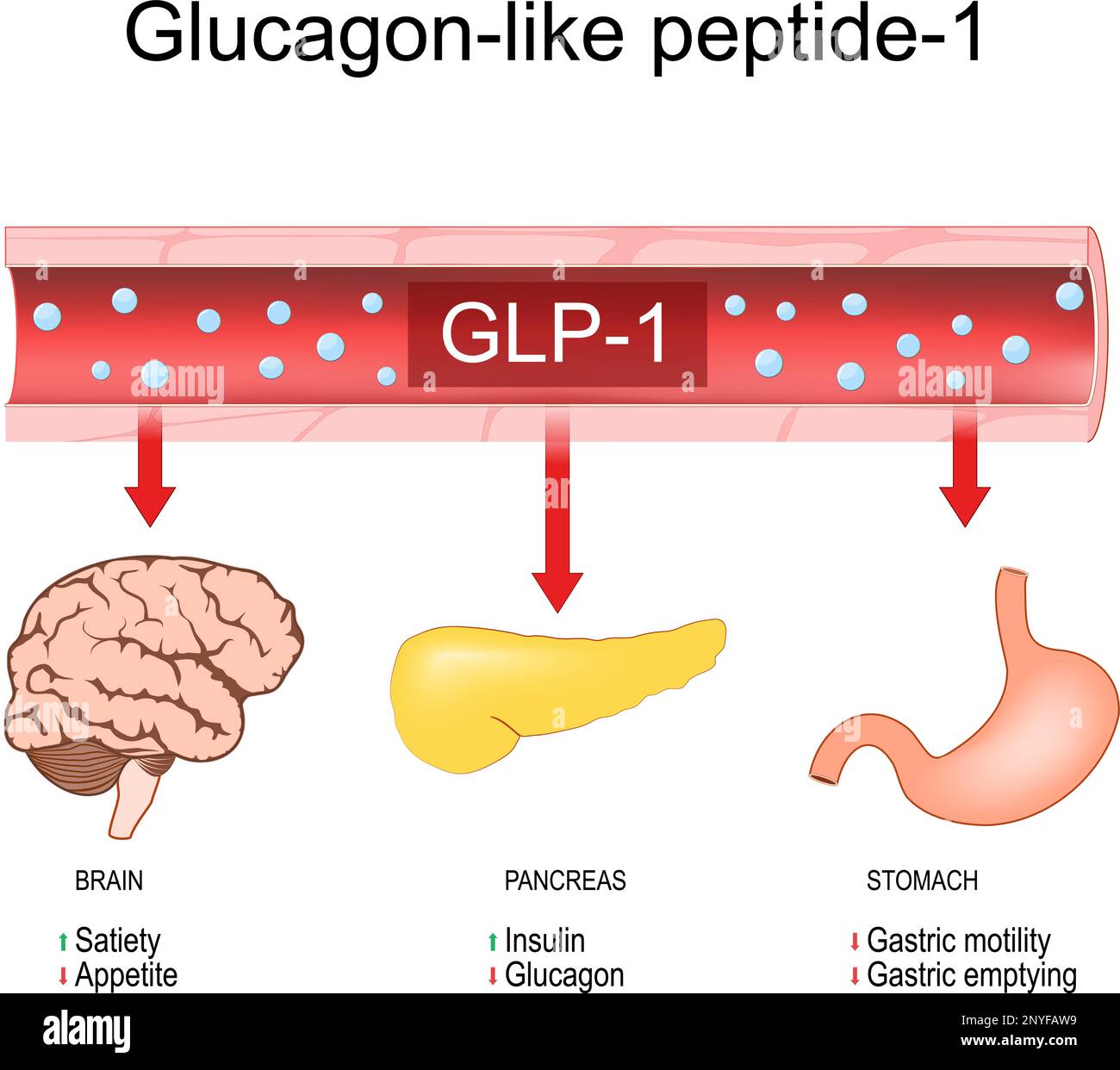
- It enhances insulin secretion in a glucose-dependent manner
- It slows down gastric emptying, allowing for a more gradual increase in blood glucose levels
- It decreases glucagon levels, which helps to lower blood glucose levels

GLP-1 works by binding to the GLP-1 receptor, a class B G-protein-coupled receptor found in the pancreas, brain, and gut. This binding leads to a signaling cascade that promotes insulin secretion, suppresses glucagon release, and slows gastric emptying, all of which help to regulate blood glucose levels.
The Importance of GLP-1 Balance
GLP-1 balance is crucial for maintaining optimal blood glucose levels and overall health. When GLP-1 levels are out of balance, it can lead to a range of health problems, including insulin resistance, type 2 diabetes, and metabolic syndrome. Supporting GLP-1 balance through diet, exercise, and other lifestyle changes can help to improve glucose metabolism, reduce inflammation, and promote weight loss.