GLP-1 and Insulin Resistance: Understanding the Connection
Insulin resistance is a major issue that affects millions of people worldwide, leading to serious health complications such as diabetes, cardiovascular disease, and obesity. Recent research has highlighted the potential of Glucagon-like peptide-1 (GLP-1) in overcoming insulin resistance and improving glucose control. In this article, we will delve into the connection between GLP-1 and insulin resistance, exploring its mechanisms and potential applications.
The Impact of Insulin Resistance
Insulin resistance occurs when the body's cells become less responsive to insulin, a hormone produced by the pancreas that regulates blood sugar levels. This condition is often caused by a combination of genetic, diet, and lifestyle factors, including a high-calorie diet, sedentary lifestyle, and stress. As a result, the pancreas produces more insulin to compensate, leading to increased glucose levels in the blood.
What is GLP-1 and Its Role in Insulin Resistance?
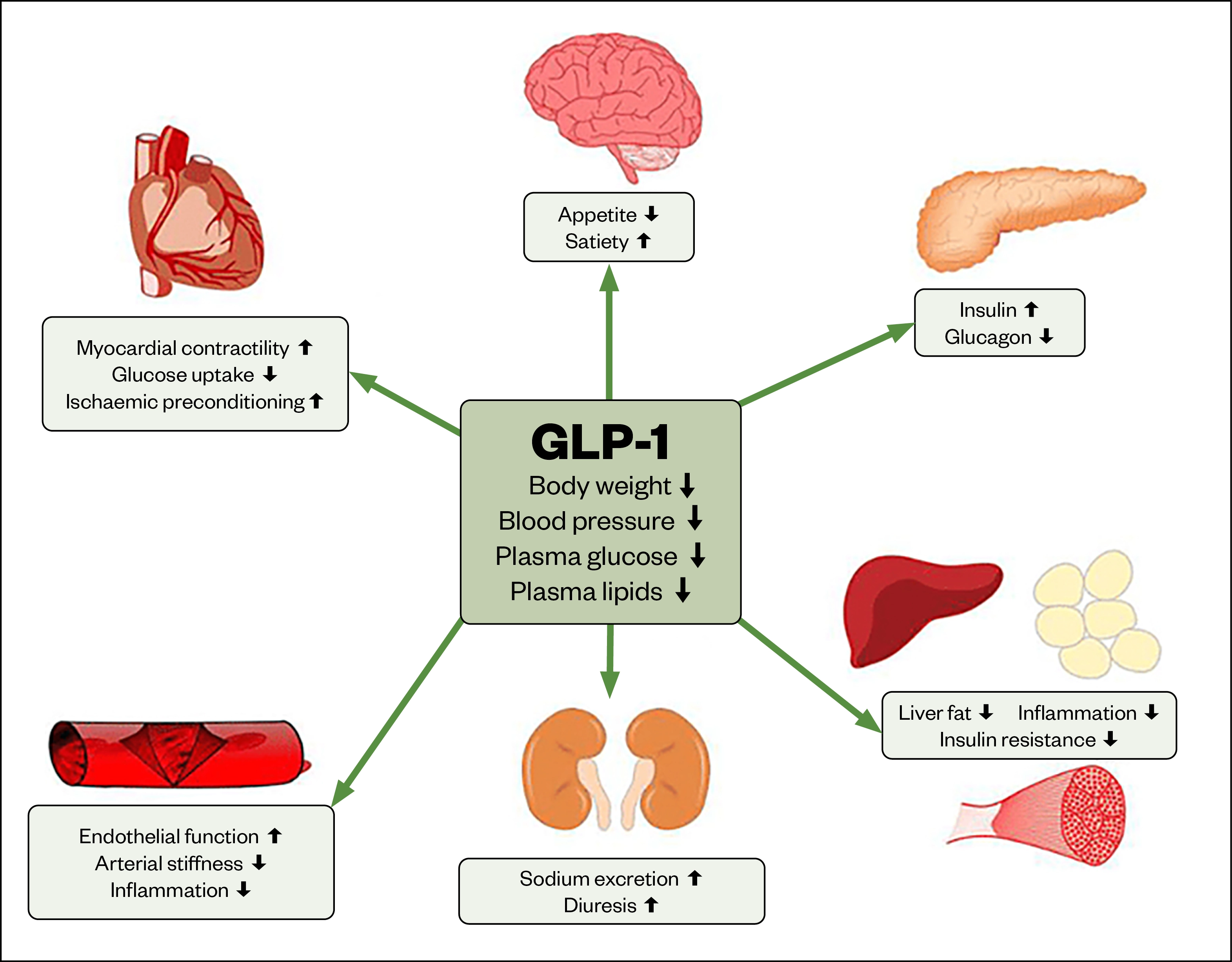
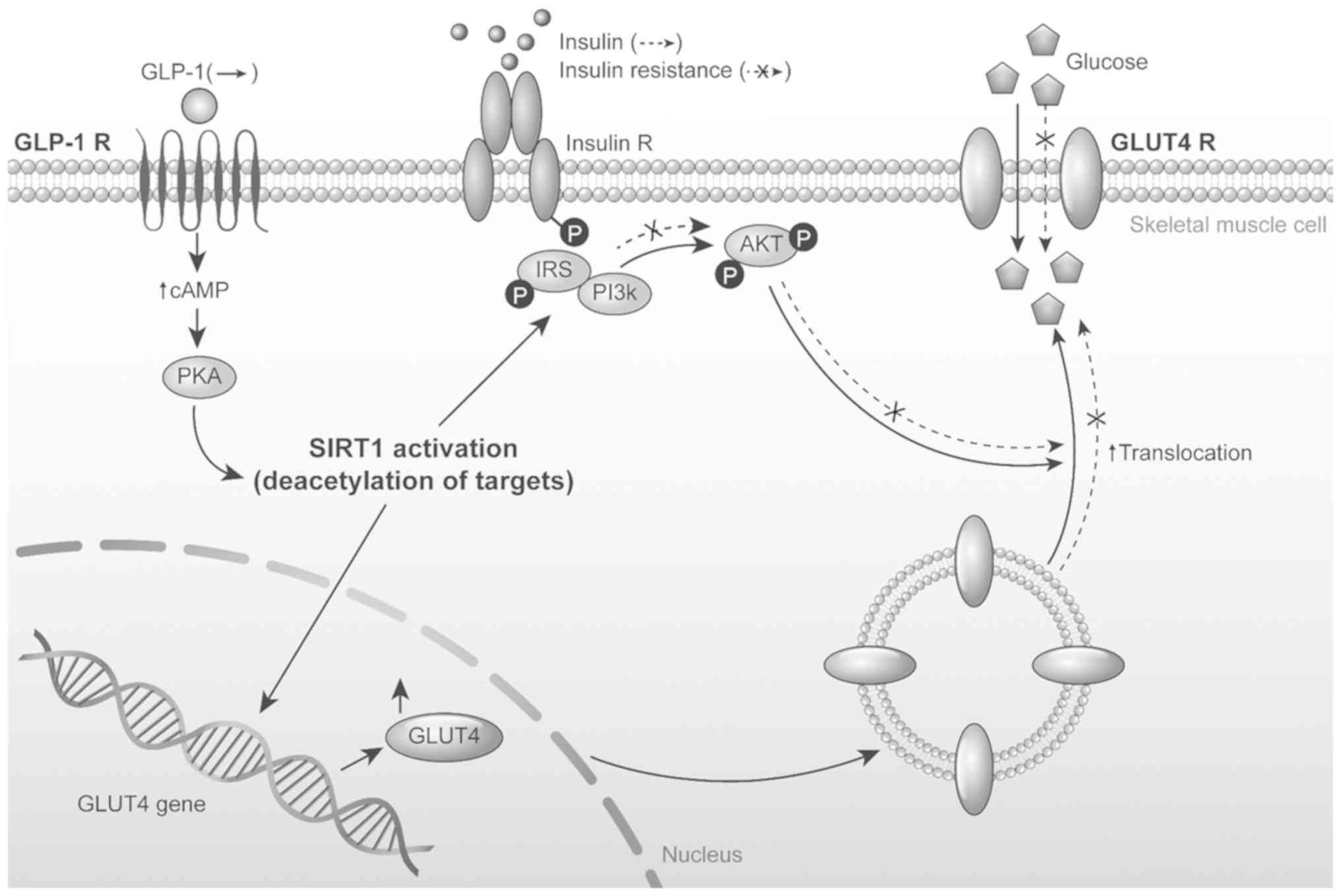
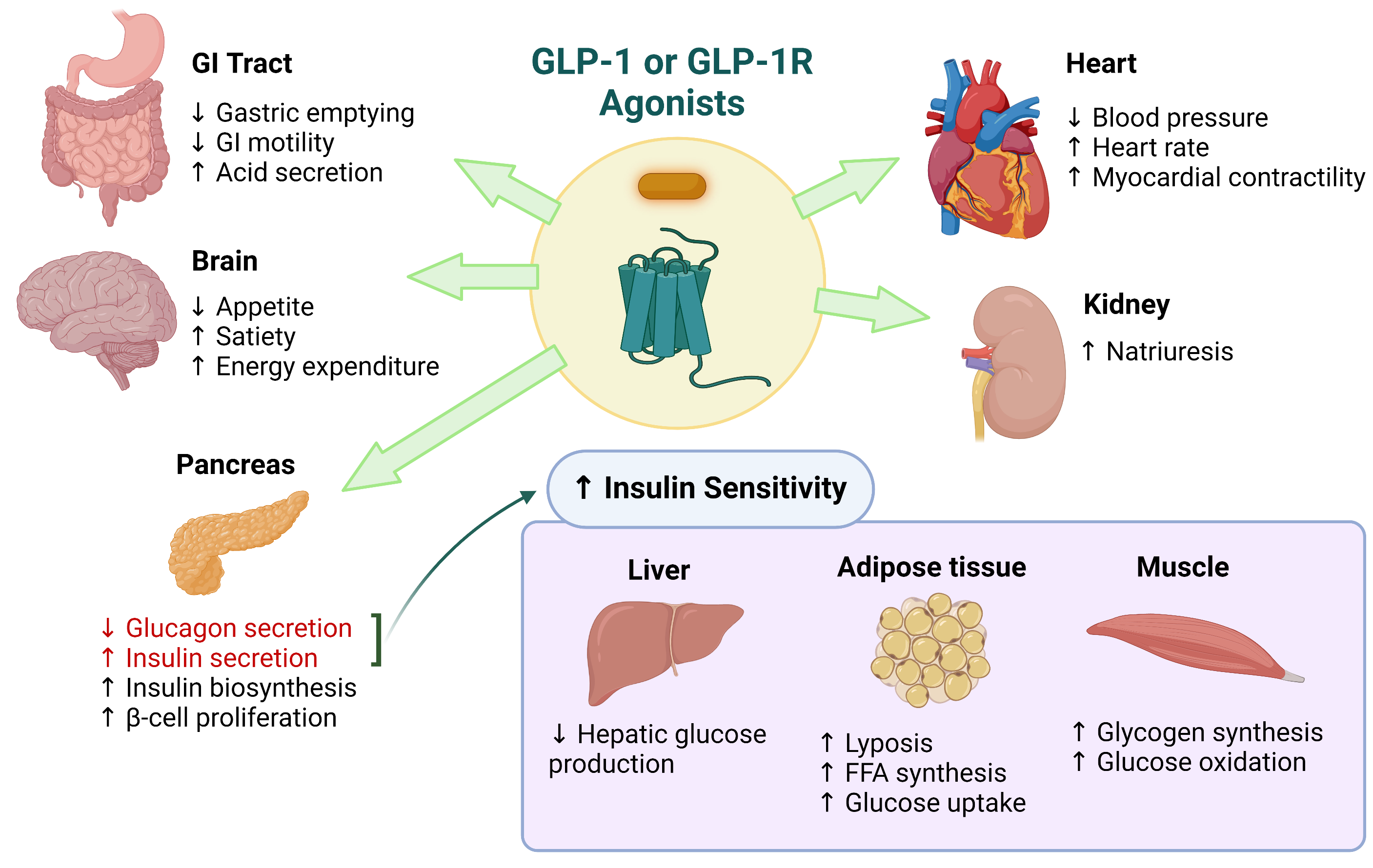
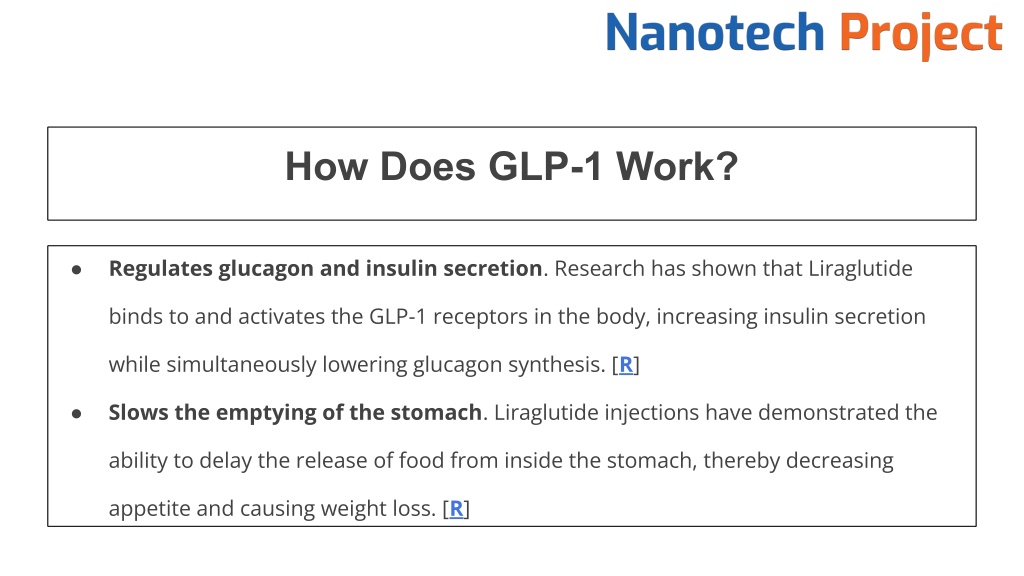
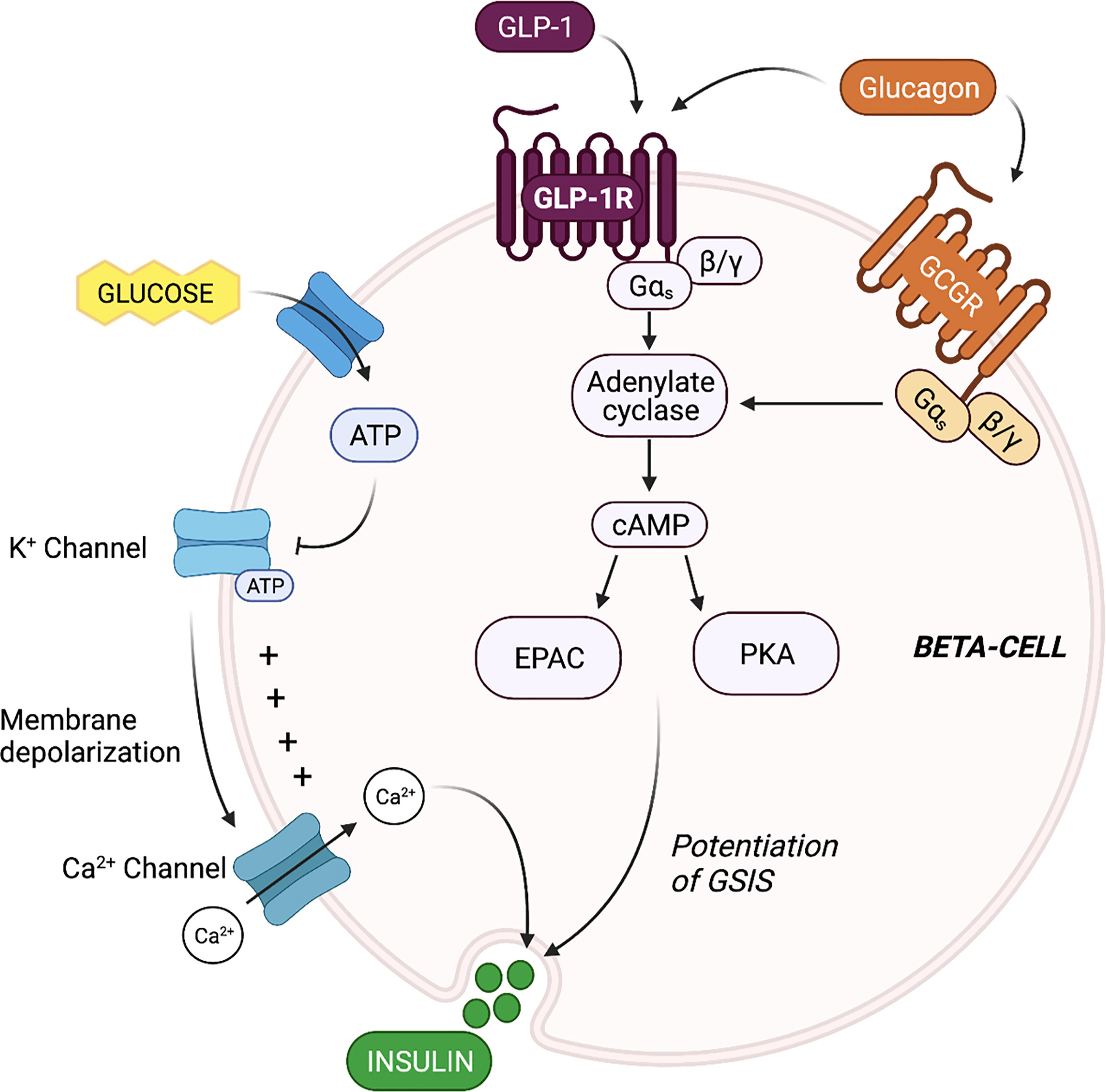
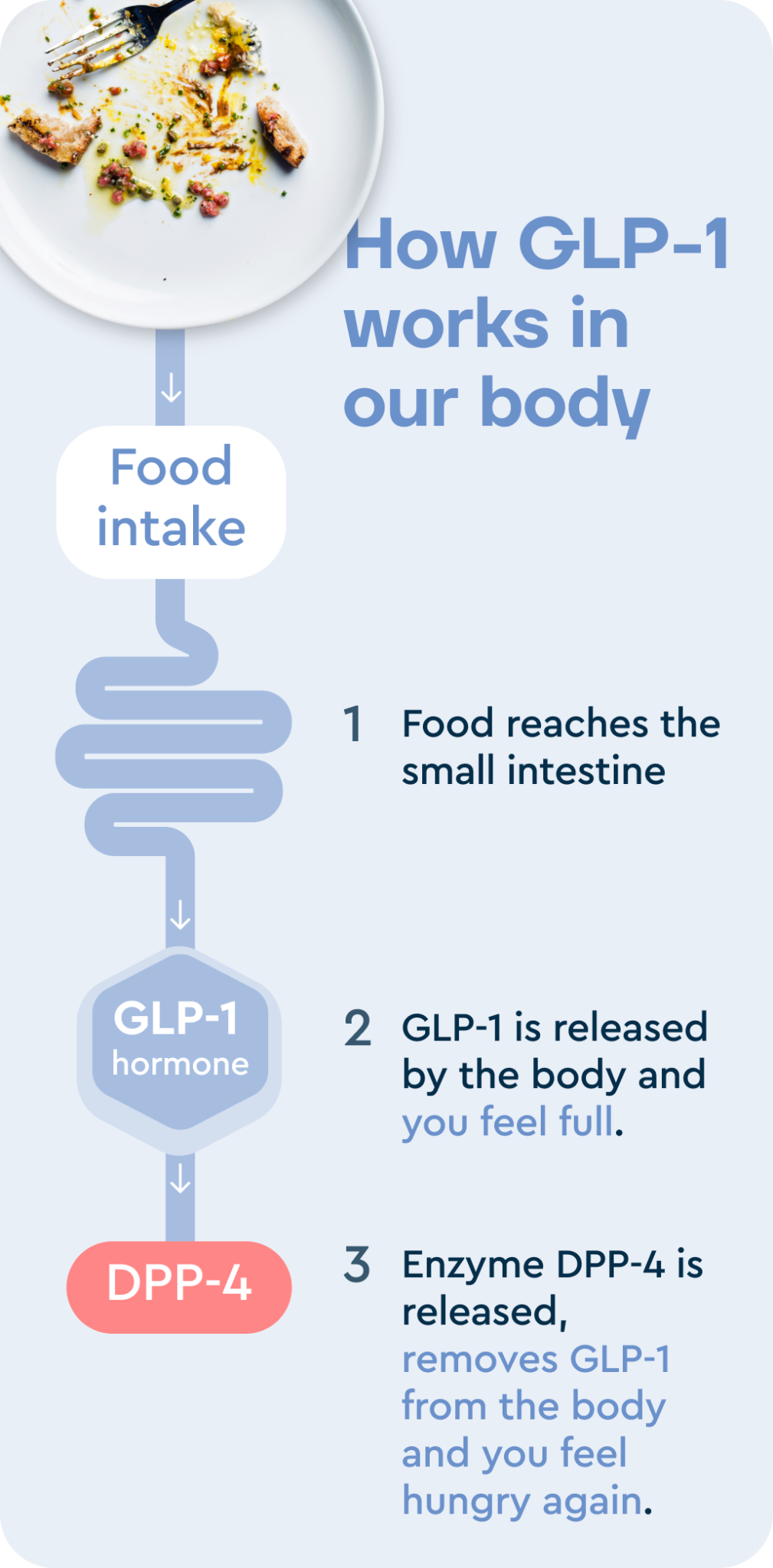
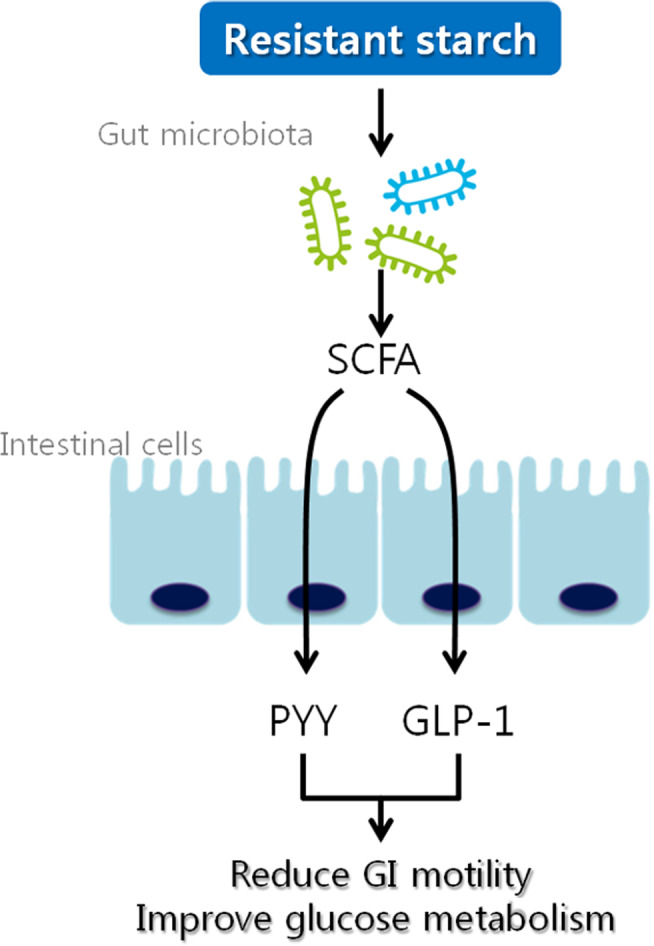
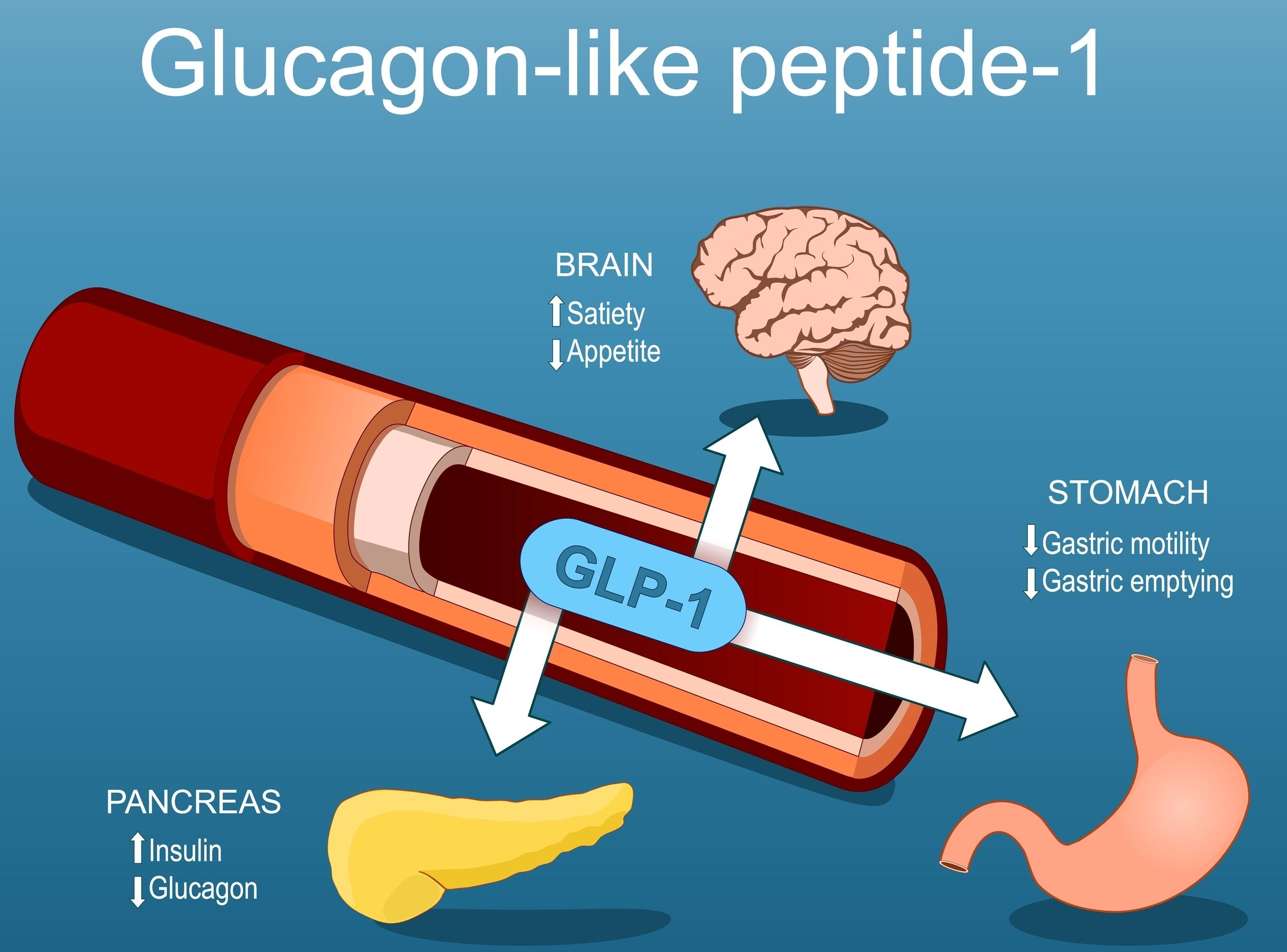
GLP-1 is an incretin hormone released naturally in the gut after a meal, stimulating insulin secretion and inhibiting glucagon production. Its primary function is to regulate glucose levels and appetite control. Research has shown that GLP-1 has a significant impact on insulin resistance, improving insulin sensitivity and glucose control.
GLP-1 Receptor Agonists as a Treatment for Insulin Resistance