Revolutionizing Obesity Treatment: The Synergy of GLP-1 and Mindful Eating
Obesity has become a pressing global health concern, with millions of people struggling to manage their weight and improve their metabolic health. The advent of GLP-1 (Glucagon-like peptide-1) receptor agonists and combination medications has shifted the treatment landscape for obesity, providing a new hope for those affected. However, the efficacy of these medications relies heavily on concomitant nutritional and lifestyle interventions. In this article, we explore the importance of mindful eating in optimizing GLP-1 therapy for obesity, and how patients can achieve sustainable weight loss and overall health benefits.
Understanding GLP-1 and Its Role in Obesity
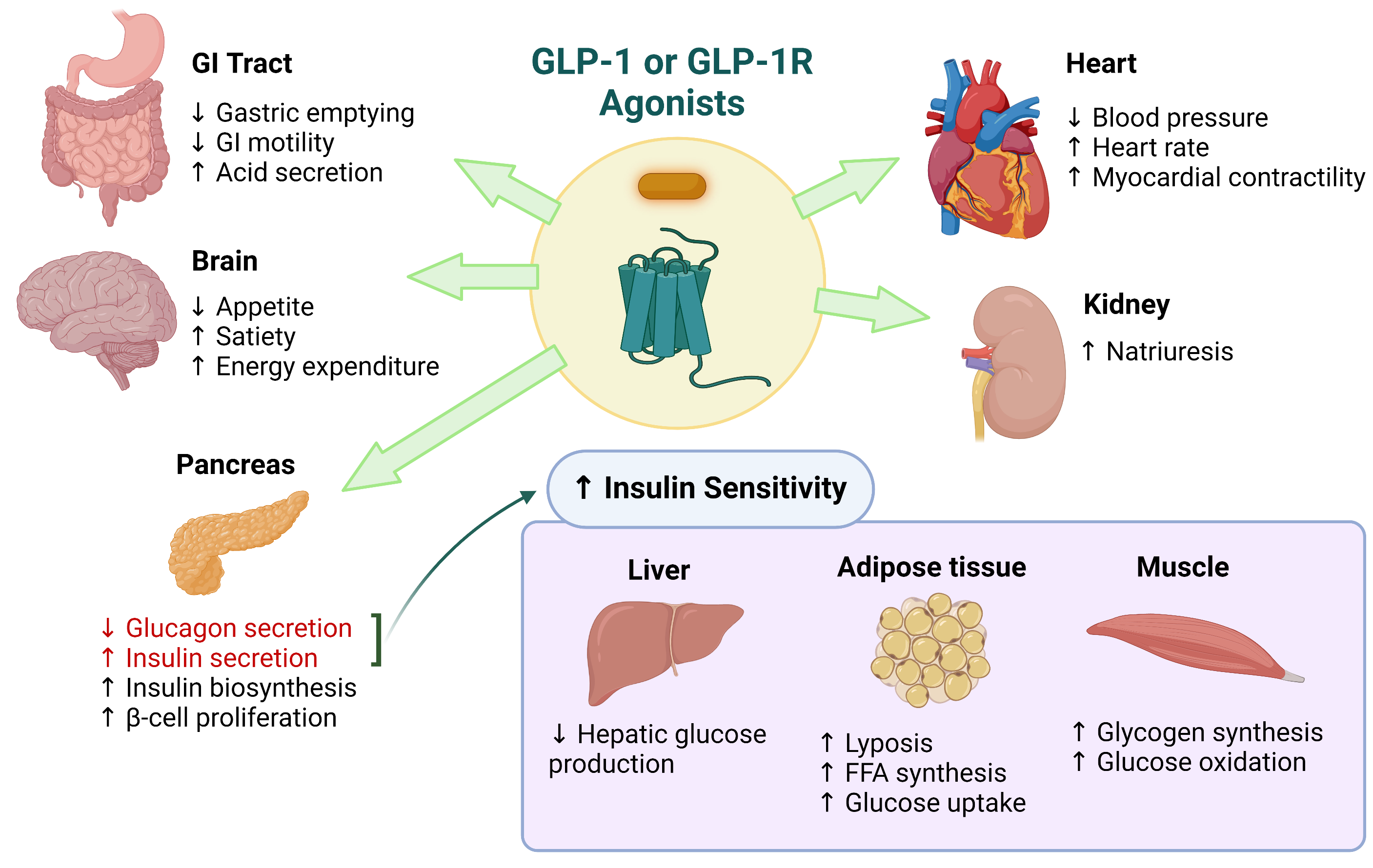
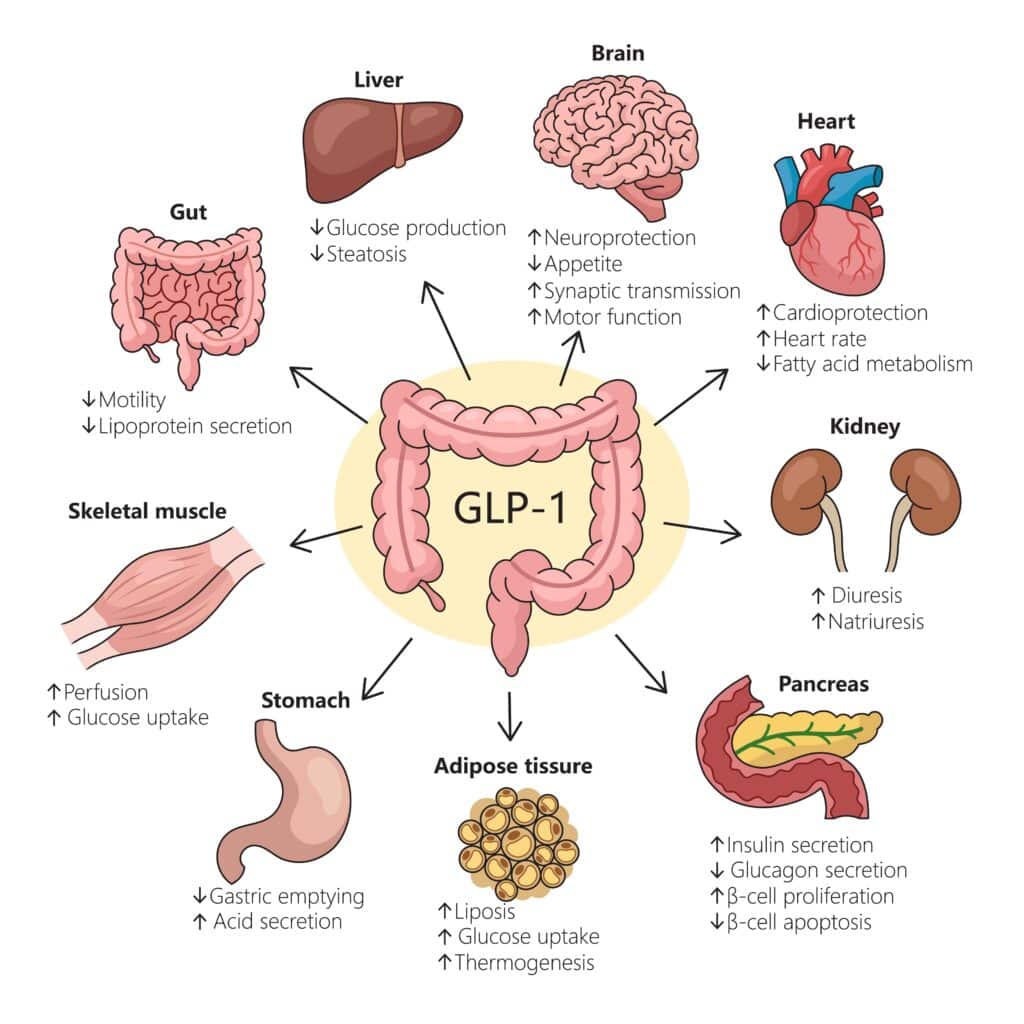
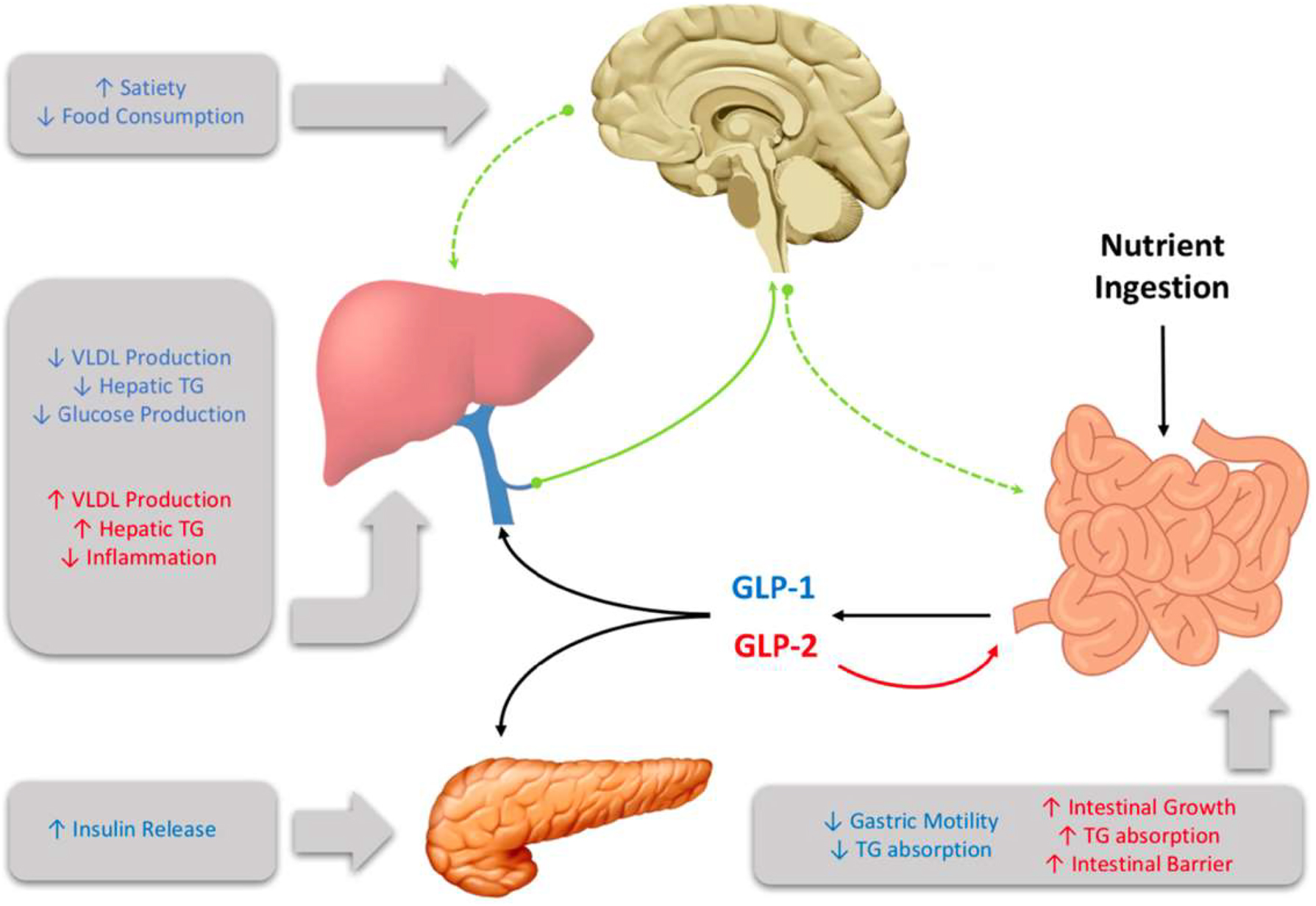
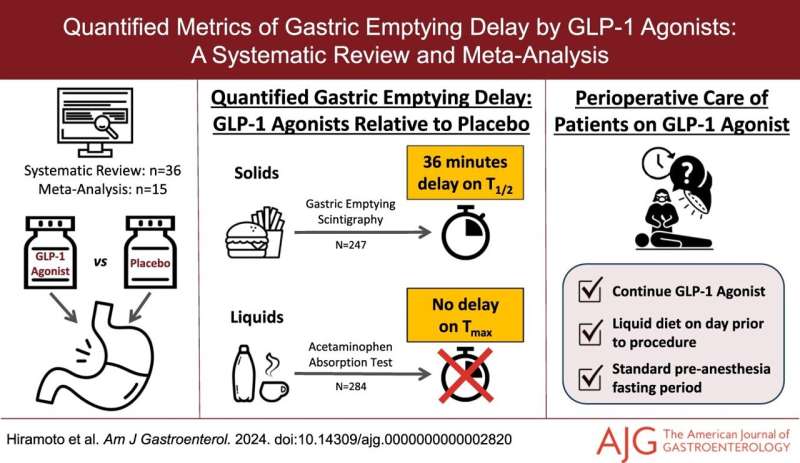
GLP-1 is a hormone produced in the intestines after eating, which plays a crucial role in regulating blood sugar levels and appetite. Receptor agonists and combination medications designed to mimic the action of GLP-1 have been shown to effectively manage type 2 diabetes and obesity. By stimulating insulin production and inhibiting glucagon release, GLP-1 medications help individuals feel full longer after eating smaller portions, reducing the risk of weight regain.

The Importance of Mindful Eating for GLP-1 Therapy
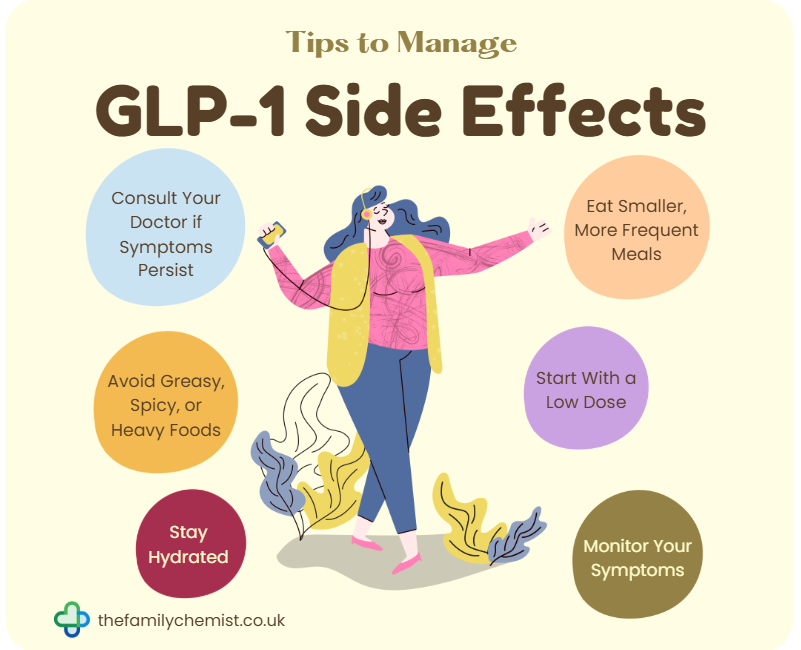
Mindful eating is a concept that involves becoming more aware of one's eating habits, paying attention to the physical and emotional sensations associated with food consumption. For individuals taking GLP-1 medications, developing mindful eating habits can significantly enhance treatment outcomes. By eating smaller, more frequent meals, and paying attention to hunger and fullness cues, patients can optimize the effectiveness of GLP-1 therapy. Mindful eating also promotes a healthier relationship with food, reducing the risk of overeating and promoting sustainable weight loss.