Understanding the Effects of GLP-1 on Glucose-Stimulated Insulin Secretion
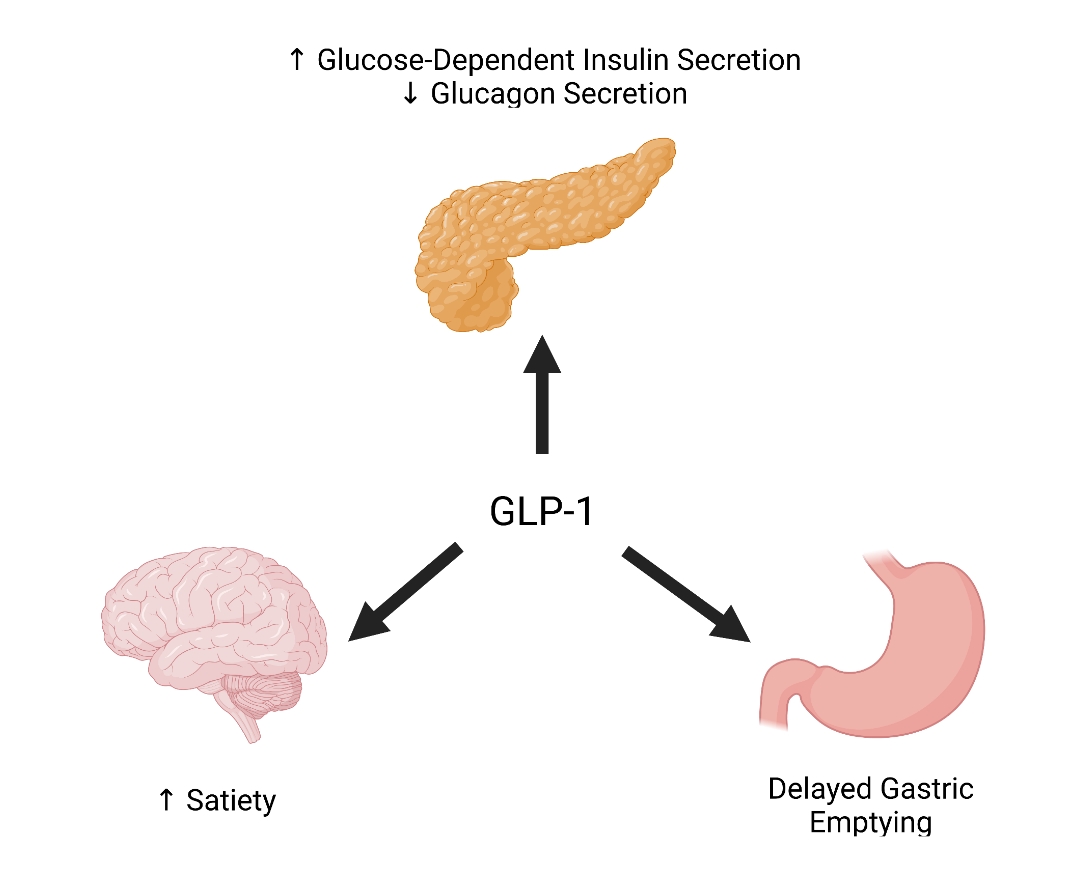
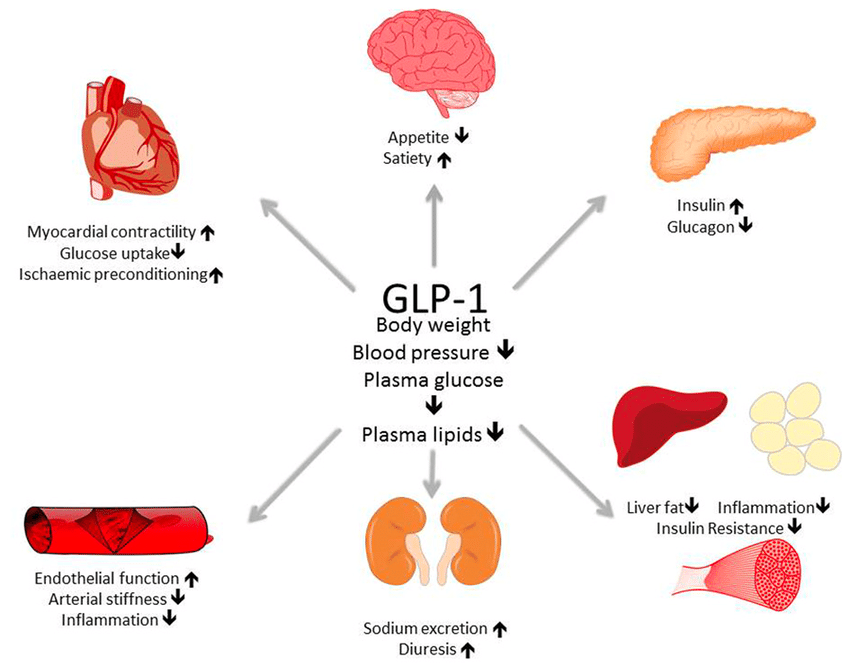
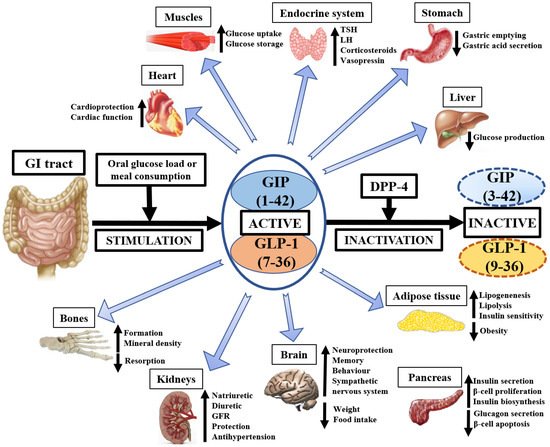
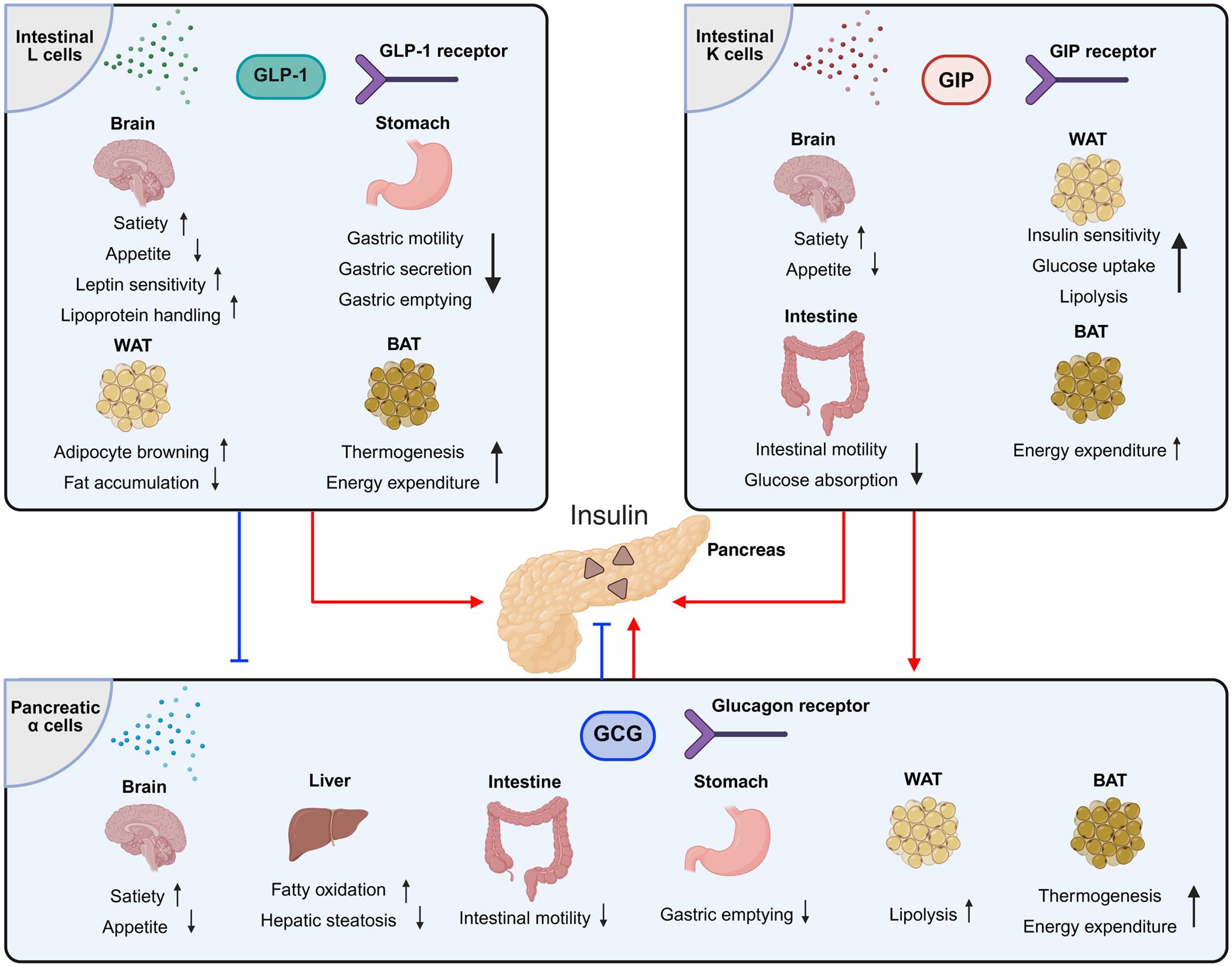
The intestinally derived hormone glucagon-like peptide-1 (GLP-1) plays a significant role in glucose-mediated insulin secretion, insulin gene expression, and β-cell growth and differentiation. Its ability to stimulate glucose-stimulated insulin secretion has led to its consideration as a potential therapeutic agent for the treatment of type 2 diabetes.The Incretine Effect
The incretine effect, which is the increased insulin response after oral ingestion of glucose compared to intravenous glucose, is mediated by GLP-1. This effect is crucial in regulating glucose homeostasis and is characterized by a synergistic action between GLP-1 and glucose on insulin secretion. The incretine effect has been observed in both mice and humans, highlighting its importance in glucose-mediated insulin secretion.GLP-1 Effects on Glucose-Stimulated Insulin Secretion