GLP-1 Receptor Agonists and Osteoporosis Prevention: What You Need to Know
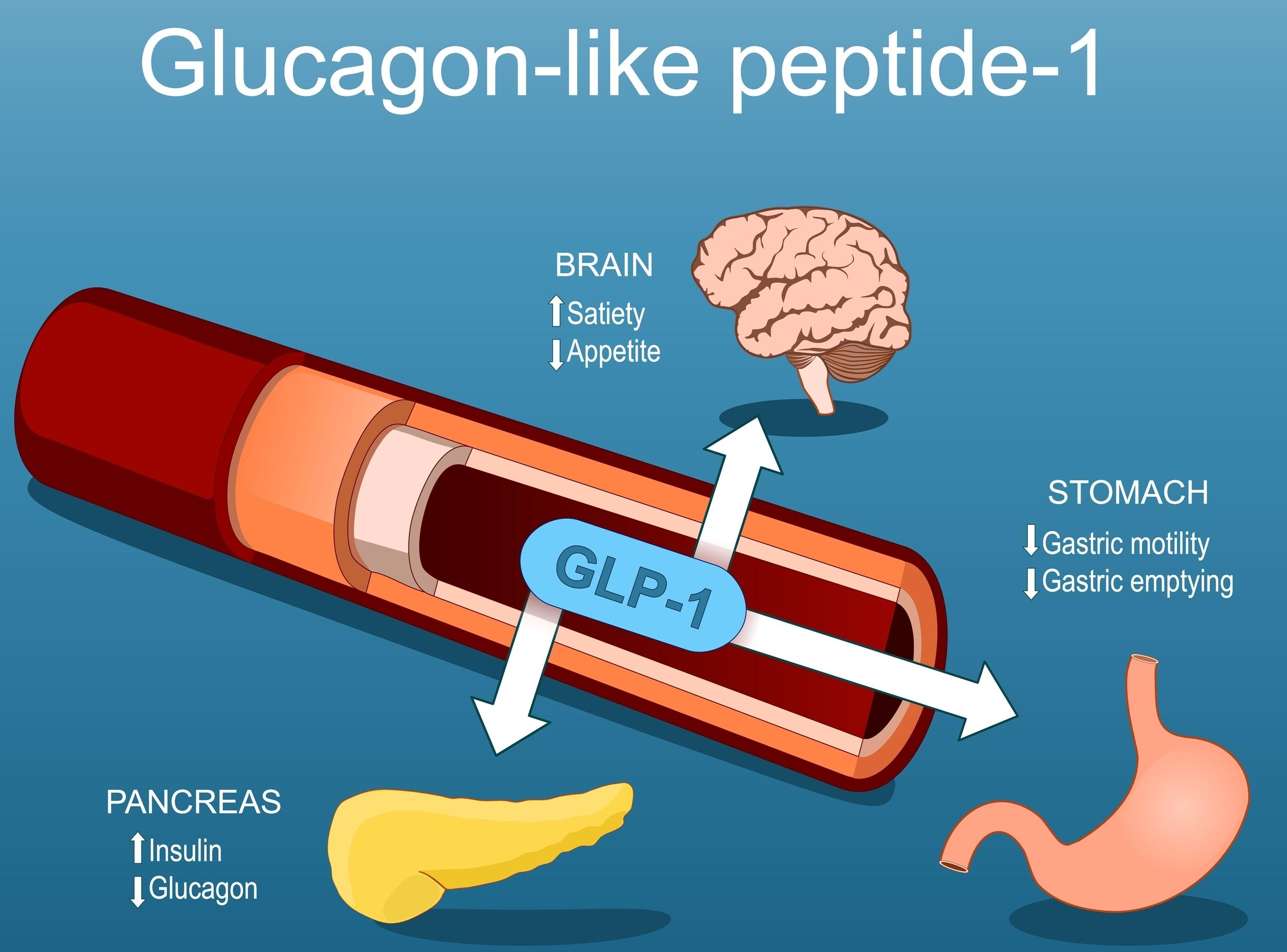
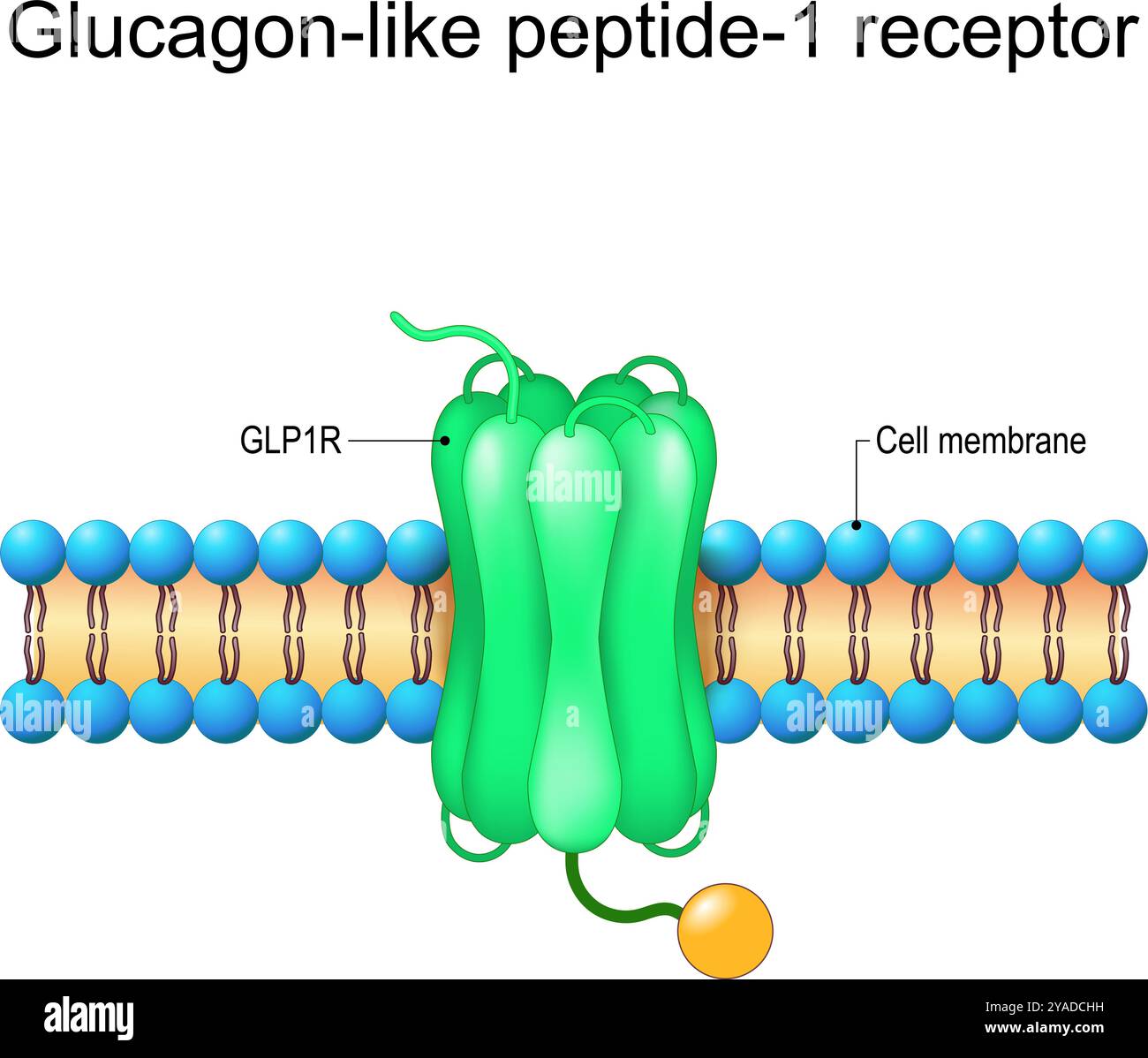
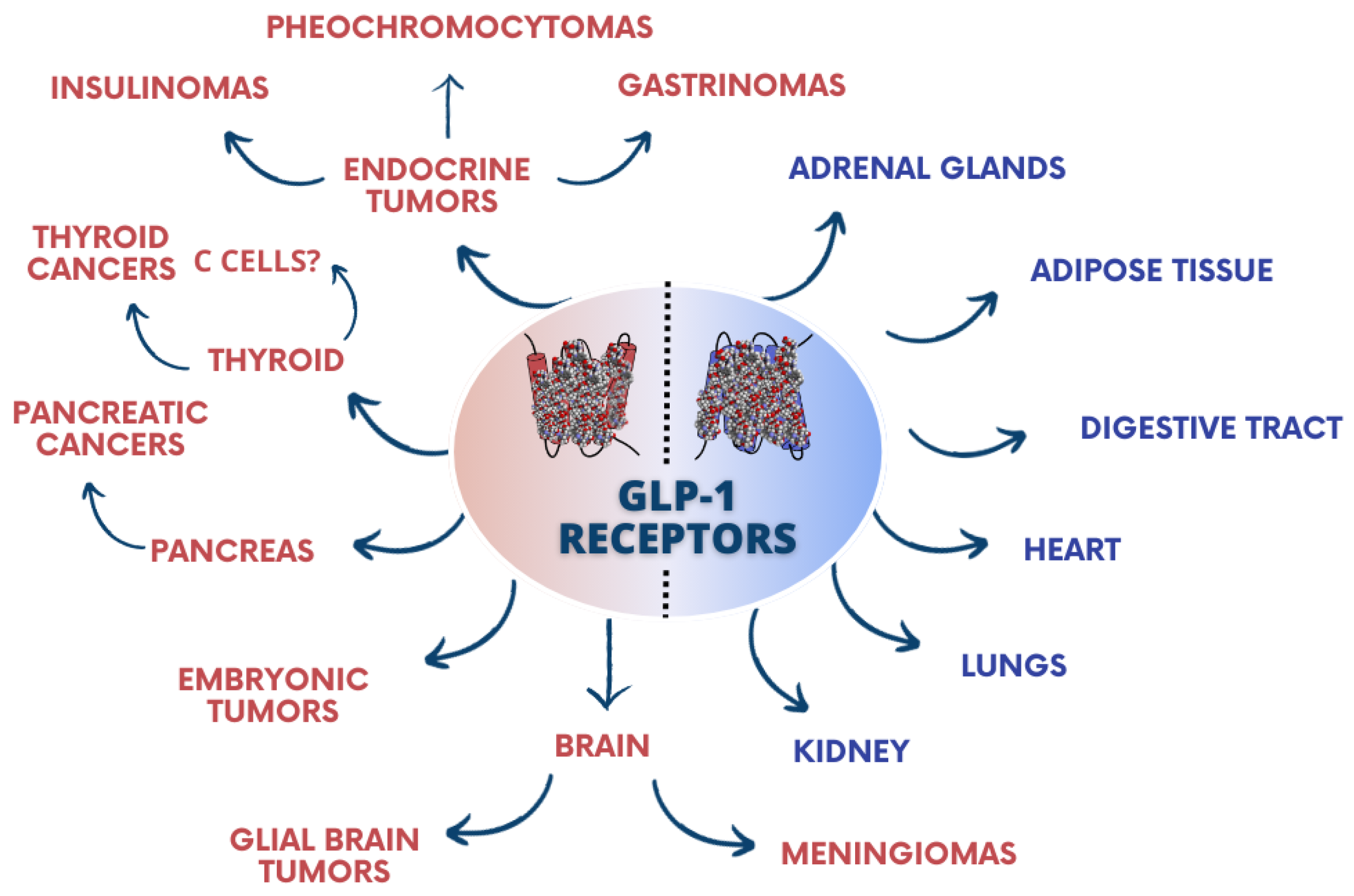
Osteoporosis is a condition characterized by a decrease in bone mass and density, leading to an increased risk of fractures and other skeletal complications. Type 2 diabetes mellitus (T2DM) is an independent risk factor for osteoporosis, and studies have shown that GLP-1 receptor agonists (GLP-1RAs) may play a protective role in bone metabolism.
The Connection Between GLP-1RAs and Bone Health
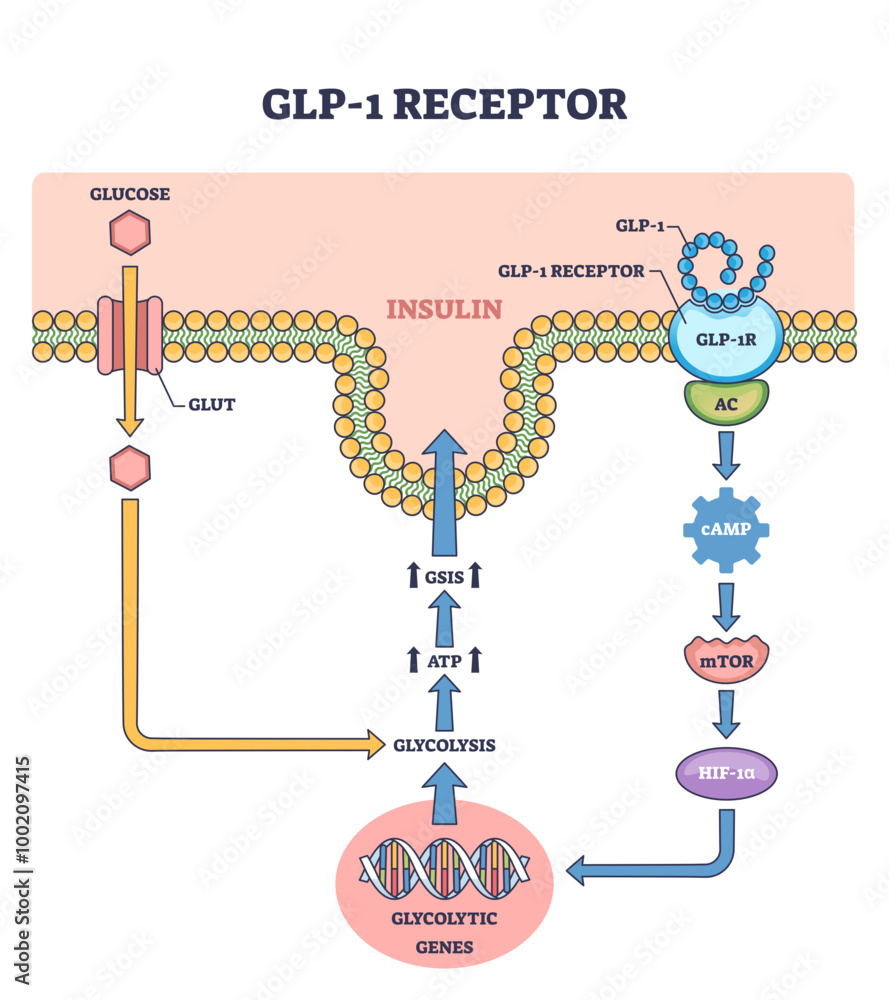
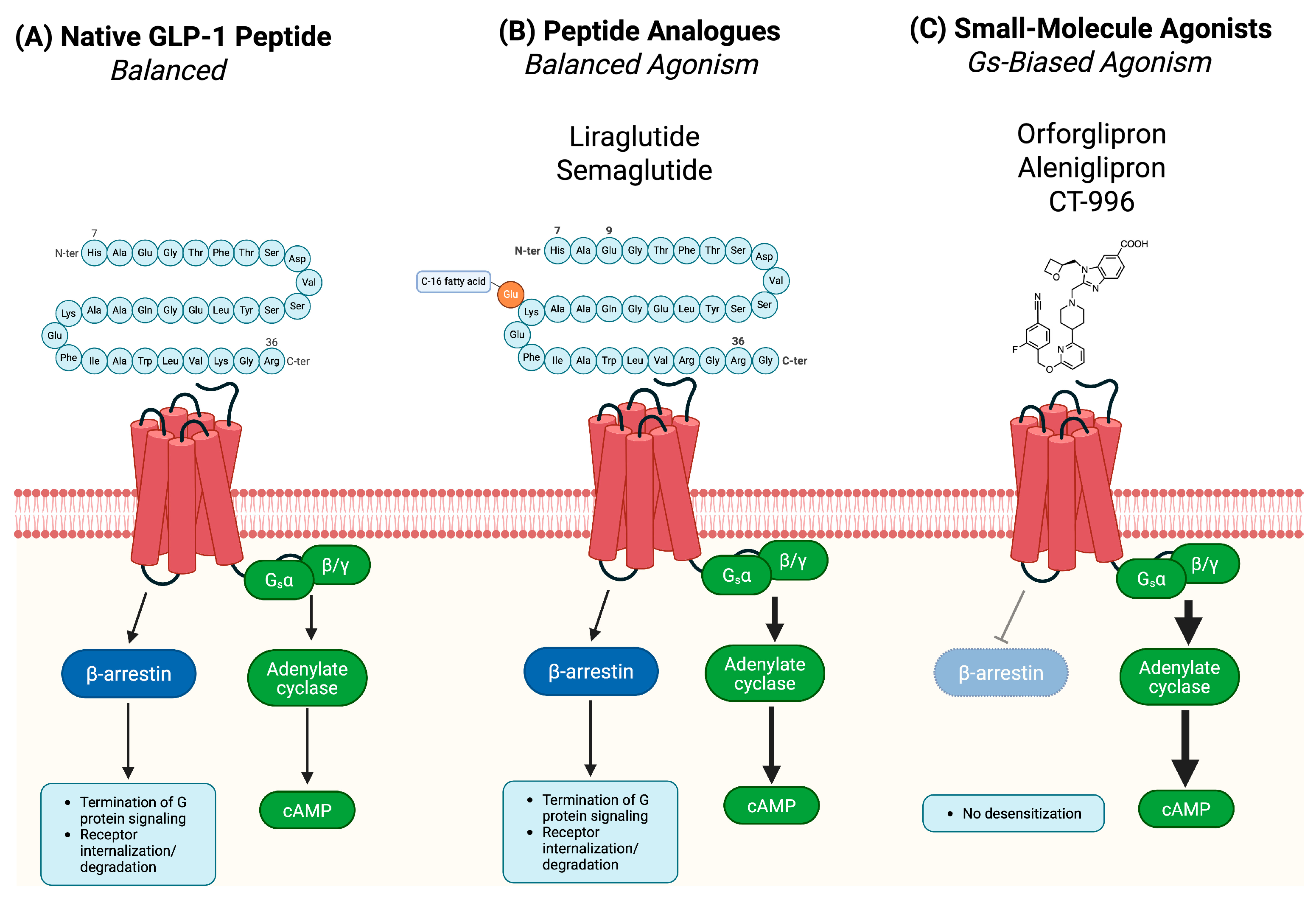
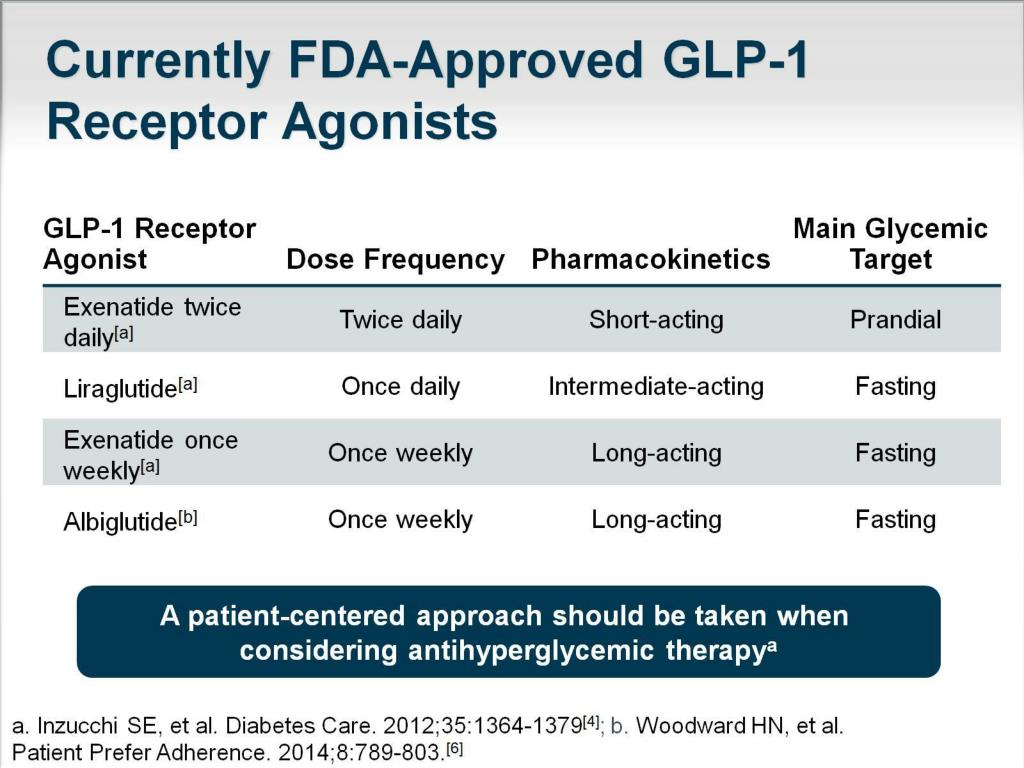
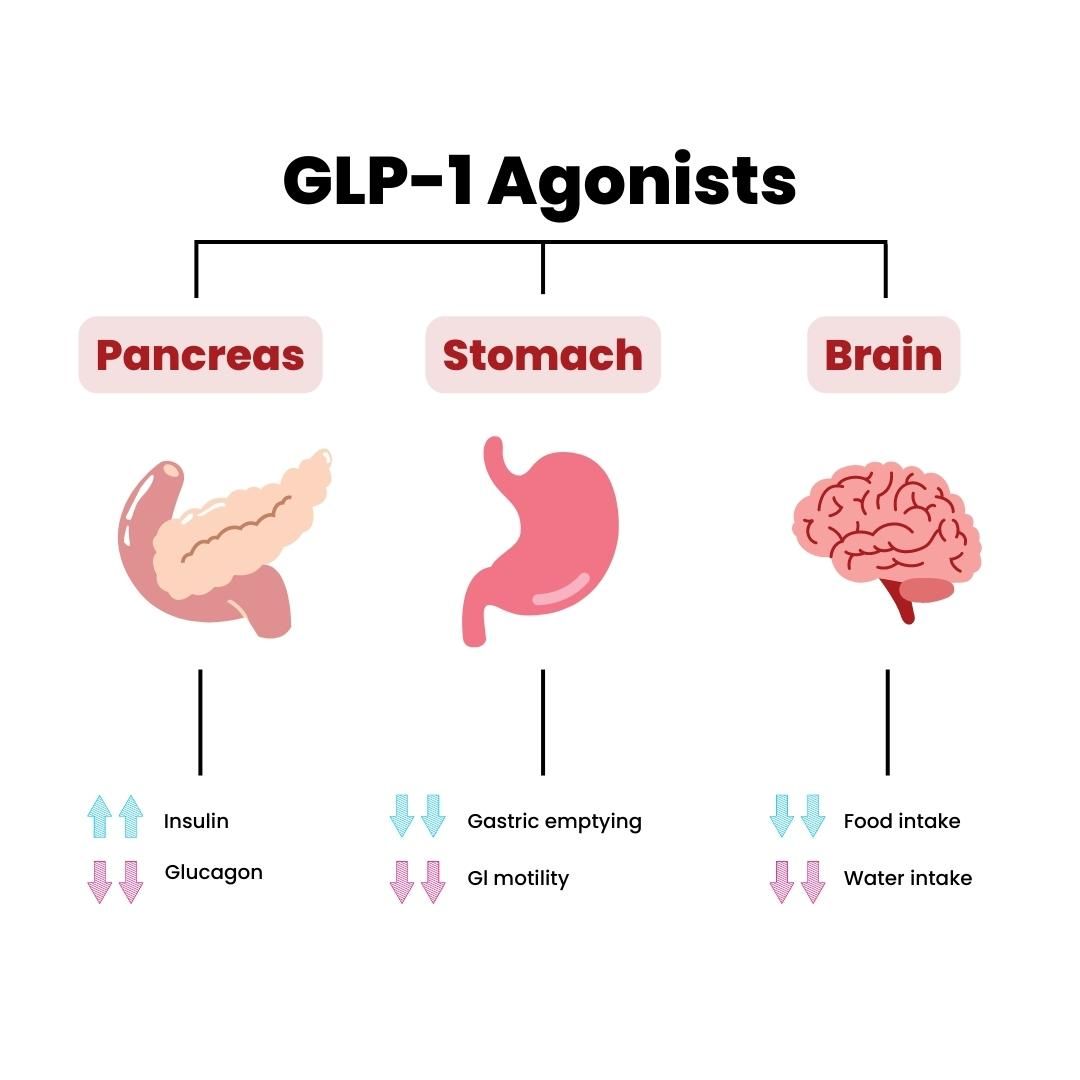
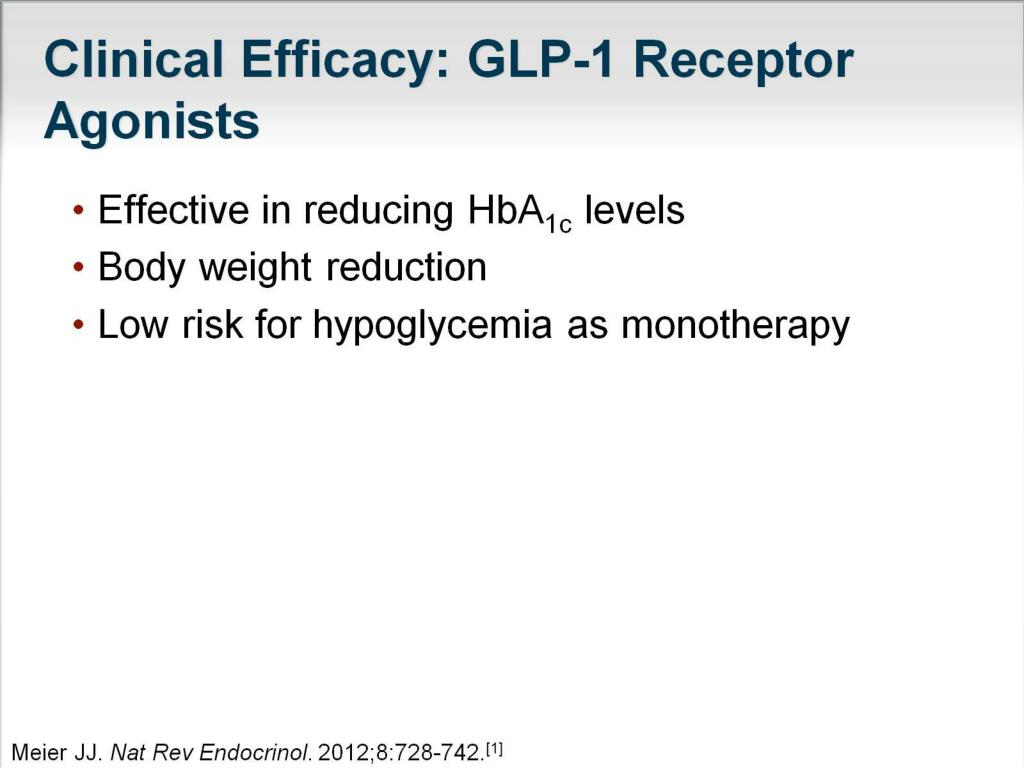
GLP-1RAs are a class of medications used to treat type 2 diabetes, and recent studies have found that they can improve bone metabolism in diabetes patients. GLP-1RAs promote osteoblastic differentiation, which is the process by which bone-building cells called osteoblasts form new bone tissue. This can help to improve bone density and reduce the risk of osteoporosis.
Benefits of GLP-1RAs on Bone Health

Improves bone metabolism and density
Promotes osteoblastic differentiation
Reduces the risk of osteoporosis
May improve bone microarchitecture and restore bone mass
Challenges and Concerns
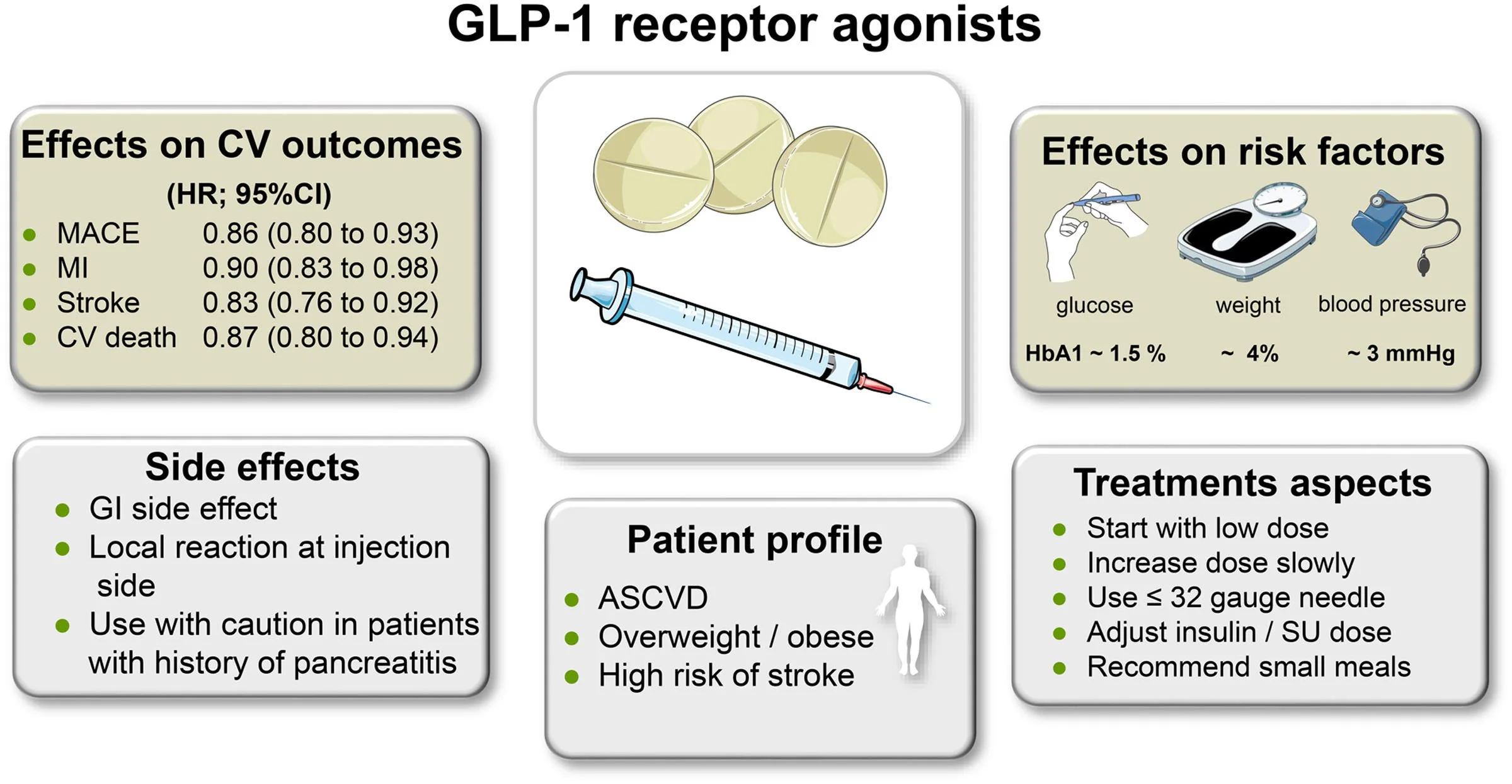
While GLP-1RAs have been shown to have a positive effect on bone health, there are still some challenges and concerns that need to be addressed. Some studies have found that GLP-1RAs may be associated with a higher risk of osteoporosis, gout, and osteomalacia in people with type 2 diabetes and obesity. Additionally, weight loss driven by GLP-1RAs may lead to bone loss in patients without diabetes.