GLP-1 Receptor Agonists for Glycemic Control: A Therapeutic Revolution in Diabetes Management
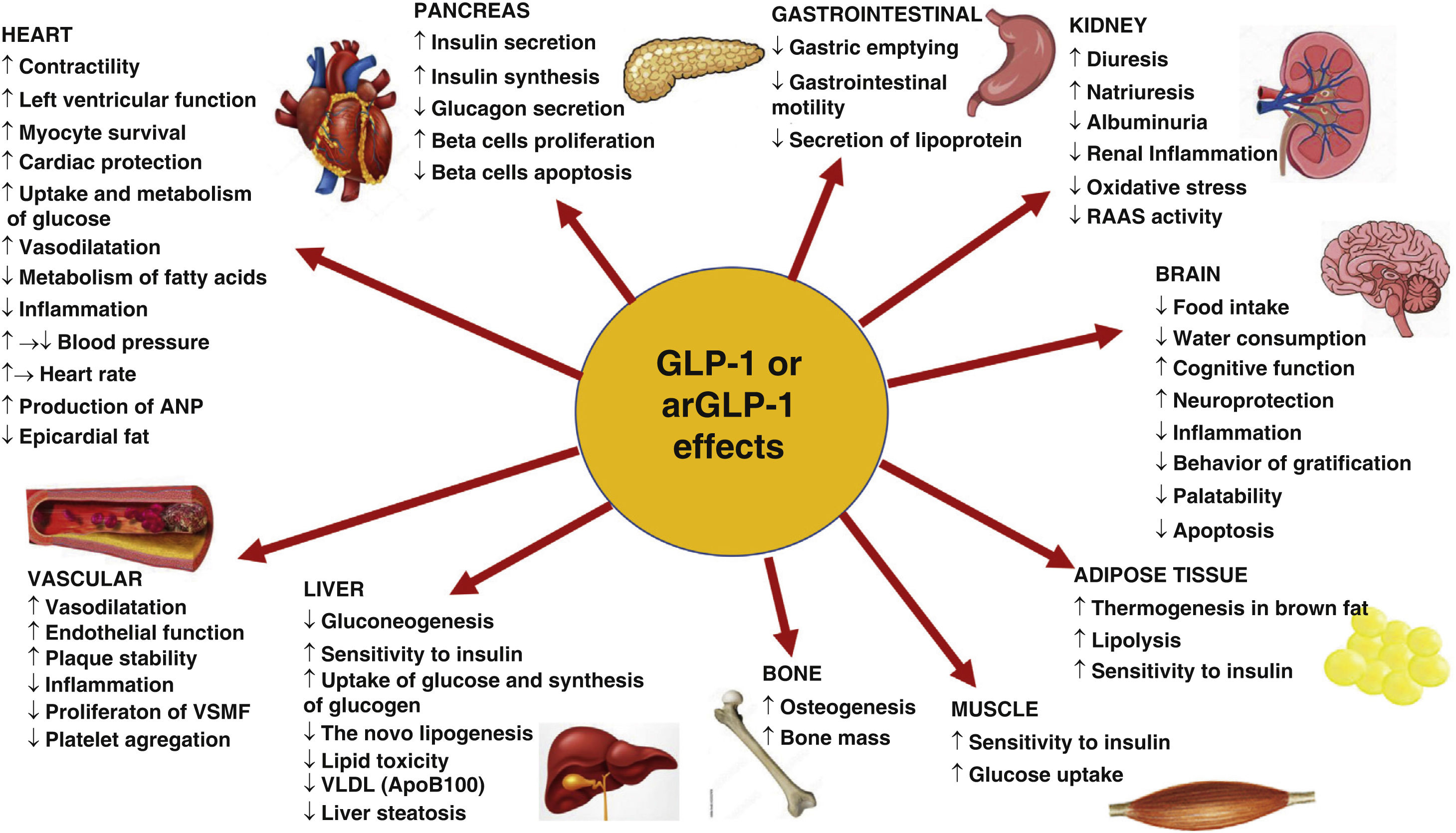
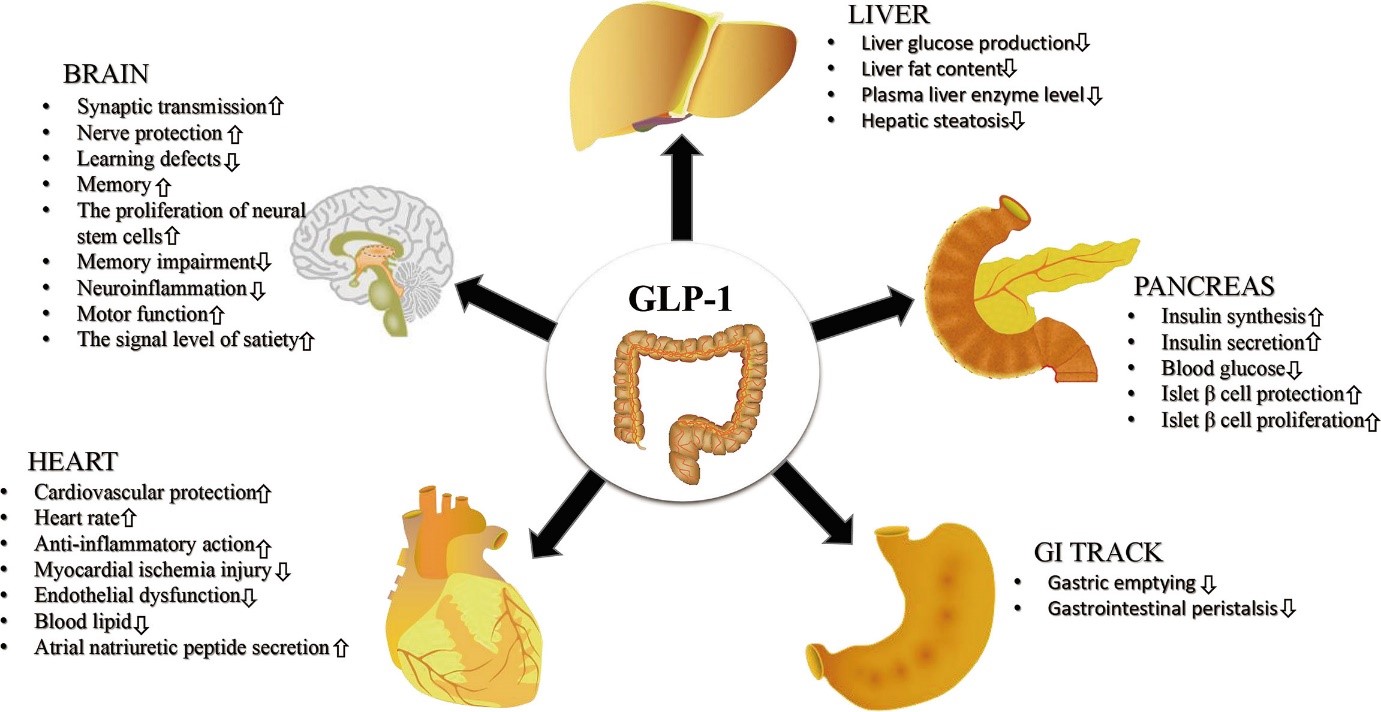
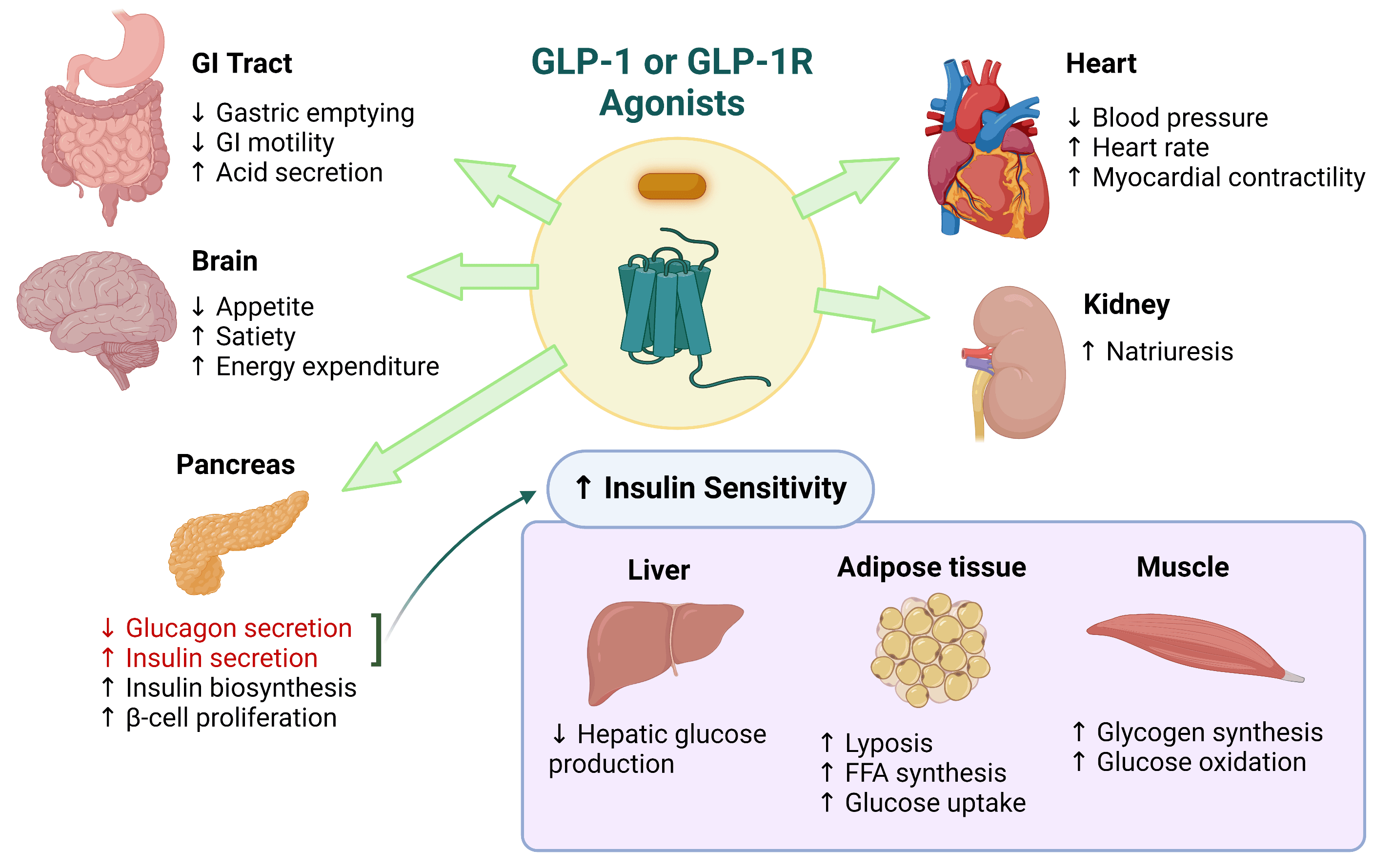
Glucagon-like peptide-1 (GLP-1) receptor agonists have emerged as a groundbreaking class of medications for managing type 2 diabetes and associated metabolic disorders. These agents not only improve glycemic control by increasing insulin secretion and enhancing insulin sensitivity but also offer a range of benefits that extend beyond glucose management, including weight loss, cardiovascular protection, and renal benefits.
Pharmacology and Mechanism of Action
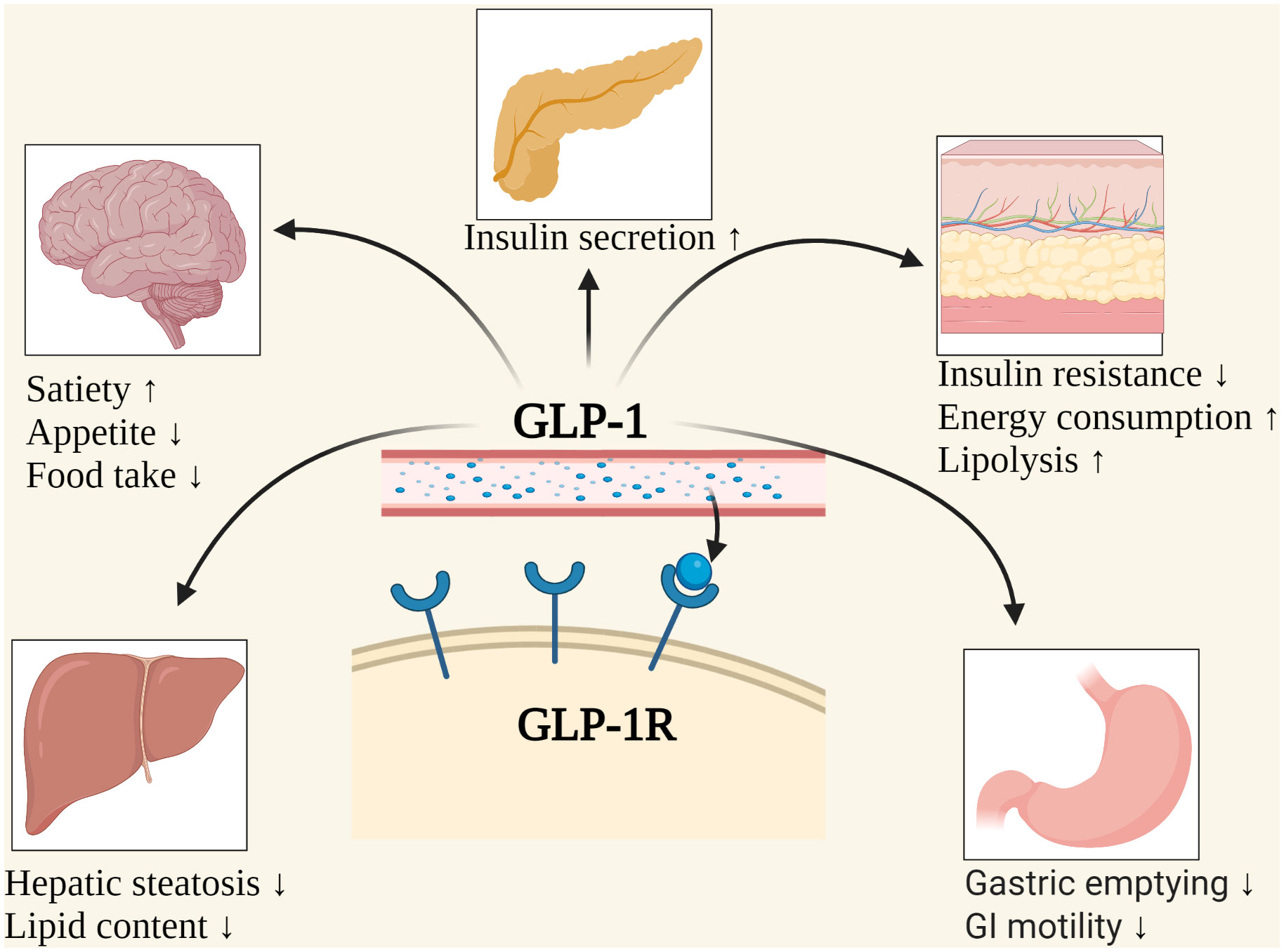
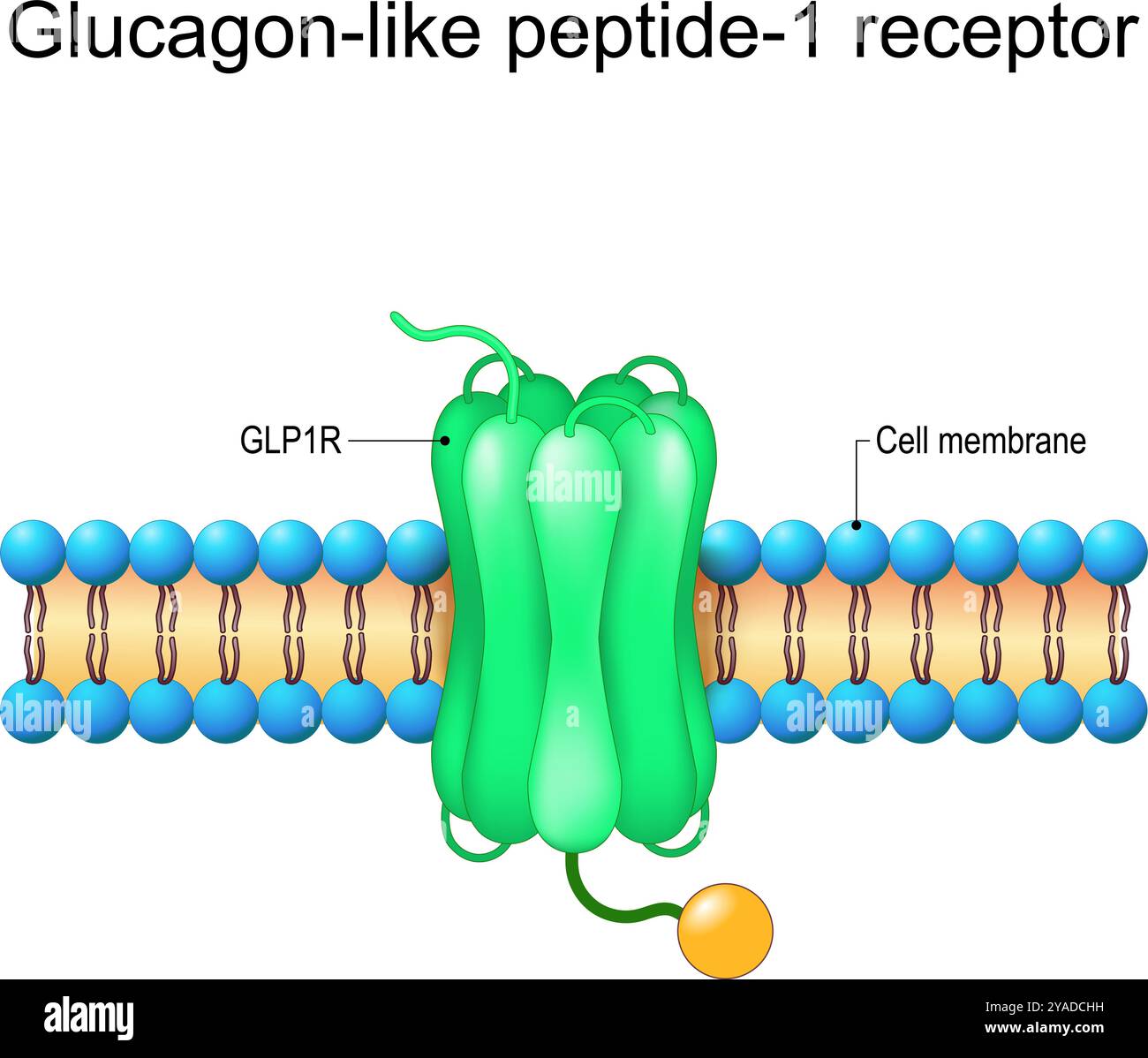
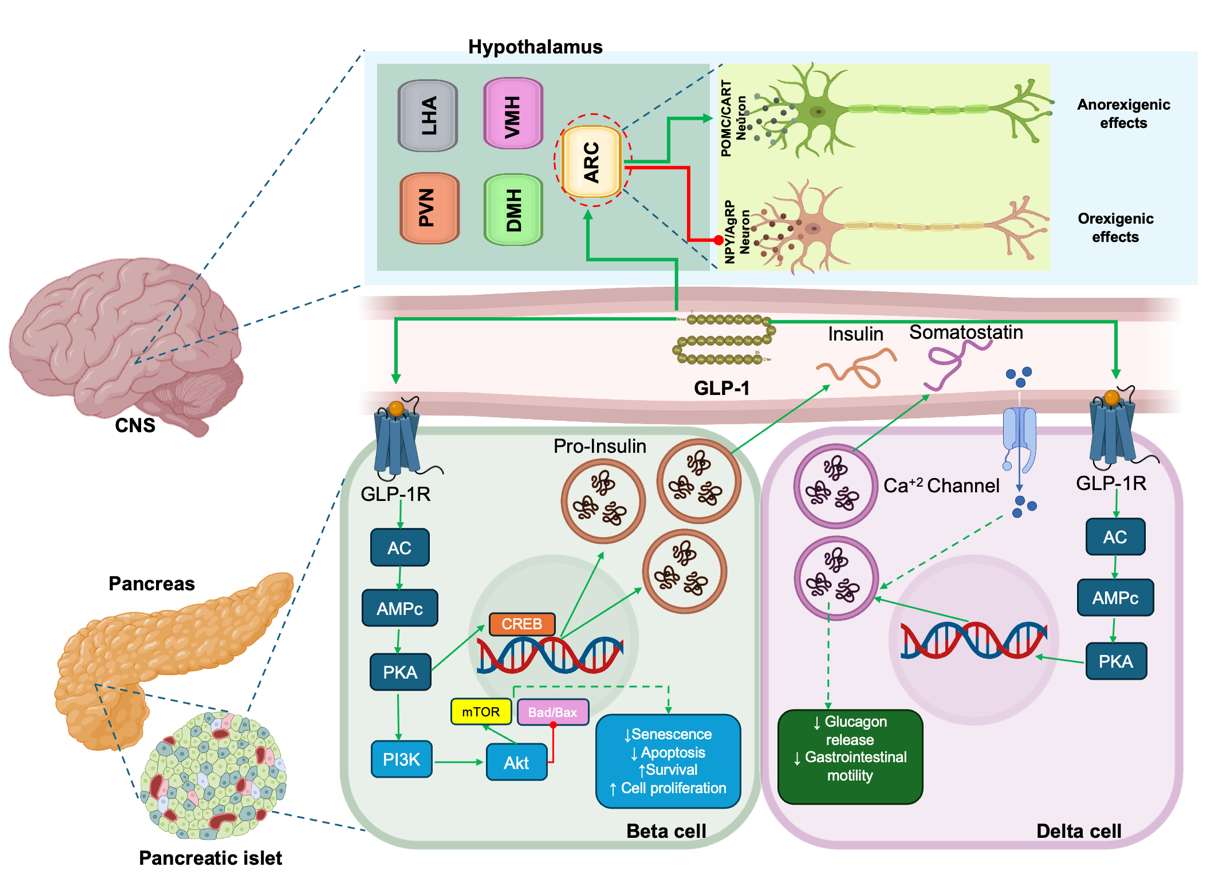
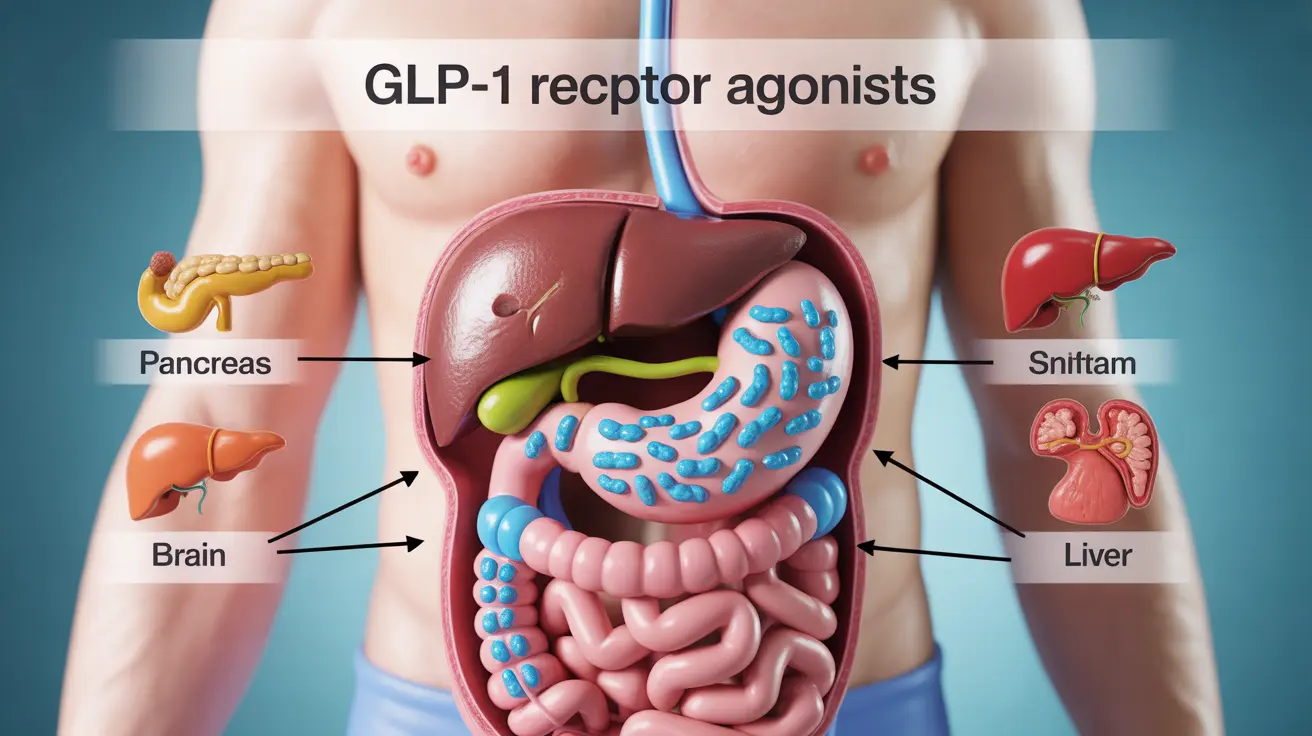
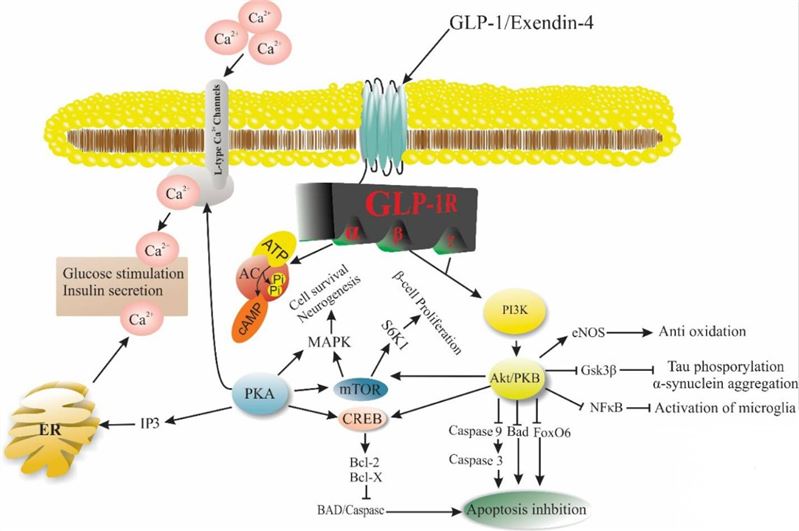
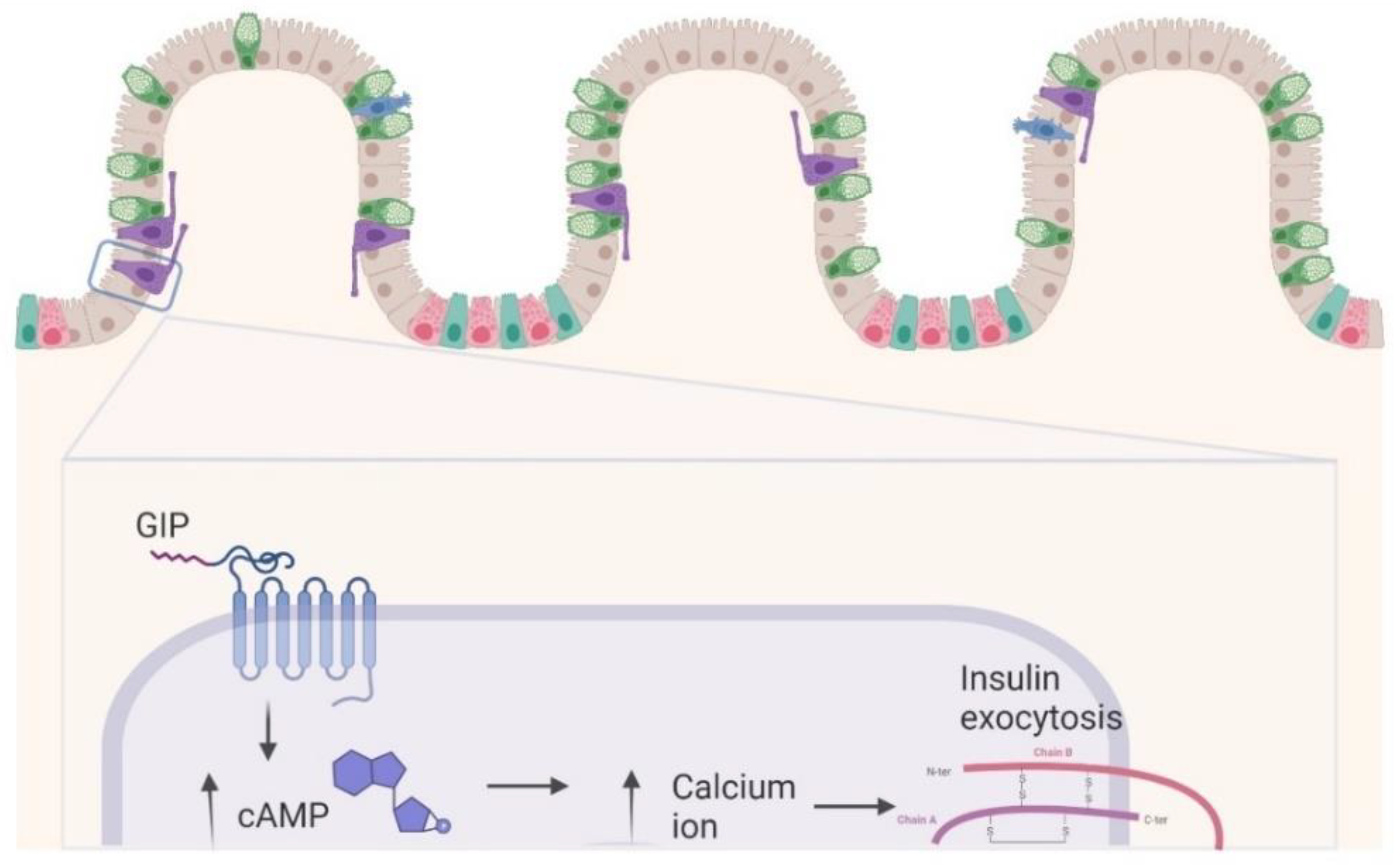
GLP-1 receptor agonists mimic the action of the naturally occurring hormone GLP-1, which is secreted by the intestine in response to food intake. GLP-1 plays a critical role in glucose homeostasis, enhancing insulin secretion, inhibiting glucagon release, and slowing gastric emptying. By activating the GLP-1 receptor, these medications amplify these natural processes, leading to improved glycemic control and weight loss.

Benefits of GLP-1 Receptor Agonists
- Improved Glycemic Control: GLP-1 receptor agonists have been shown to significantly reduce hemoglobin A1c (HbA1c) levels, improving blood sugar control and reducing the risk of diabetes-related complications.
- Weight Loss: Many GLP-1 receptor agonists have been found to lead to significant weight loss, which is an added benefit for patients with type 2 diabetes.
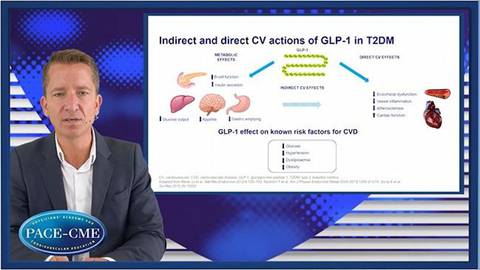
- Cardiovascular Protection: These medications have been associated with a reduced risk of major adverse cardiovascular events (MACE), including heart attacks, strokes, and deaths from cardiovascular causes.
- Renal Benefits: GLP-1 receptor agonists have been shown to slow the progression of kidney disease and reduce the risk of cardiovascular events in patients with chronic kidney disease.