GLP-1 Analogues and Intermittent Fasting: What You Need to Know
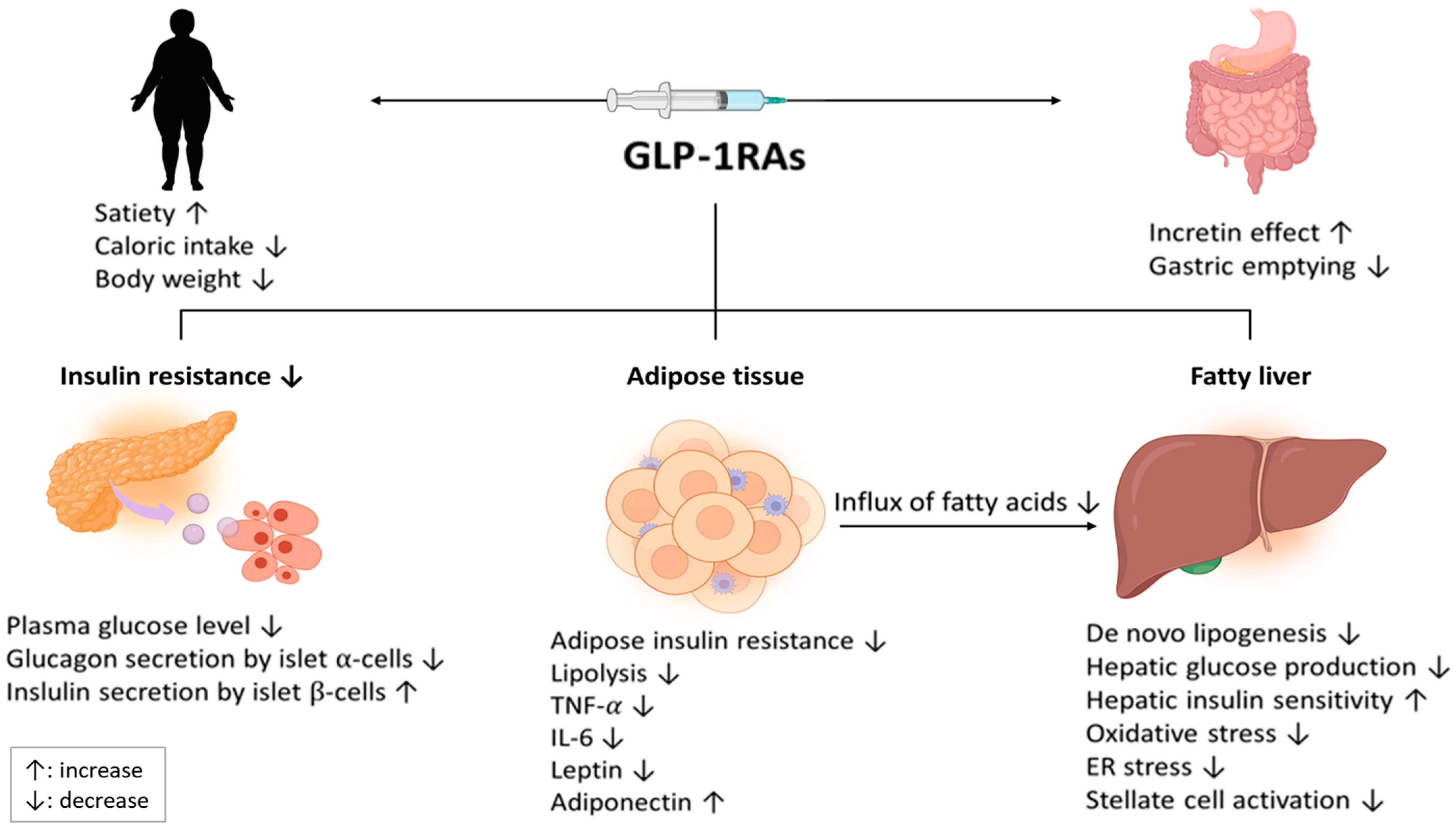
Glucagon-like peptide-1 (GLP-1) and its analogues have revolutionized the management of type 2 diabetes and obesity by helping to regulate glucose metabolism and promote weight loss.
Understanding GLP-1 and Its Analogs
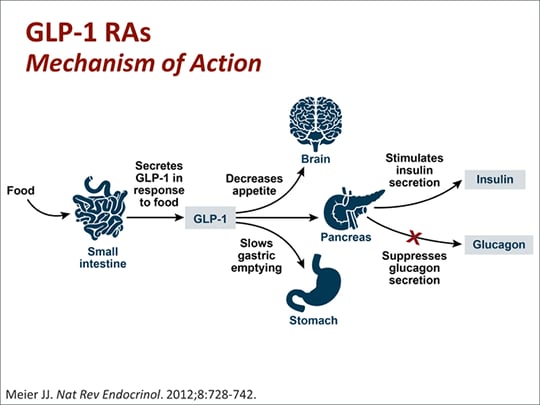
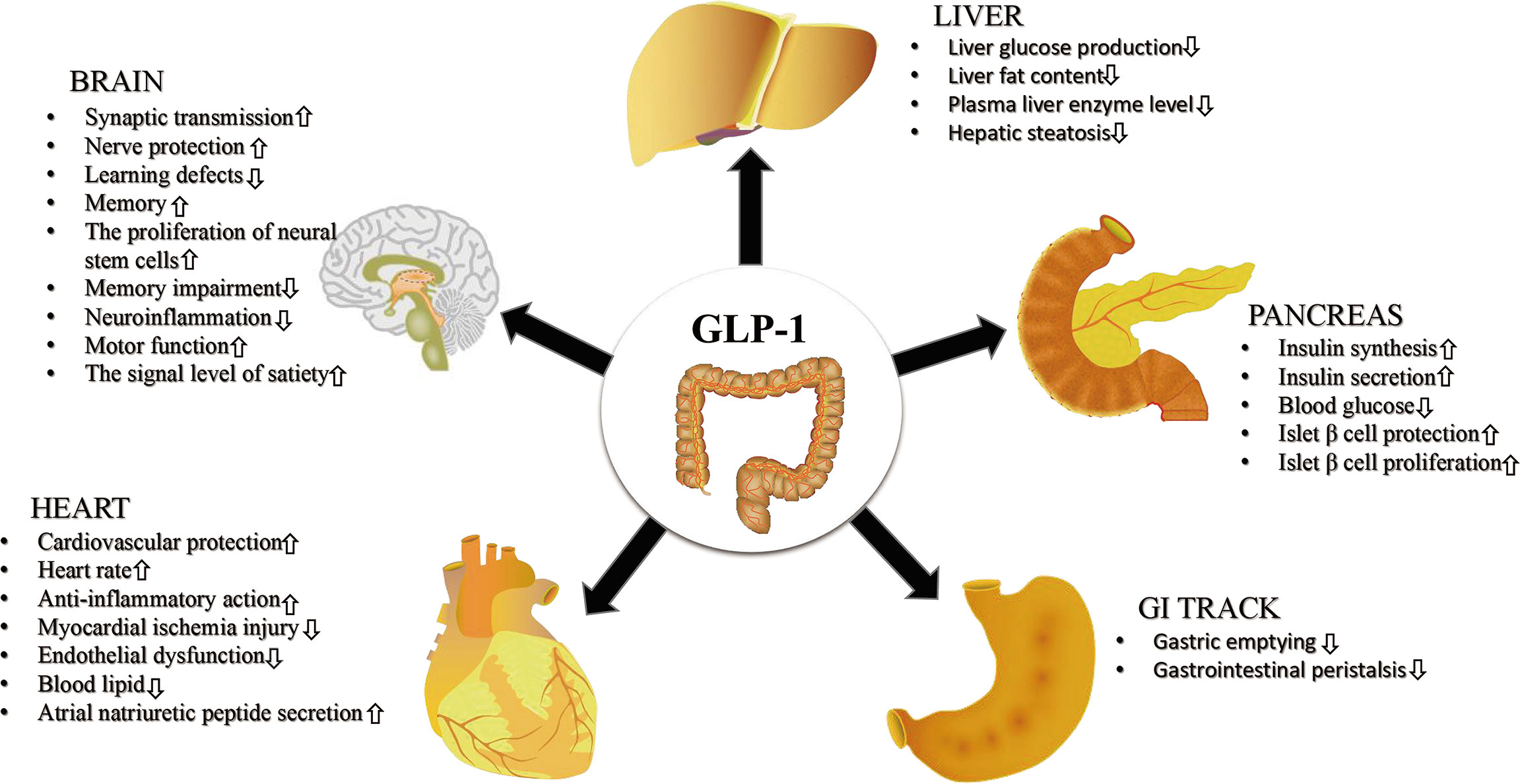
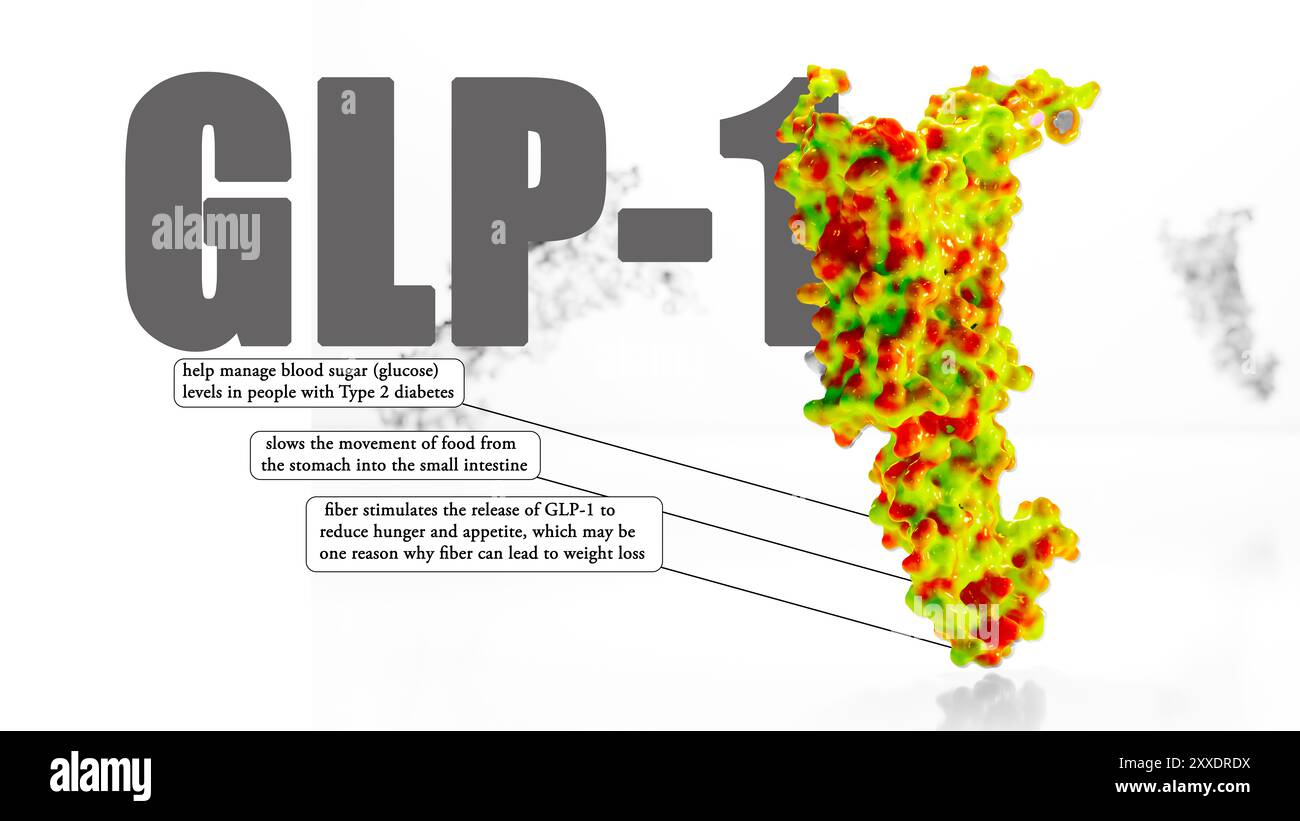
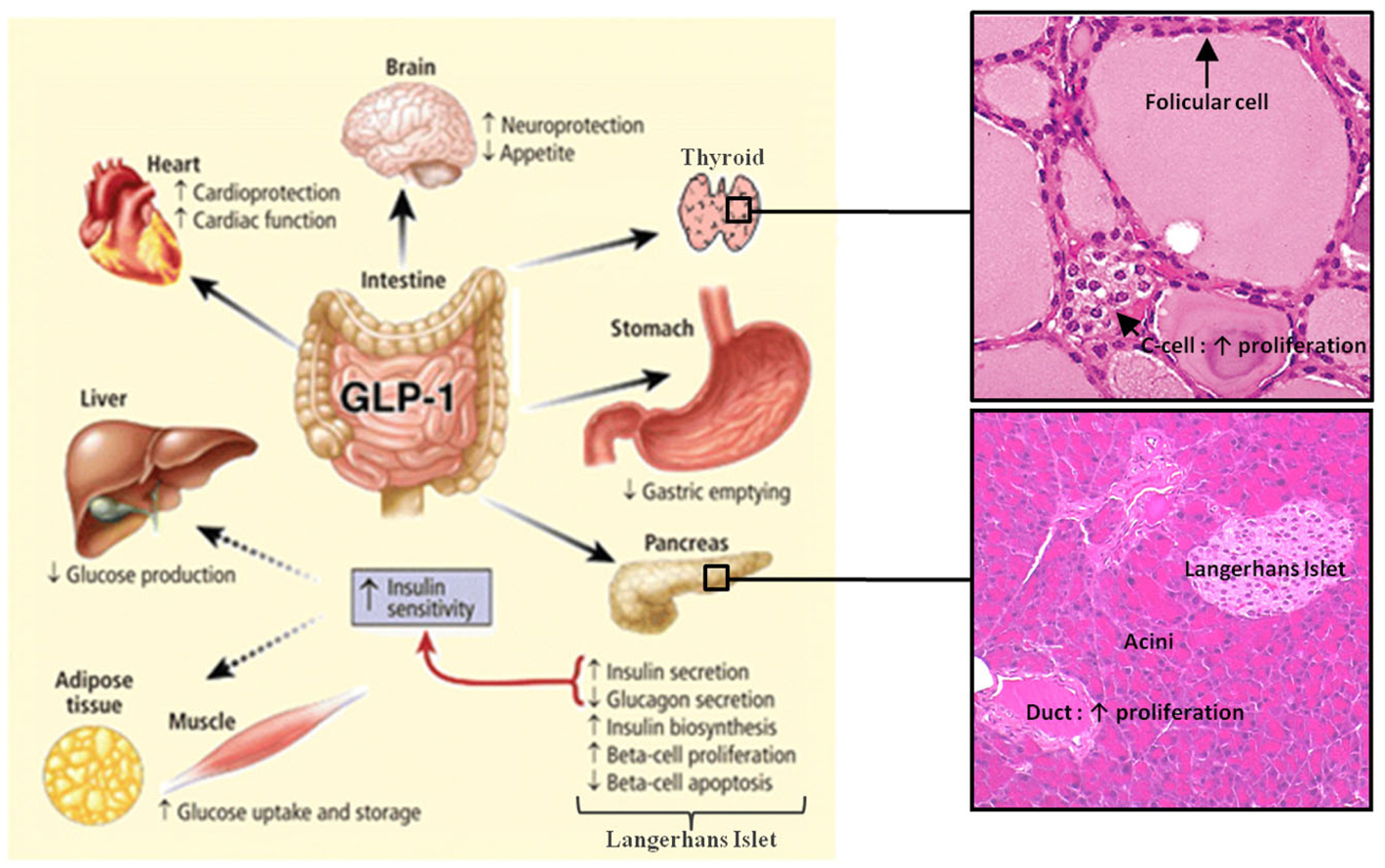
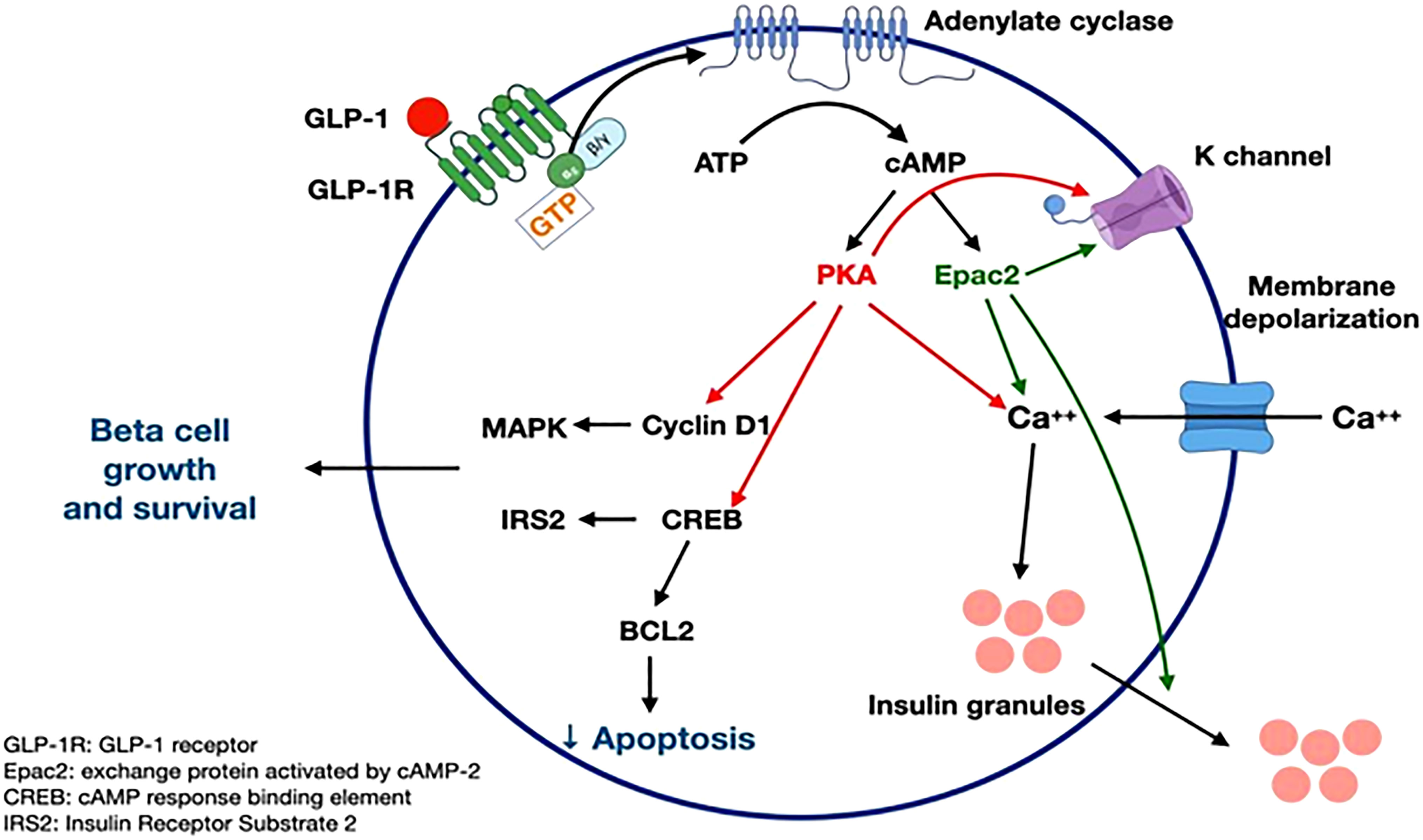
GLP-1 is a hormone secreted by L cells in the intestine in response to food intake. It plays a crucial role in regulating glucose metabolism by stimulating insulin secretion and suppressing glucagon release. GLP-1 analogues are synthetic medications that mimic the action of natural GLP-1 and have been shown to be effective in improving glycemic control and promoting weight loss.
How Intermittent Fasting Affects GLP-1 Secretion

Intermittent fasting (IF) has been shown to affect GLP-1 secretion in various ways. Some studies have found that IF can improve insulin sensitivity and enhance GLP-1 secretion, while others have reported that it can worsen nausea and fatigue in individuals taking GLP-1 analogues.
Benefits and Risks of Combining GLP-1 Analogs and Intermittent Fasting
Combining GLP-1 analogues with intermittent fasting may offer several benefits, including improved insulin sensitivity, weight loss, and reduced hunger. However, there are also potential risks, particularly if fasting is done excessively or without proper guidance.
- Improved insulin sensitivity: Intermittent fasting has been shown to improve insulin sensitivity, which can enhance the effectiveness of GLP-1 analogues.
- Weight loss: Combining GLP-1 analogues with intermittent fasting may lead to greater weight loss compared to using either treatment alone.
- Reduced hunger: GLP-1 analogues can suppress hunger, but intermittent fasting may also help reduce hunger by prolonging the time between meals.