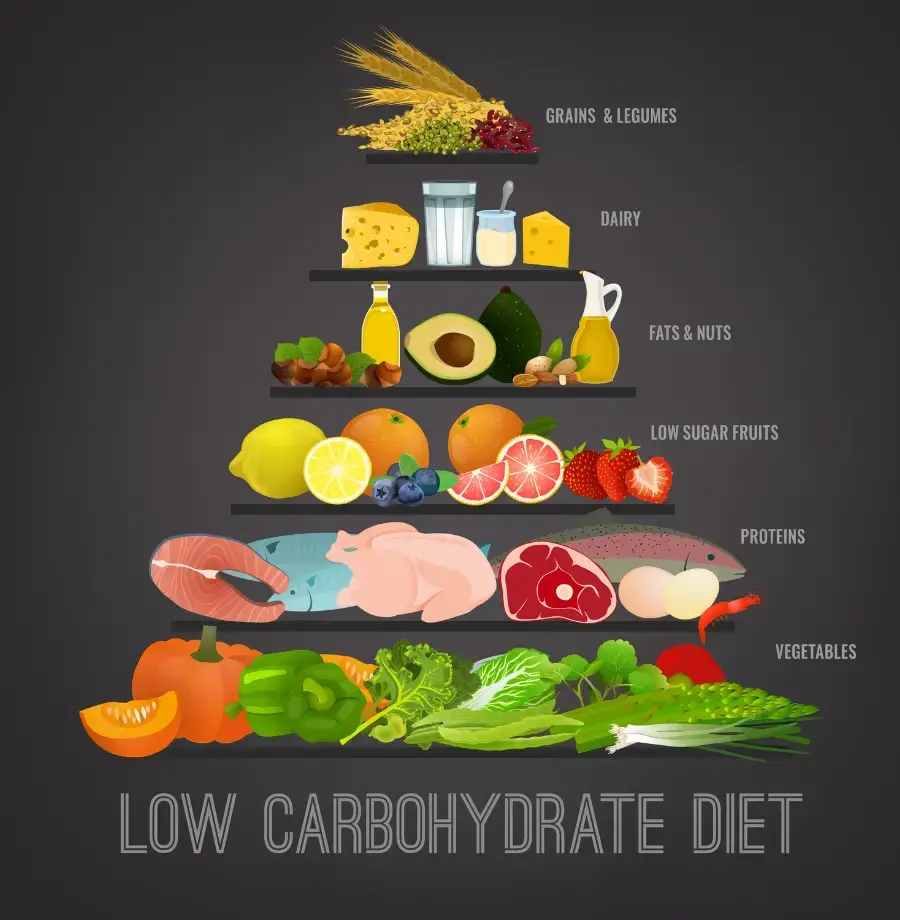
GLP-1 Levels in a Low-Carb Diet: Unlocking the Secrets of Sustained Weight Loss and Improved Metabolic Health
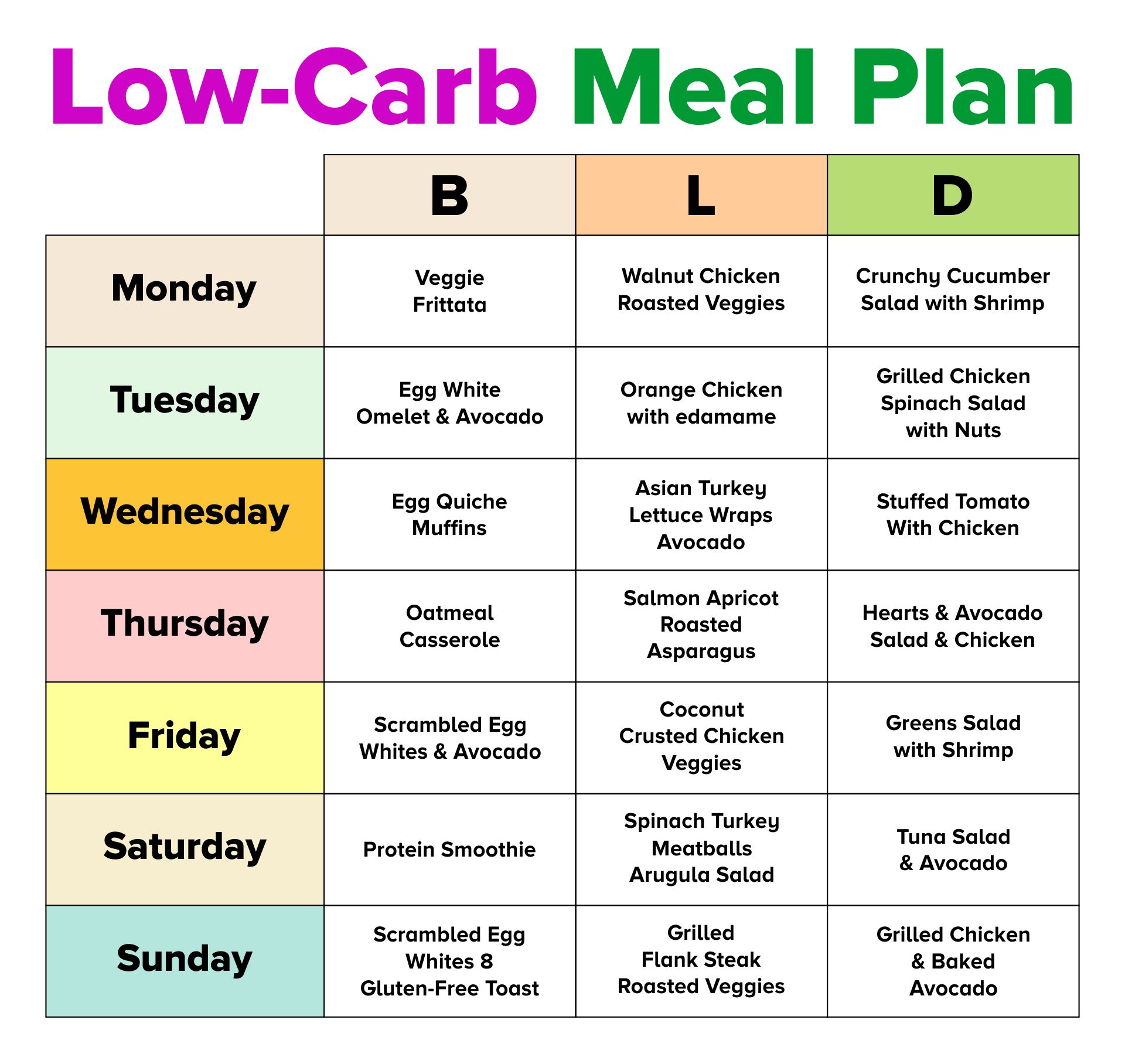
When it comes to achieving sustained weight loss and improving metabolic health, a low-carb diet is often recommended as a viable solution. However, many people wonder about the role of GLP-1 levels in a low-carb diet and how it can impact their overall health and weight loss journey. In this article, we will delve into the world of GLP-1 and explore how a low-carb diet can affect GLP-1 levels, leading to improved metabolic health and sustained weight loss.
The Science Behind GLP-1
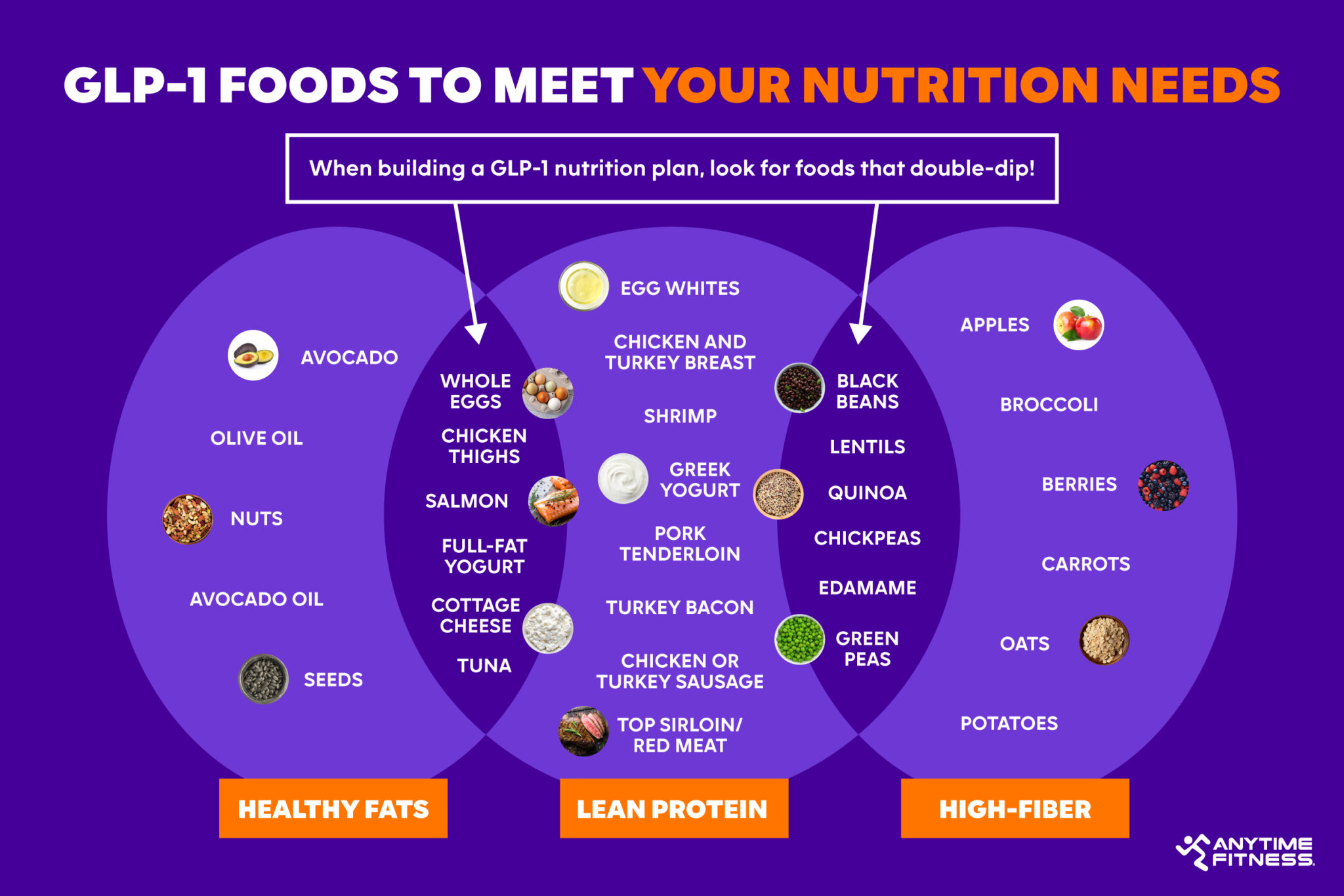
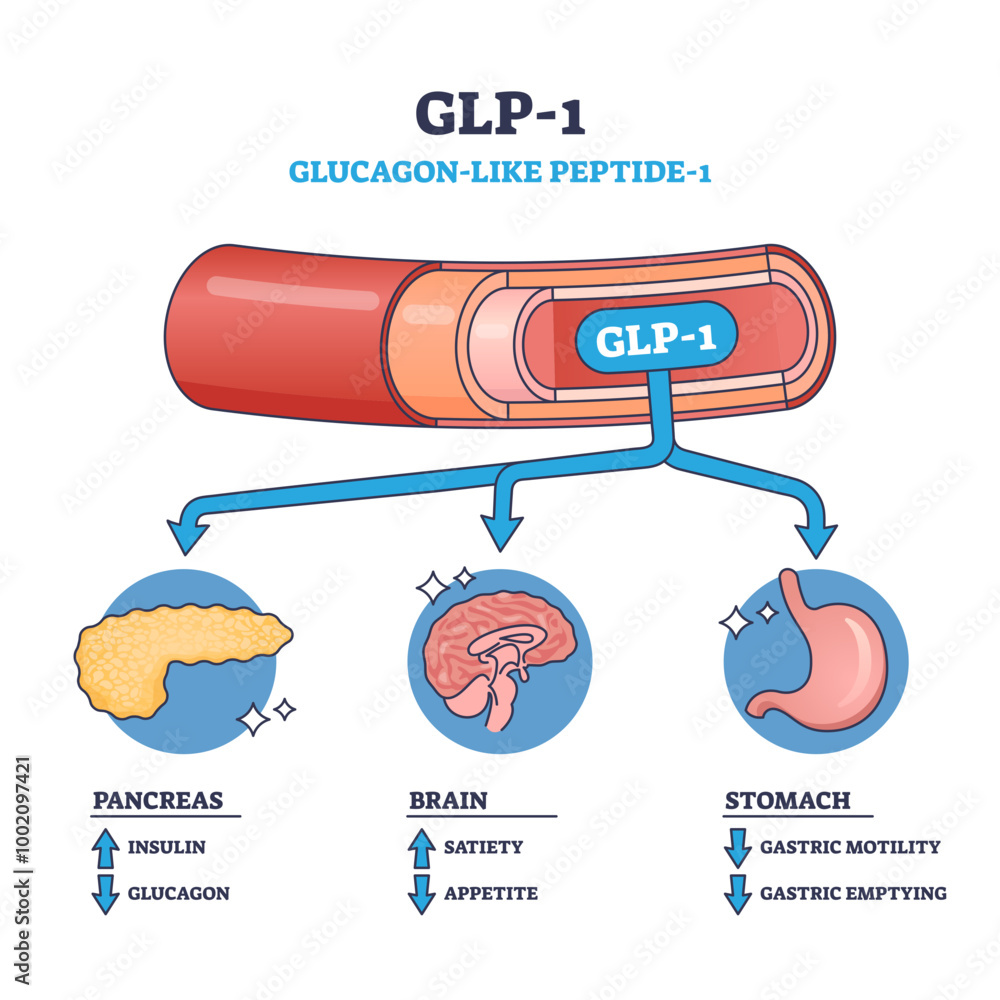
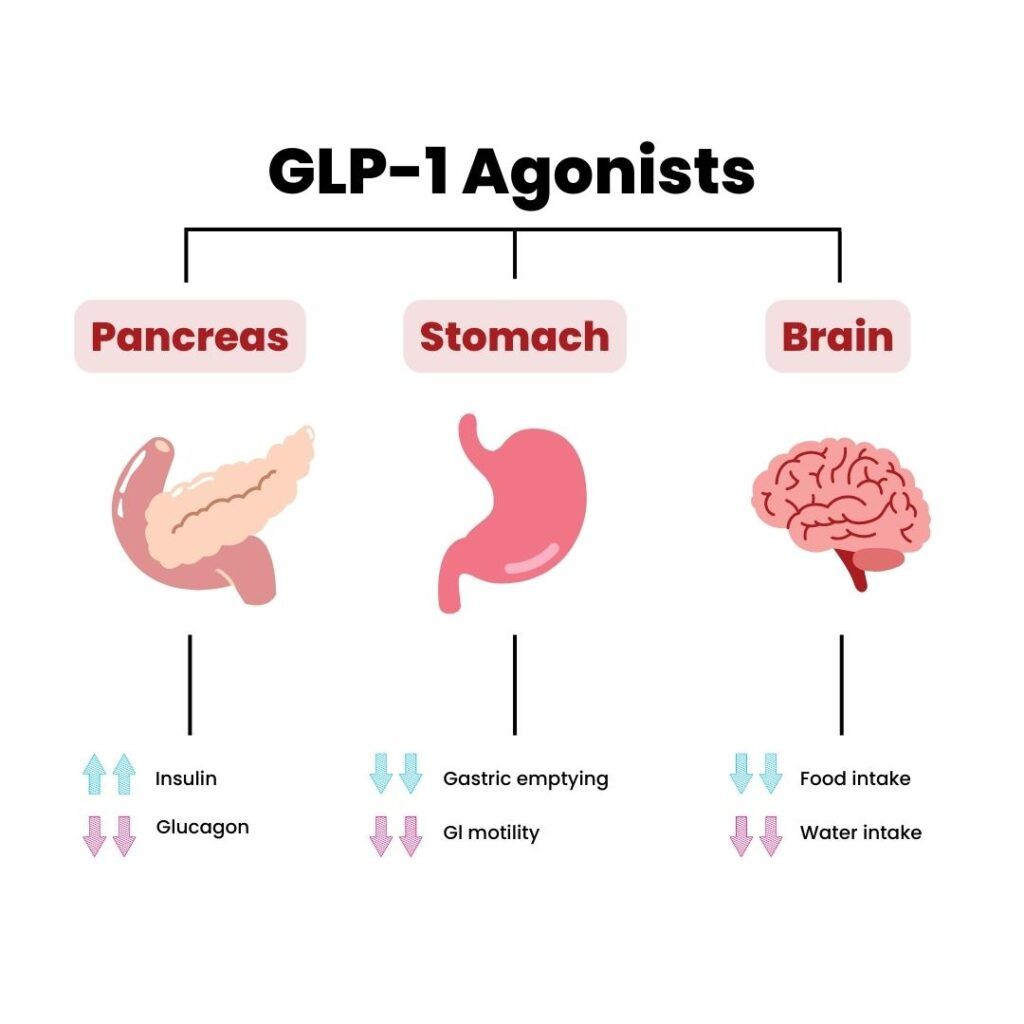
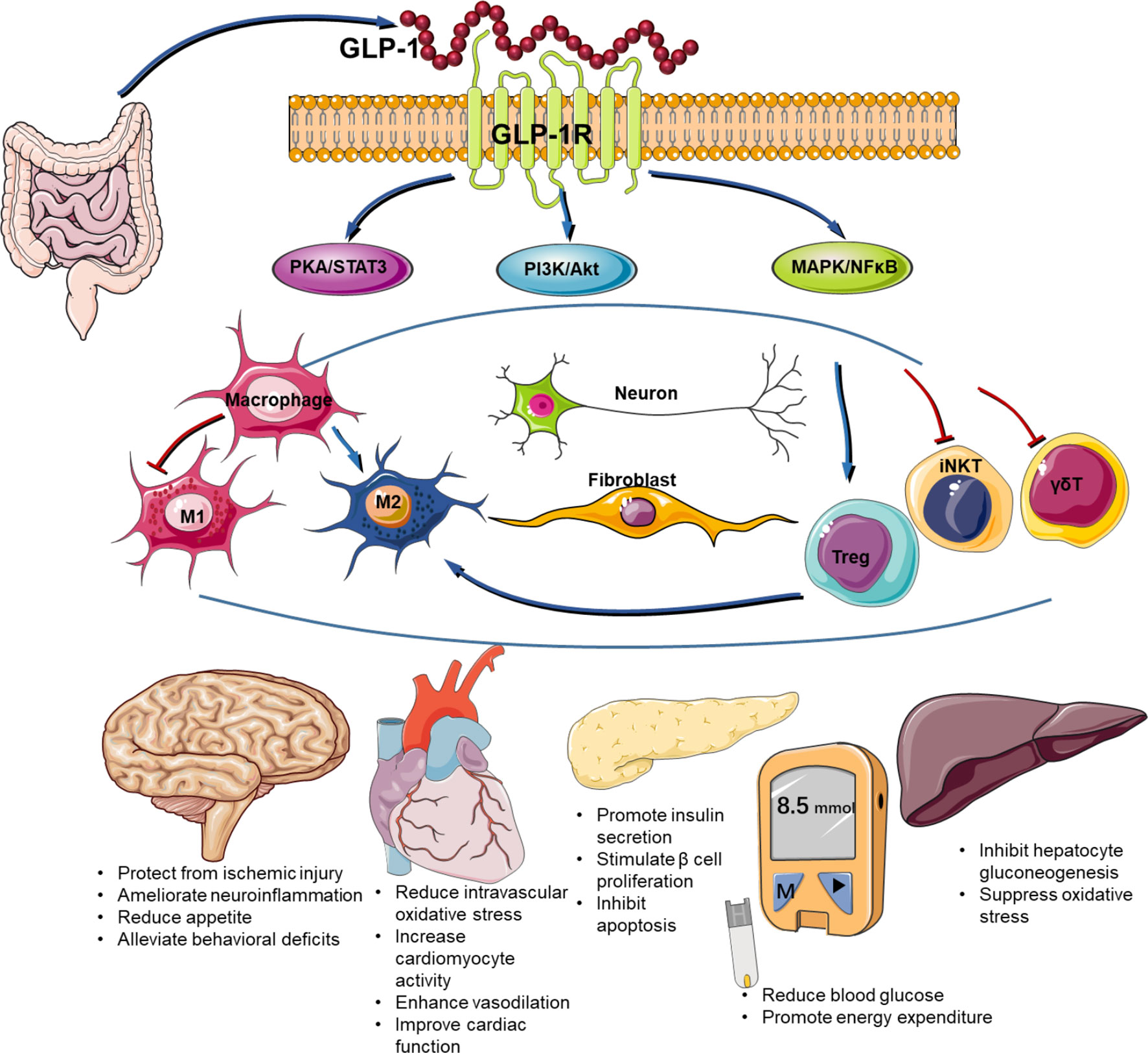
GLP-1, or glucagon-like peptide-1, is a hormone produced in the intestines in response to food consumption. It plays a crucial role in regulating blood sugar levels, appetite, and satiety. GLP-1 helps to slow down gastric emptying, reducing the rate at which food enters the bloodstream, and increasing insulin secretion to lower blood sugar levels. It also helps to reduce appetite and increase feelings of fullness, making it an essential hormone for weight management.

The Impact of a Low-Carb Diet on GLP-1 Levels
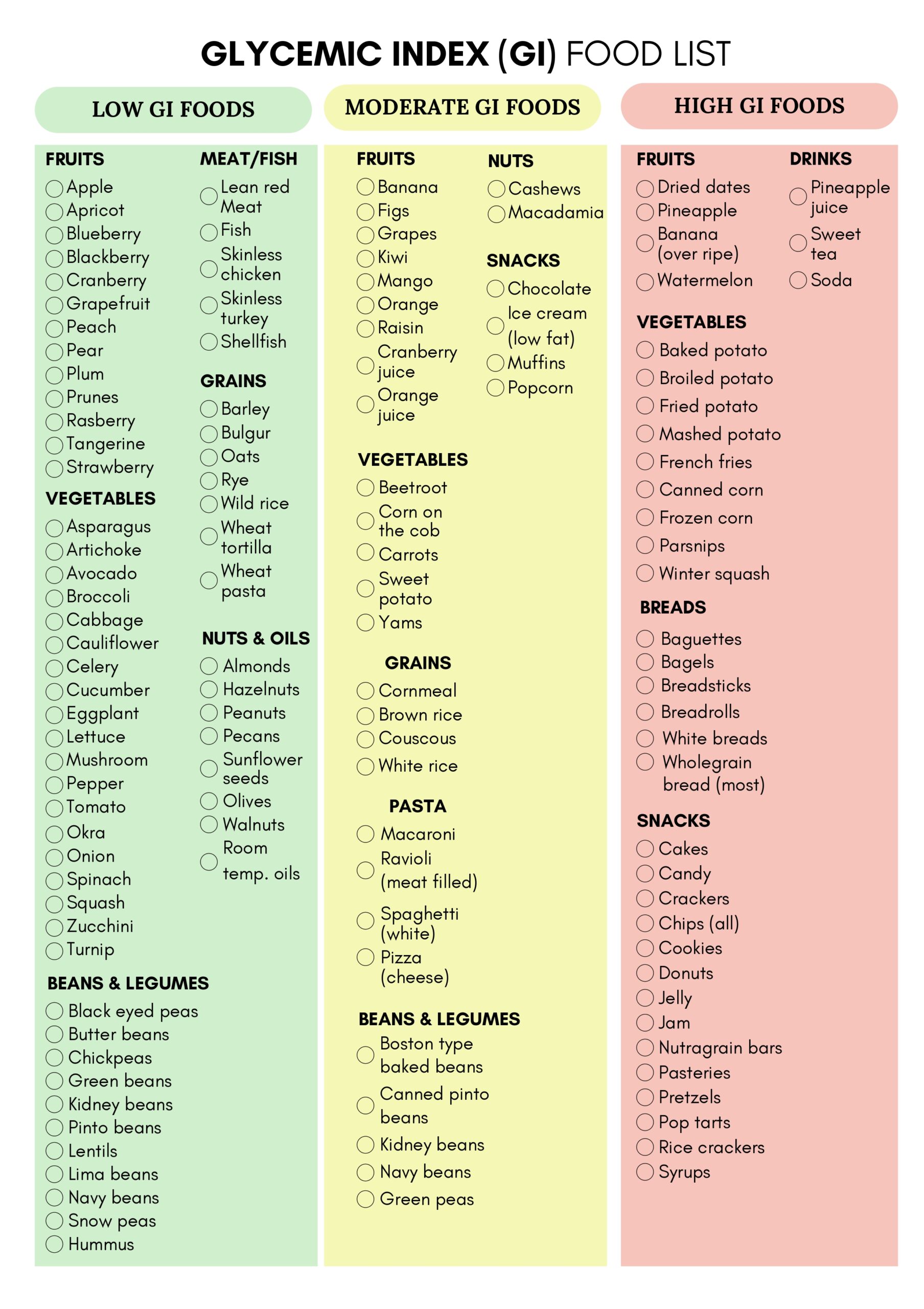
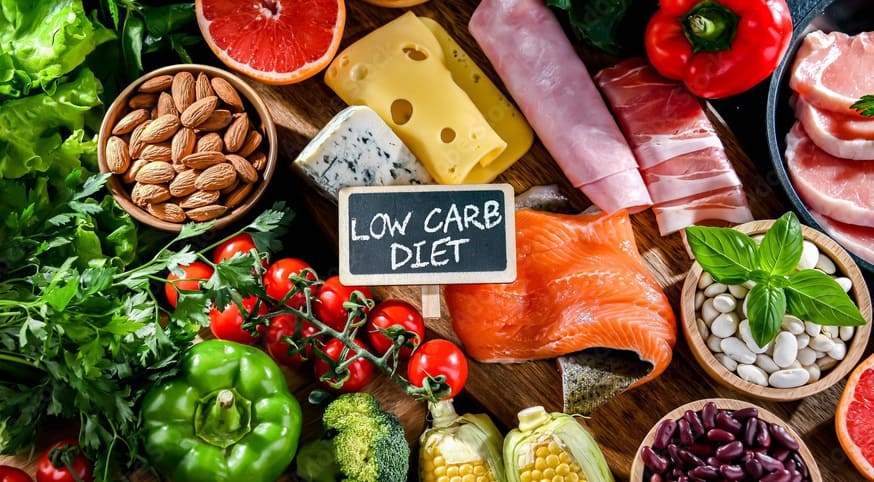
When following a low-carb diet, the body is forced to rely on stored fat for energy instead of carbohydrates. This leads to a reduction in insulin levels, as the body produces less insulin to process glucose from carbohydrates. As insulin levels decrease, the kidneys are triggered to release stored sodium and water, leading to weight loss and improved metabolic health. A low-carb diet also increases the production of GLP-1, as the body adapts to the new energy source.