How to Increase GLP-1 Levels Naturally
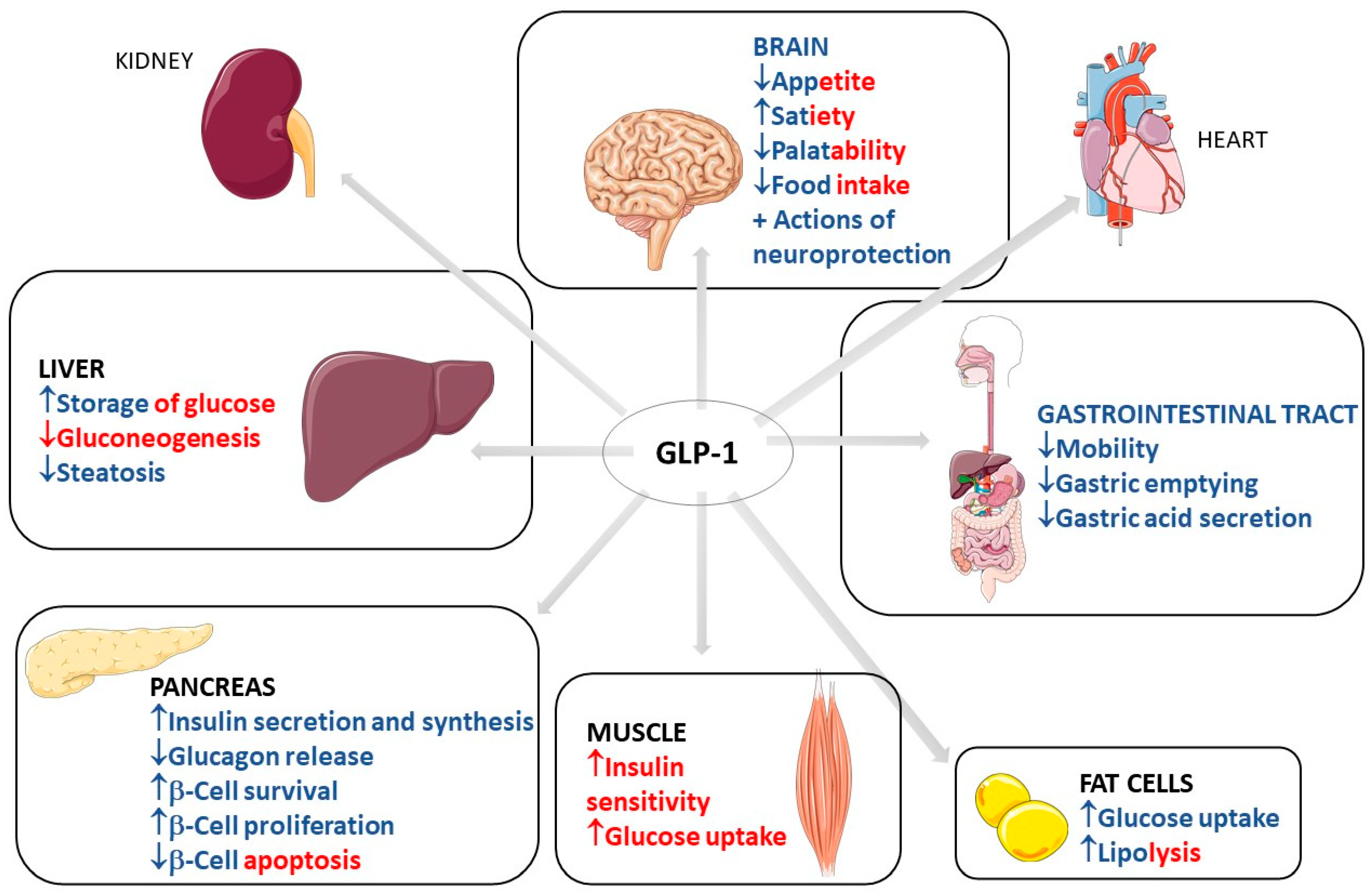
As interest in GLP-1 weight loss treatments grows, many people begin searching for ways to support GLP-1 naturally. The goal is often the same: improve metabolism, manage appetite, and support weight loss in a way that feels sustainable.
Why Do People Want to Increase GLP-1 Naturally?
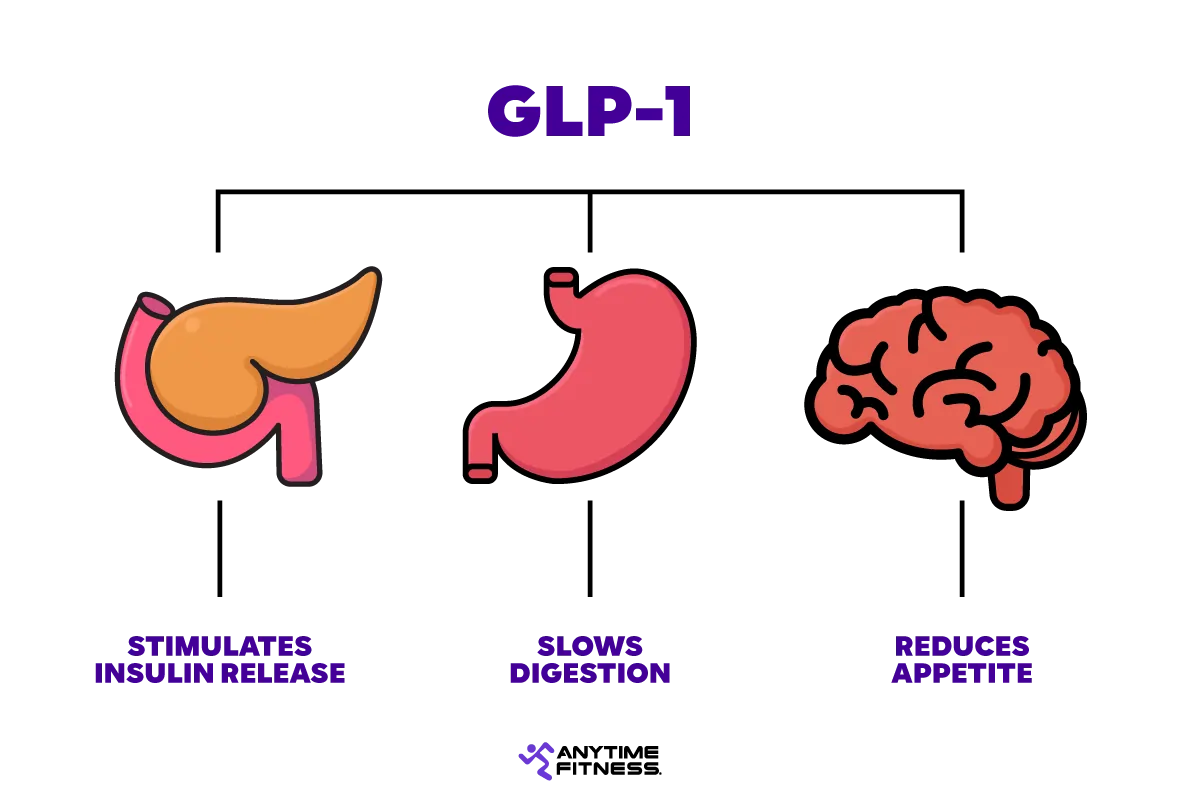
High levels of this hormone naturally help reduce food intake and manage body weight. The good news is that there are several ways to increase GLP-1 levels naturally, without relying on medication or expensive supplements.
How to Increase GLP-1 Levels Naturally

Foods That Boost GLP-1 Levels
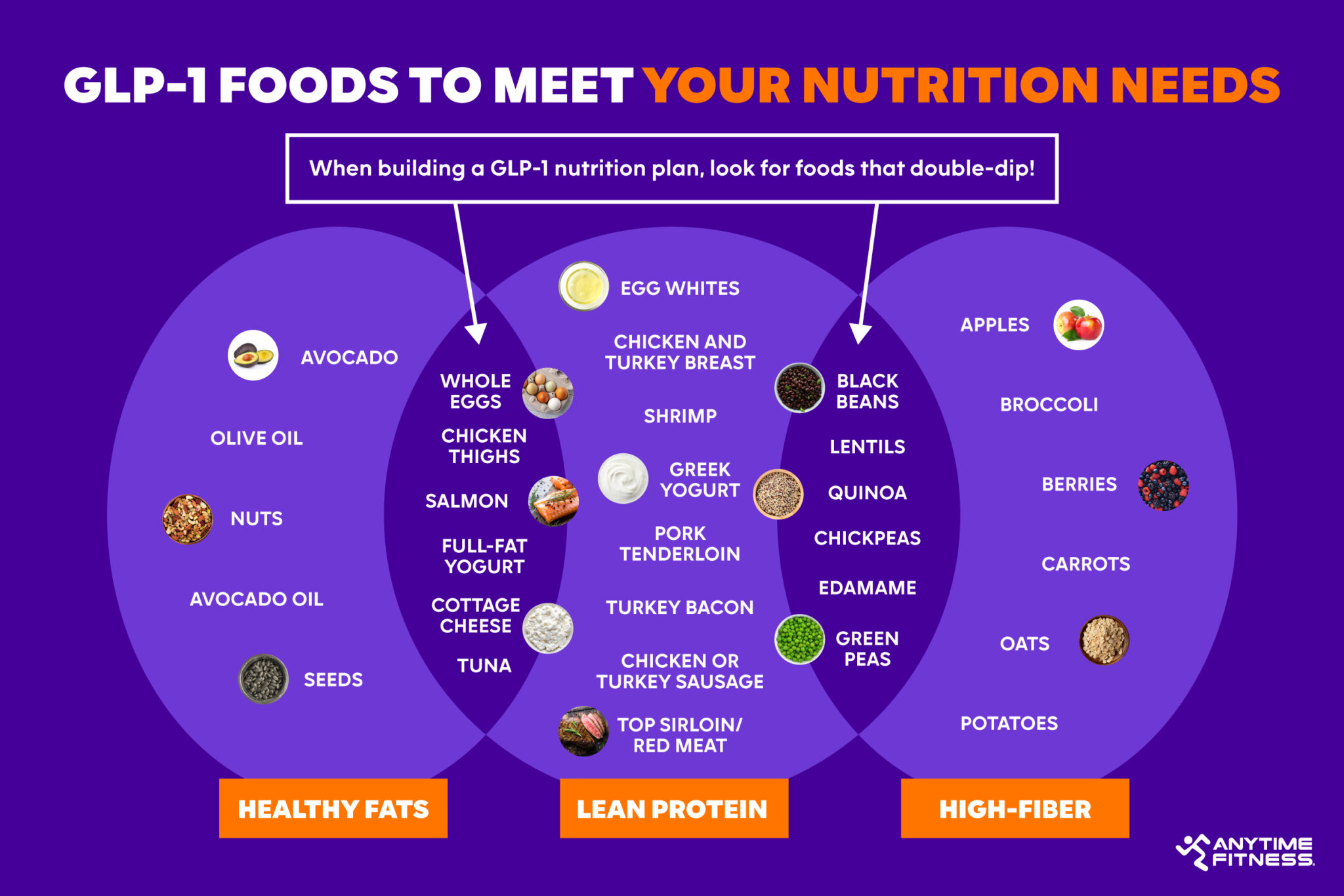
- High-Fiber Foods: A diet rich in high-fiber foods may help your body naturally release more GLP-1. Include foods like whole grains, fruits, and vegetables in your diet.
- Protein-Rich Foods: Consuming 25 to 30 grams of protein per meal is sufficient to trigger a strong release of satiety hormones, including GLP-1.
- Healthy Fats: Foods high in healthy fats, such as avocados, nuts, and olive oil, can help regulate appetite and blood sugar levels.
- Fermented Foods: Fermented foods like kimchi, sauerkraut, and kefir contain probiotics, which support healthy gut bacteria and increase GLP-1 production.
Lifestyle Habits That Support GLP-1 Production
- Regular Exercise: Research shows that a single exercise session, as well as long-term training, can enhance GLP-1 levels in the body for those who have type 2 diabetes.
- Get Enough Sleep: Poor sleep can disrupt hormone production, including GLP-1. Aim for 7-8 hours of sleep per night.
- Manage Stress: Chronic stress can lead to increased cortisol levels, which can negatively impact GLP-1 production. Engage in stress-reducing activities like yoga, meditation, or deep breathing exercises.