International Trademark Registration and Opposition: A Comprehensive Guide
In todays global economy, protecting intellectual property rights is crucial for businesses to safeguard their brand identities. When someone files for international trademark registration, third parties who believe their rights may be affected have the opportunity to challenge that application through formal opposition proceedings.
Understanding International Trademark Registration and Opposition
International trademark registration is a complex process that requires a comprehensive understanding of intellectual property laws and global trademark protection strategies. When a party files an opposition against an international trademark registration, it can be a challenging and costly process. However, a well-founded opposition can save businesses from costly court proceedings and preserve the uniqueness of their trademark.

Opposition Proceedings in International Trademark Registration
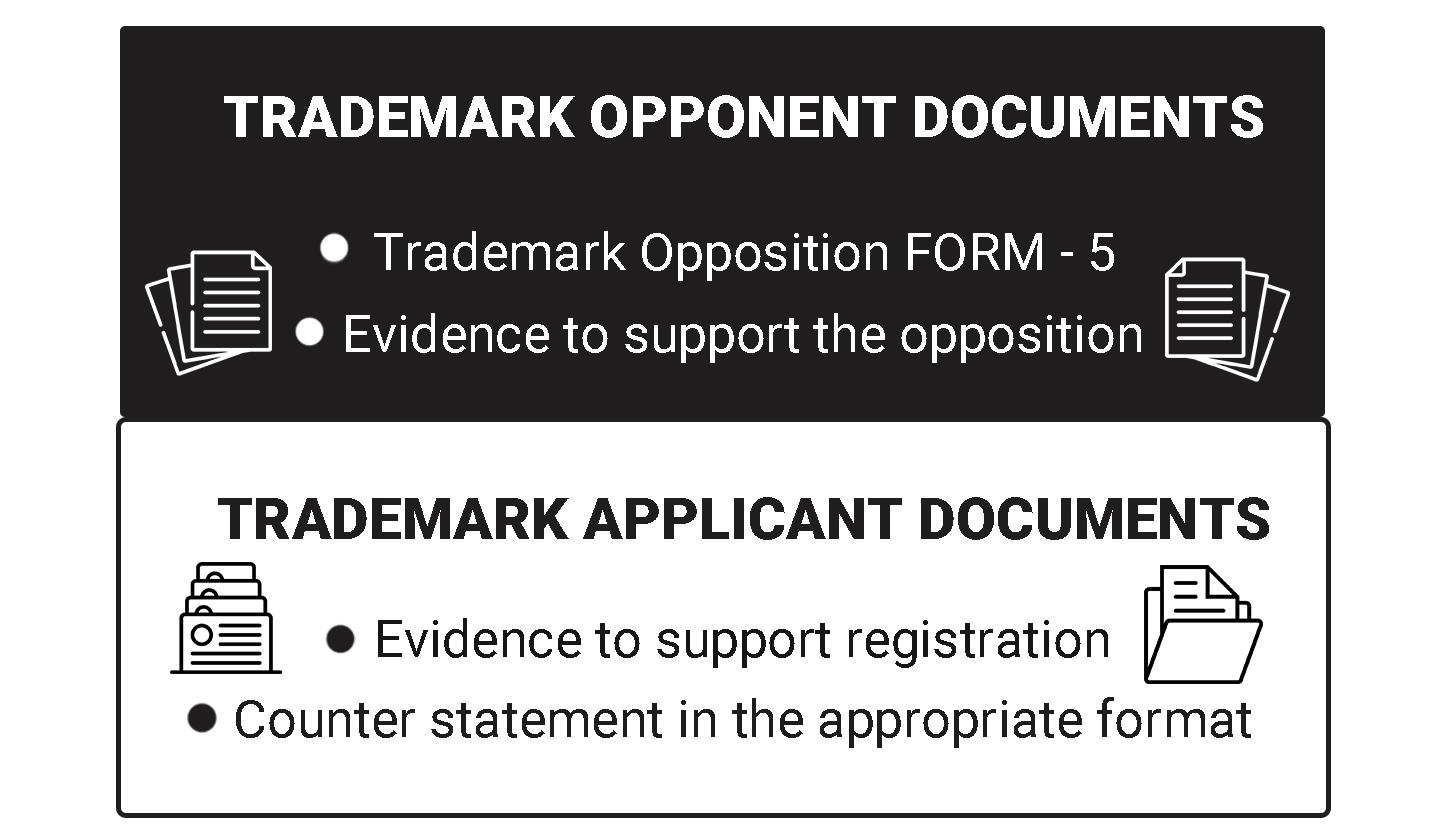
Opposition proceedings are a crucial mechanism for allowing third parties to contest trademark applications before formal approval. This process involves the following steps:
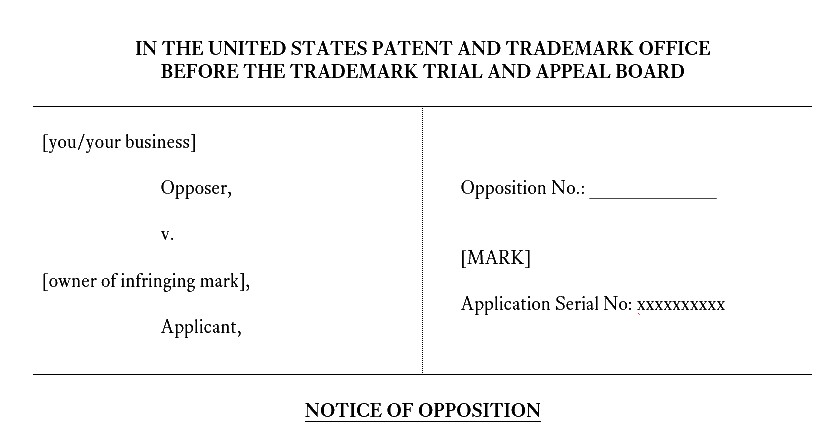
- Notification of opposition: Once an opposition is filed, the trademark office notifies the applicant and the opponent.
- Pre-hearing process: The opposing parties engage in a pre-hearing process, where they exchange information and evidence.
- Heating process: The case goes to a hearing, where both parties present their arguments and evidence.
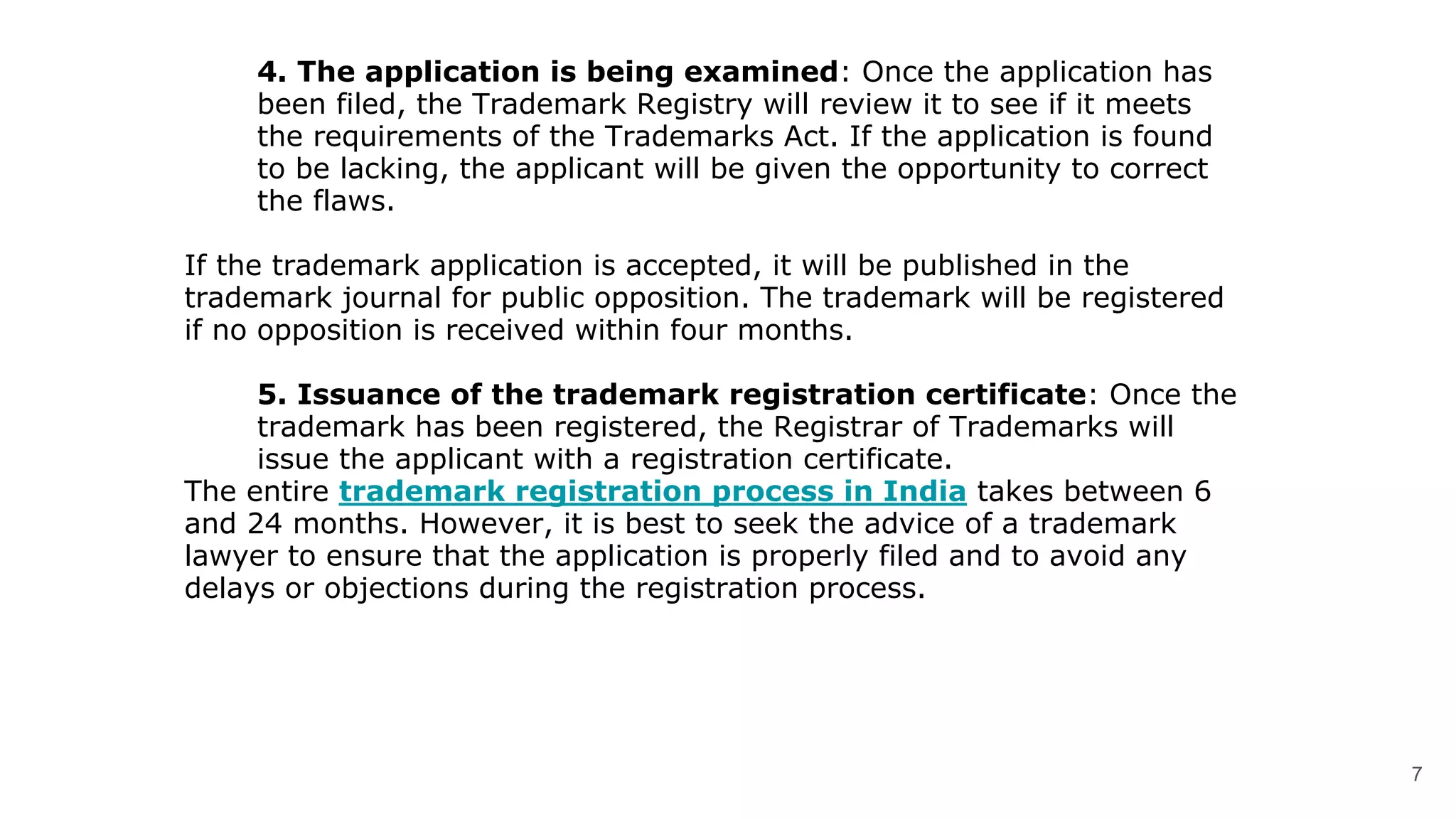
- Decision: The trademark office decides on the validity of the opposition, which can lead to the rejection of the trademark application.