Uncovering the Connection Between Mitochondrial Function and GLP-1
The intricate relationship between mitochondrial function and GLP-1 (Glucagon-like peptide-1) has garnered significant attention in recent years, particularly in the context of metabolic health and weight management. The connection between these two entities holds the key to understanding how we can improve our metabolism, enhance our energy levels, and maintain overall well-being.
Understanding Mitochondrial Function
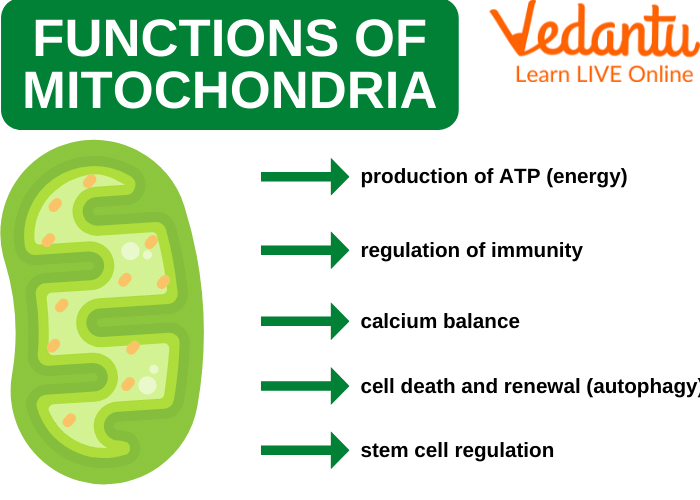
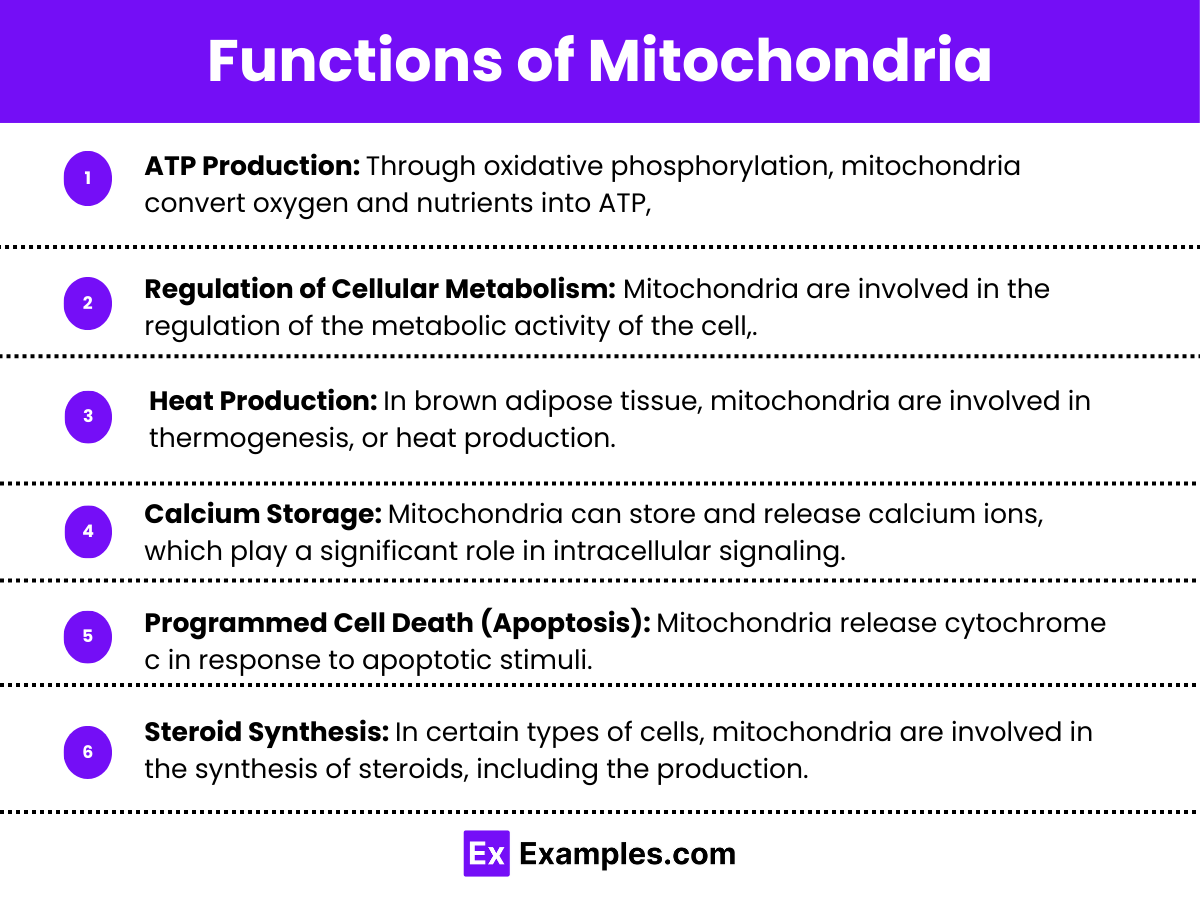
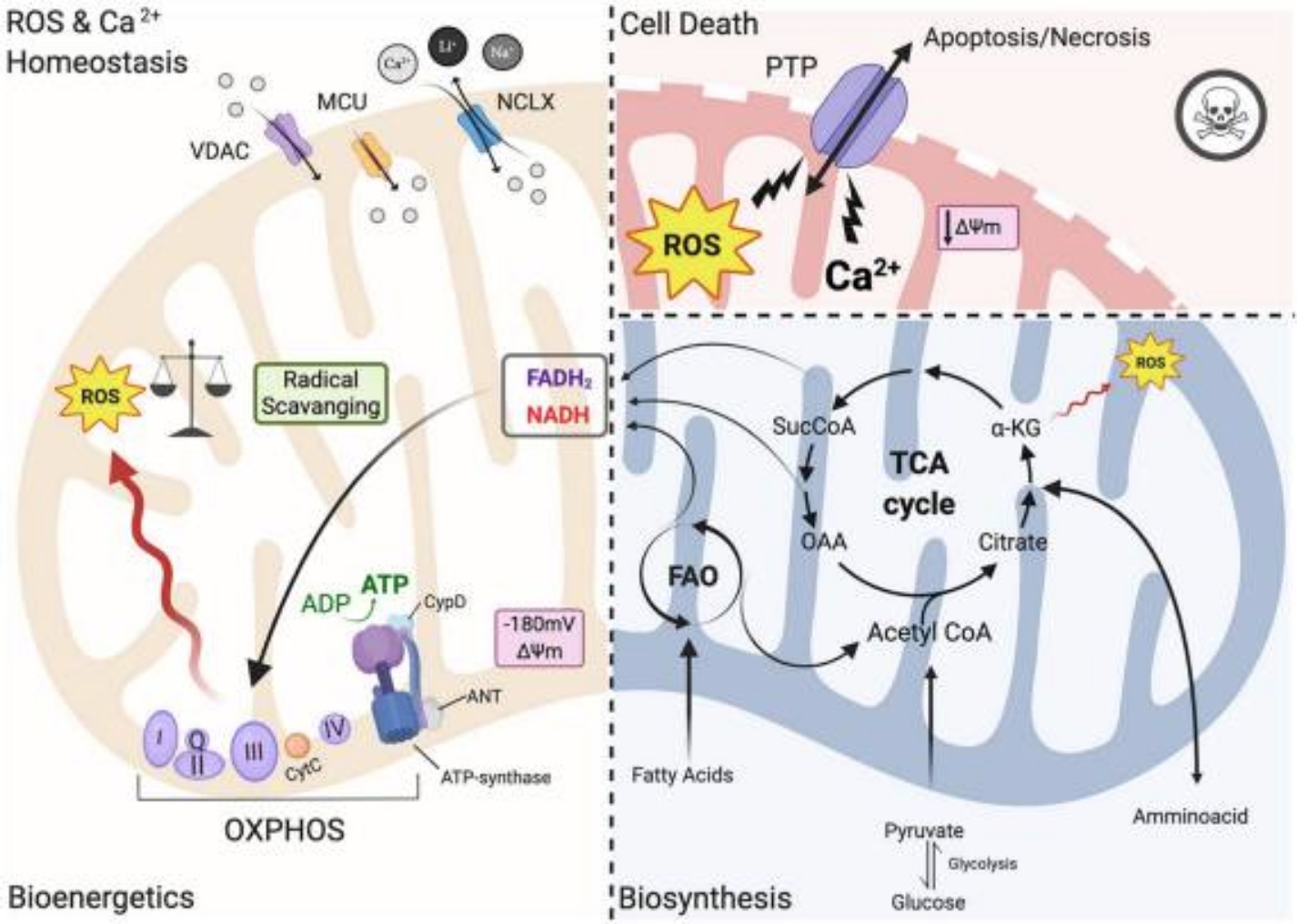
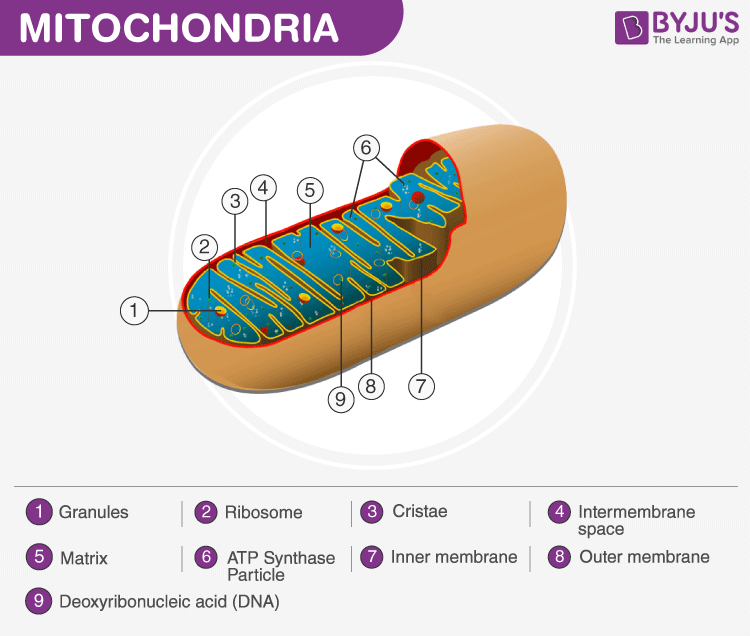
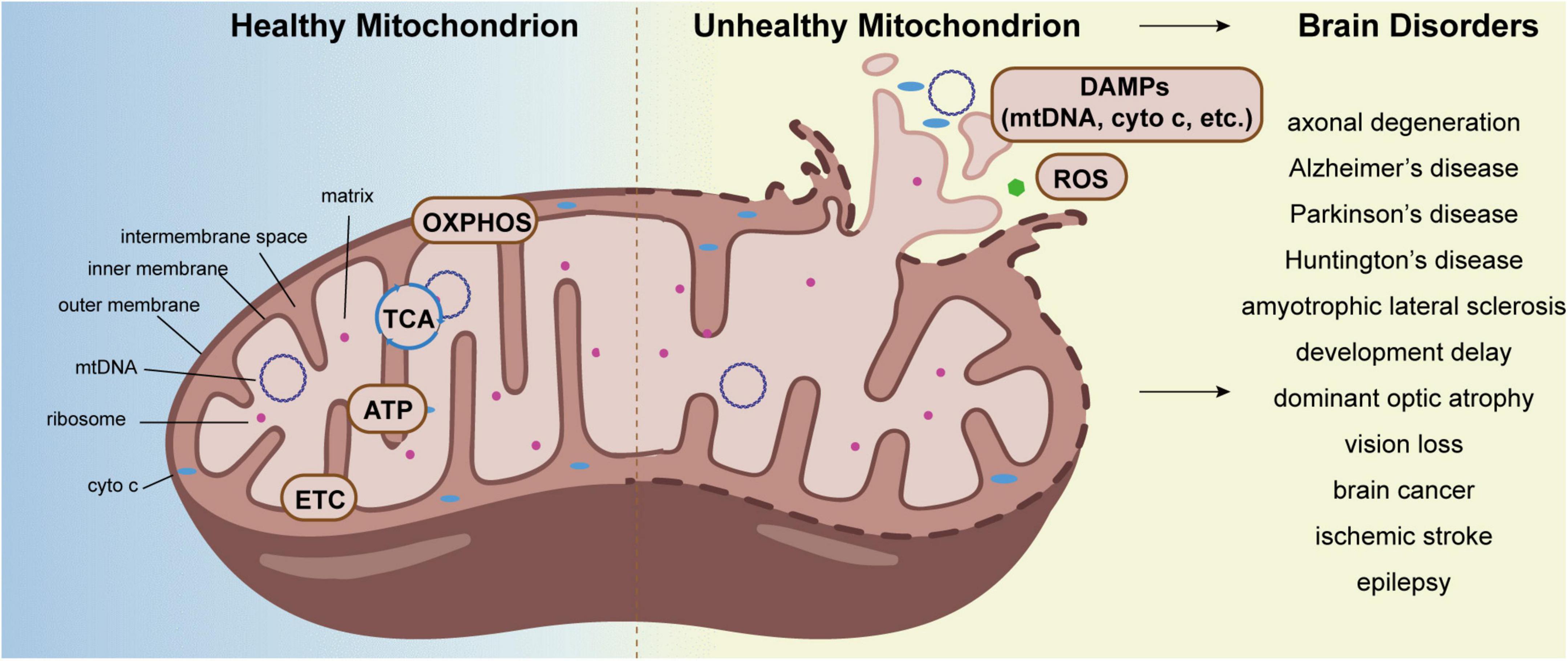
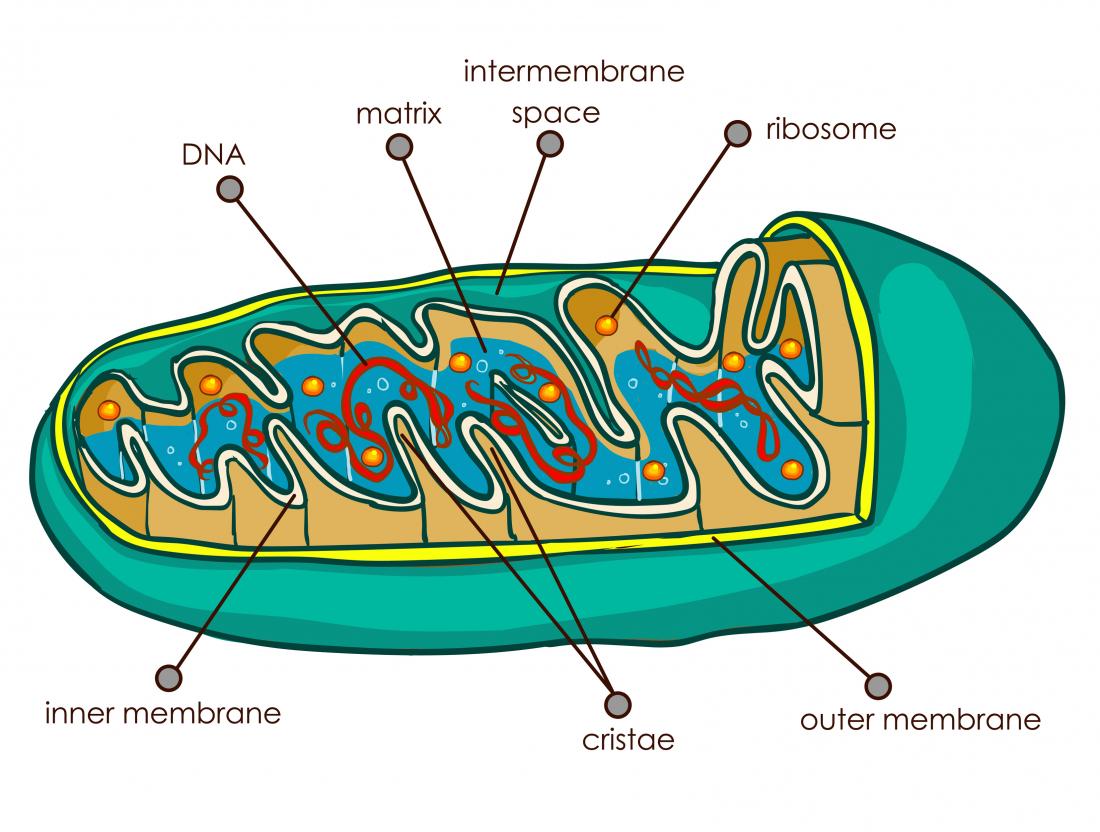
Mitochondria are the powerhouses of our cells, responsible for generating energy through the process of cellular respiration. They are incredibly important for our brain function, heart health, and muscle function. Mitochondrial dysfunction has been linked to various diseases, including type 2 diabetes, cancer, and neurodegenerative disorders. When mitochondria fail to function properly, it can lead to an accumulation of toxins, oxidative stress, and cellular damage.
GLP-1: A Key Player in Metabolic Health
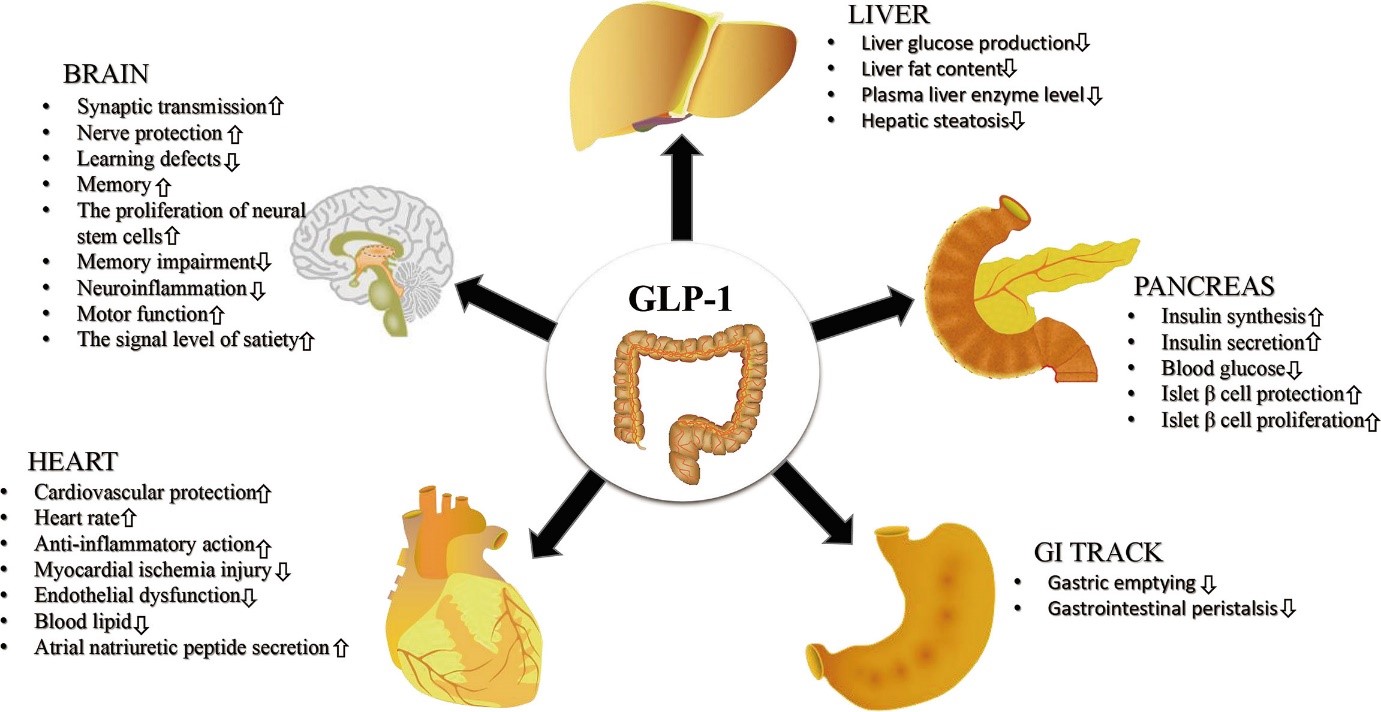
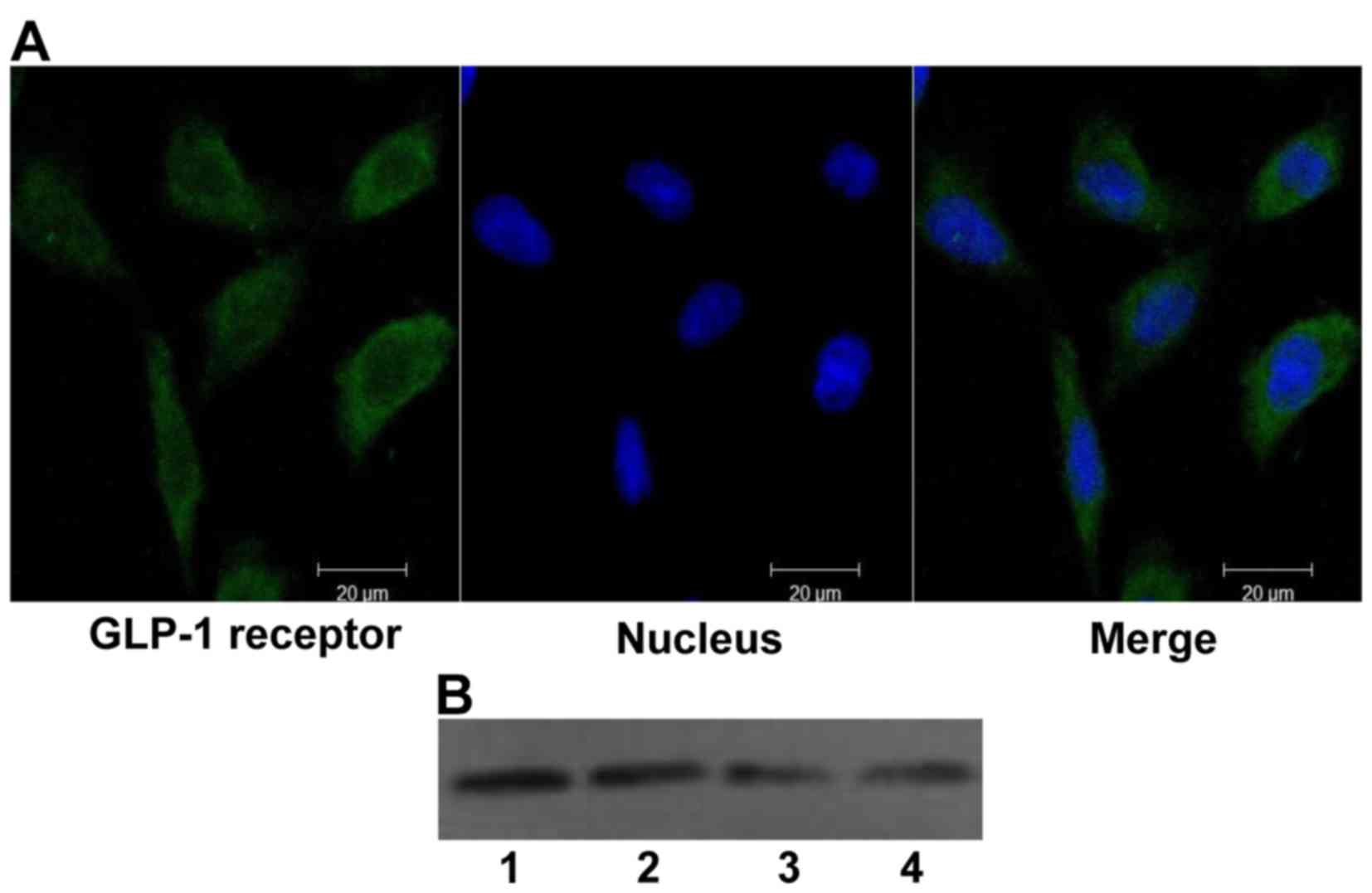
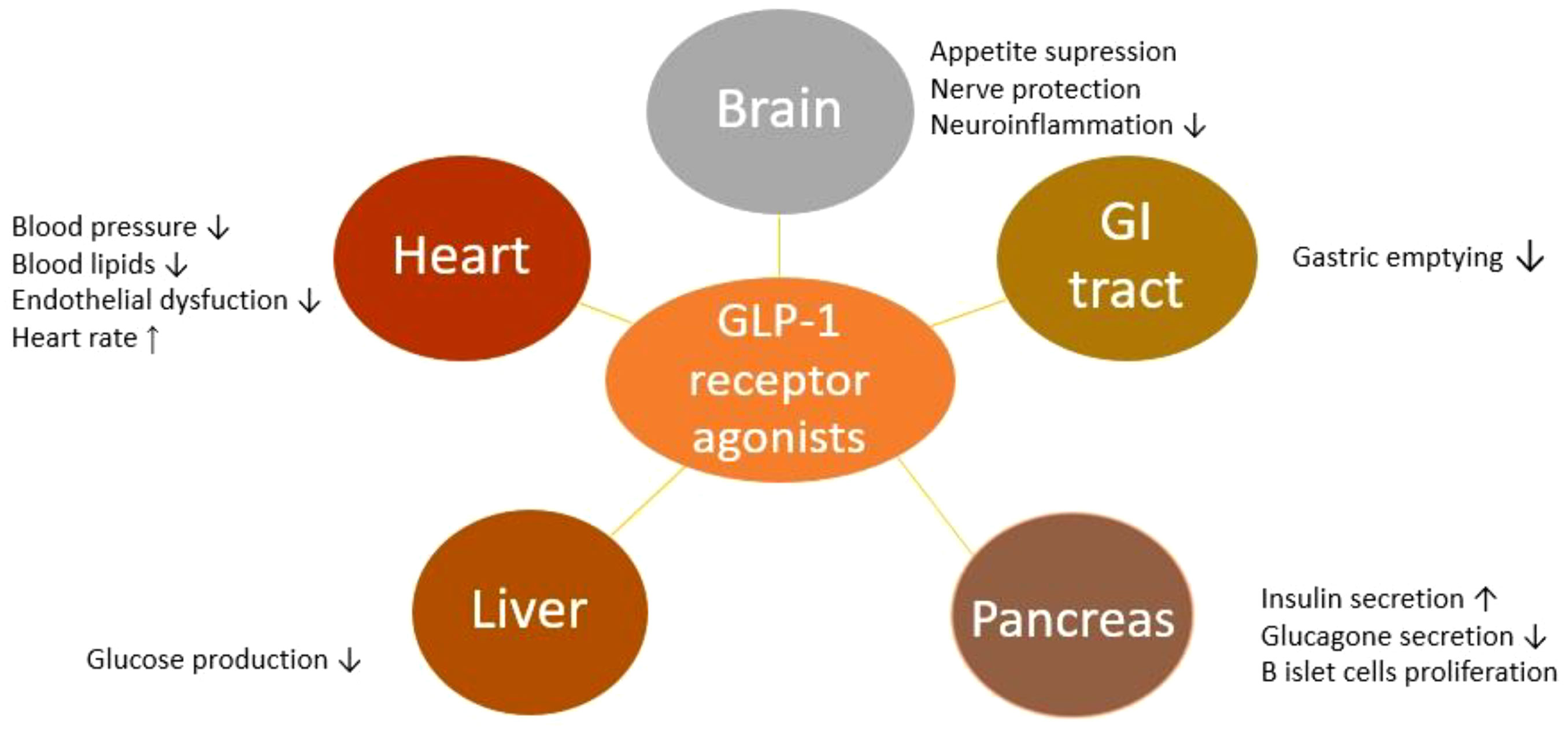
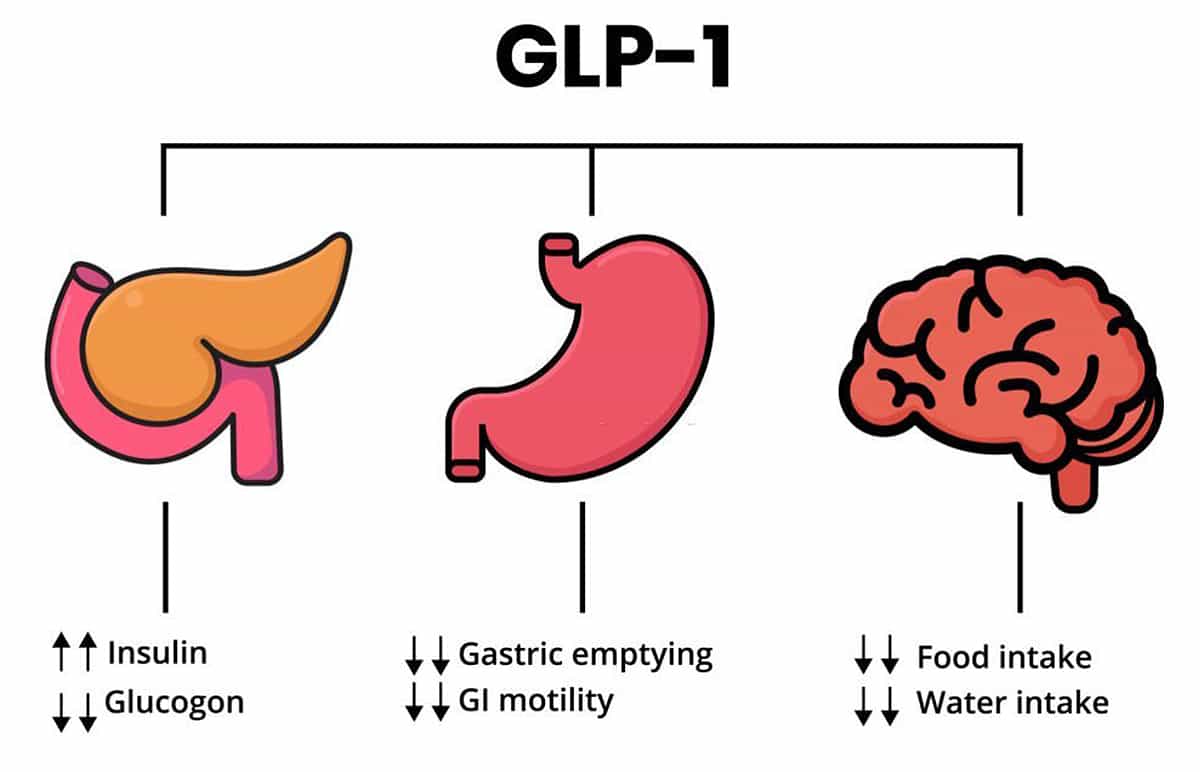
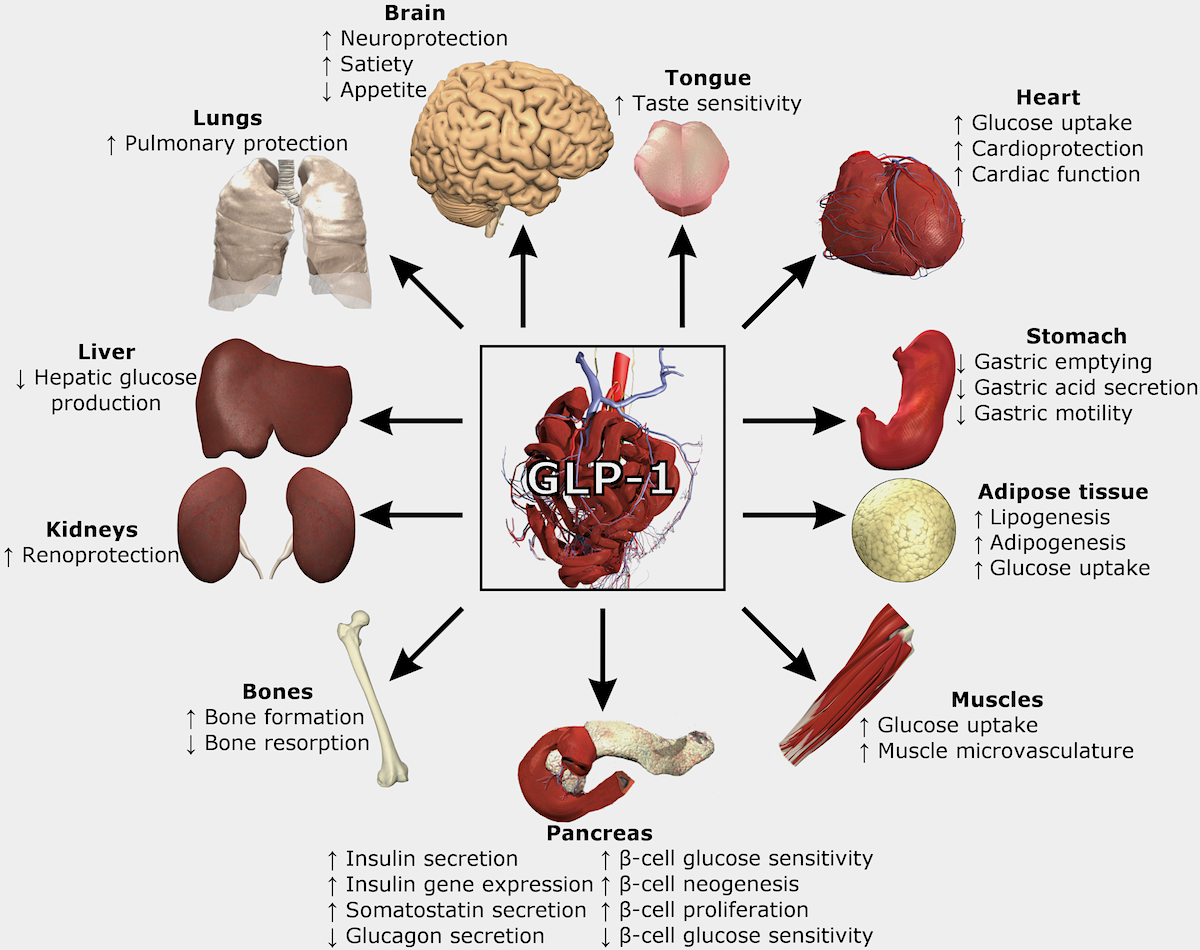
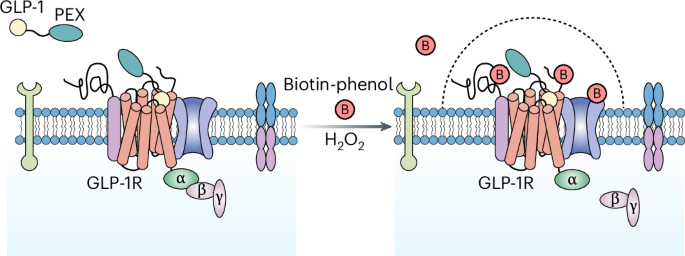
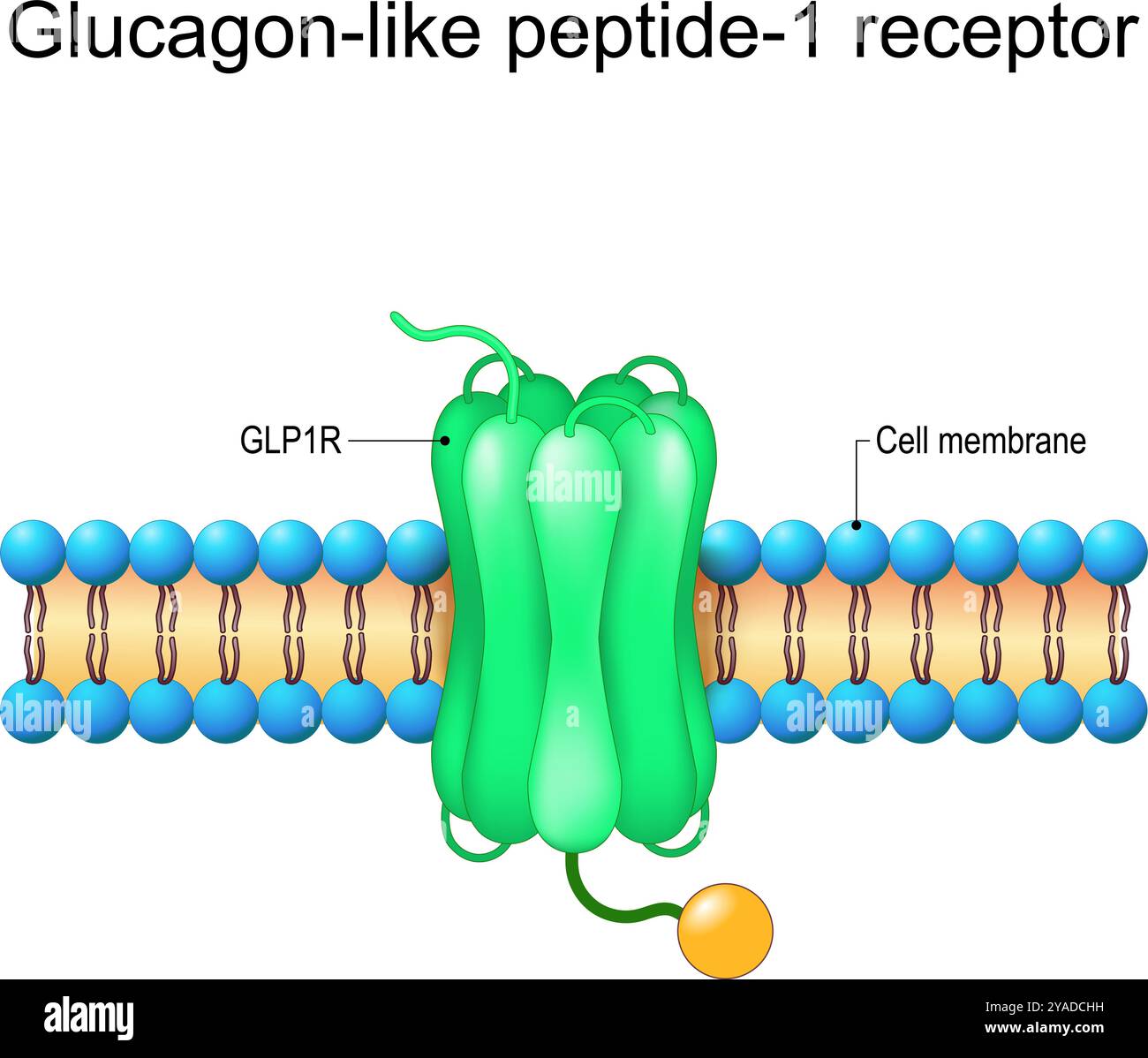
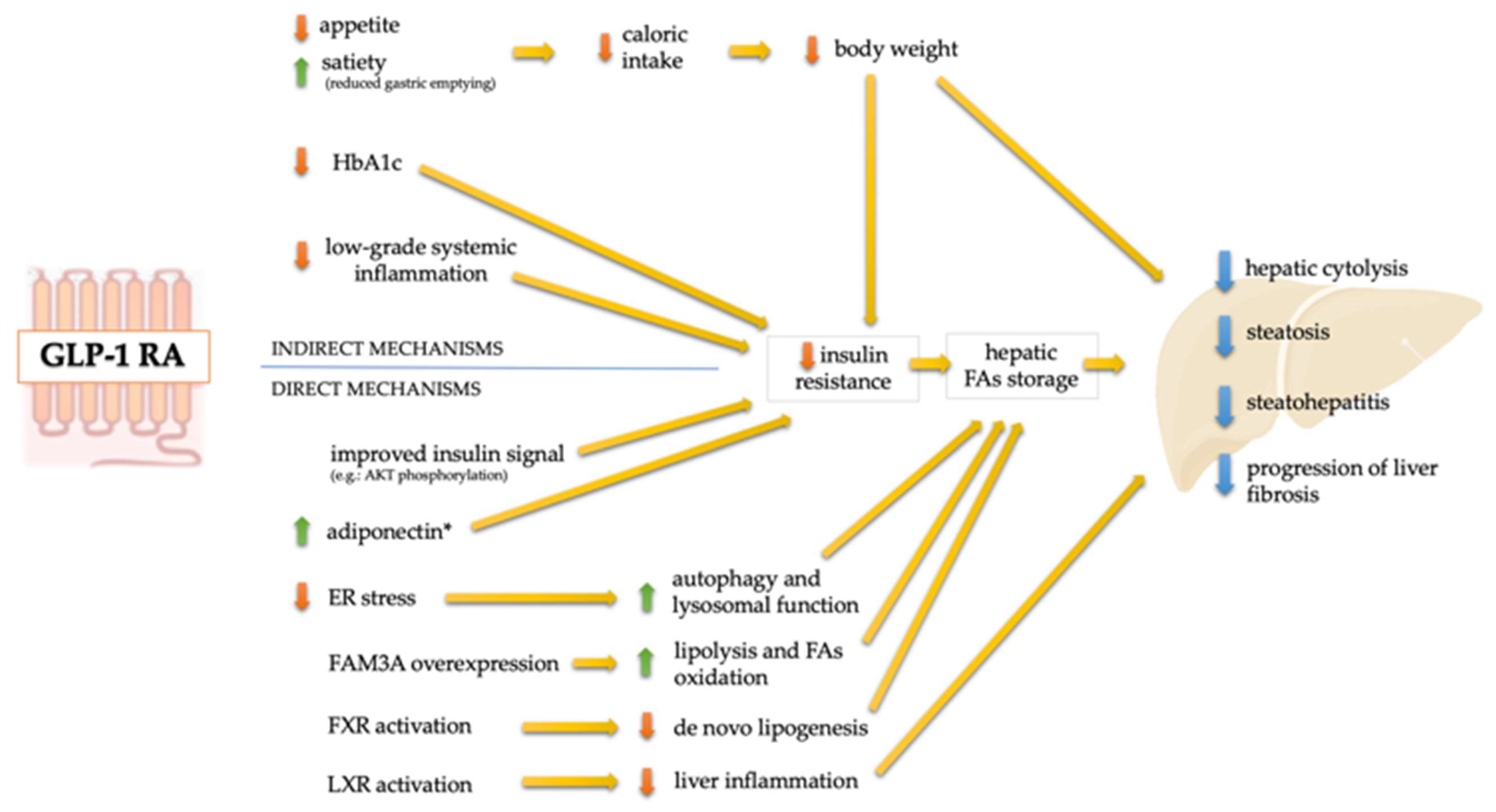
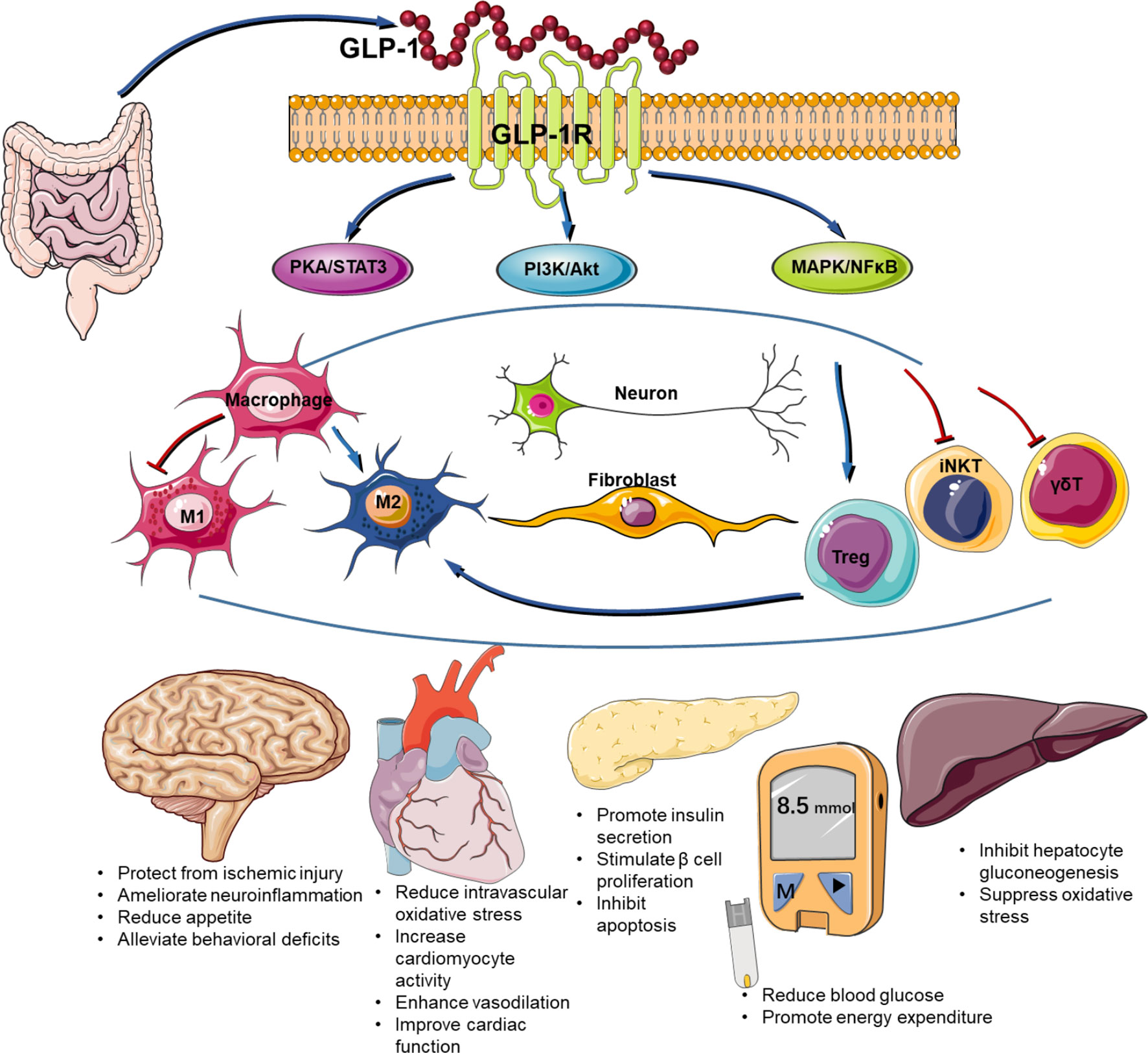
GLP-1, a hormone produced in the intestines, plays a crucial role in regulating appetite, blood sugar levels, and weight management. GLP-1 receptor agonists (GLP-1RAs) are a class of medications used to treat type 2 diabetes and obesity. These medications mimic the action of GLP-1, leading to improved insulin sensitivity, increased satiety, and reduced glucose production in the liver.