Recovery Tools for Athletes with ACL Injuries
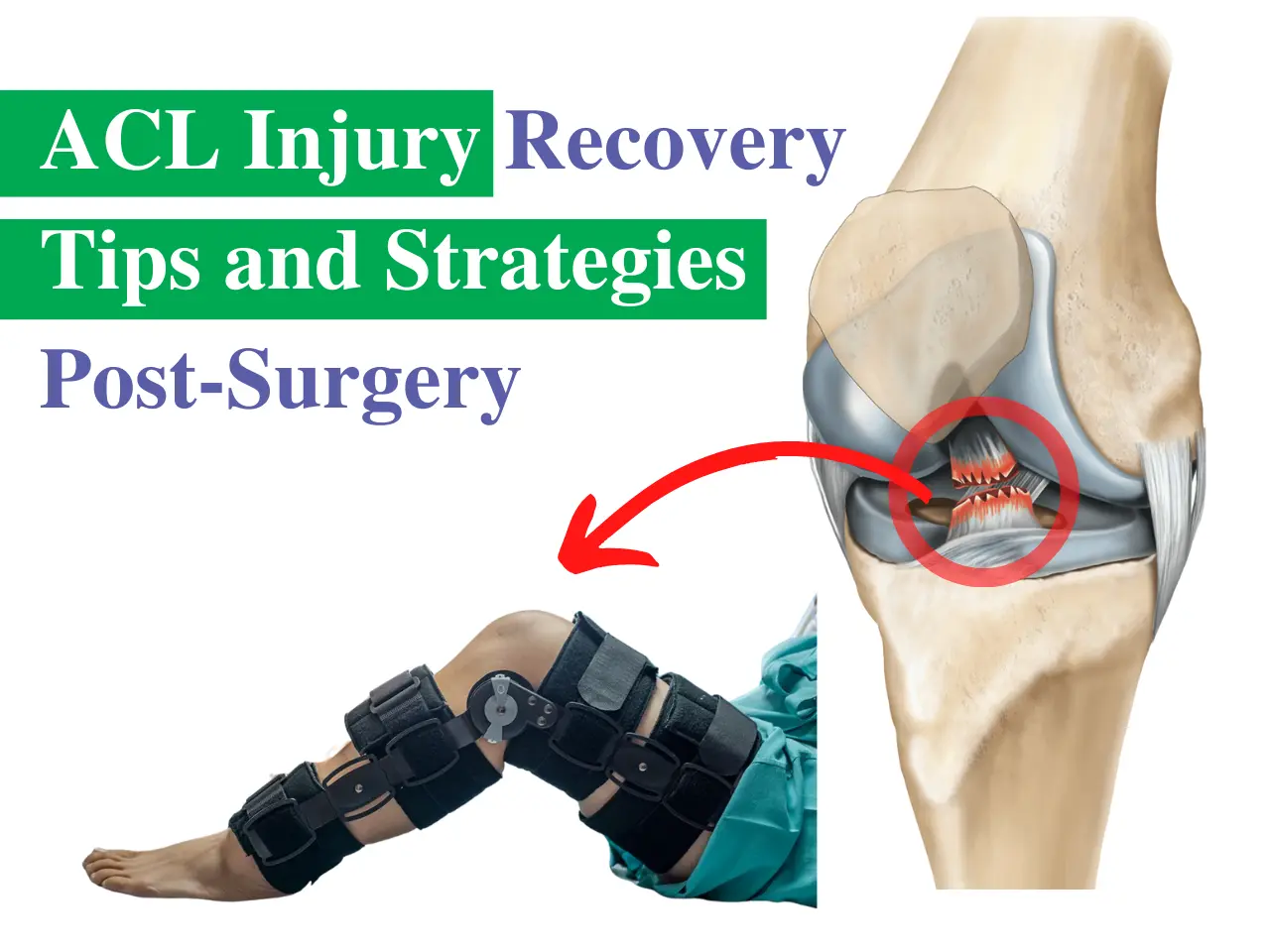
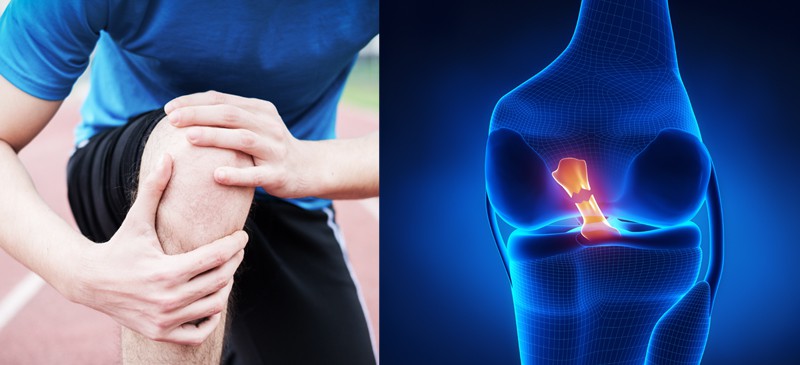
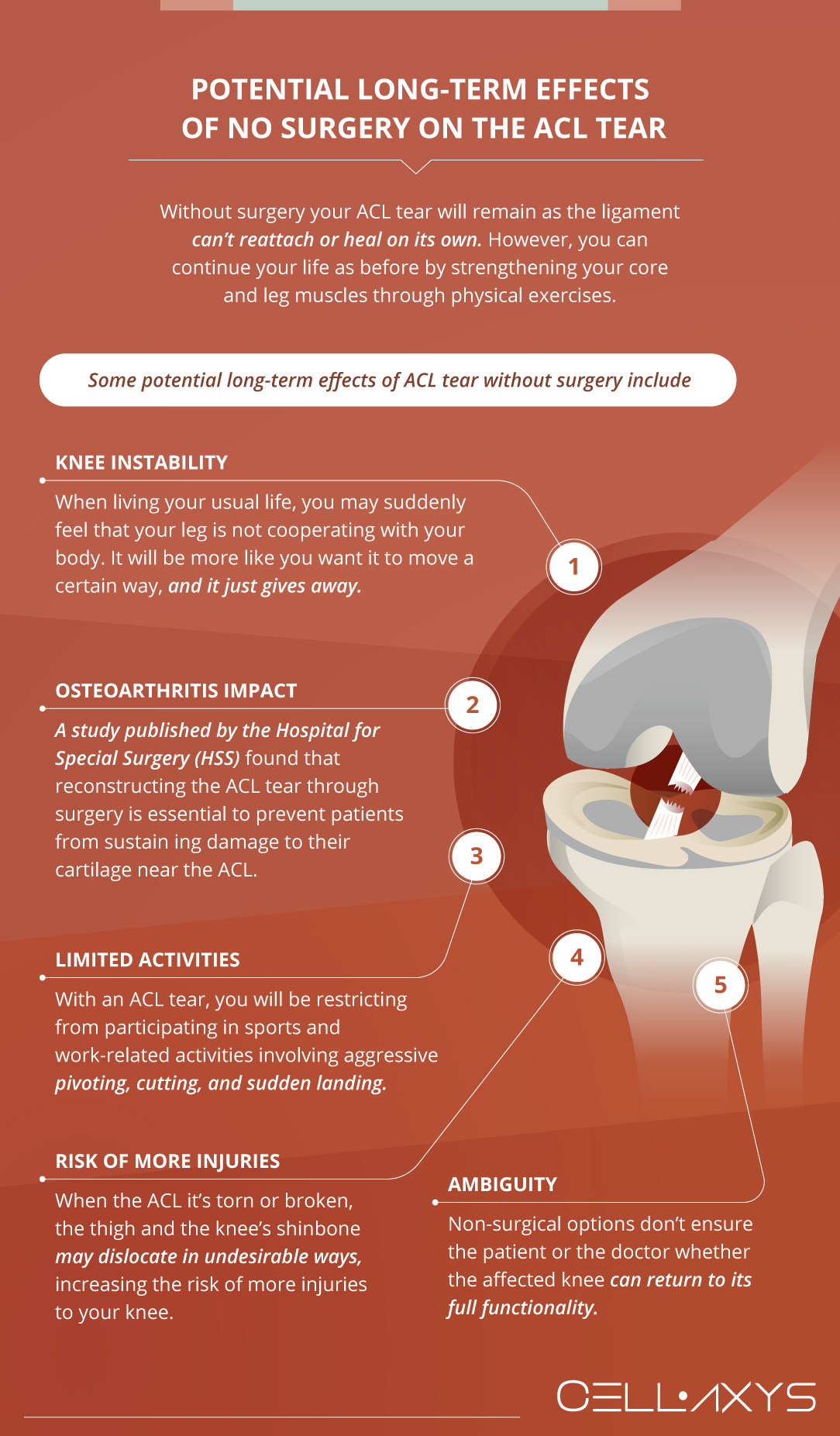
In the world of sports and physical activities, injuries can happen to anyone, anytime. One of the most common and debilitating injuries is the Anterior Cruciate Ligament (ACL) tear, which can severely impact an athlete's performance and overall well-being. Once torn, the ACL does not heal on its own and requires surgical reconstruction or a comprehensive non-surgical rehab plan to ensure a full return to sports or active living.
Treatment Options and Rehabilitation Protocols
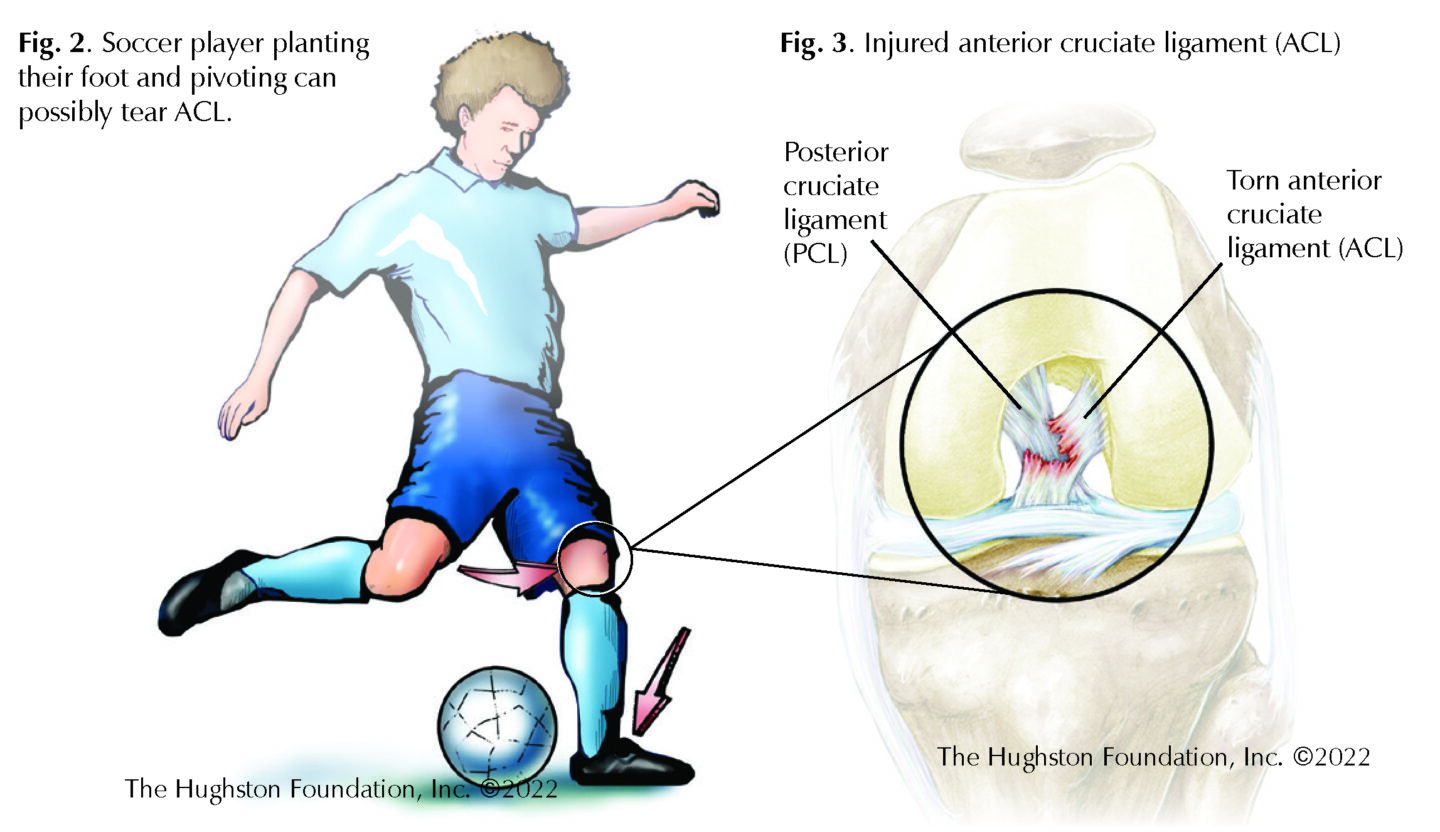
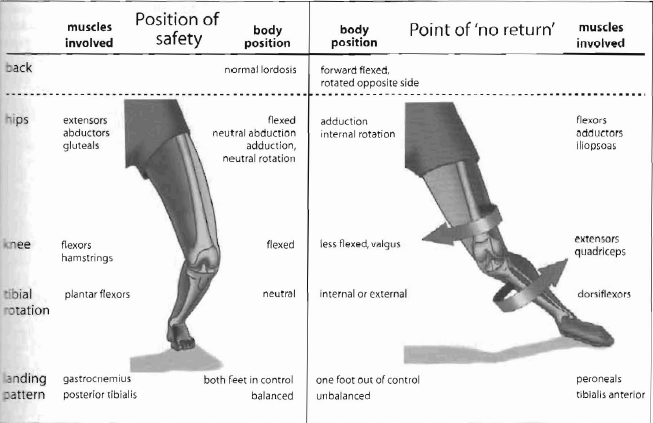
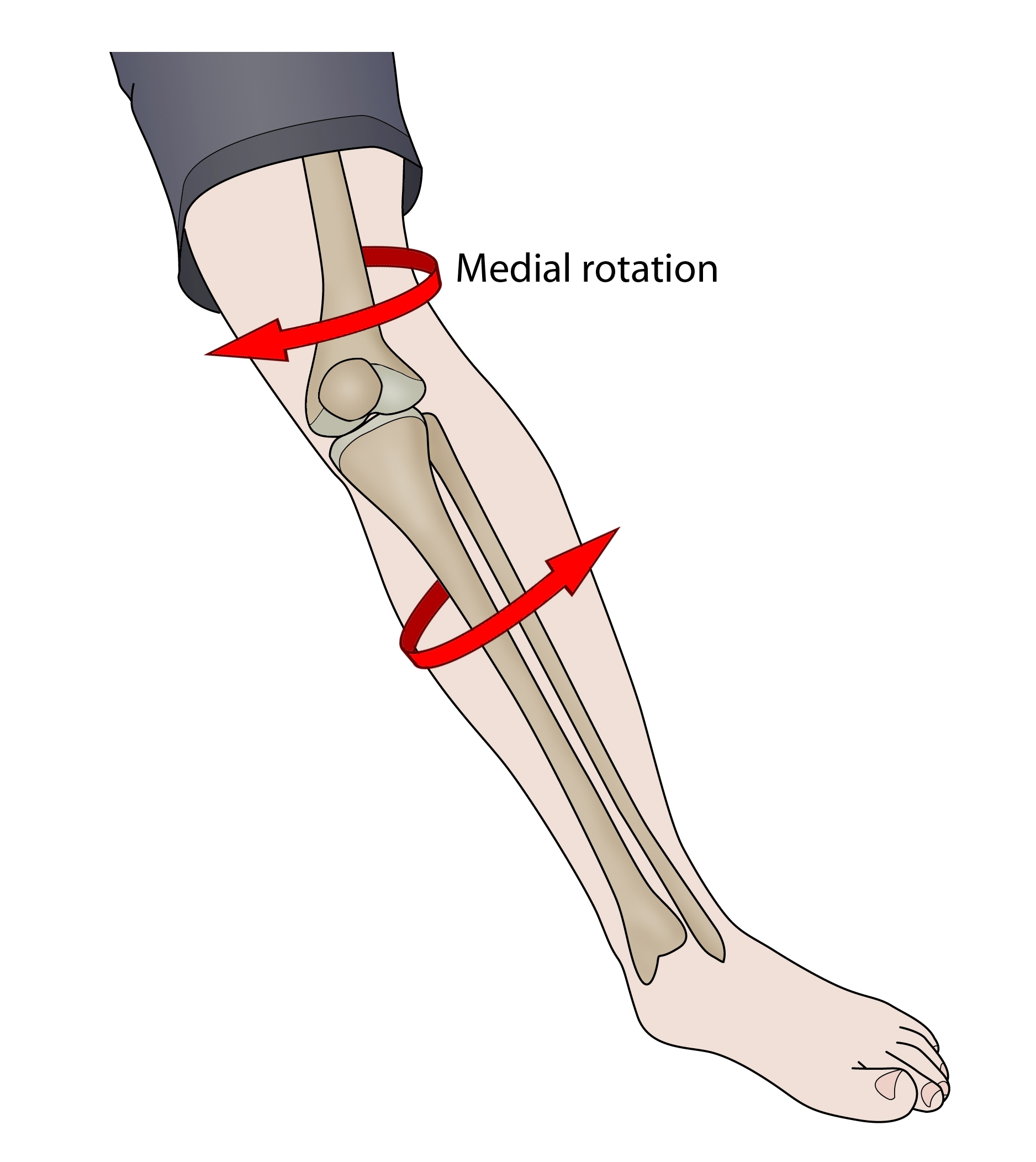
ACL injuries are more common in sports that involve sudden stops and directional changes, such as soccer, basketball, skiing, and football. The injury severity and treatment options vary greatly depending on the individual athlete and the sport they participate in. Women are 2-8 times more likely to injure their ACL than men, primarily due to anatomic differences that increase their risk of injury.
Recovery Tools for Athletes with ACL Injuries
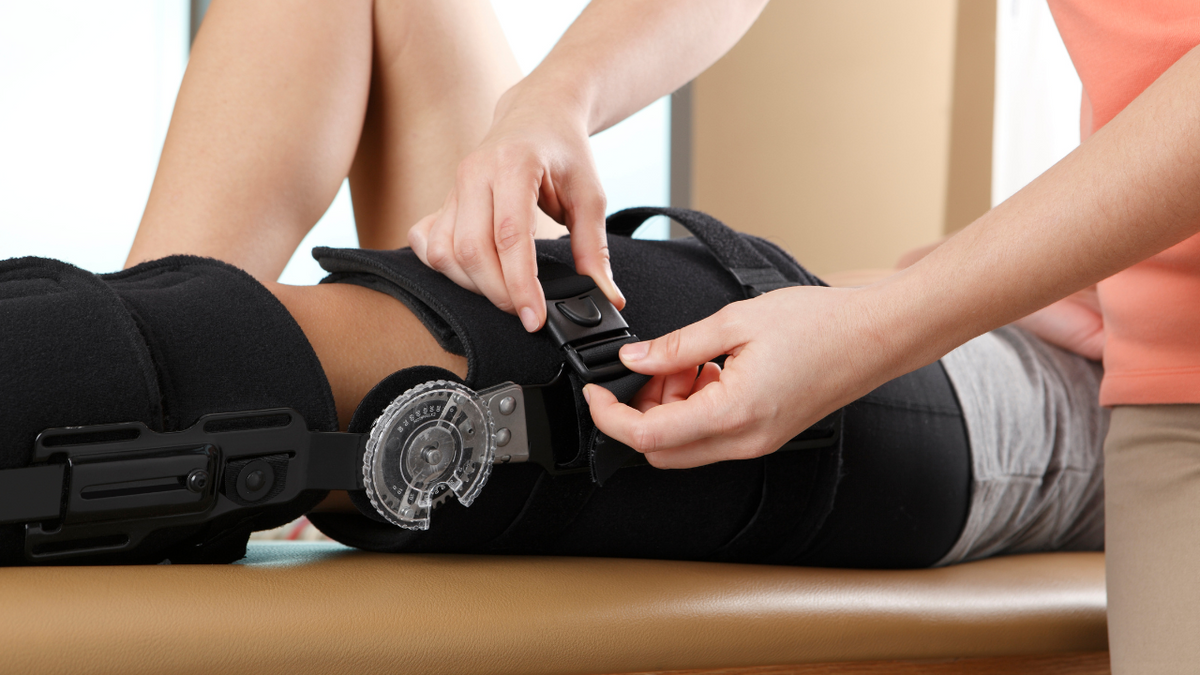
Recovery from an ACL injury is a complex and multi-faceted process that requires a comprehensive approach. The following are some of the key recovery tools and strategies that can aid in the rehabilitation process:
-
Phased Rehabilitation Program: This involves a graduated progression of exercises and activities tailored to the individual athlete's needs and goals. The program should include phases such as initial injury management, strengthening, flexibility, and functional training.
-
Electrical Modalities: These include techniques such as electrical muscle stimulation (EMS) and electromagnetic fields to enhance healing and tissue repair.
-
Physical Therapy: A well-structured physical therapy program that includes exercises to improve strength, flexibility, balance, and functional skills is essential for a successful recovery.
-
Low-Level Laser Therapy (LLLT): Also known as photobiomodulation, LLLT promotes healing and tissue repair by increasing energy production in cells.
-
Nutrition and Supplementation: Adequate nutrition and supplementation with essential nutrients, vitamins, and minerals support the healing process and overall recovery.
-
Psychological Support: Rehabilitation from an ACL injury can be emotionally challenging, and mental support from healthcare professionals, family, and friends is essential for a successful recovery.
-
Progress Monitoring and Periodization: Regular monitoring and periodization of training programs help ensure that athletes make progressive improvements and avoid overtraining, which can impede the recovery process.
-
Return-to-Play (RTP) Criteria: A clear RTP protocol should be established and communicated to athletes, trainers, and coaches to ensure that athletes return to competition at the appropriate time, minimizing the risk of reinjury.