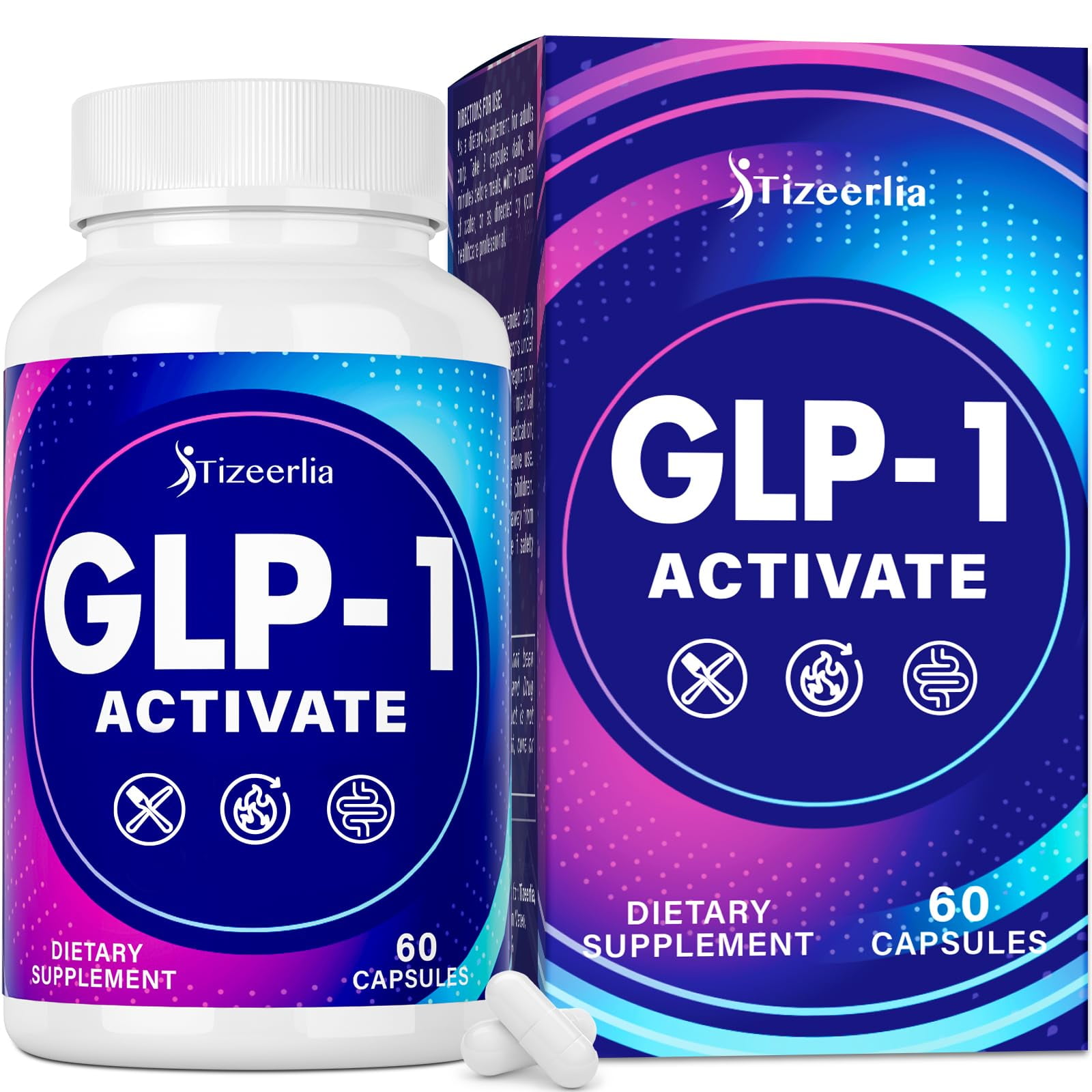
The Unseen Power of Satiety Hormones and GLP-1: Uncovering the Science of Fullness and Weight Management
Introduction
When it comes to maintaining a healthy weight, achieving optimal fullness, and regulating blood sugar levels, the intricate balance of satiety hormones plays a crucial role. Among these, glucagon-like peptide-1 (GLP-1) is a naturally occurring hormone that stands out for its effects on hunger, satiety, and weight management. In this article, we'll delve into the world of satiety hormones, specifically focusing on the molecular mechanisms and natural ways to boost GLP-1 levels.
What are Satiety Hormones?
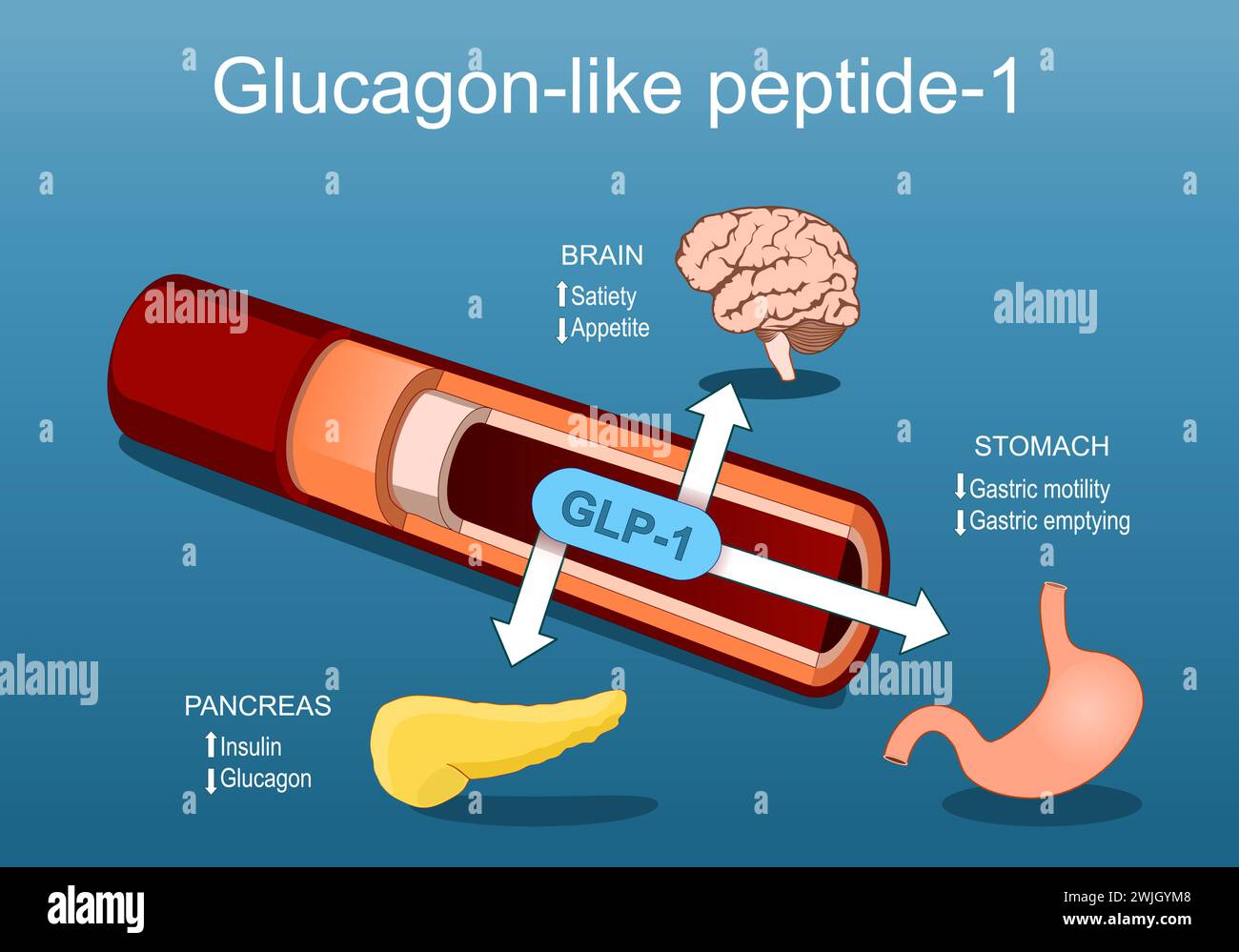
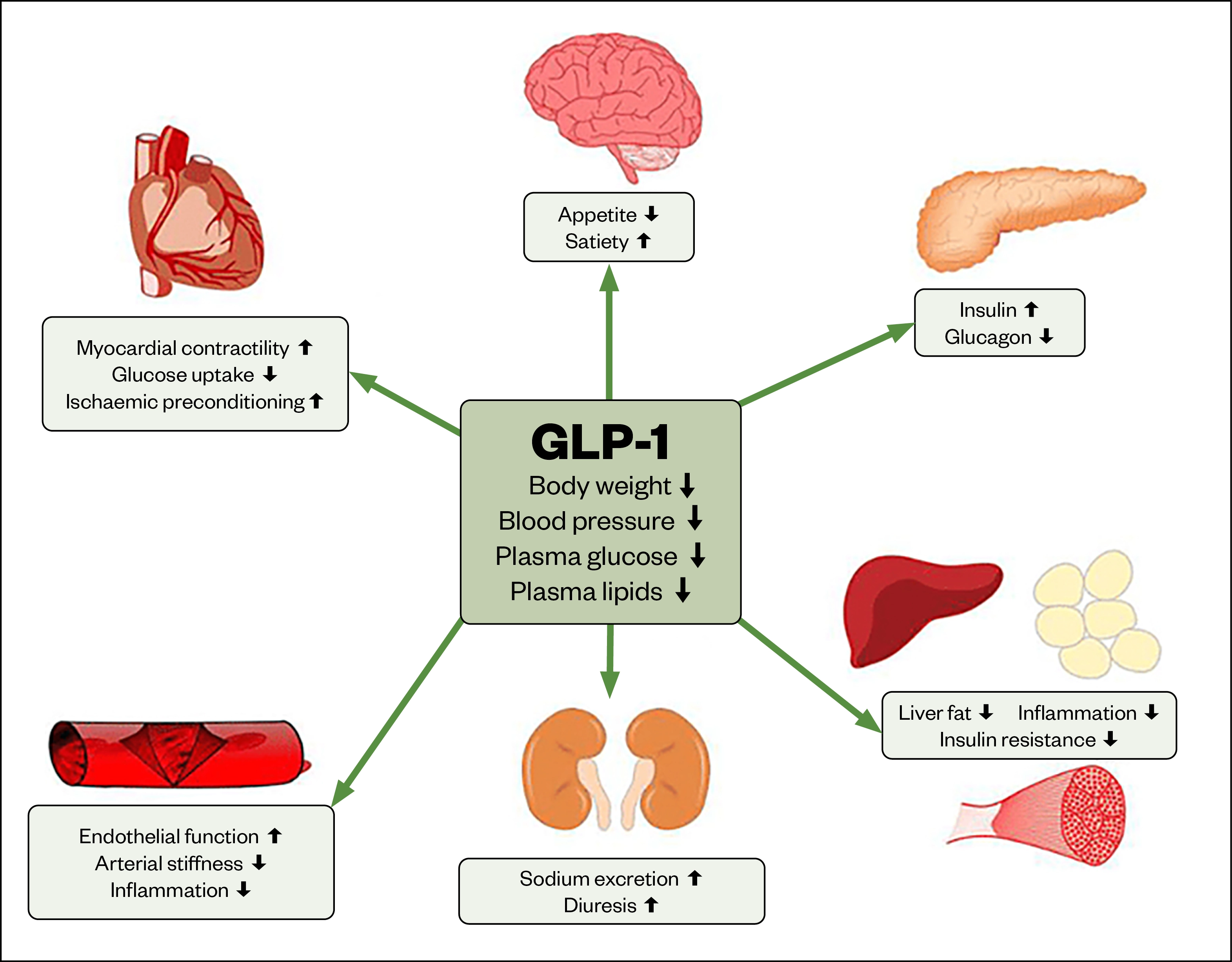
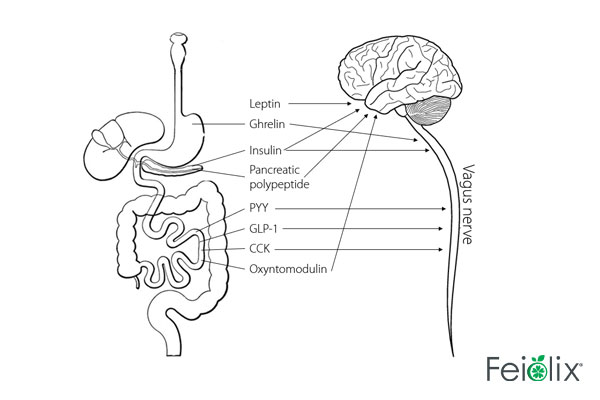
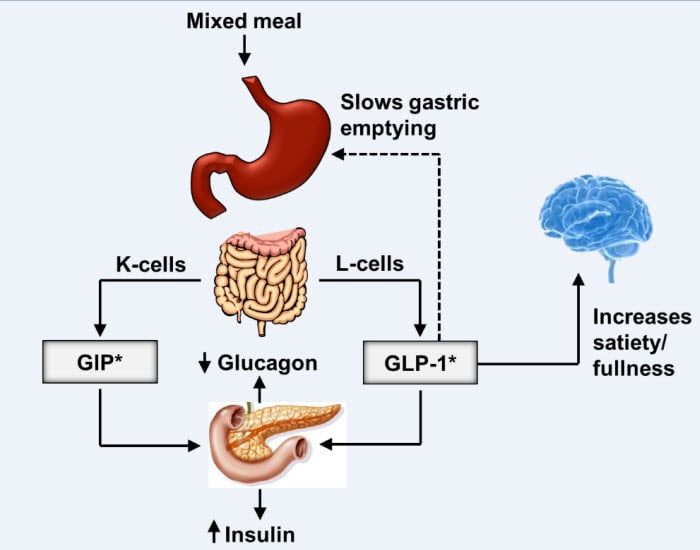
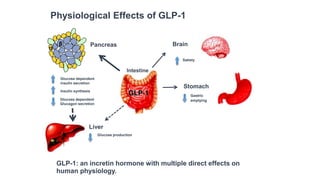
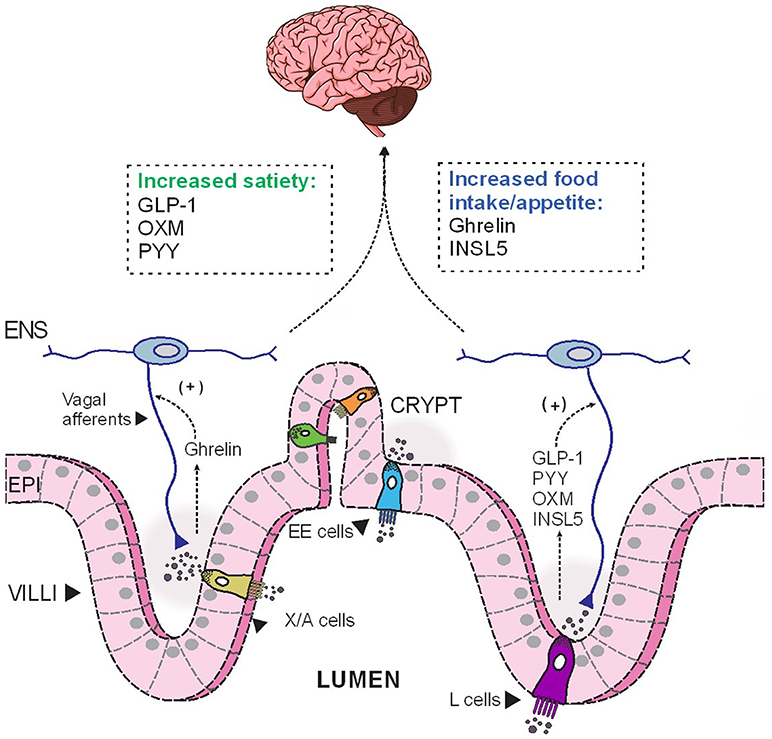
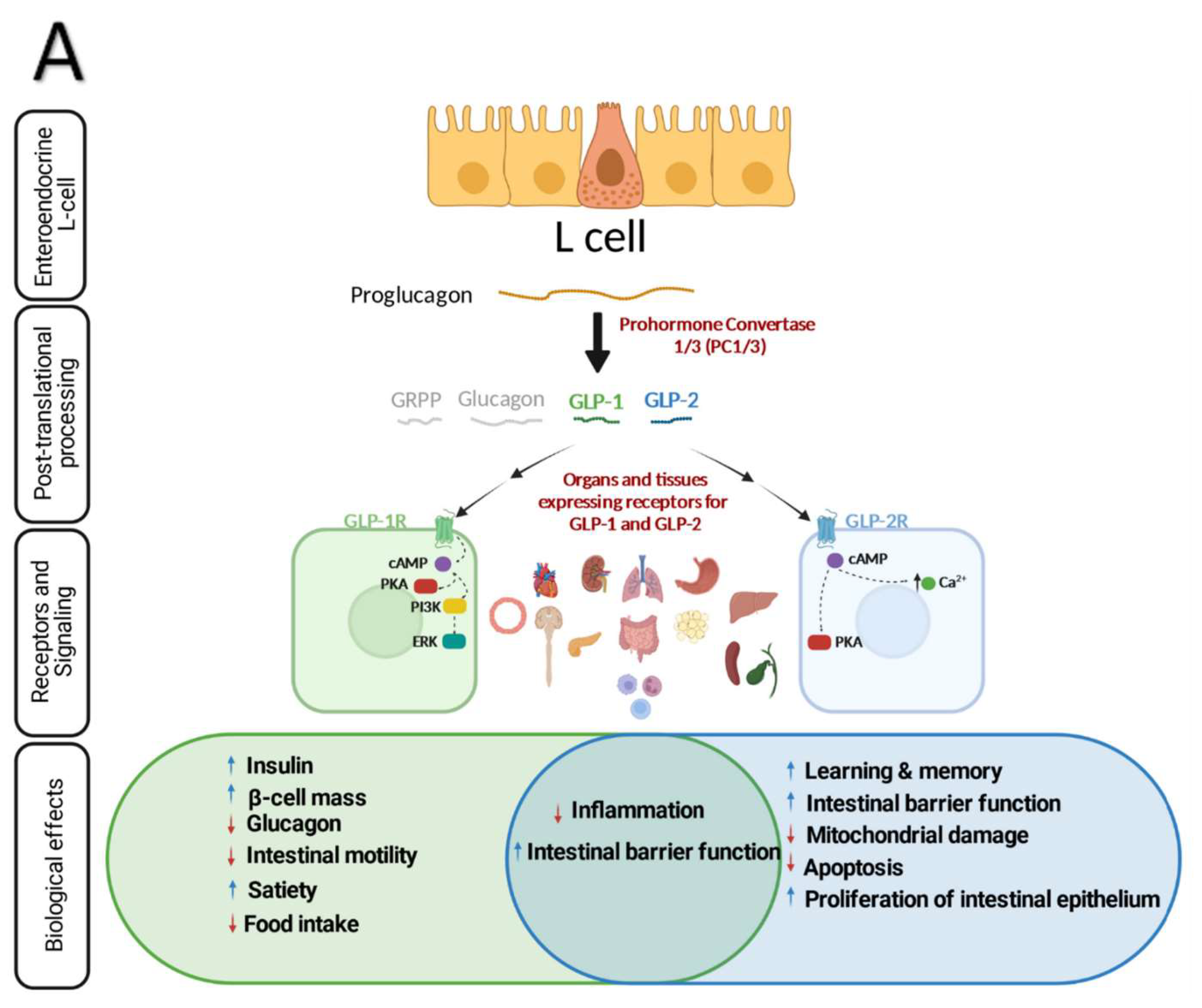
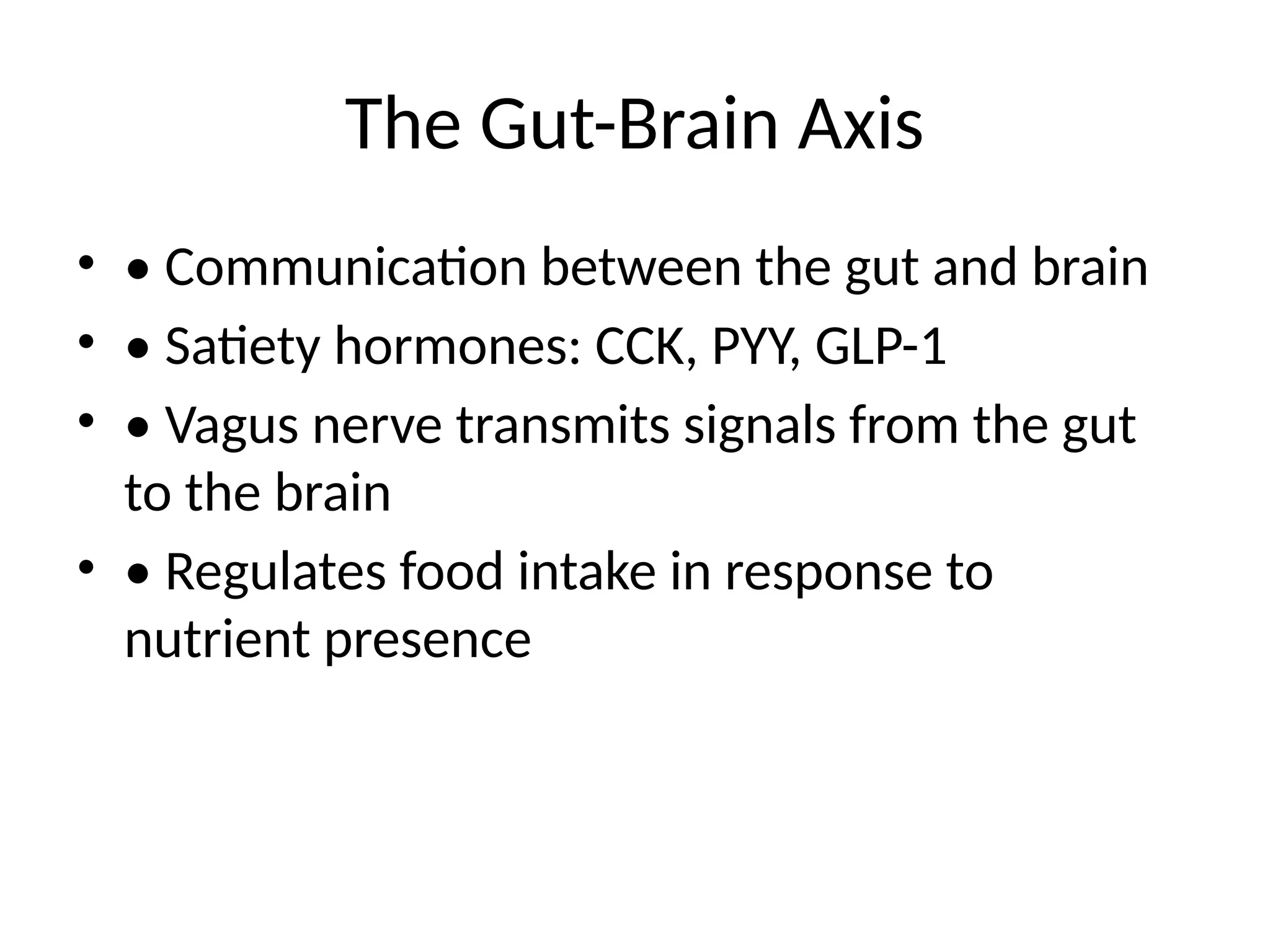
Satiety hormones are a group of peptides produced by the gastrointestinal system that regulate sensations of fullness, reducing the desire to eat. GLP-1, one of the key satiety hormones, plays a vital role in suppressing appetite, slowing gastric emptying, and regulating blood sugar levels.

How GLP-1 Works
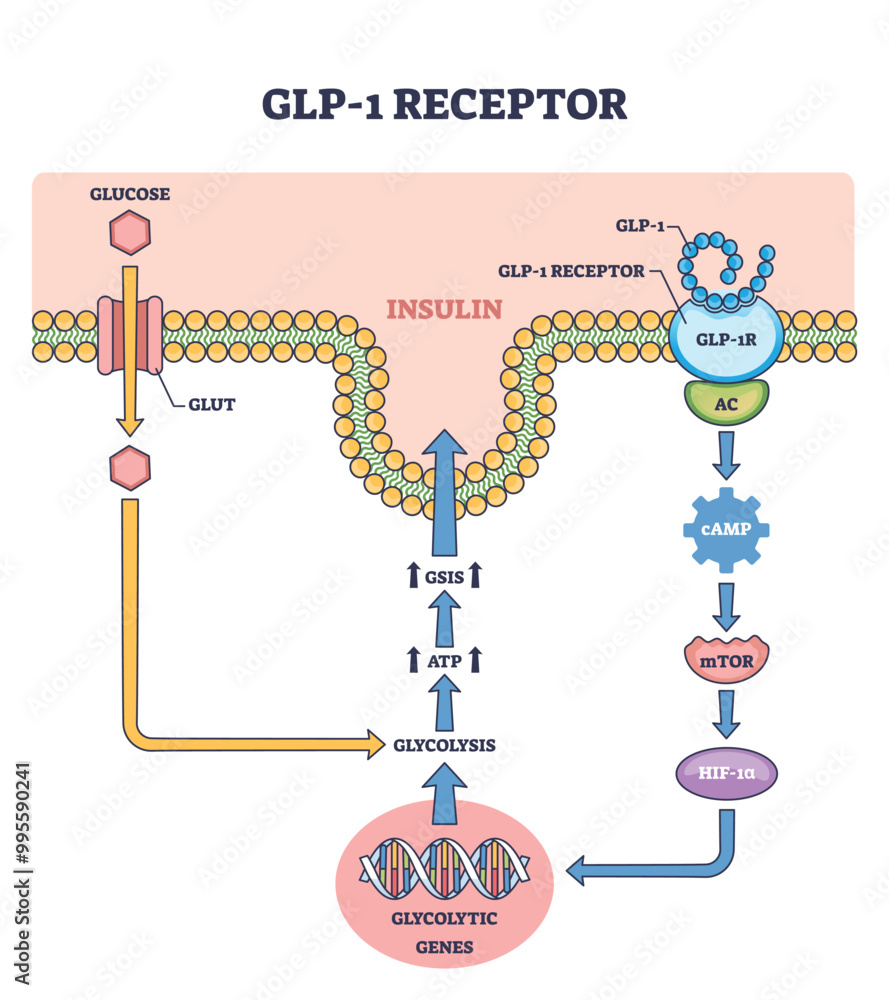
When food enters the gut, specialized cells called L-cells release GLP-1 in response. This hormone interacts with the GLP-1 receptor, a specific protein in our cells. The binding of GLP-1 to its receptor sends signals to the brain that we're full, reducing appetite and encouraging feelings of satiety. The result is sustained energy balance and weight management.