Solar Panel Cost vs Electricity Cost: Weighing the Benefits and Savings
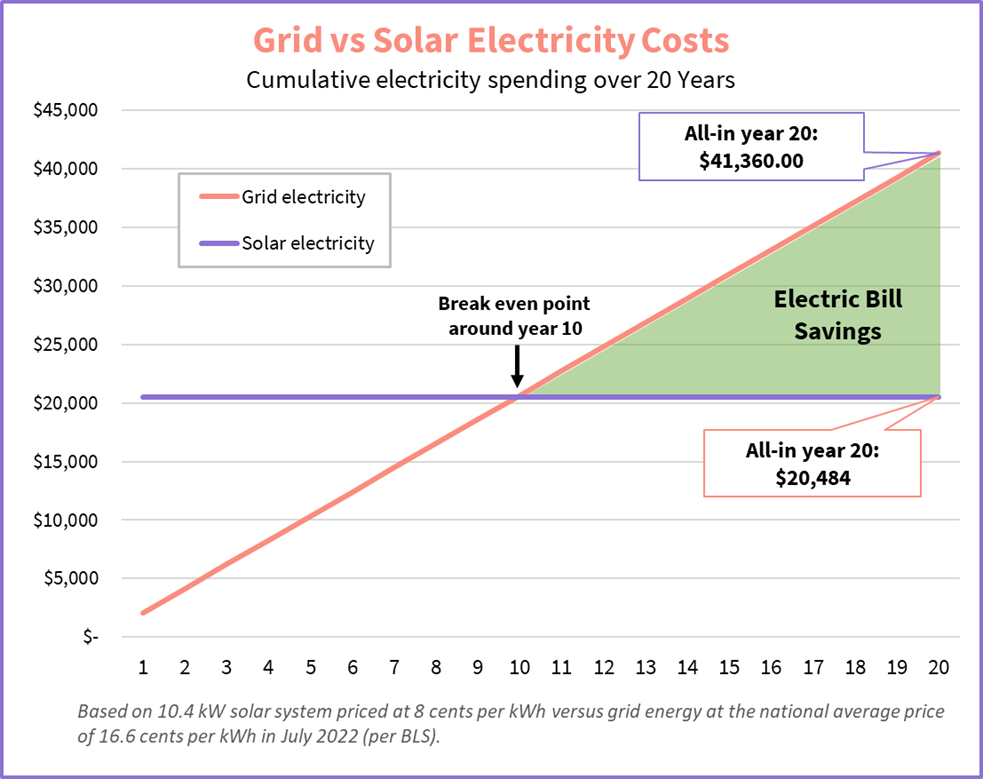
As the world shifts towards renewable energy sources, solar power has become an attractive option for many homeowners. But before investing in a solar panel system, it's essential to understand the costs involved and compare them to traditional electricity costs. In this article, we'll break down the solar panel cost vs electricity cost, exploring savings timelines, ROI, and incentives.
Traditional Electricity Costs: A Quick Overview
Electricity costs vary depending on the number of kilowatt-hours used, the rate charged per kWh, and whether the state has a regulated or deregulated energy market. According to the U.S. Energy Information Administration, the average electricity cost for residential consumers in the United States was 13.31 cents per kWh in 2020.

How Solar Energy Works and its Costs
Solar energy generates electricity through photovoltaic cells, and the overall costs vary based on system output, household usage, ownership structure, and net metering policies. A solar panel system can be purchased outright, leased, or financed through various programs. Here are some key drivers of solar panel costs:
- System size: Larger systems require more panels, increasing the initial cost.
- Incentives: Federal, state, and local incentives can significantly reduce the upfront cost.
- Installation complexity: Rooftop location, roof condition, and electrical infrastructure impact the installation cost.
- Long-term maintenance: Regular cleaning, inspections, and repairs extend the lifespan of a solar panel system.