Understanding Structural Mold Remediation: A Comprehensive Guide
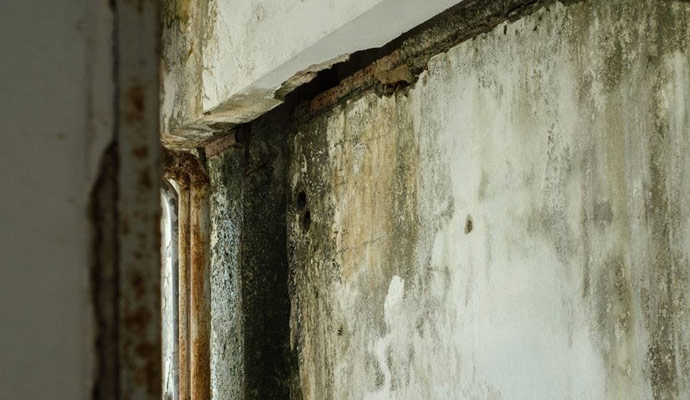
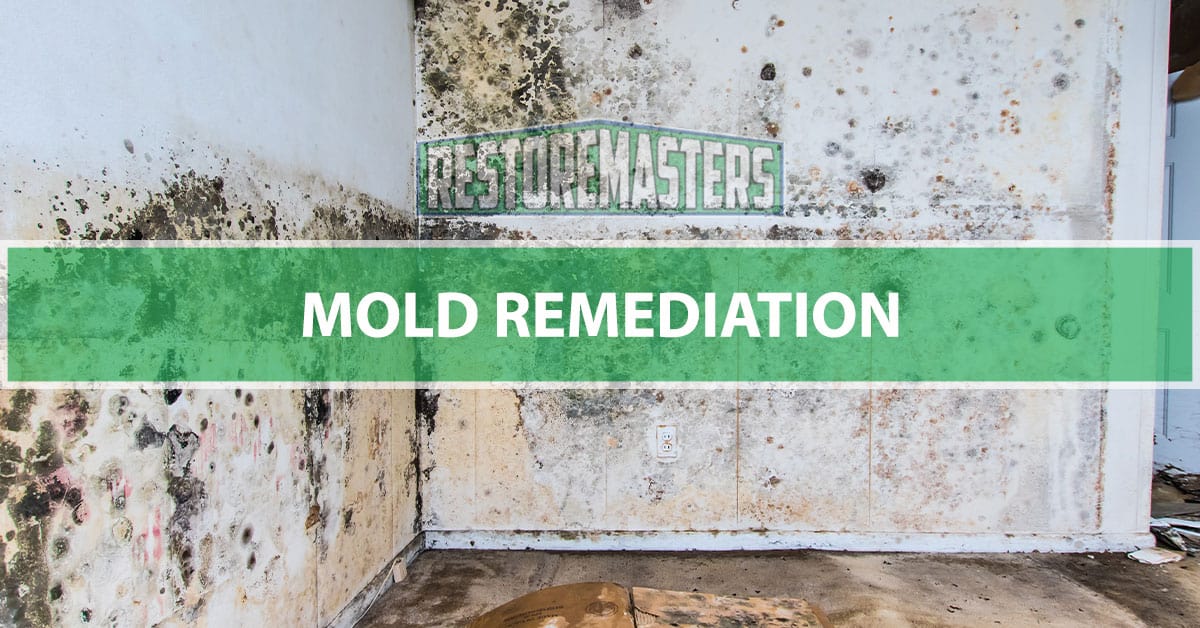
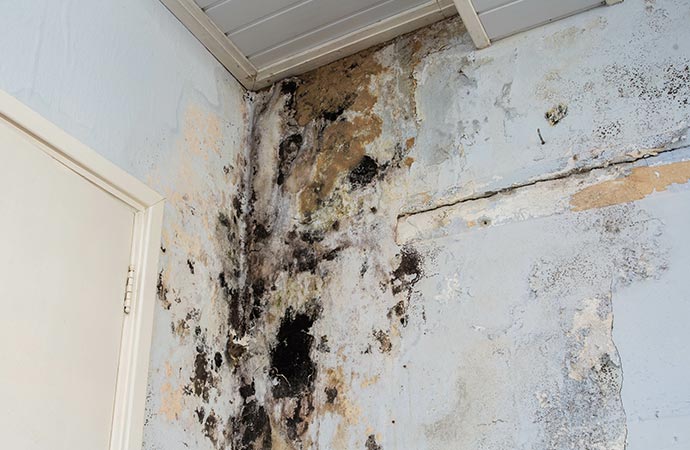
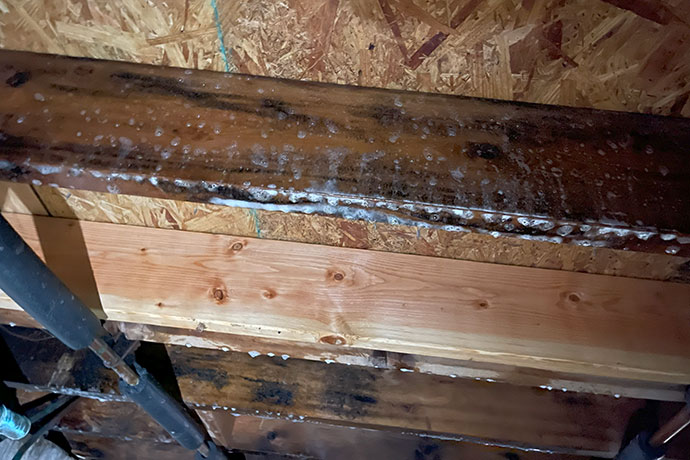
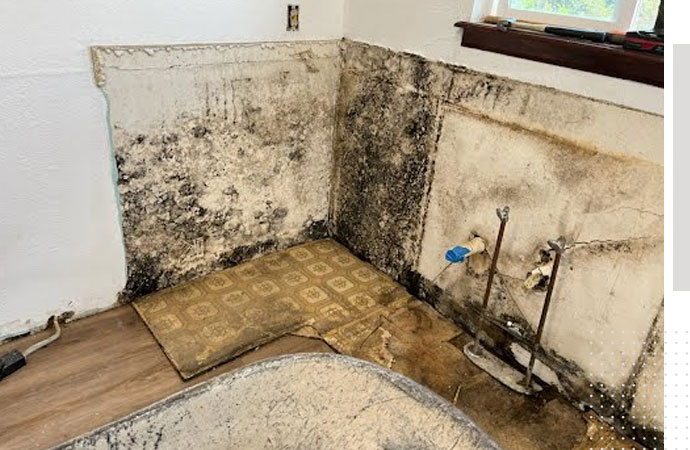
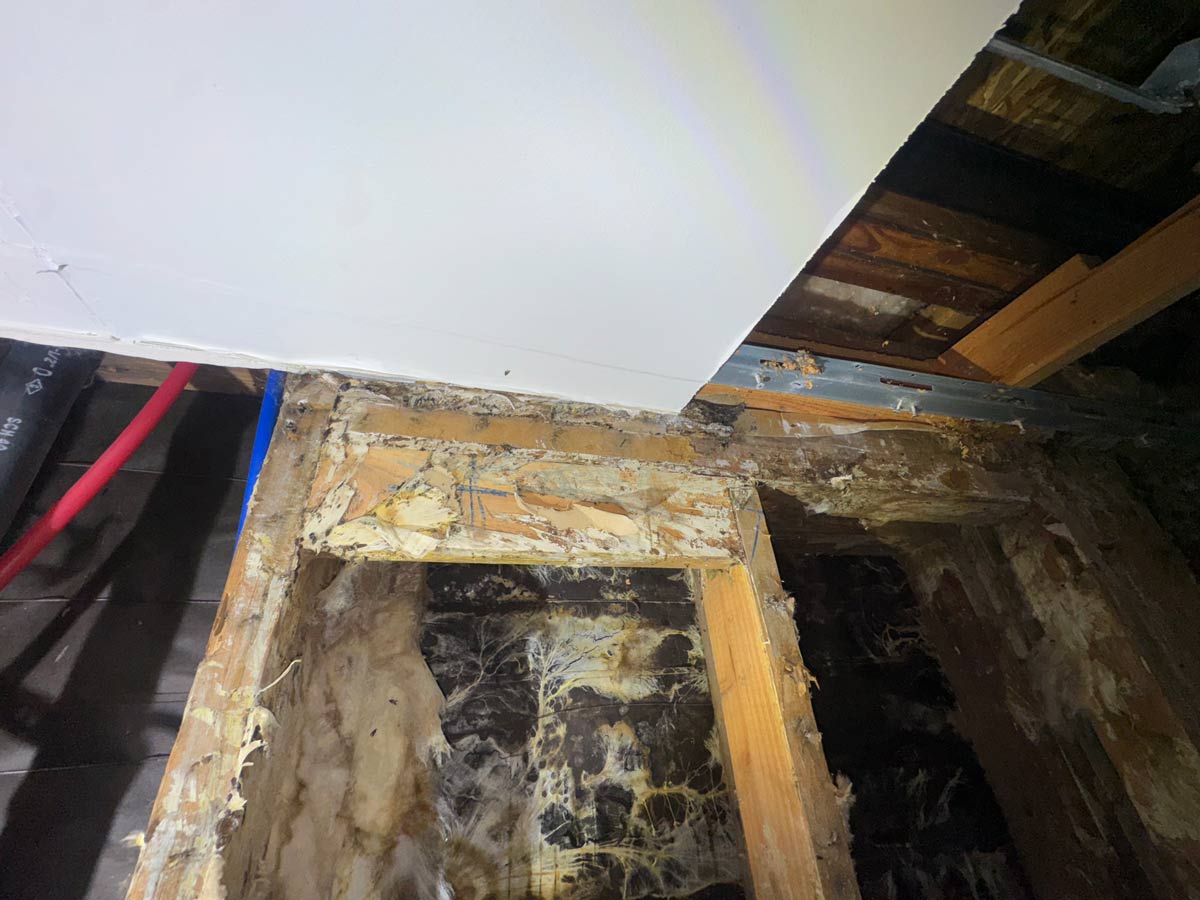
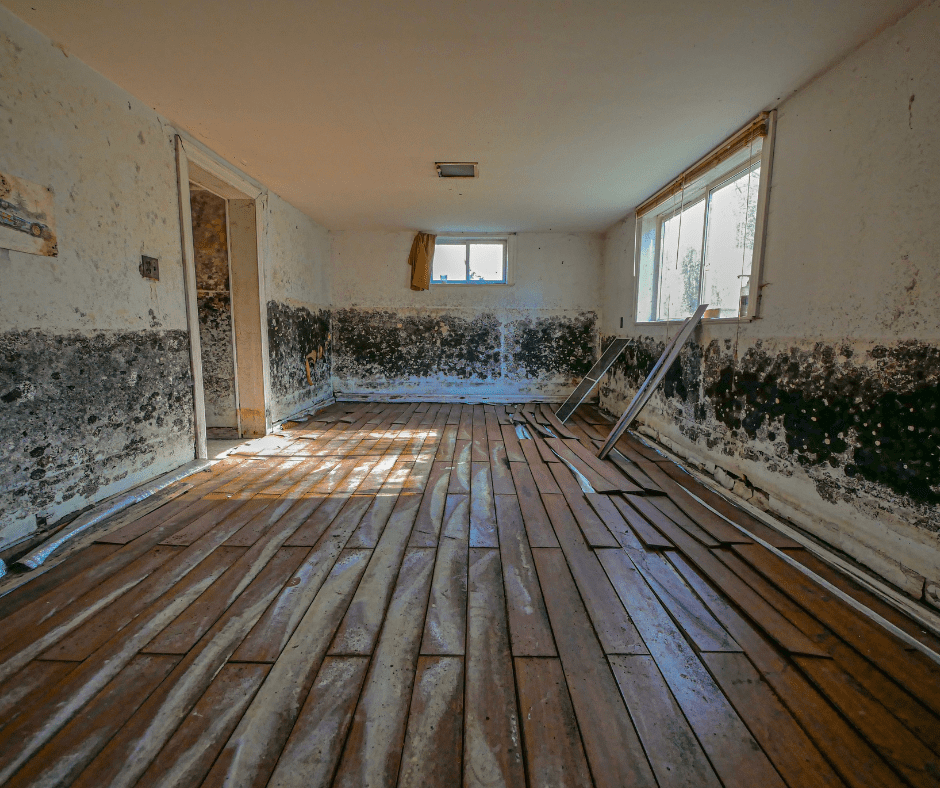
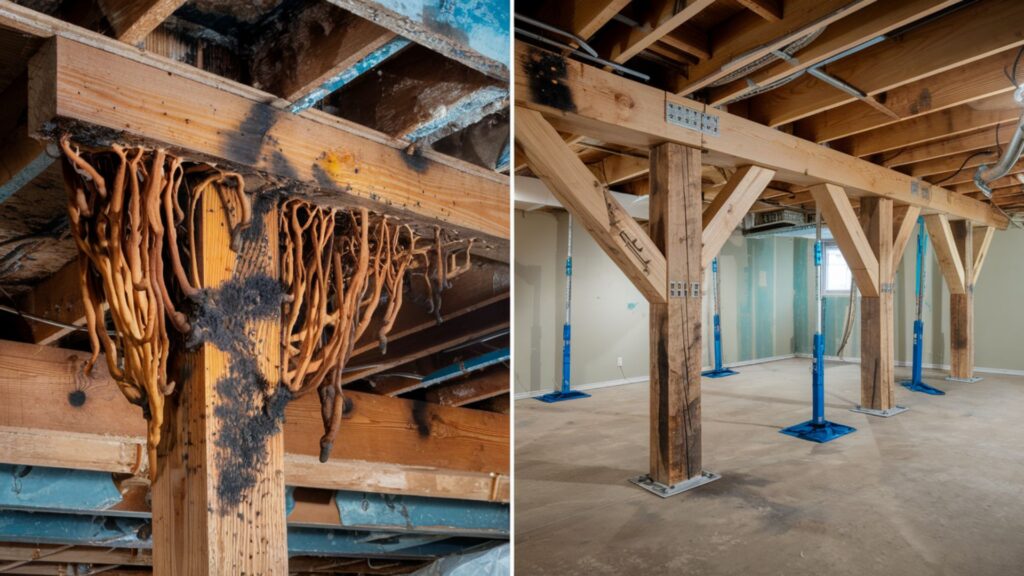
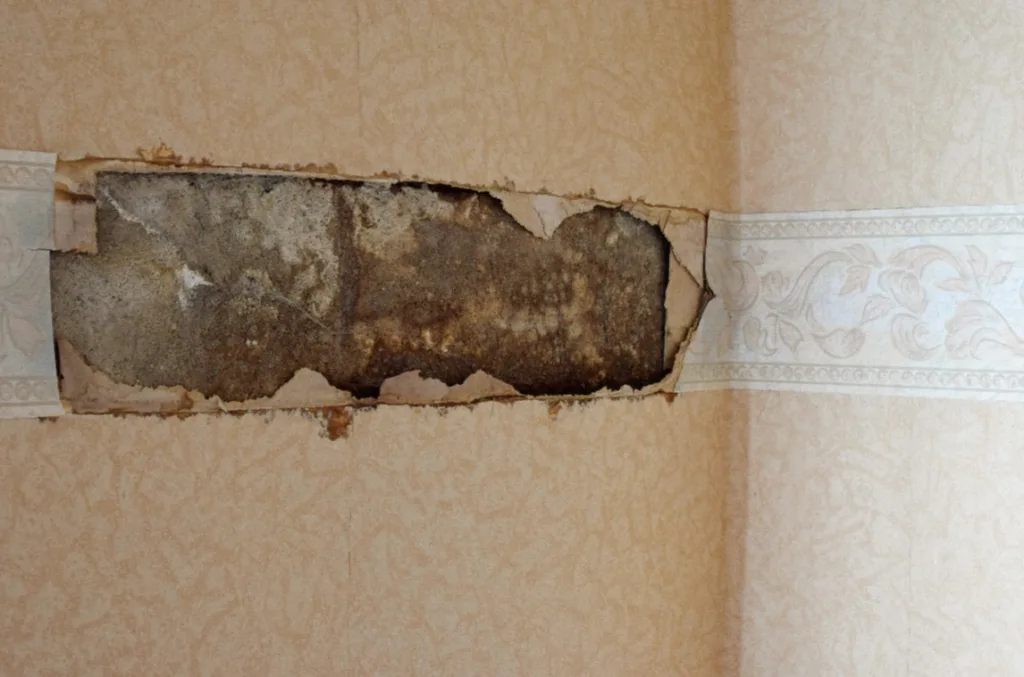
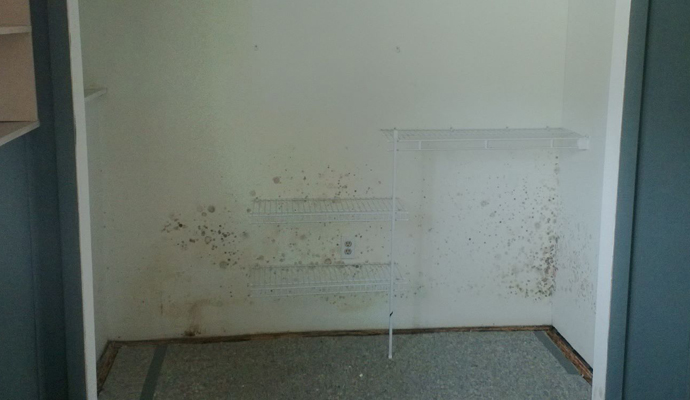
The presence of excessive moisture in buildings has been linked with occupant illnesses and deterioration of building materials. When mold spores land on wet or damp areas, they may begin to grow. Generally, mold will grow on materials where excessive moisture accumulates and remains undiscovered and/or uncorrected, especially in areas where there is relatively little air circulation.
What is Structural Mold Remediation?
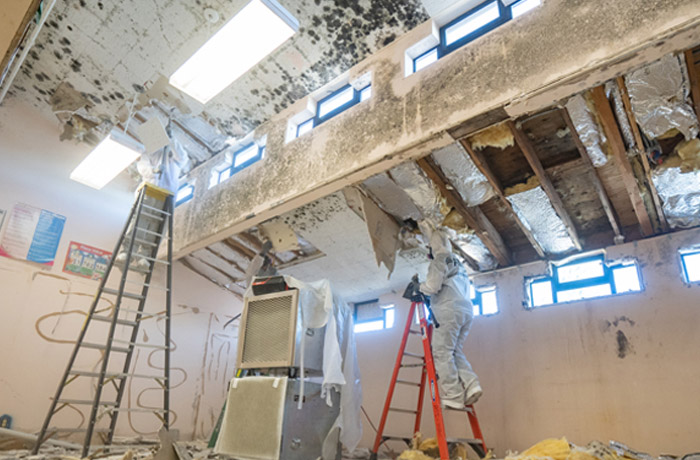
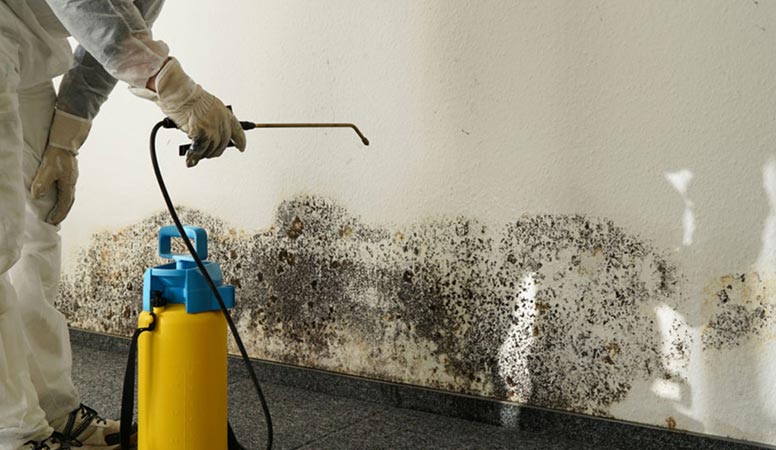
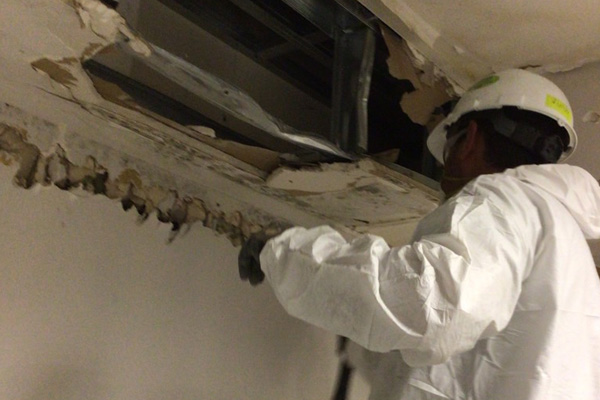
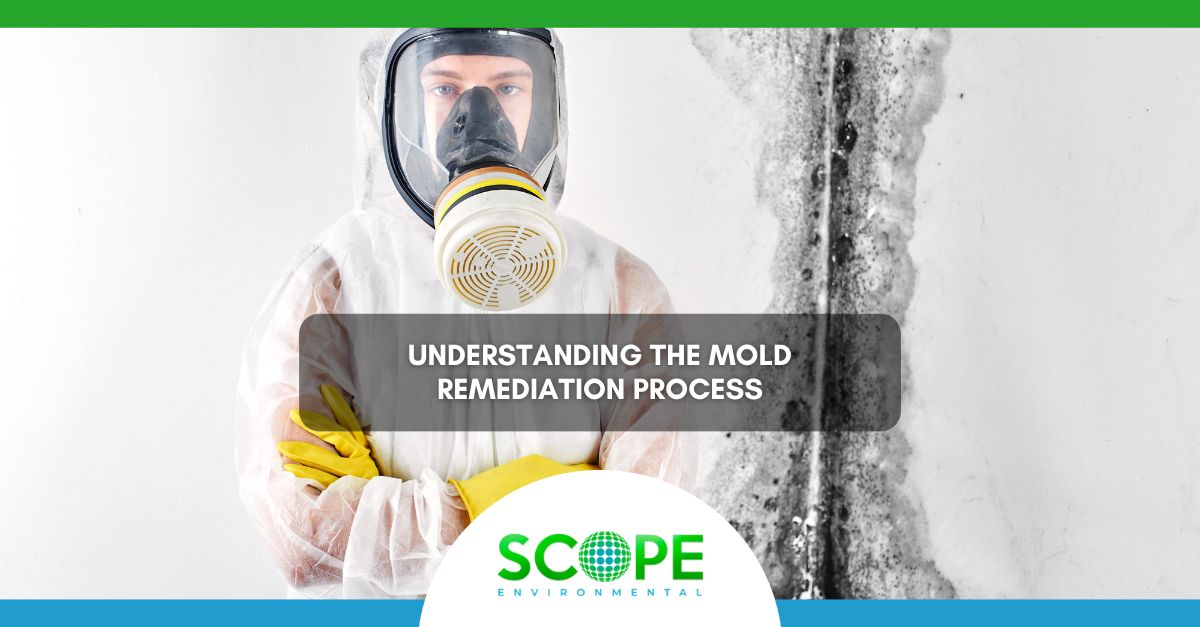
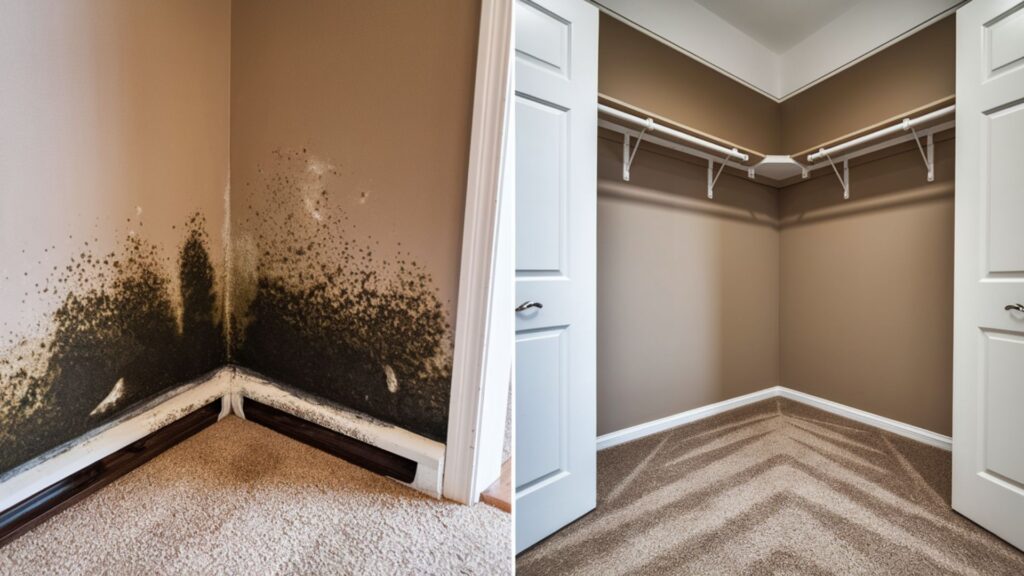
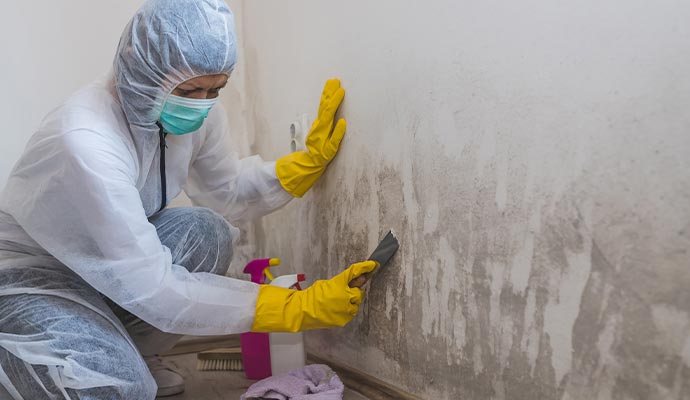
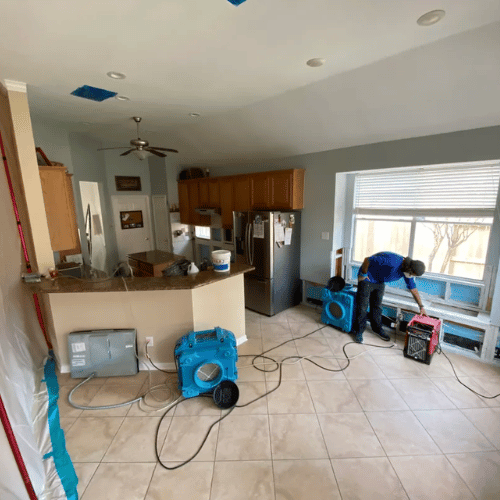
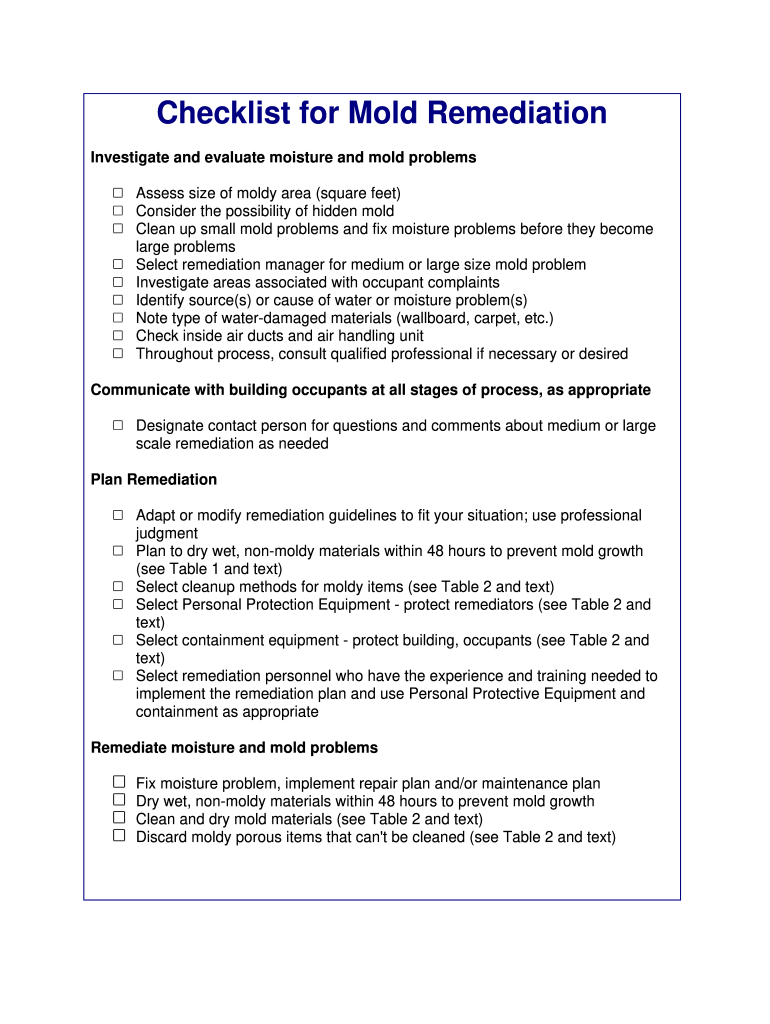
Structural mold remediation involves identifying, containing, and removing mold from buildings to restore a safe, healthy environment. It addresses both visible mold and underlying causes like moisture and poor ventilation to prevent recurrence and protect structural integrity.
Importance of Prompt Structural Mold Remediation

Exposure to mold can trigger allergic reactions, respiratory irritation, and asthma symptoms in sensitive individuals. Some molds produce mycotoxins that pose additional health concerns with prolonged exposure. Beyond health, mold compromises materials by breaking down cellulose and modifying wood, drywall, and insulation. Prompt identification and remediation are essential to prevent further damage and ensure a safe living or working environment.
Causes of Structural Mold Growth
- Excessive moisture from water damage, leaks, or poor ventilation
- Condensation on windows, walls, or ceilings
- Poor insulation or inadequate building design
- Previous water damage or flooding
- High humidity levels