Using GLP-1 to Develop Mindful Eating Habits for Weight Loss
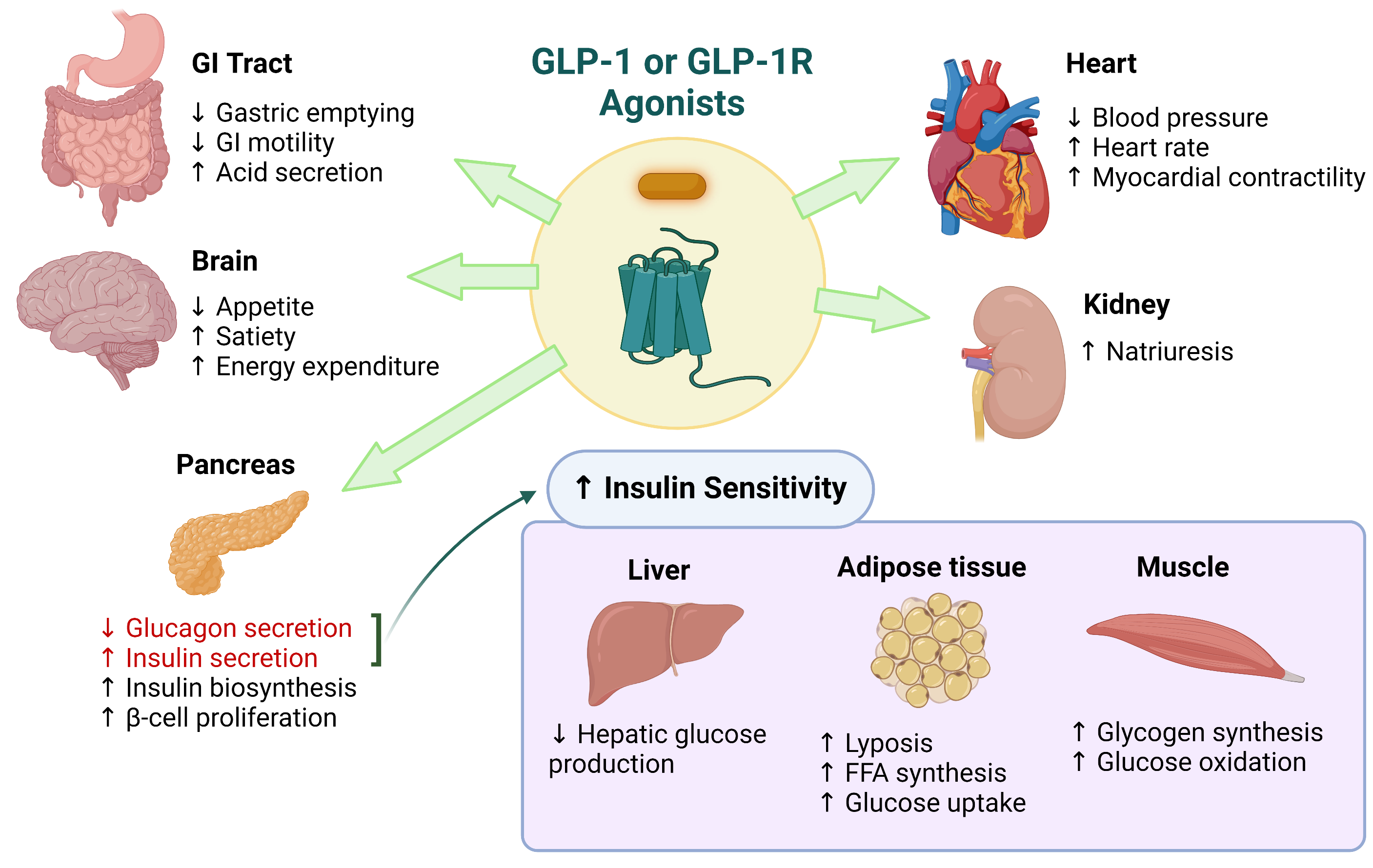
In recent years, the use of GLP-1 medications has become increasingly popular as a means of weight loss and improved metabolic health. However, sustained effectiveness is often plagued by lack of adherence to the medication and resumption of pre-weight loss behaviors. Side effects, primarily severe gastrointestinal distress, can also be a concern. Health and well-being coaching (HWC) has been recognized as an essential component in obesity management, and when combined with mindful eating practices, the journey to long-term weight loss and improved metabolic health becomes even more effective.
The Science Behind GLP-1 and Mindful Eating
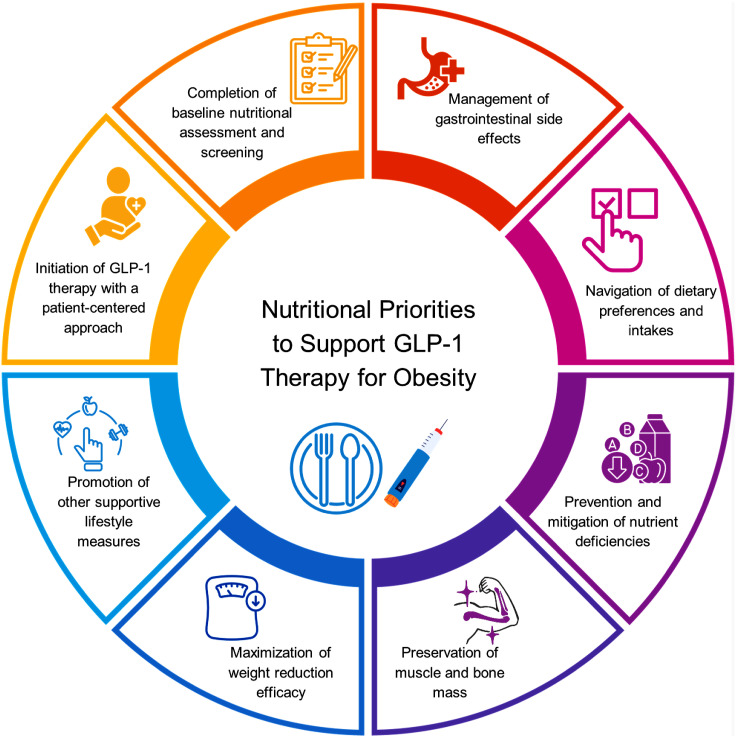
Research has shown that GLP-1 medications can initiate weight loss, but long-term success hinges on maintaining lifelong habits. Behavioral support, both during and after medication treatment, can help patients establish and maintain routines around meal planning, physical activity, sleep, and stress management, as well as develop contingencies for when motivation dips or routines fall apart.

How Mindful Eating Practices Can Support Weight Loss
Mindful eating practices, such as bringing non-judgmental attention to physical and emotional experiences while eating, can help reduce or extinguish non-preferred eating behaviors such as inattentive eating, eating when not hungry, or emotional eating. By combining GLP-1 medications with mindful eating practices, individuals can develop a healthier relationship with food and leverage the appetite-regulating benefits of GLP-1 therapy.