Diabetic Weight Loss Tips: A Comprehensive Guide to Healthy Weight Management
The struggle to lose weight with diabetes is real. With the added challenge of managing blood sugar levels, it can feel overwhelming to make lifestyle changes that promote weight loss and overall health. However, with the right approach, achieving a healthy weight can improve blood sugar control, reduce the risk of cardiovascular disease, and enhance overall well-being.
Understanding the Importance of Weight Loss for Diabetics
The Centers for Disease Control and Prevention (CDC) recommends that just 5%-10% of weight loss can improve A1C, lower blood pressure, and decrease the risk of cardiovascular disease. If you are 200 pounds, this would look like losing 10-20 pounds. Losing weight may feel overwhelming, but a great first step can be to cut back on added sugars and prioritize protein- and fiber-rich foods.
Setting Realistic Weight Loss Goals
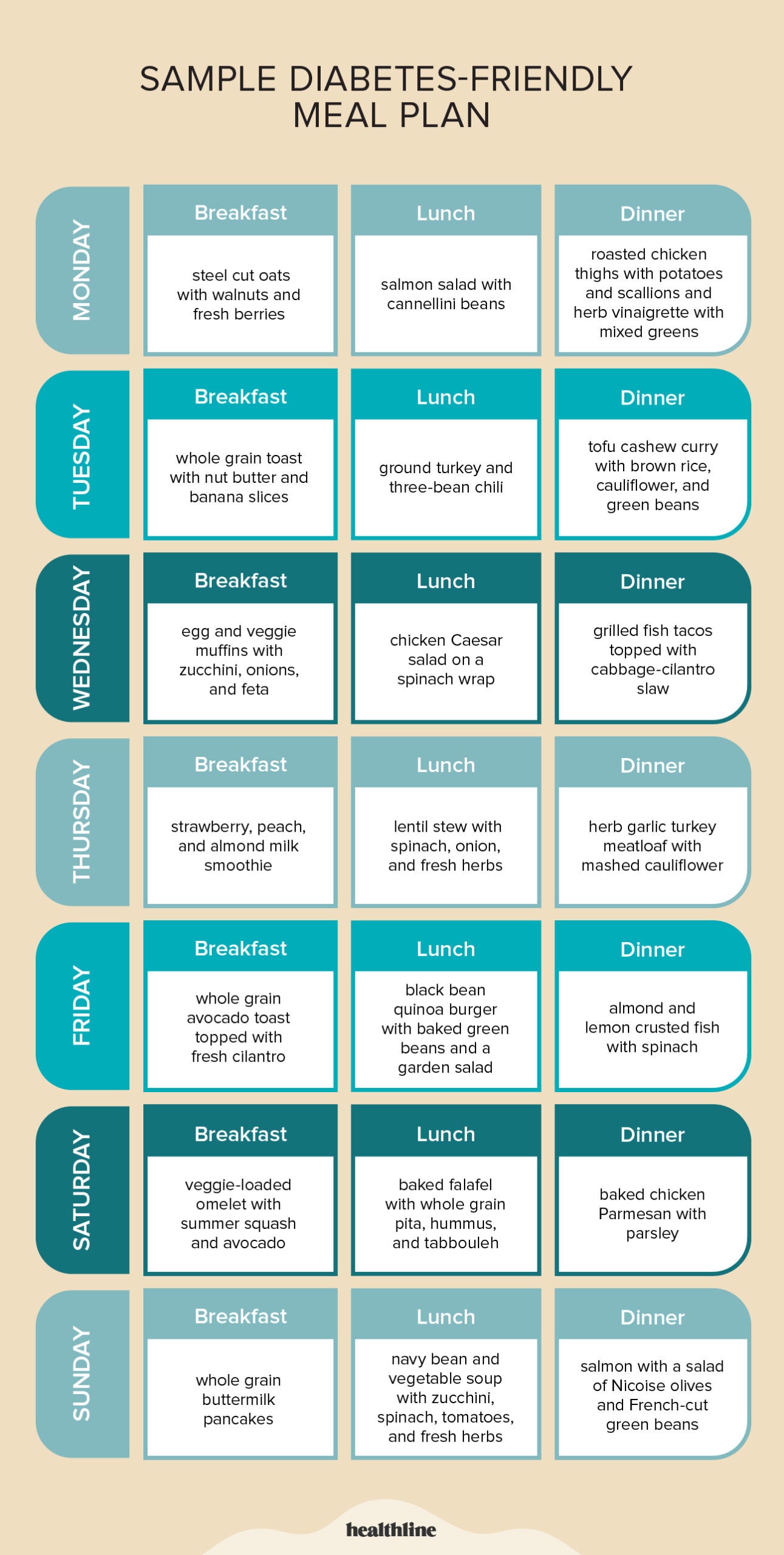
It's essential to set a weight loss goal with your healthcare provider to ensure you're on the right track. Discuss your weight loss goals, and work together to create a personalized plan that suits your needs. This will help you stay motivated and focused on achieving a healthy weight.
Effective Diabetic Weight Loss Tips
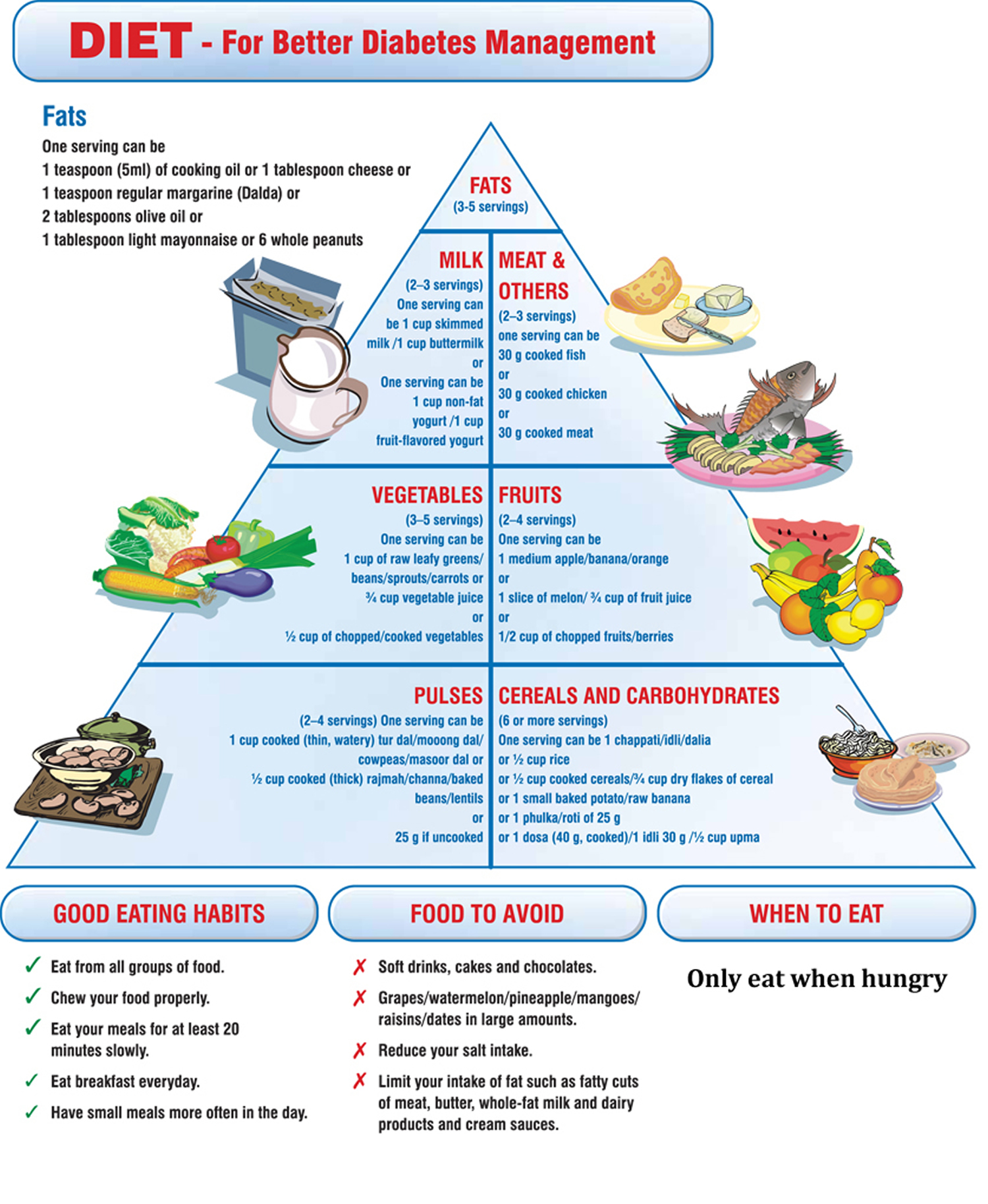
- Reduce Calorie Intake: One of the most effective ways to lose weight is to reduce your calorie intake. Focus on whole, unprocessed foods like vegetables, fruits, lean proteins, and whole grains. Aim for a balanced diet that provides the necessary nutrients for optimal health.
- Incorporate Physical Activity: Regular exercise not only helps with weight loss but also improves insulin sensitivity, reduces blood pressure, and enhances overall cardiovascular health. Aim for at least 150 minutes of moderate-intensity aerobic exercise, or 75 minutes of vigorous-intensity aerobic exercise, or a combination of both, per week.
- Stay Hydrated: Drinking plenty of water throughout the day can help suppress appetite, boost metabolism, and improve overall health. Aim for at least 8 cups (64 ounces) of water per day.
- Get Enough Sleep: Poor sleep quality and duration can disrupt hunger hormones, leading to overeating and weight gain. Aim for 7-9 hours of sleep per night to help regulate hunger and support weight loss.
- Manage Stress: Chronic stress can lead to overeating and weight gain. Engage in stress-reducing activities like yoga, meditation, or deep breathing exercises to help manage stress and promote weight loss.