GLP-1 Analogues for Weight Management: The Latest Advances
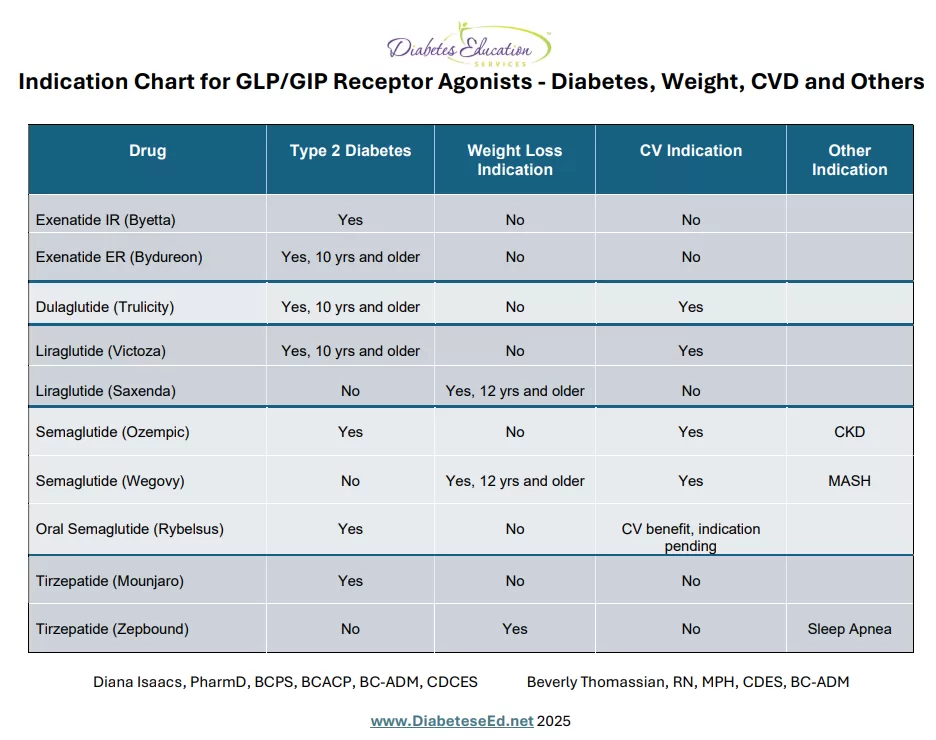
For decades, healthcare professionals have been searching for effective and safe solutions to combat the ever-growing issue of obesity. In recent years, Glucagon-like Peptide-1 (GLP-1) analogues have emerged as a promising class of medications for weight management and the treatment of type 2 diabetes. In this article, we will delve into the world of GLP-1 analogues, exploring their mechanism of action, benefits, and potential risks. We will also examine the current state of clinical trials and real-world applications of these medications, as well as the legal considerations and regulatory frameworks that govern their use.
What are GLP-1 Analogues?
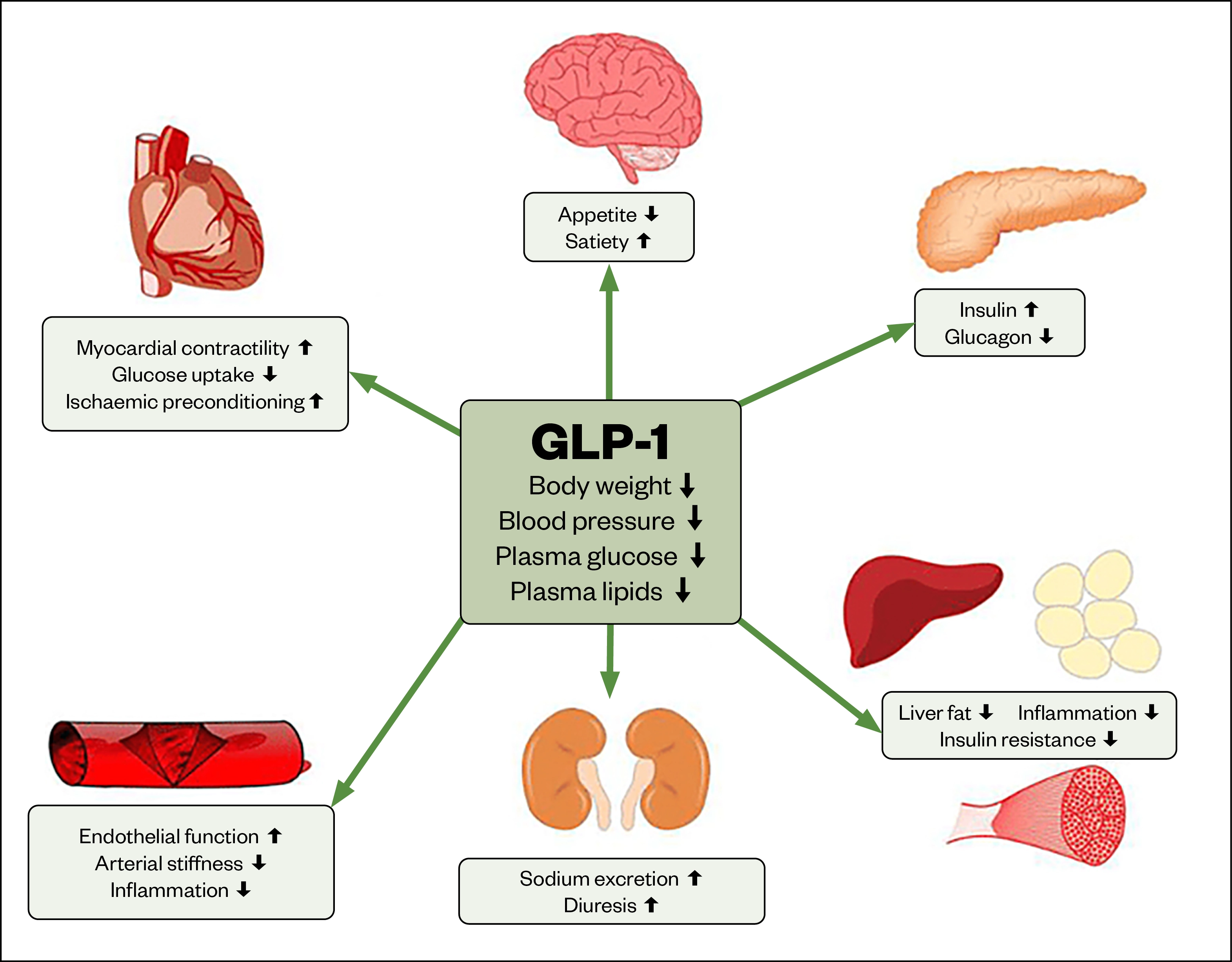
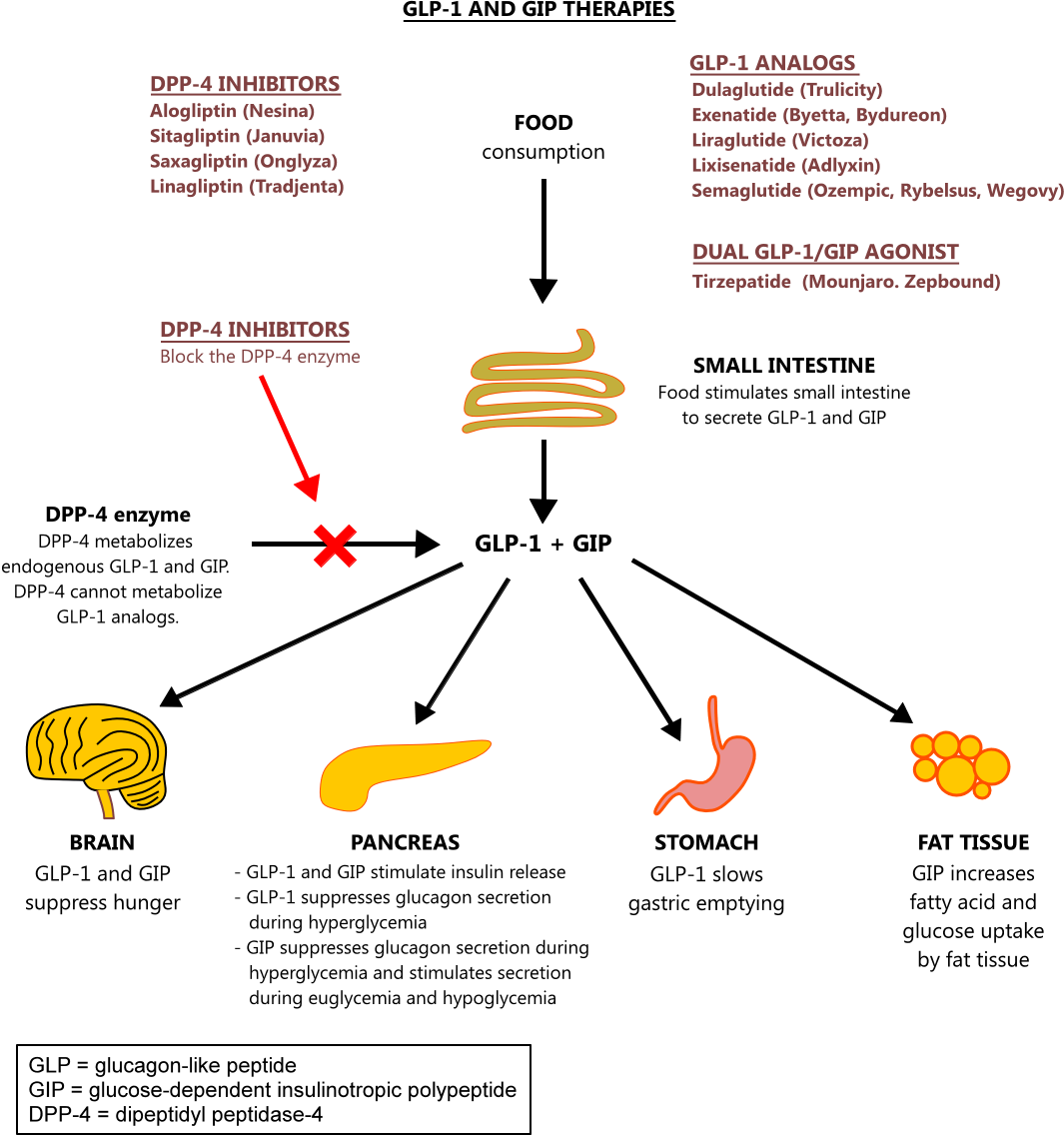
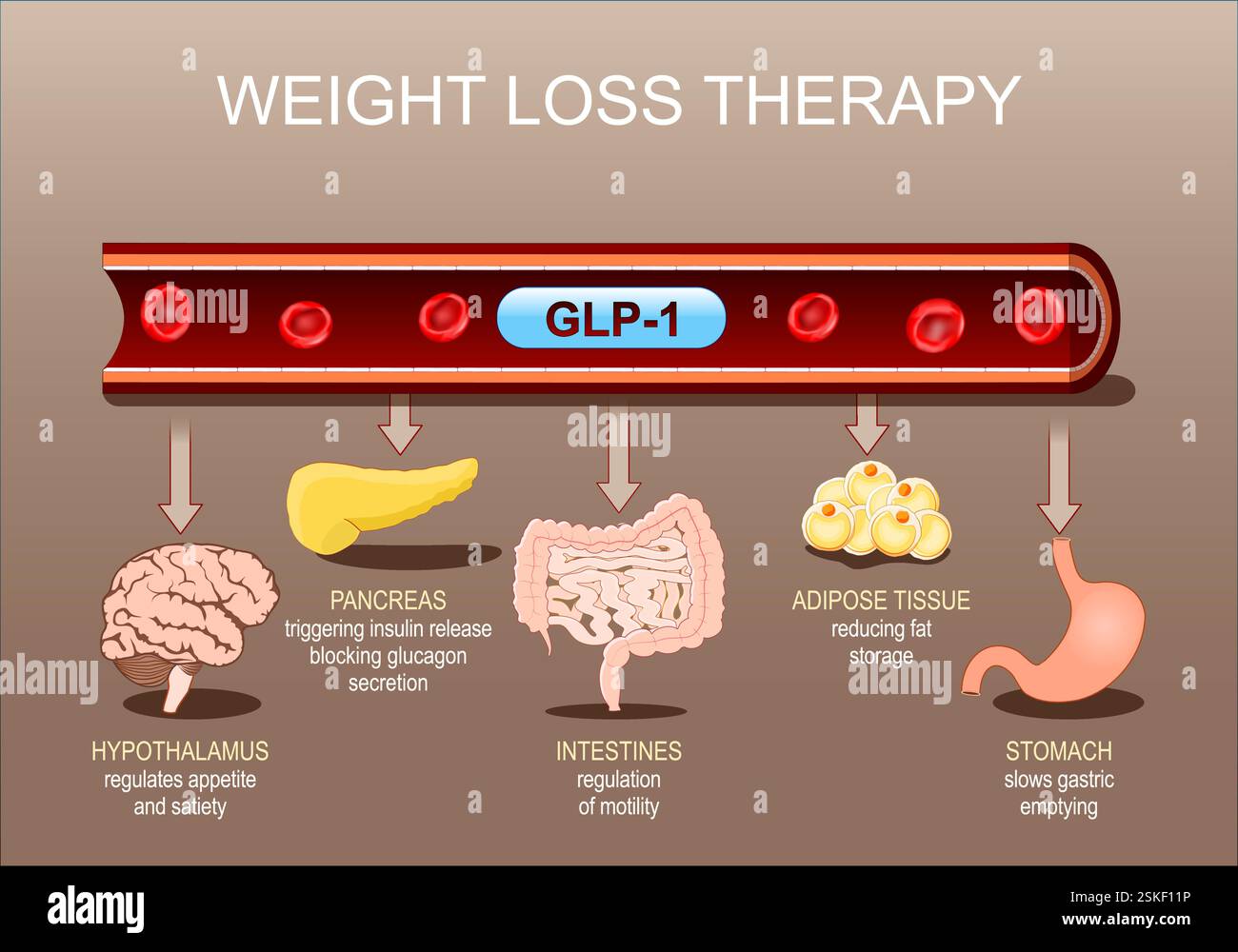
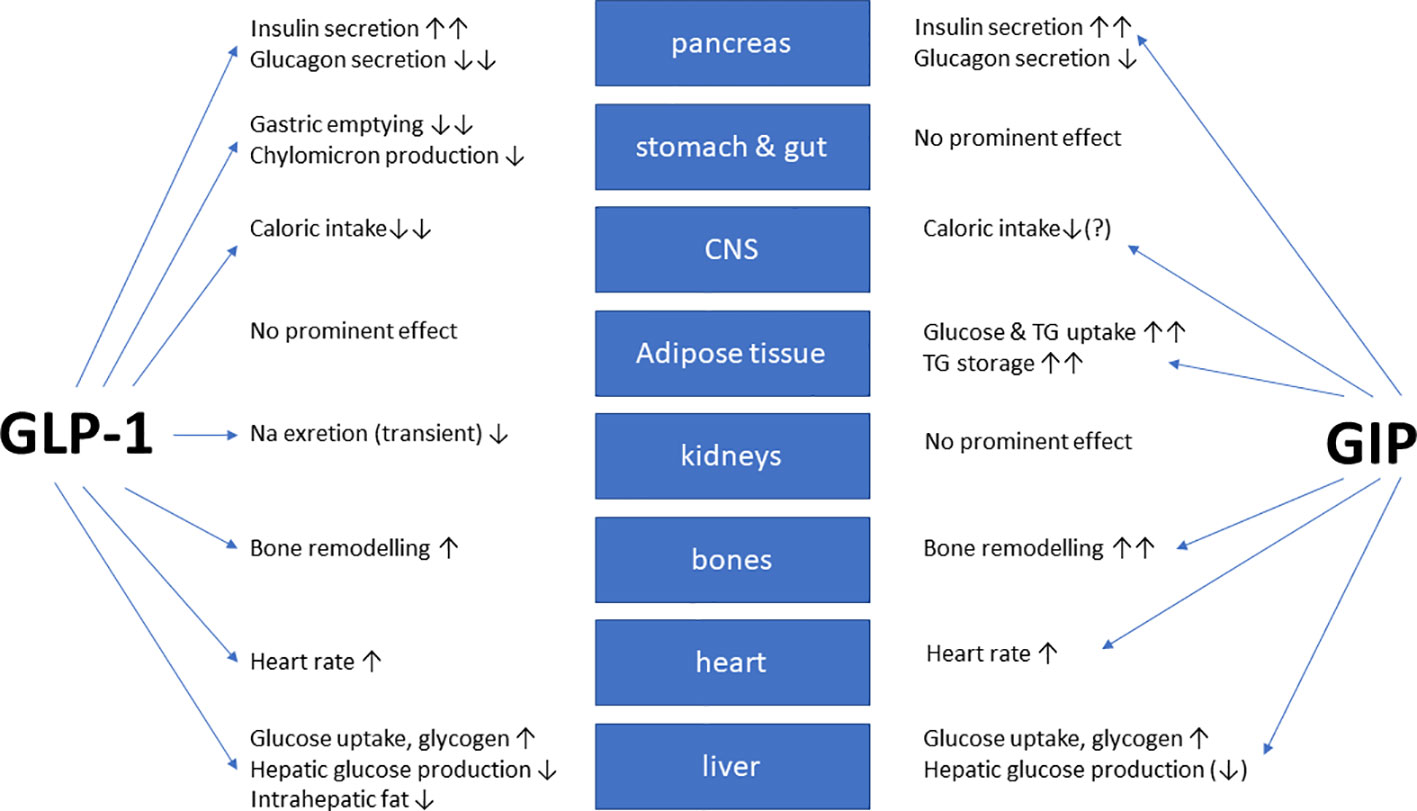
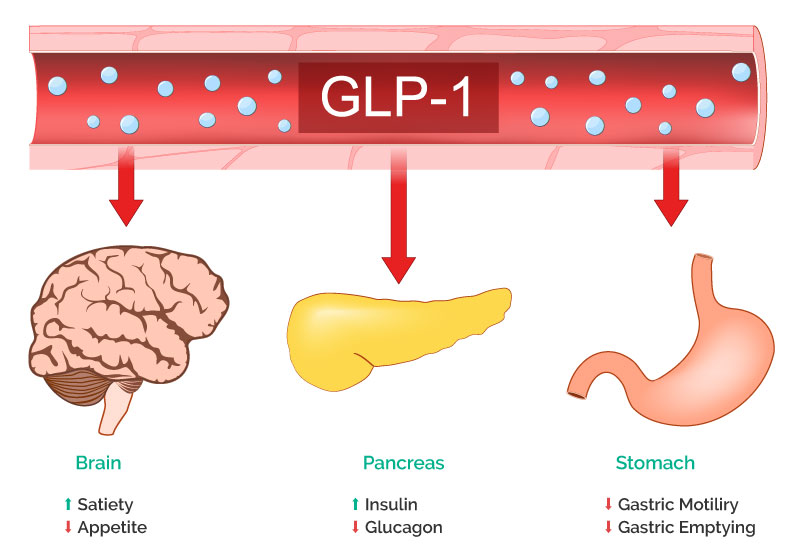
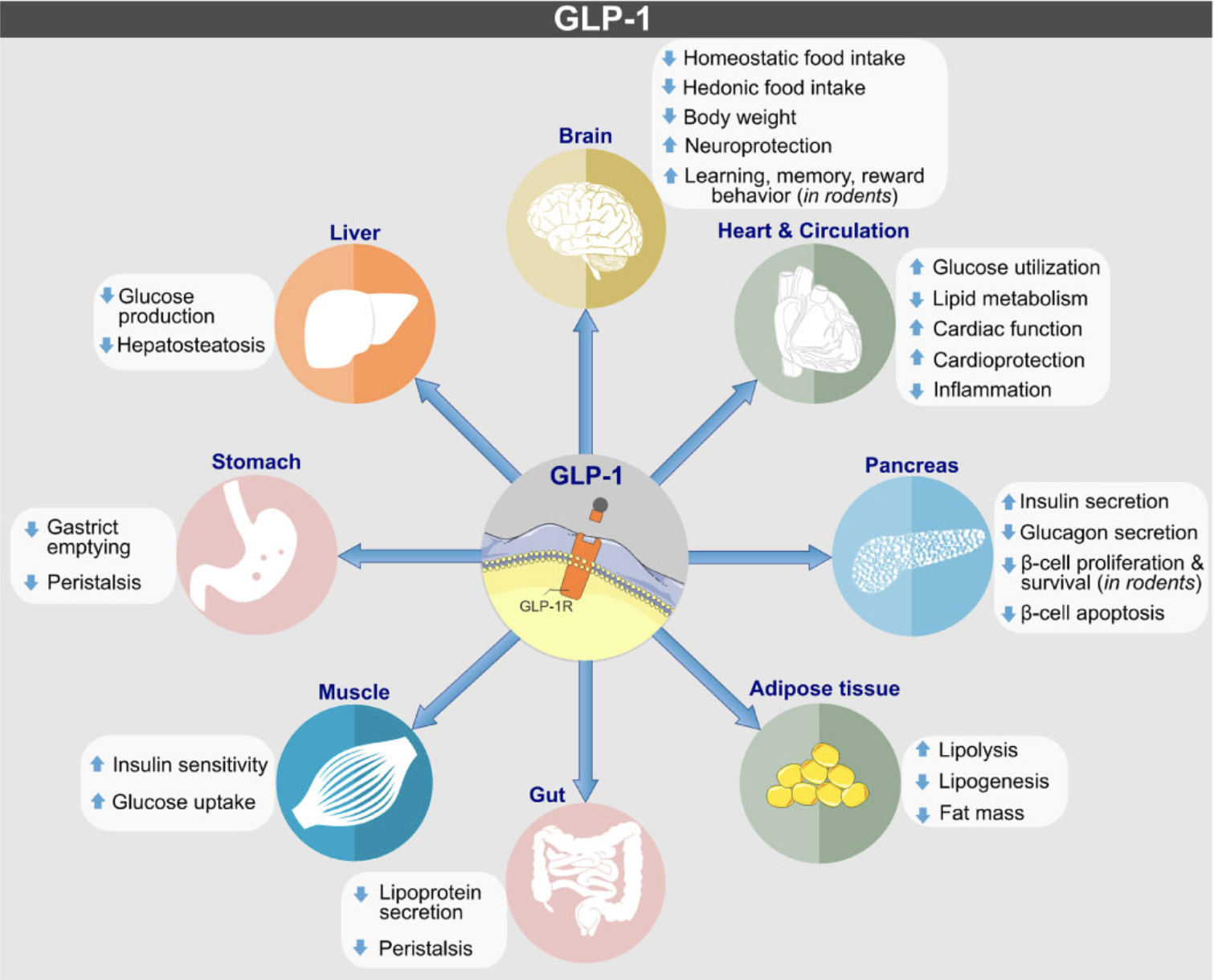
GLP-1 analogues are synthetic medications that mimic the naturally occurring hormone glucagon-like peptide-1. This hormone plays a crucial role in regulating blood sugar levels by stimulating insulin secretion and suppressing glucagon release. GLP-1 analogues are engineered to have an extended duration of action, allowing them to provide sustained benefits for weight management and glucose control.

Benefits of GLP-1 Analogues for Weight Management
Studies have consistently shown that GLP-1 analogues can lead to significant weight loss in individuals with obesity, particularly when combined with lifestyle modifications and other treatments. These medications have been shown to reduce body weight, improve glycemic control, and reduce the risk of cardiovascular complications. Additionally, GLP-1 analogues have been found to have a lower risk of hypoglycemia, a common side effect of insulin therapy.