Plant Growth Monitoring: Unlocking the Secrets of Optimized Cultivation
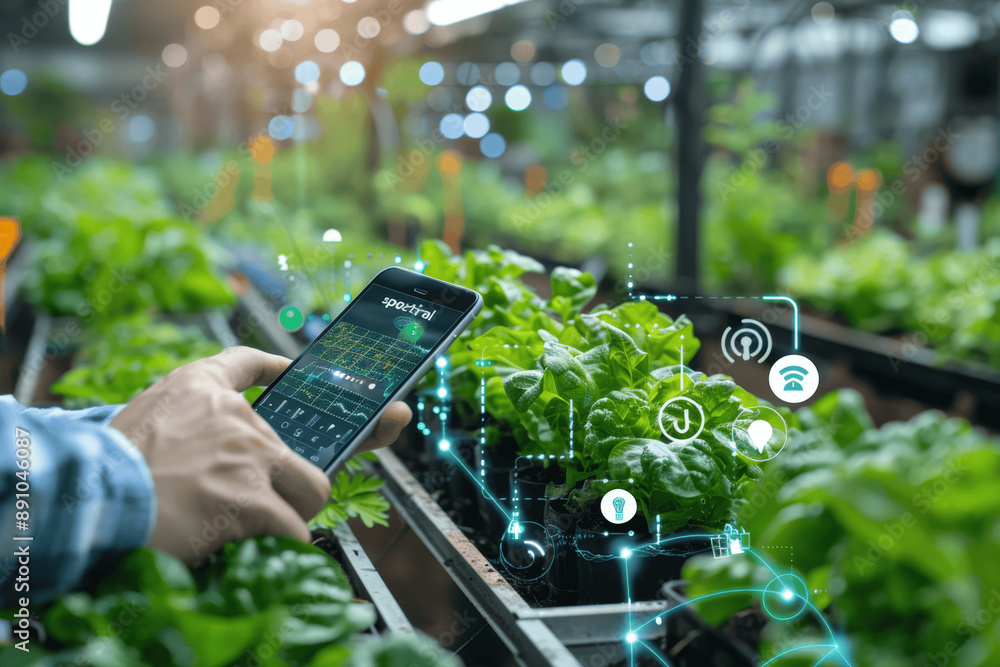
Plant growth monitoring is a fundamental practice that has gained significant attention in the agriculture and horticulture industries. With the rise of automation and data analytics, farmers, researchers, and gardeners can now track the growth of plants in real-time, making data-driven decisions to optimize cultivation strategies. In this article, we will explore the world of plant growth monitoring, its importance, and the various technologies and techniques used to achieve optimal plant health and productivity.
Why Plant Growth Monitoring Matters
Plant growth monitoring is crucial for understanding how plants respond to environmental factors such as temperature, humidity, light intensity, and nutrient levels. By tracking these parameters, growers can identify potential issues before they become severe, making it easier to implement corrective actions. This prevents crop losses, reduces waste, and increases yields. In addition, plant growth monitoring helps researchers study the effects of climate change, soil quality, and other factors on plant growth, contributing to the development of more sustainable agricultural practices.

Technologies for Plant Growth Monitoring
Advanced technologies have made it possible to track plant growth with unprecedented precision. These include:
- Camera-based automatic plant growth monitoring systems
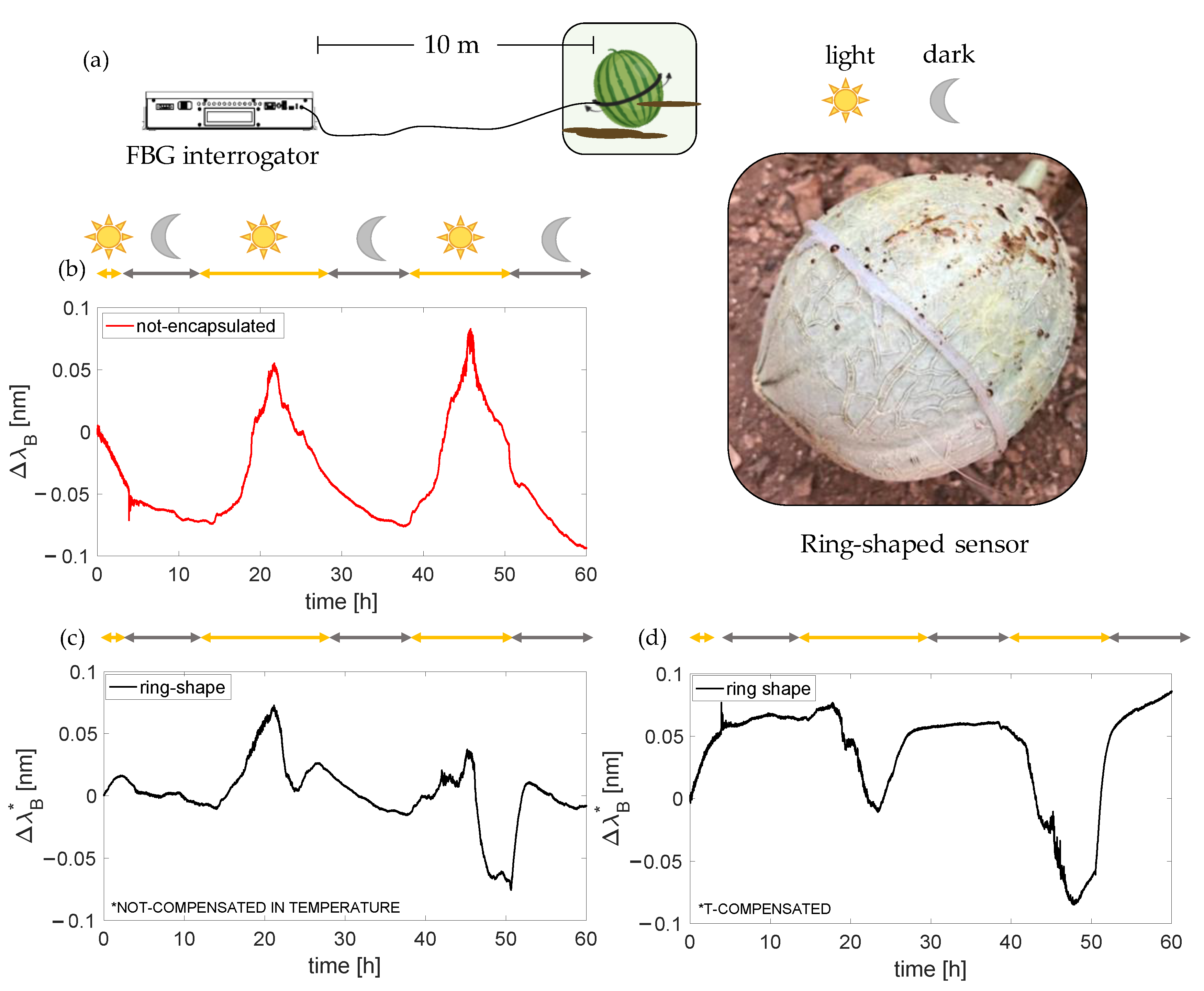
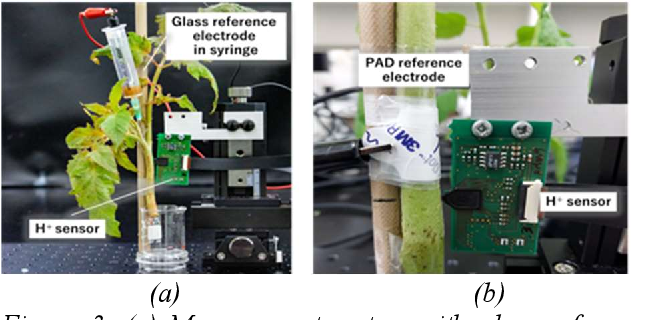
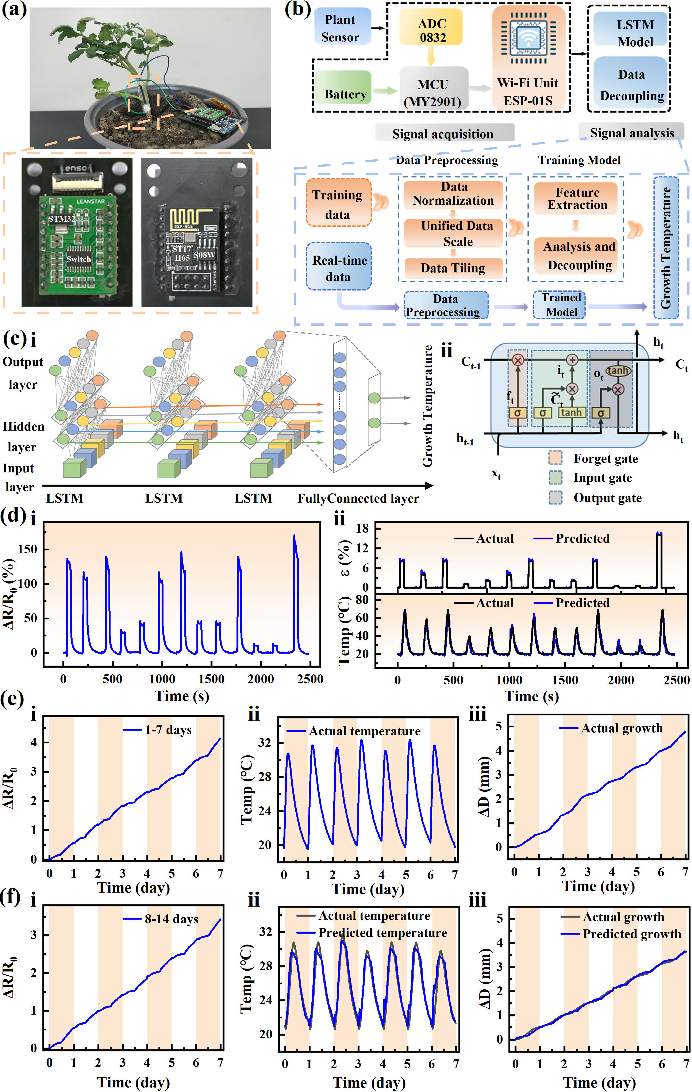
- Wearable sensors, such as those used in plant wearables
- Multi-sensory platforms, like the one used for monitoring tomato plant growth
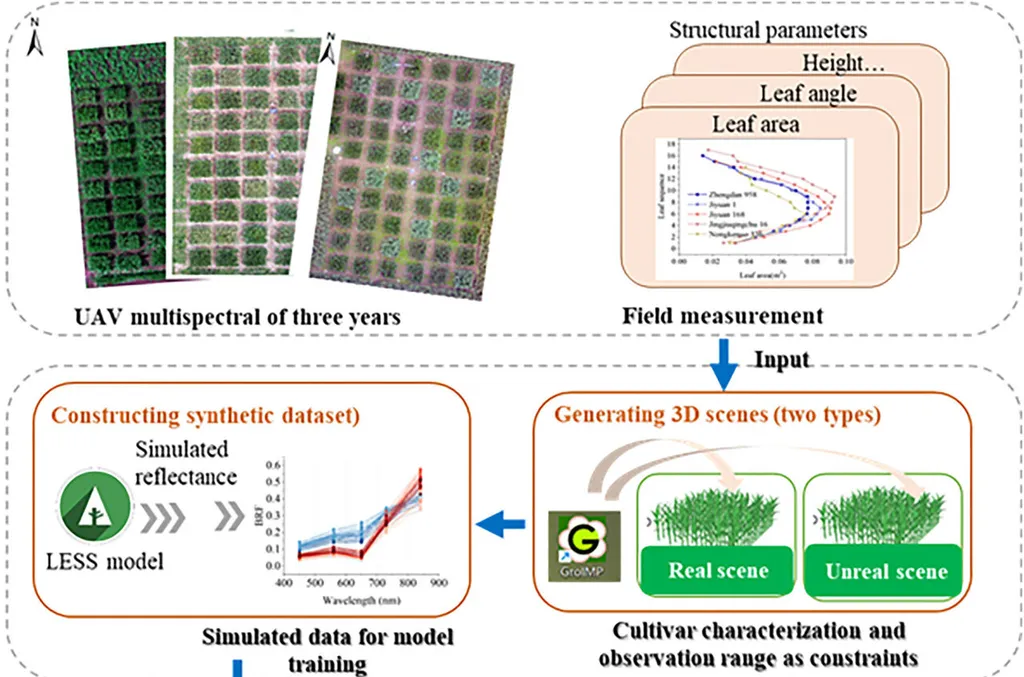
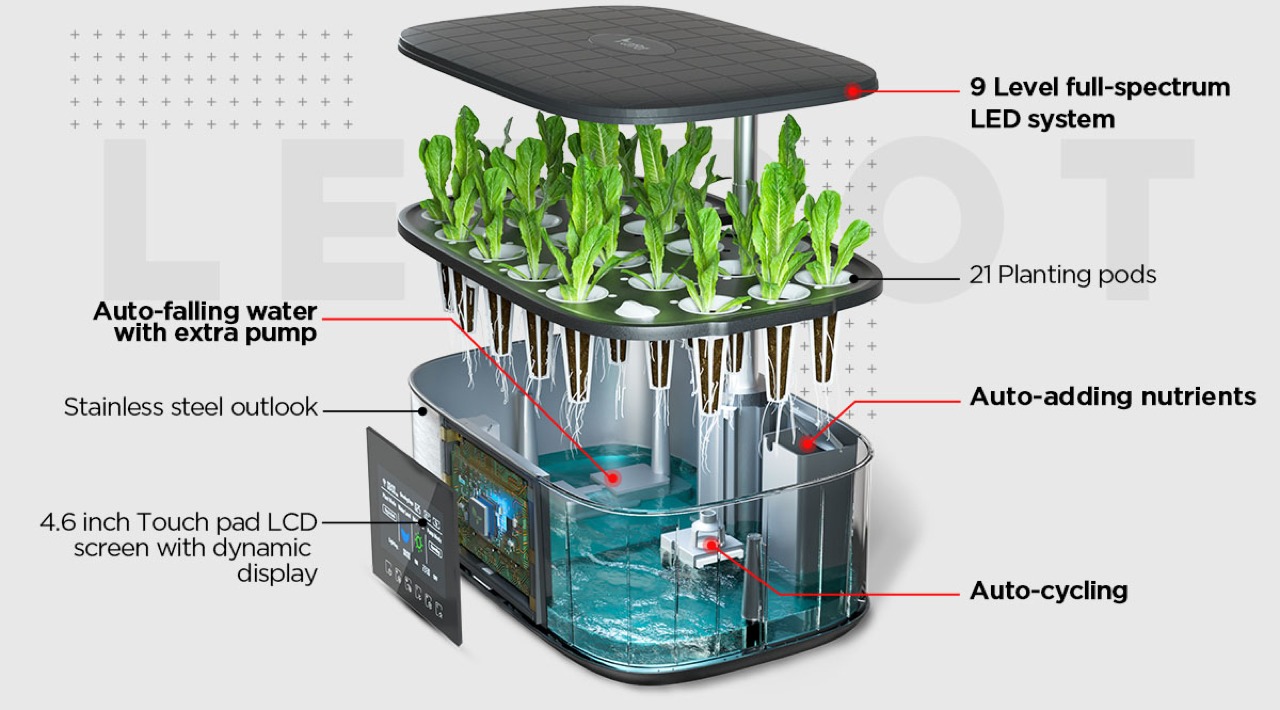
- Smart agriculture systems that utilize sensors and software for unmanned, automated, and intelligent management