US Trademark Office Search Classification: Understanding the Process
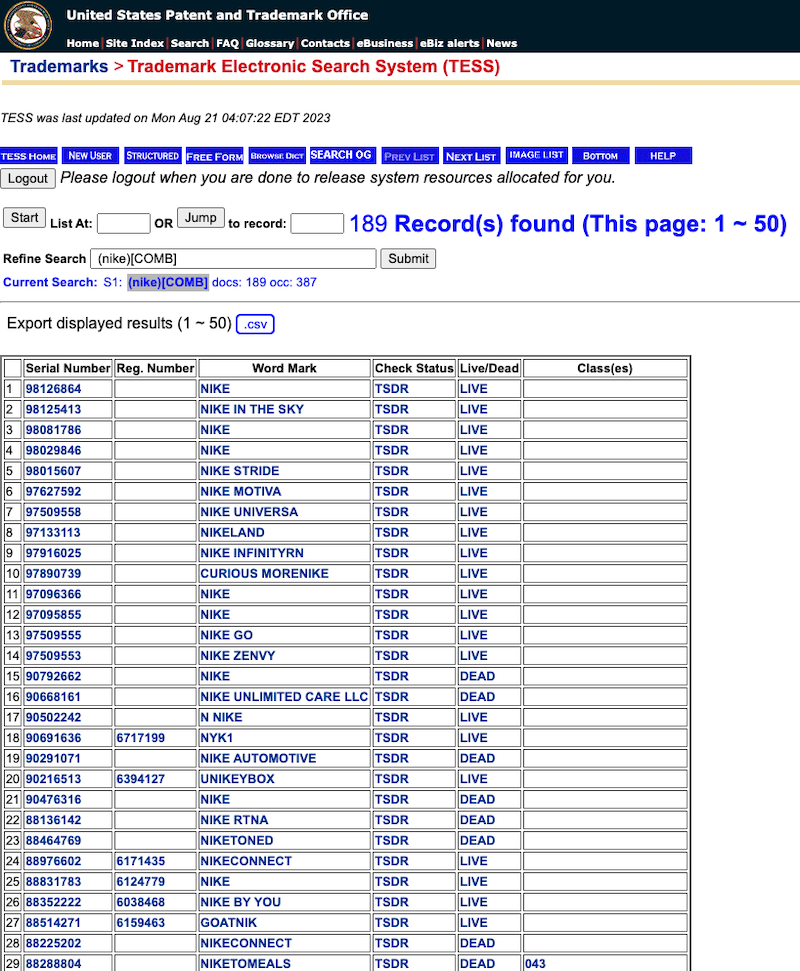
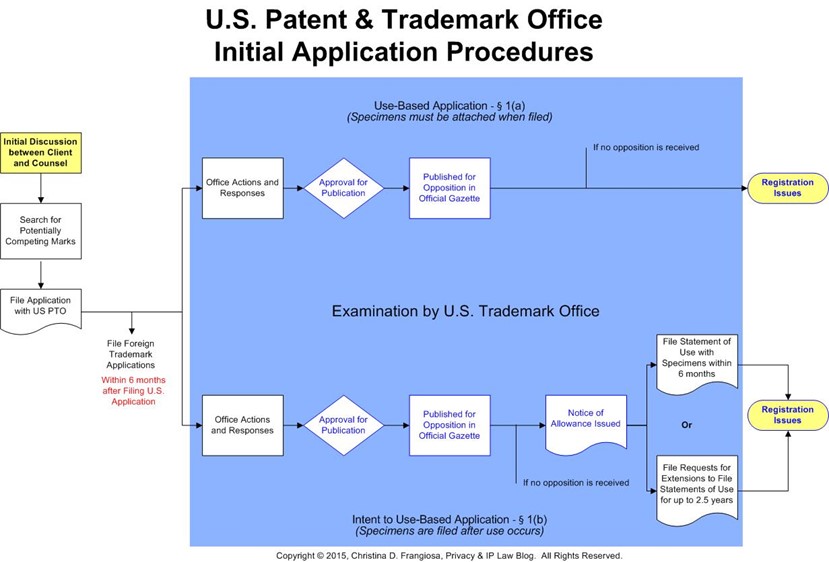
The United States Patent and Trademark Office (USPTO) has a comprehensive system in place for registering trademarks, and an essential step in this process is conducting a search for existing trademarks to ensure that your mark does not infringe on the rights of others. In this article, we will delve into the world of US trademark office search classification and explore the complexities involved.
What is Trademark Classification?
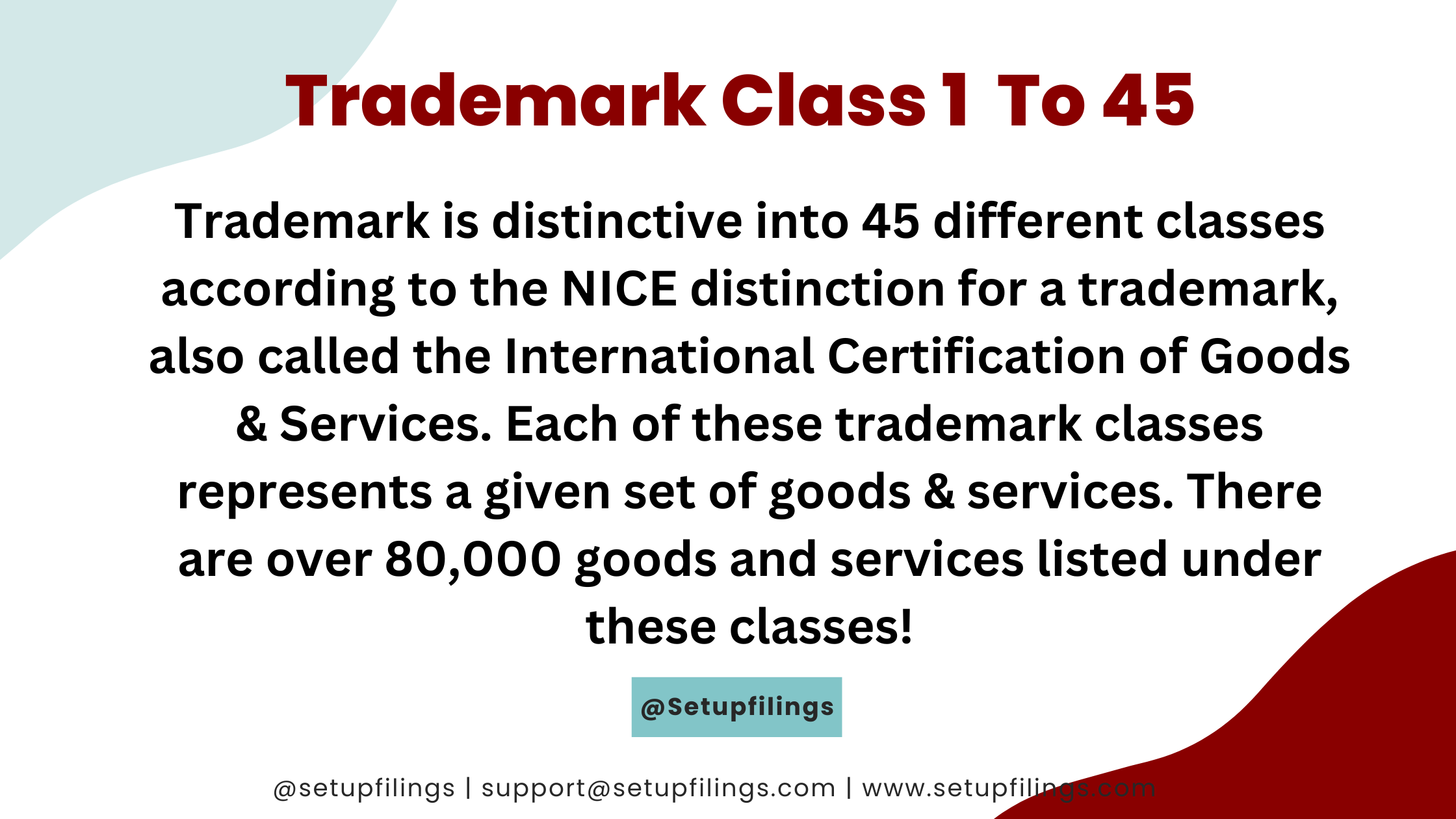
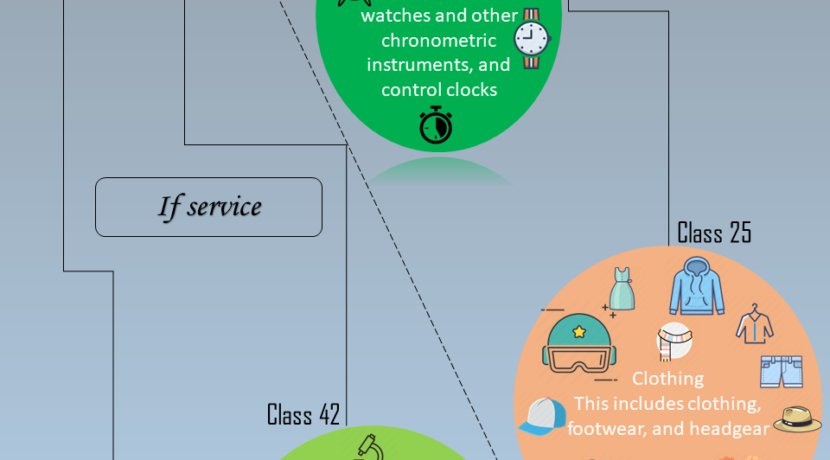
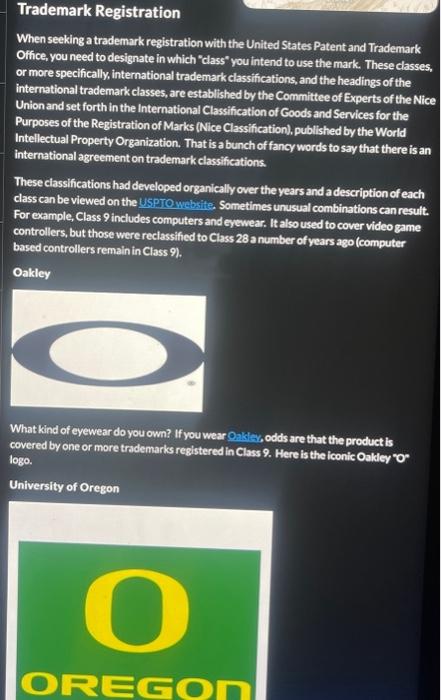
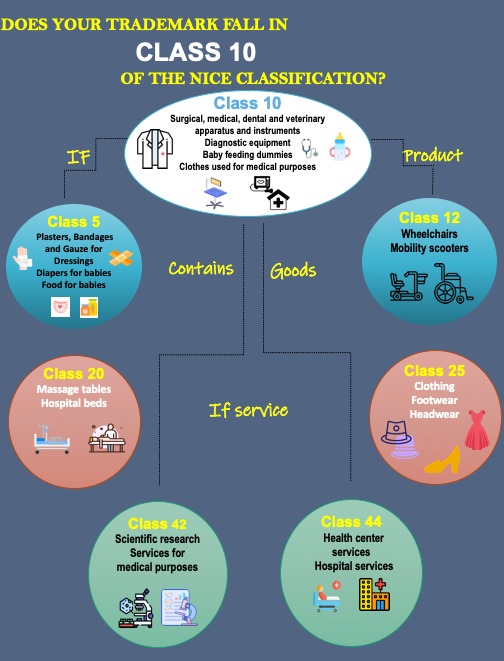
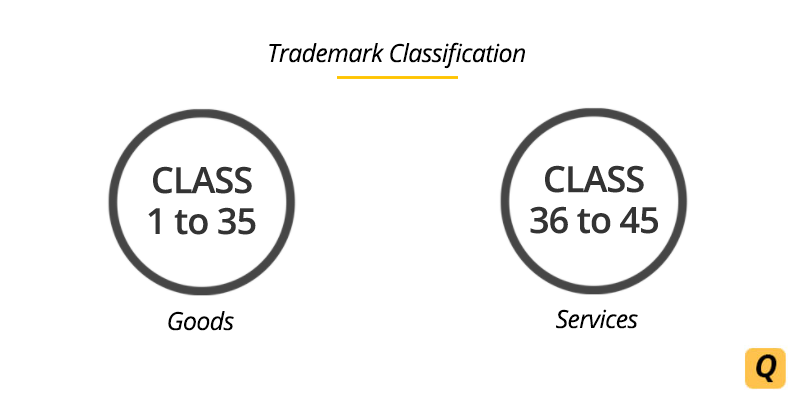
Trademarks are categorized into broad classes of goods and services using the Nice Classification system. This system is administered by the World Intellectual Property Organization (WIPO) and is followed by 192 countries, including the United States. The USPTO uses the Nice Classification system to classify trademarks into 45 different classes, ranging from Class 1 (Chemical goods) to Class 45 (Insurance and financial agencies). Each class represents a distinct category of goods or services.
Why is Trademark Classification Important?
Proper classification of goods and services is crucial for several reasons:
- Helps to prevent trademark conflicts: By identifying the correct class, you can avoid infringing on existing trademarks that belong to different classes.
- Allows for efficient searching: Classifying goods and services enables the USPTO to quickly and accurately search its database for existing trademarks.
- Facilitates international search: The Nice Classification system enables international search, making it easier for businesses to protect their trademarks globally.