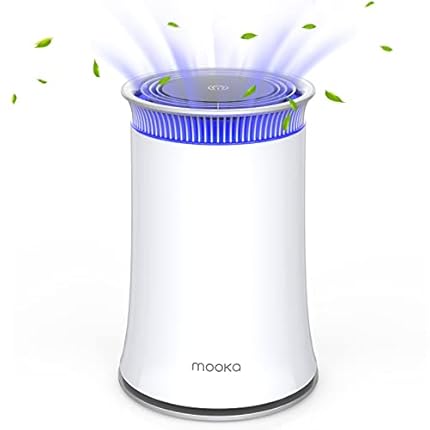
Activated Carbon Air Purifier for Smoke: A Comprehensive Guide
Introduction
Indoor air pollution is a growing concern worldwide, and one of the primary causes is smoke from various sources, including wildfires, tobacco, and household fires. Smoke can contain thousands of chemicals, including volatile organic compounds (VOCs), which can be hazardous to human health. In this article, we will explore the benefits of using an activated carbon air purifier for smoke and provide a comprehensive guide to choosing the right model.
How Does an Activated Carbon Air Purifier for Smoke Work?
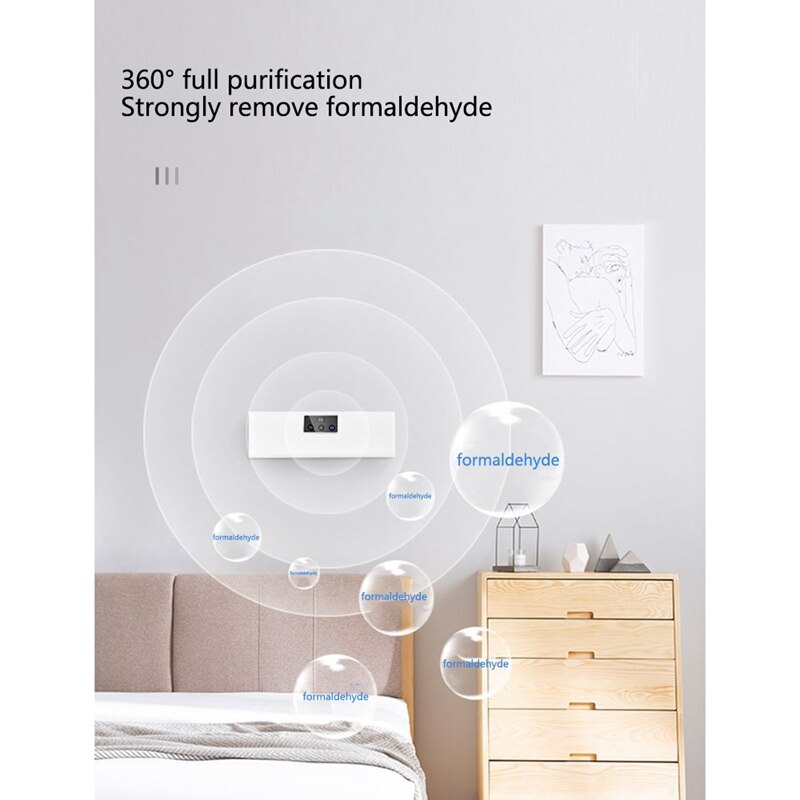
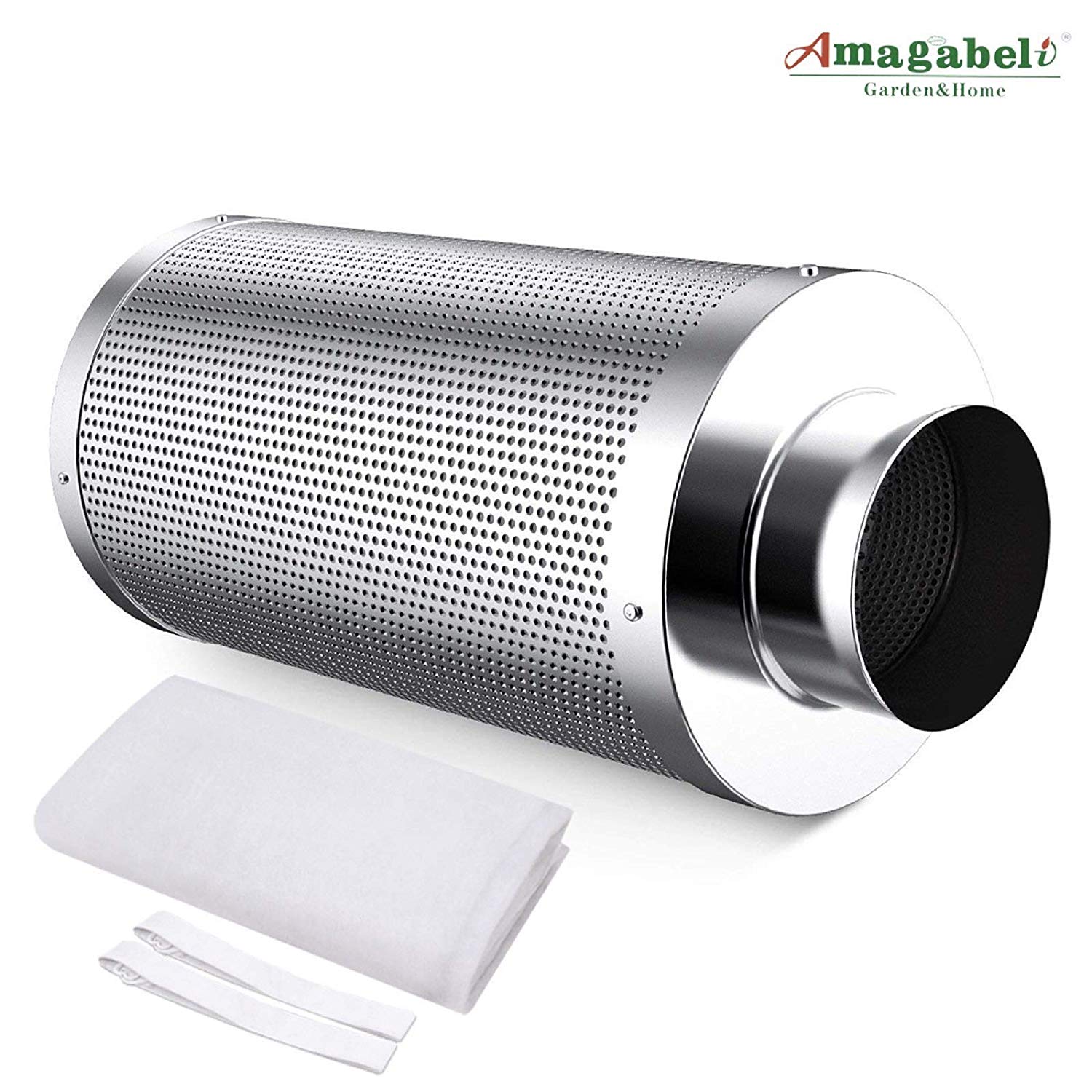
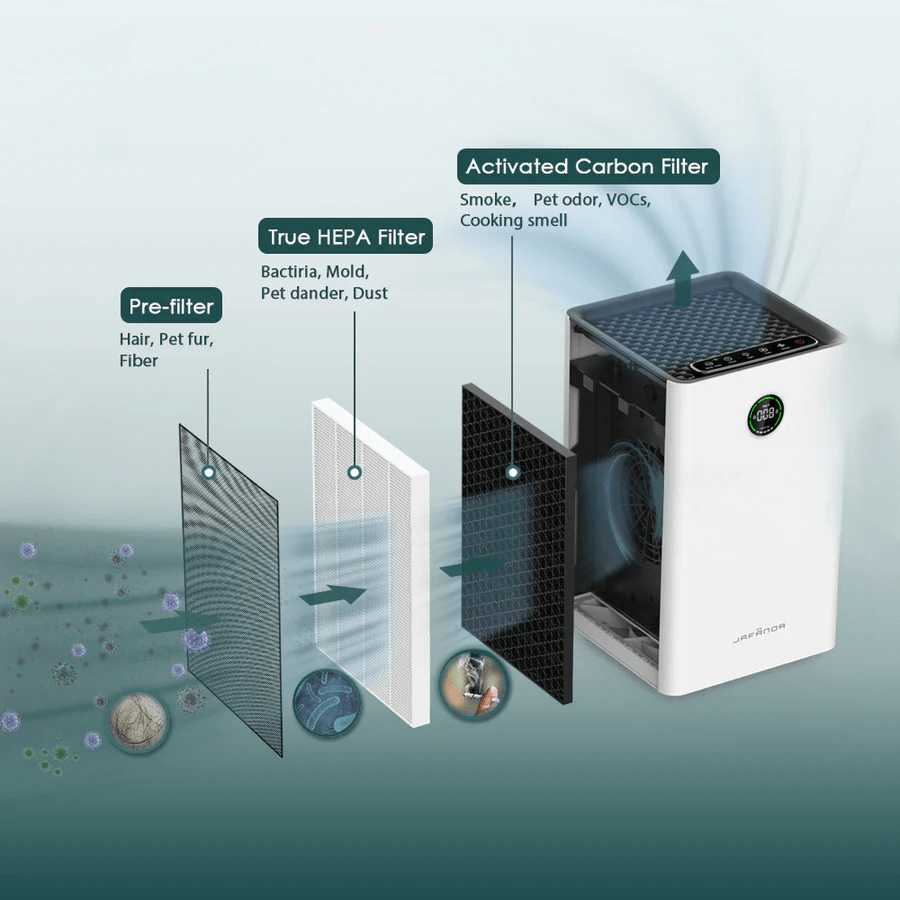
Activated carbon air purifiers use a type of filtration technology that employs activated carbon, a highly effective adsorbent material. Activated carbon is made from charcoal, which has been treated to increase its surface area and adsorption capacity. This process allows the carbon to capture and remove VOCs, odors, and other pollutants from the air.
The activated carbon is often used in combination with a HEPA (High Efficiency Particulate Air) filter, which captures 99.97% of particles as small as 0.3 microns, including dust, pollen, and other airborne particles. Together, these filters provide a comprehensive solution for removing smoke, odors, and pollutants from the air.