Increased GLP-1 and Protein IgF1: Understanding the Implications of Hormonal Balance
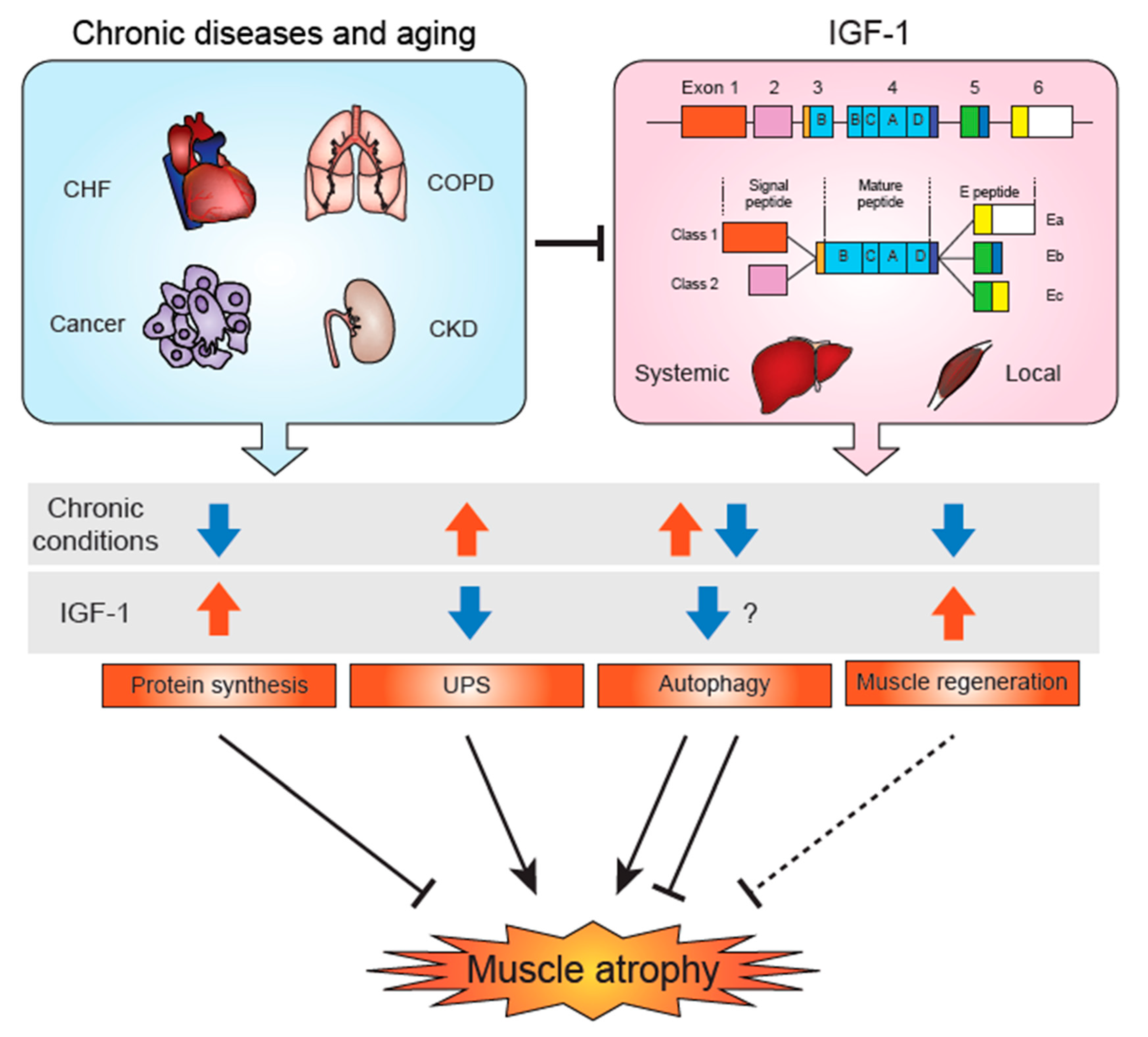
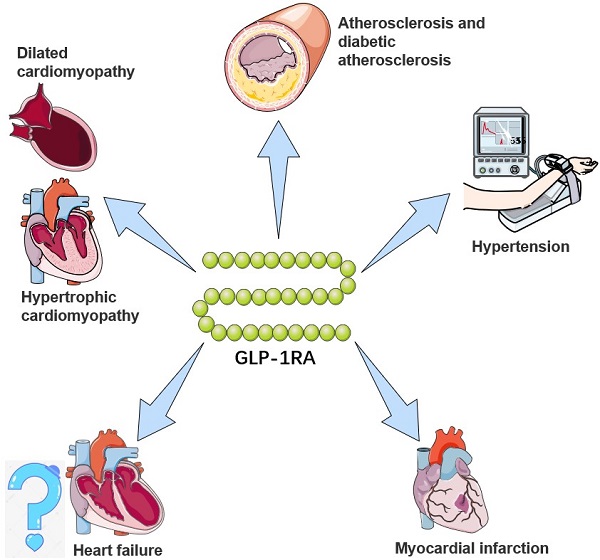
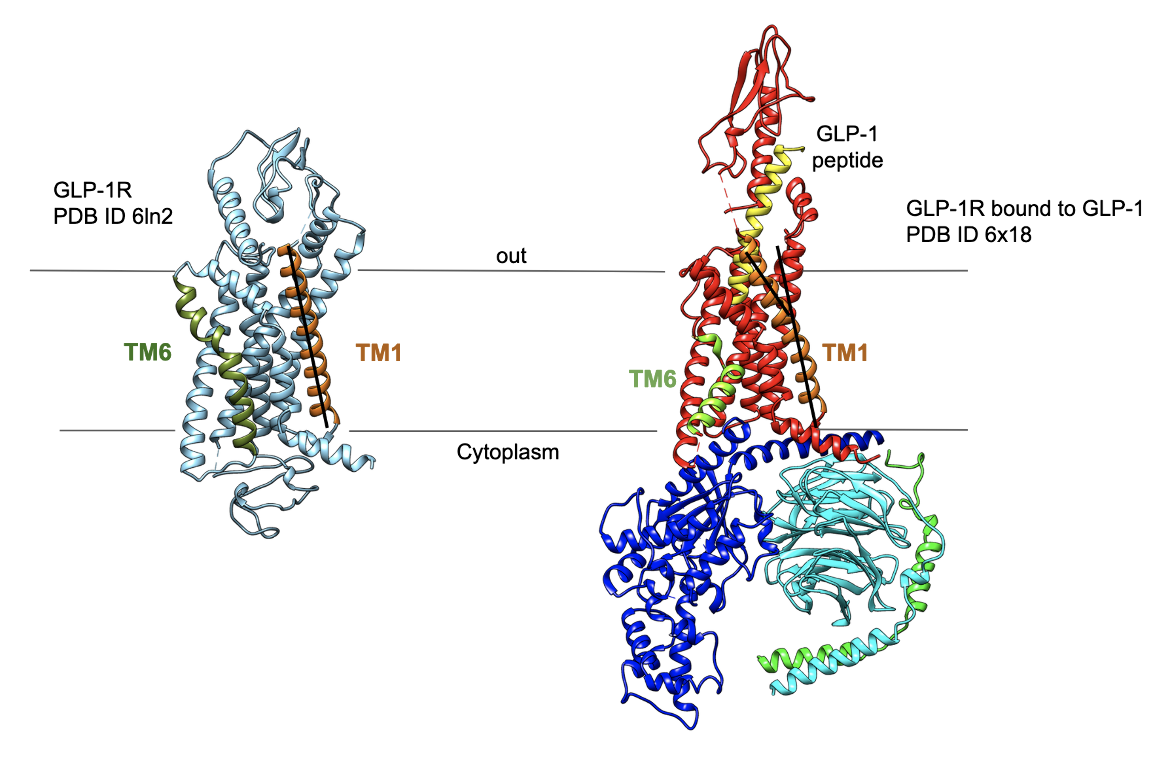
Glucagon-like peptide-1 (GLP-1) and insulin-like growth factor 1 (IGF-1) are two hormones that play crucial roles in regulating various physiological processes, including inflammation, energy metabolism, and tissue growth. The interplay between these two hormones has been implicated in the pathogenesis of several disease states, including coronary heart disease, type 1 diabetes, and neurological disorders such as amyotrophic lateral sclerosis (ALS). In this article, we will delve into the relationship between increased GLP-1 and protein IgF1, exploring their significance in disease pathogenesis, their effects on the body, and potential therapeutic implications.
The Roles of GLP-1 and IGF-1 in Disease Pathogenesis
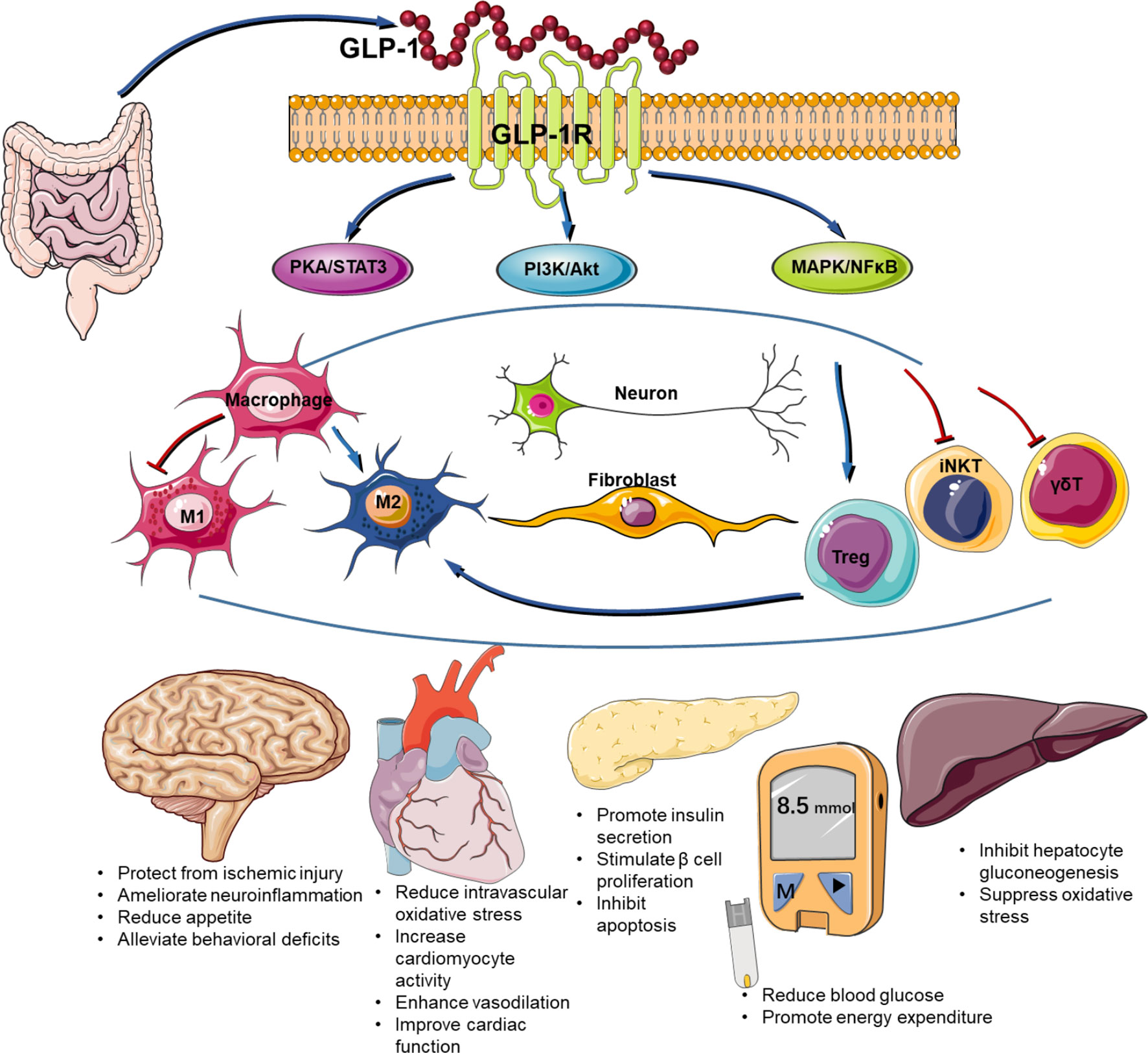
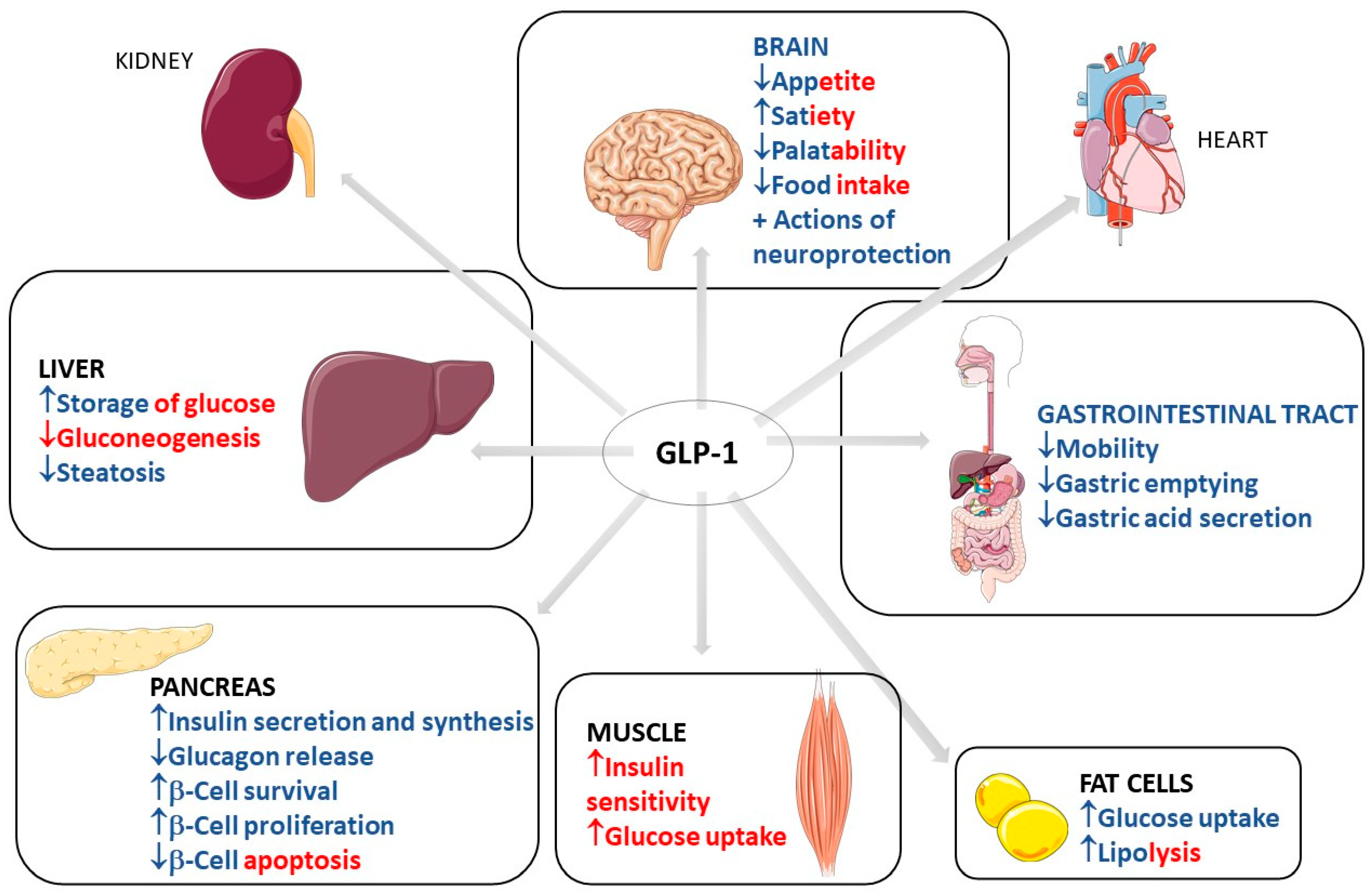
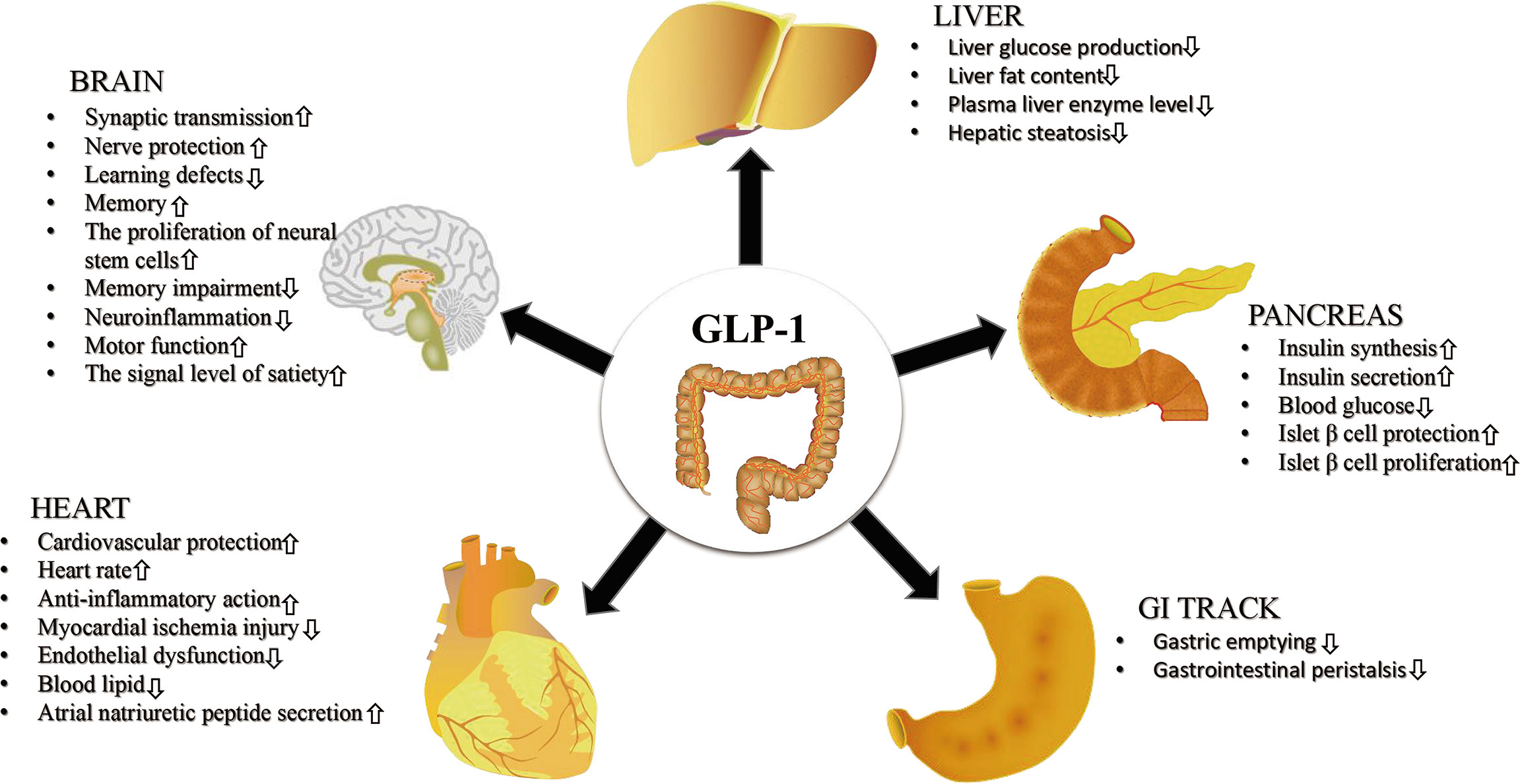
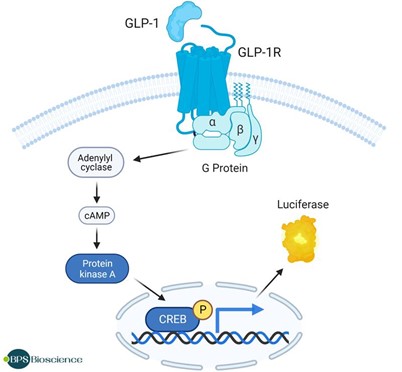
GLP-1 is an incretin hormone that stimulates insulin secretion and inhibits glucagon release, leading to improved glucose metabolism and reduced blood sugar levels. IGF-1, on the other hand, plays a critical role in regulating growth and development, acting as a mediator of growth hormone (GH) action. Recent studies have shown that dysregulation of both GLP-1 and IGF-1 signaling pathways is implicated in the progression of various diseases.

GLP-1 and IGF-1 in Inflammation and Oxidative Stress
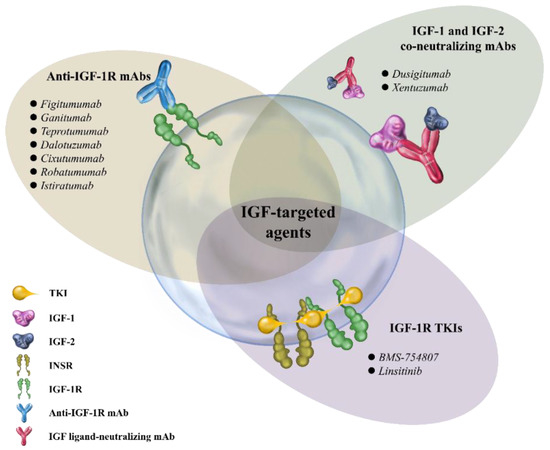
Increased GLP-1 levels have been found to modulate inflammation and oxidative stress, which are key contributors to coronary heart disease (CHD) pathogenesis. In fact, GLP-1 has been shown to alleviate inflammatory damage caused by stroke by inhibiting astrocyte inflammation through interaction with IGF-1 receptors. This highlights the importance of maintaining a balance between GLP-1 and IGF-1 signaling to prevent or mitigate disease progression.