Unlocking the Secrets of GLP-1 and Beta Cell Function Improvement
The human body is a complex machine, with various systems working in sync to maintain overall health and well-being. When it comes to diabetes management, the role of glucagon-like peptide-1 (GLP-1) and beta cell function improvement cannot be overstated. In this article, we will delve into the intricate relationship between GLP-1 and beta cell function, and explore the benefits of using GLP-1-based therapies in type 2 diabetes treatment.
GLP-1 and Beta Cell Function: The Connection
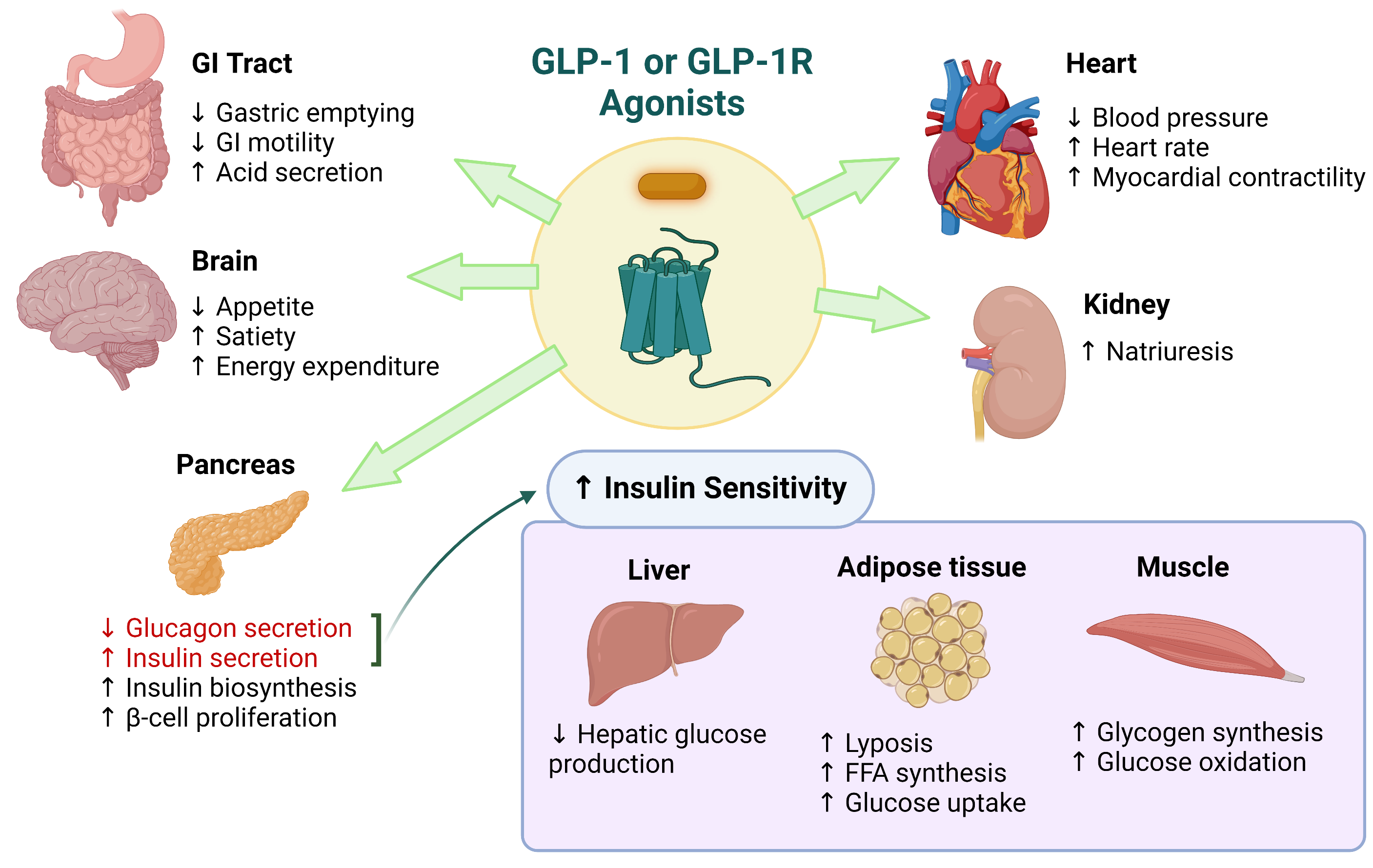
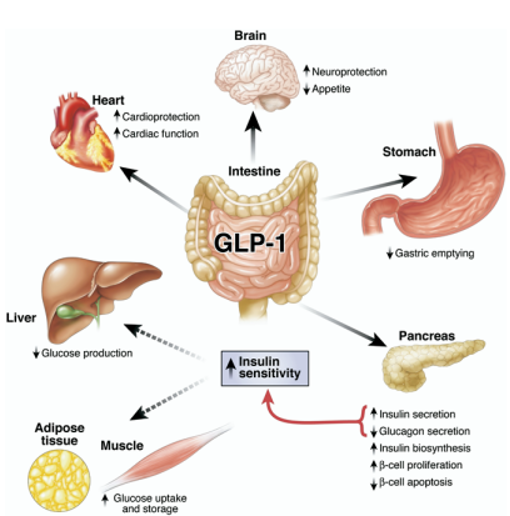
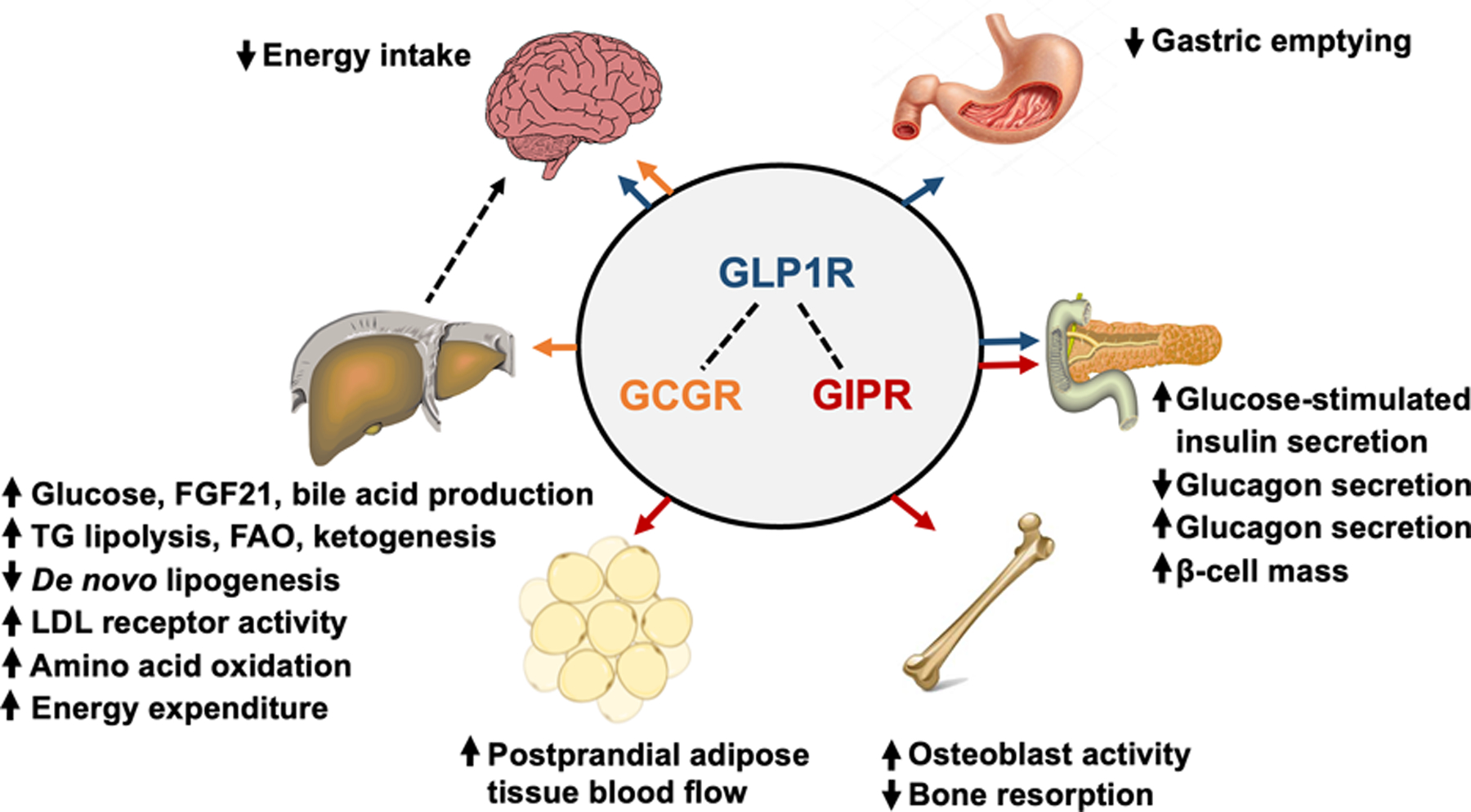
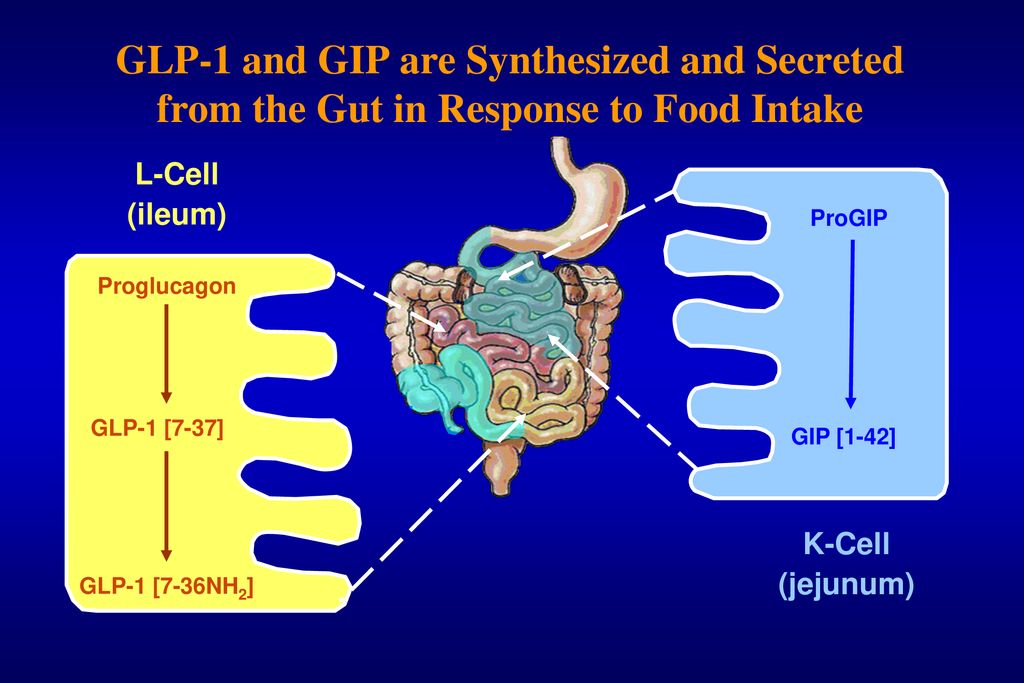
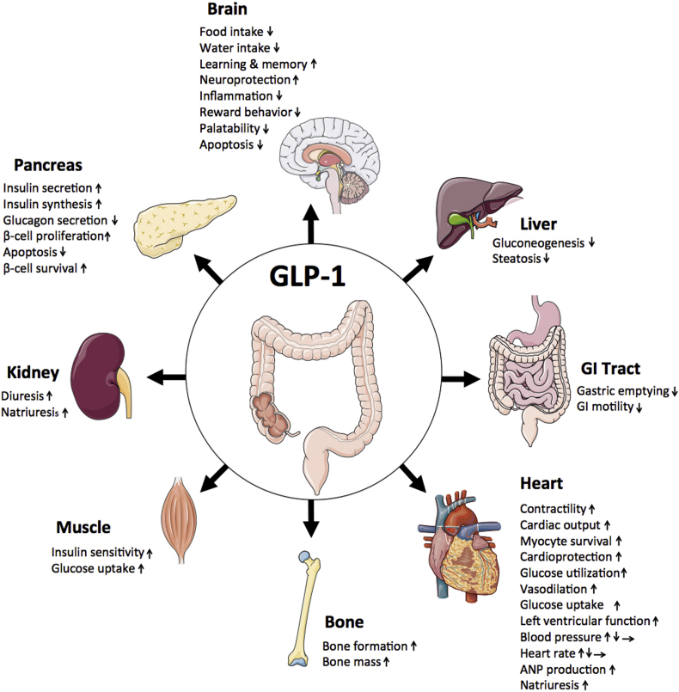
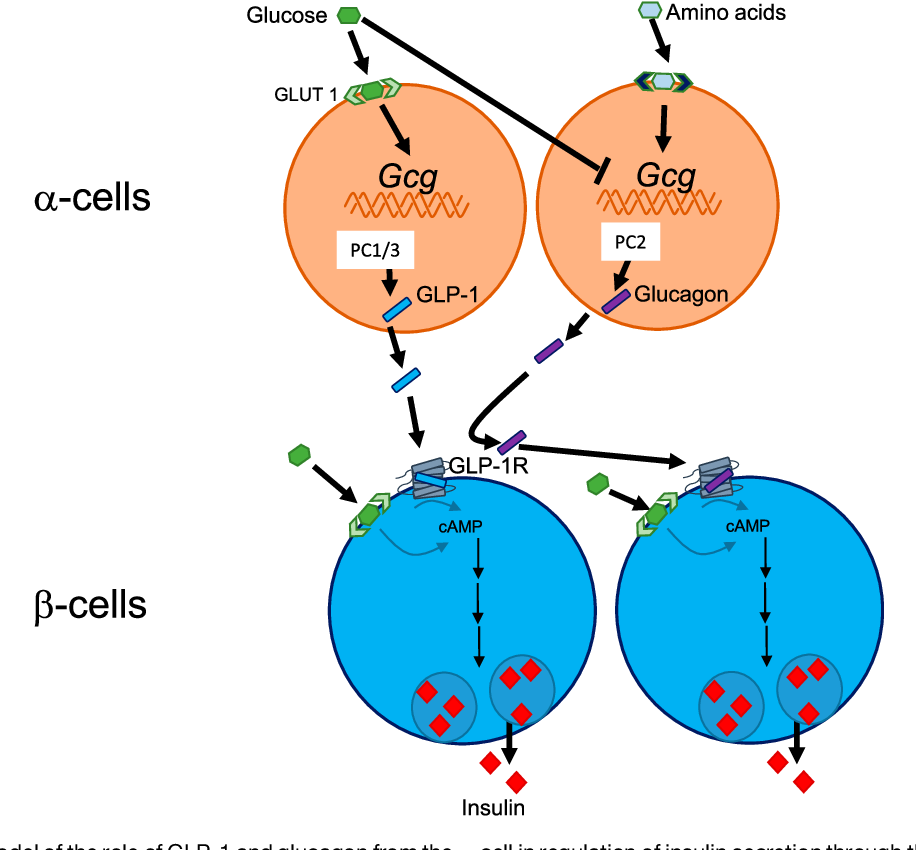
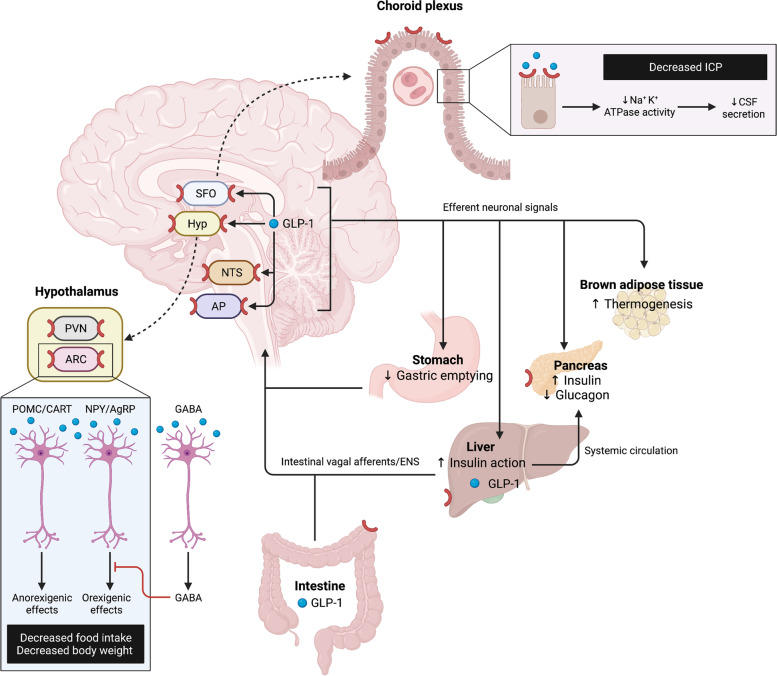
GLP-1 is an incretin hormone secreted by intestinal L cells in response to nutrient intake. It plays a crucial role in glucose homeostasis, enhancing insulin secretion, suppressing glucagon release, reducing appetite, and promoting weight loss. Beyond these effects, GLP-1 also exerts direct effects on the nervous system. The relationship between GLP-1 and beta cell function is multifaceted, with GLP-1 acting as a key player in promoting beta cell growth and protecting them from harm.

GLP-1 and Beta Cell Function Improvement: The Science Behind It
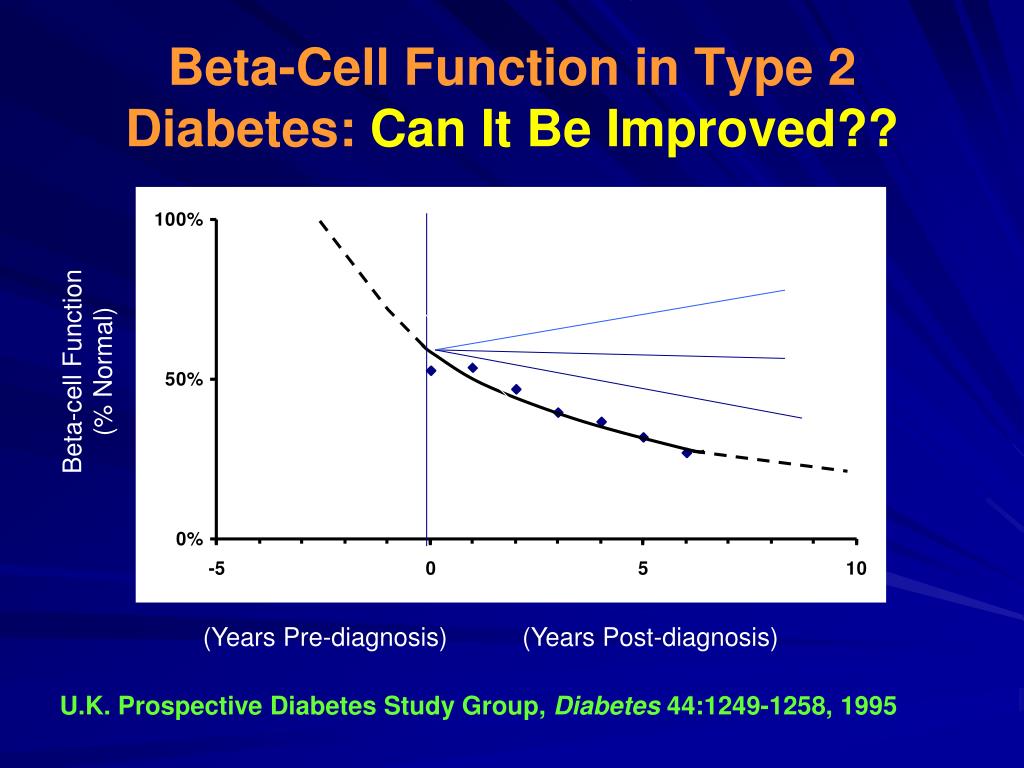
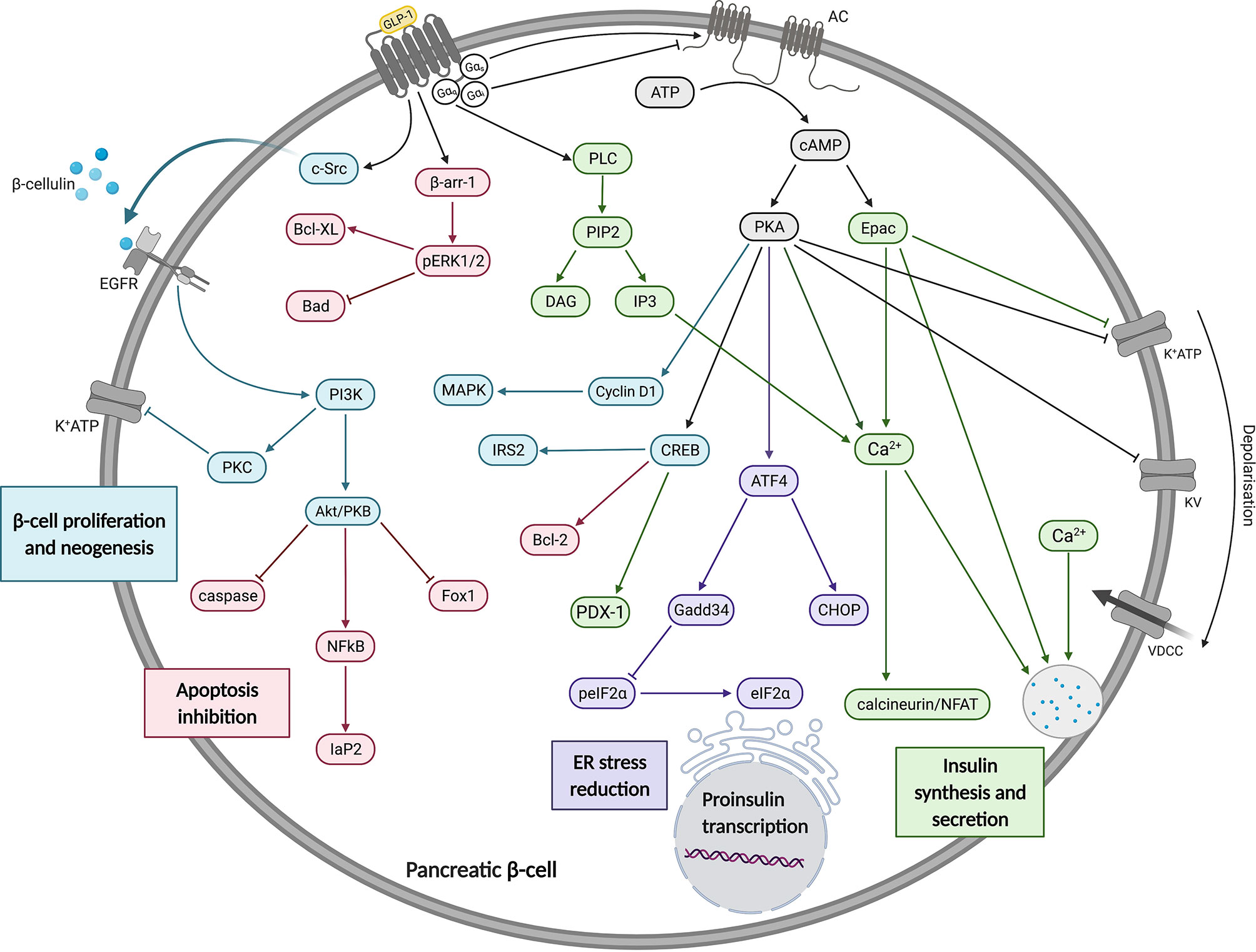
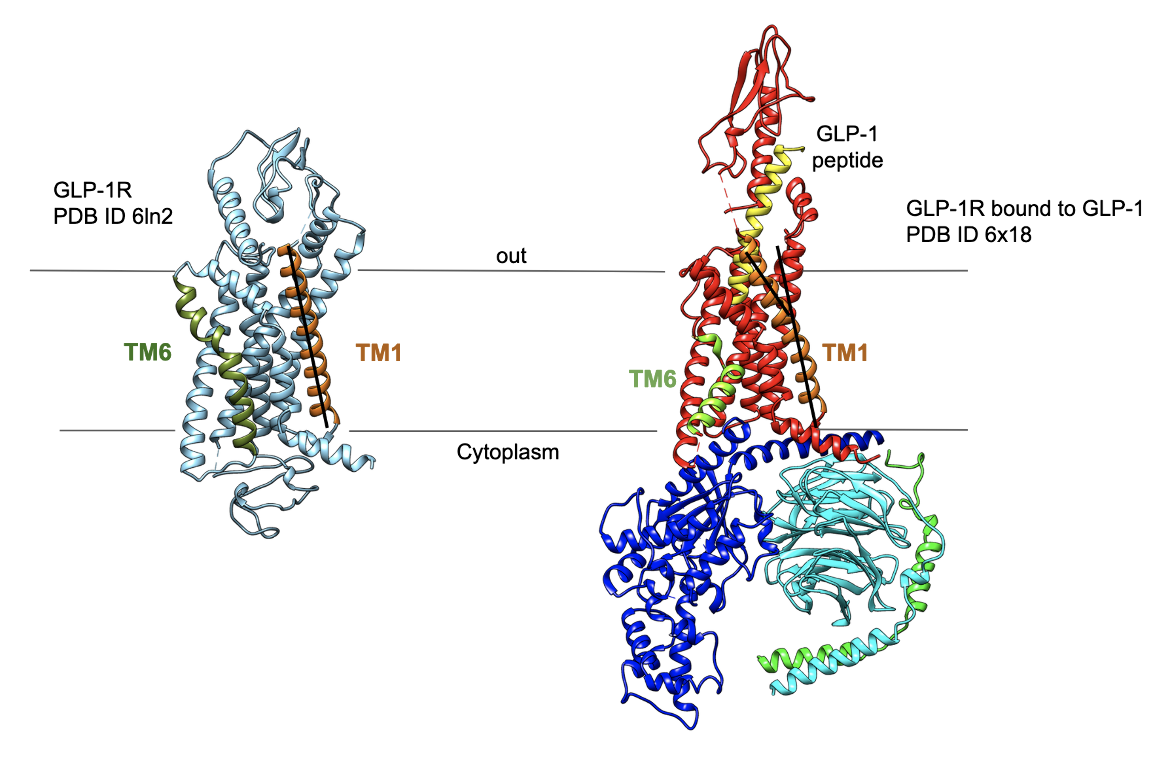
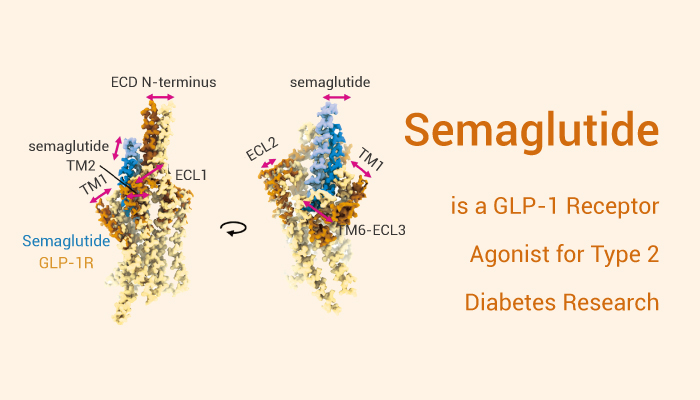
Studies have shown that GLP-1 receptor agonists (GLP-1RAs) can enhance beta cell function and proliferation, leading to improved insulin secretion and glucose metabolism. GLP-1RAs have been shown to inhibit apoptosis, or programmed cell death, in beta cells, which is a key factor in the development of type 2 diabetes. The therapy has been found to promote beta cell growth and protect against glucotoxicity, a condition in which high glucose levels damage beta cells.