Binge Eating and GLP-1 Levels: Understanding the Connection
For individuals struggling with binge eating disorder (BED), finding a treatment that addresses both the physical and emotional aspects of the condition can be a daunting task. Recently, research has been emerging on the potential therapeutic benefits of GLP-1 (glucagon-like peptide-1) drugs in managing BED. In this article, we will delve into the world of GLP-1 levels and their relationship to binge eating, exploring the current state of knowledge and the implications for treatment.
What is GLP-1 and How Does it Relate to Binge Eating?
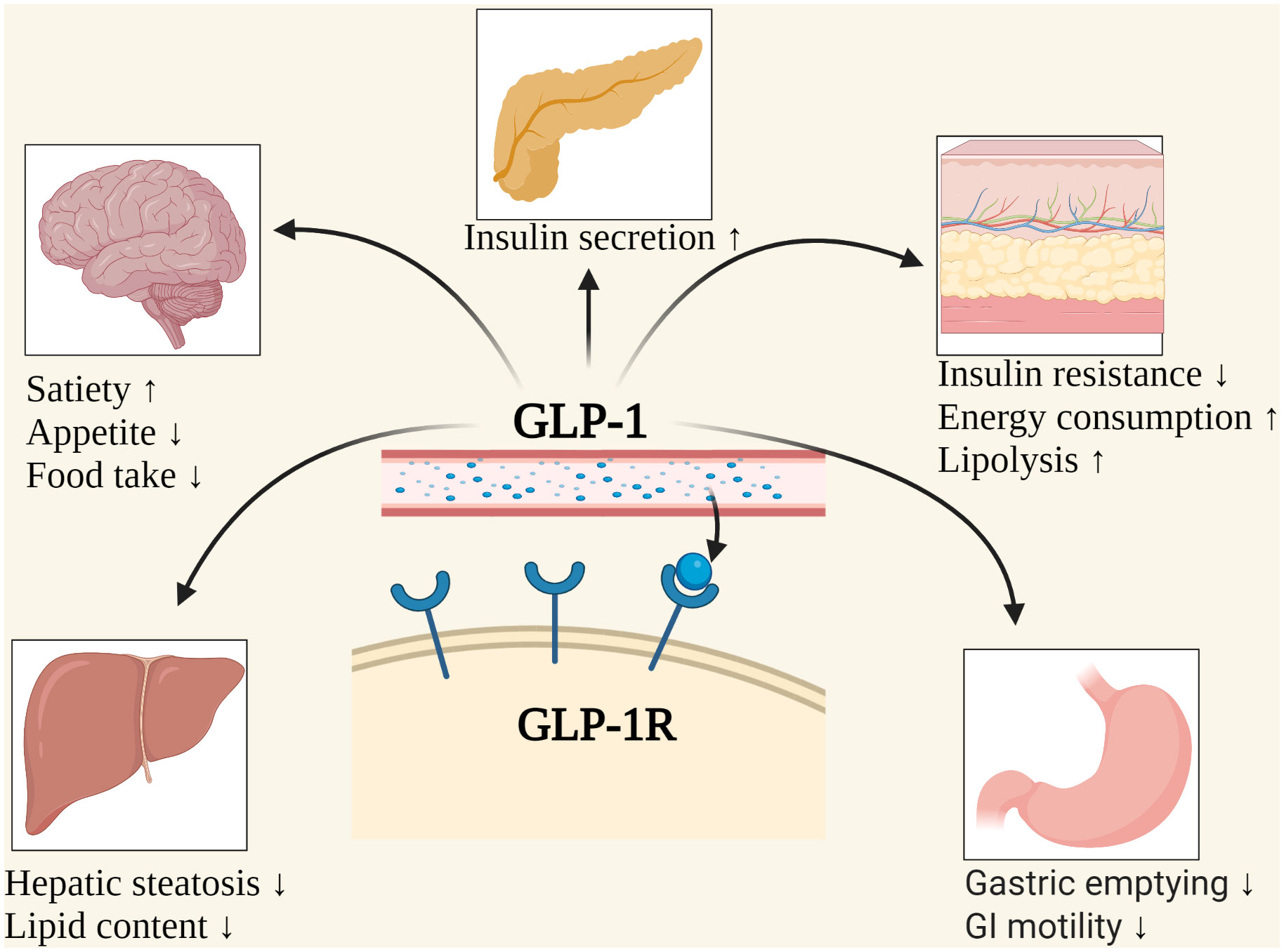
GLP-1, or glucagon-like peptide-1, is a naturally occurring hormone produced by intestinal cells in response to food intake. It plays a crucial role in regulating blood sugar levels and appetite signals throughout the body. GLP-1 works by promoting the release of insulin, which helps to slow down the absorption of glucose into the bloodstream, reducing the risk of spikes and crashes in blood sugar levels that can contribute to hunger and binge eating cycles.

GLP-1 Drugs and Binge Eating Disorder
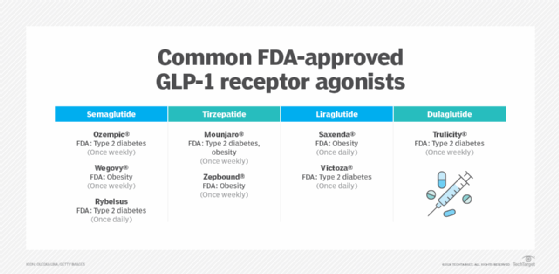
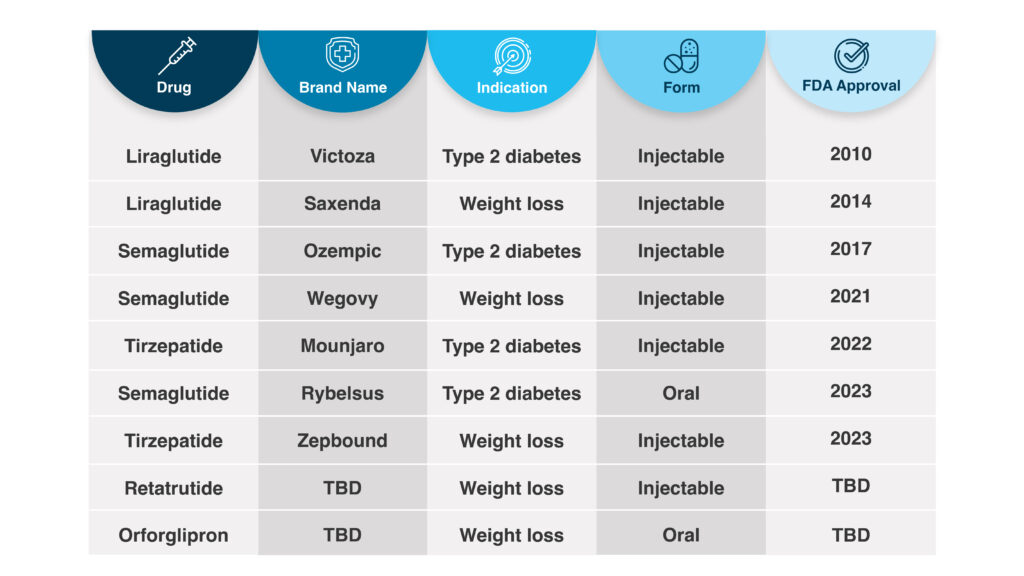
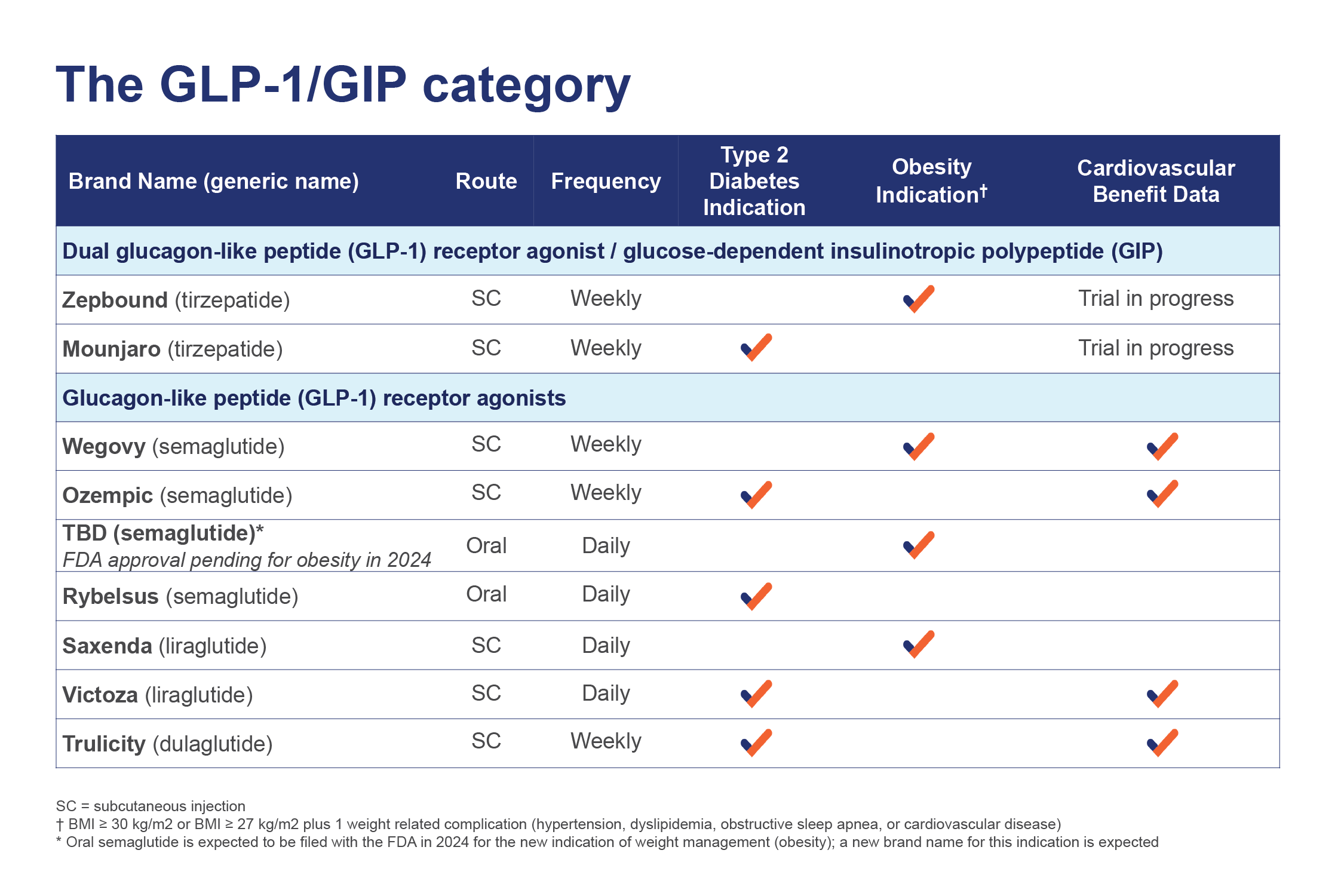
Research has shown that GLP-1 receptor agonists (GLP-1RAs), a class of medications approved for type 2 diabetes and obesity, may have therapeutic potential in treating eating disorders, including BED. These medications work by activating GLP-1 receptors in the brain, which helps to regulate appetite and food intake. Studies have suggested that GLP-1RAs may reduce binge eating episodes in individuals with BED, likely by suppressing appetite and food cravings.