Unlocking the Connection between Food Preferences, GLP-1, and Emotions
The way we eat is often influenced by a complex interplay of factors, including our emotions, environment, and physiology. Recent studies have shed light on the role of GLP-1 (glucagon-like peptide-1) in modulating food preferences and emotional eating. In this article, we will delve into the fascinating world of GLP-1 and its impact on our relationship with food and emotions.
The Science behind GLP-1
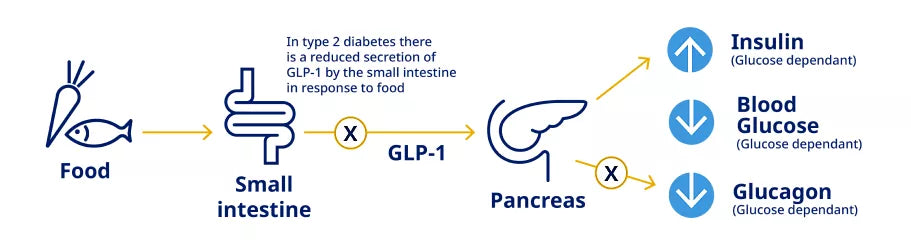
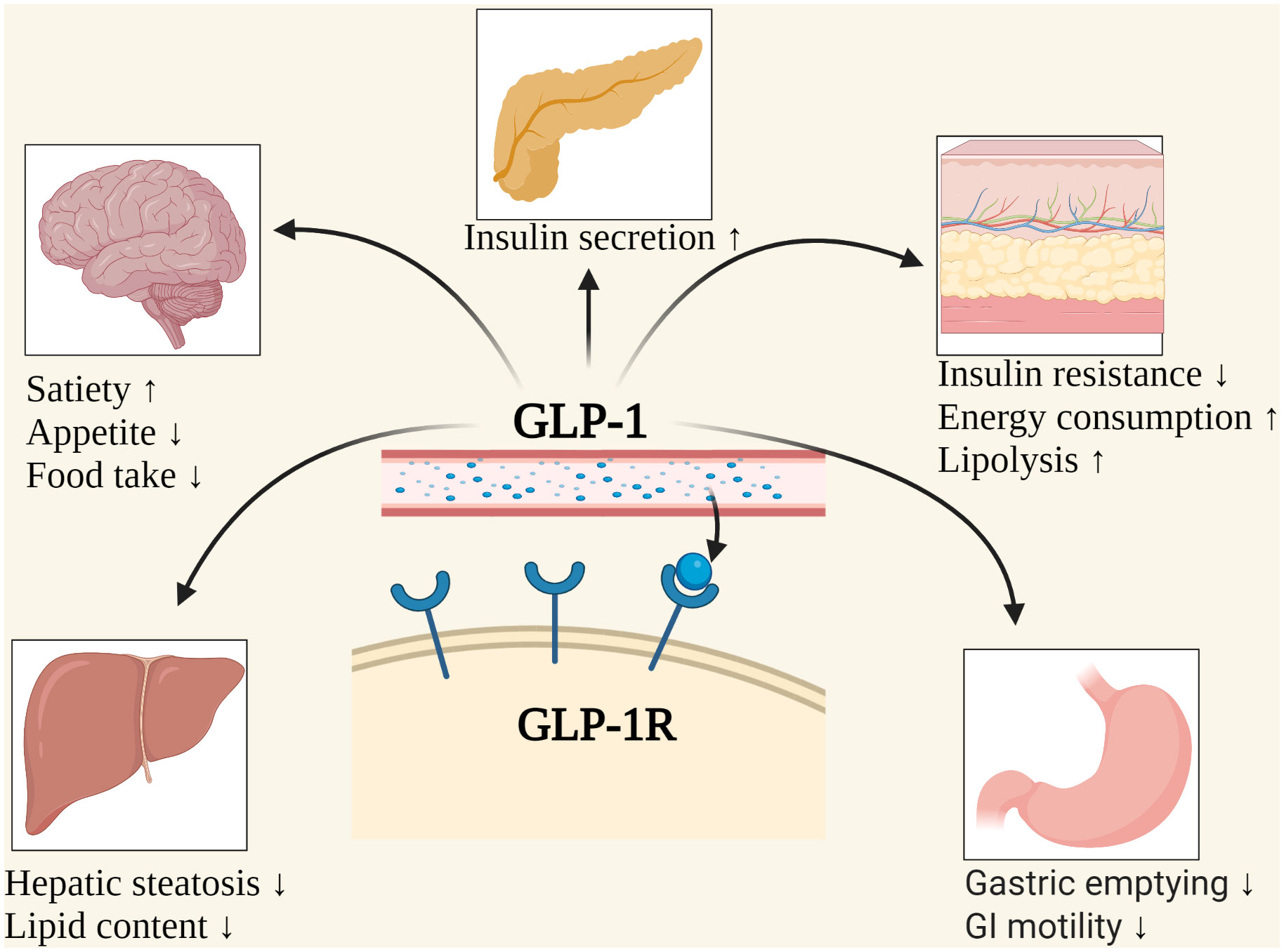
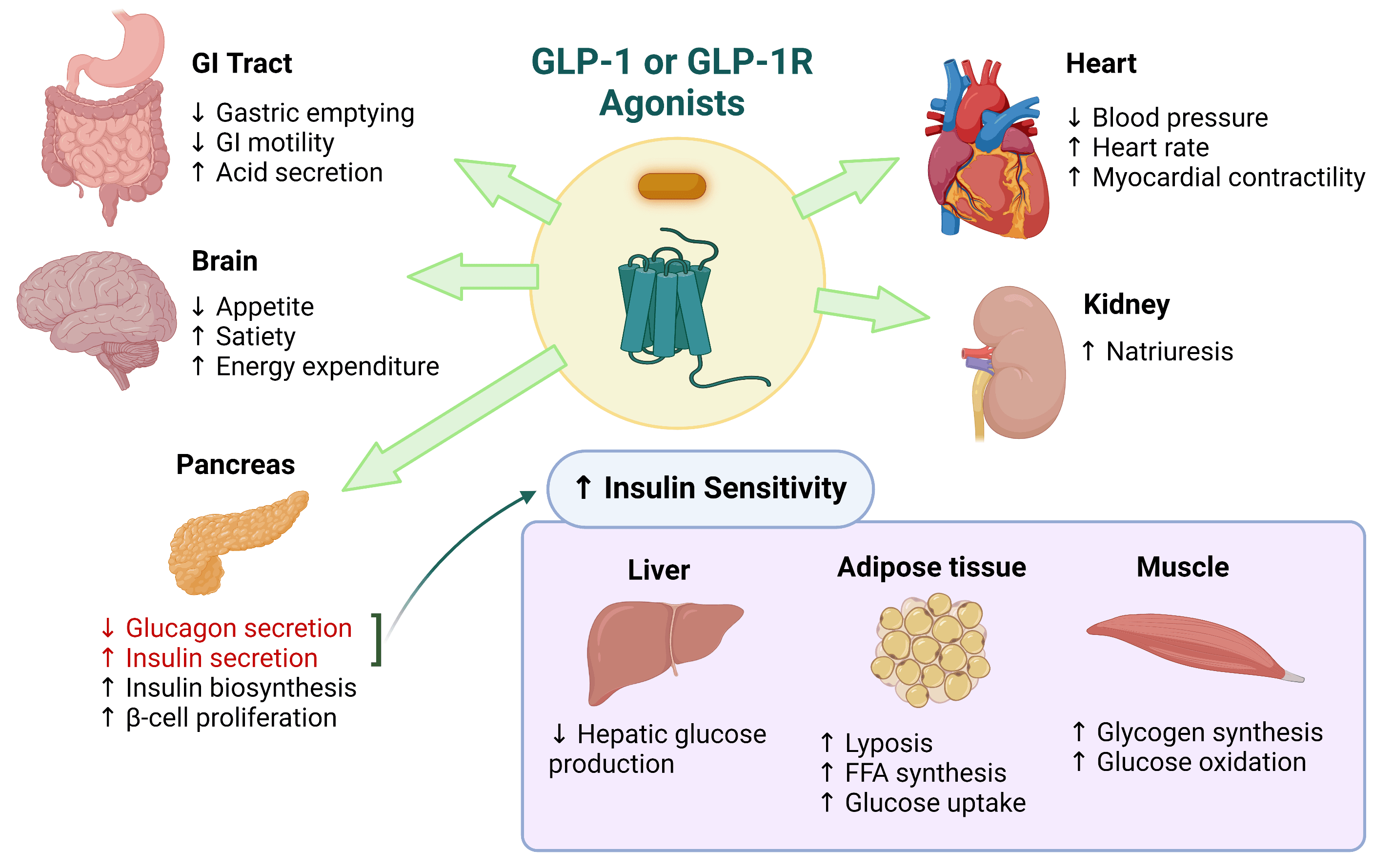
GLP-1 is a hormone produced by the intestines in response to food consumption. It plays a crucial role in regulating appetite, satiety, and glucose metabolism. Research has shown that GLP-1 receptors are present in various regions of the brain, including those involved in reward processing, stress response, and emotional regulation.
The Link between GLP-1 and Food Preferences
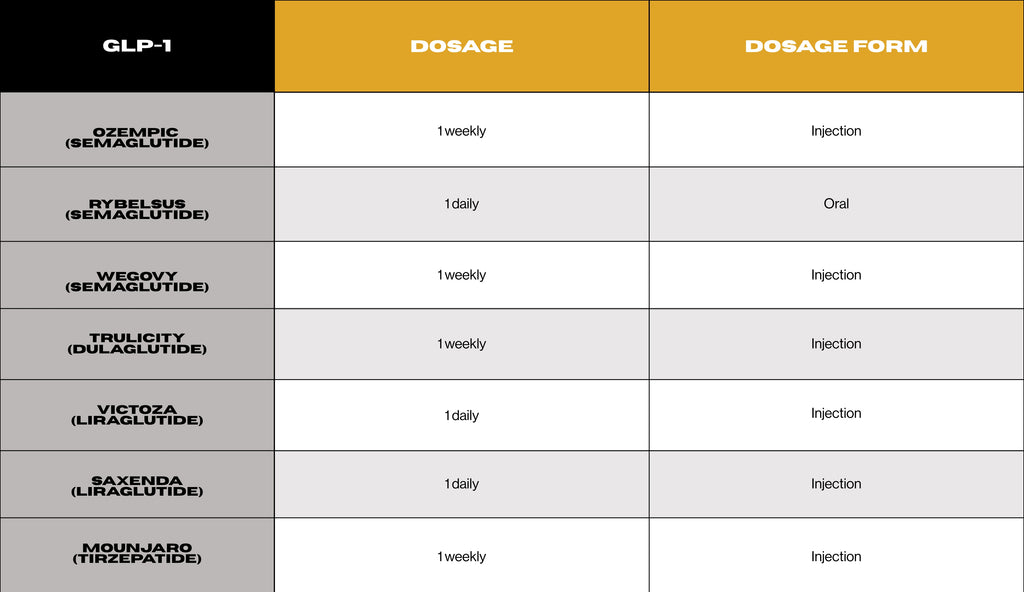
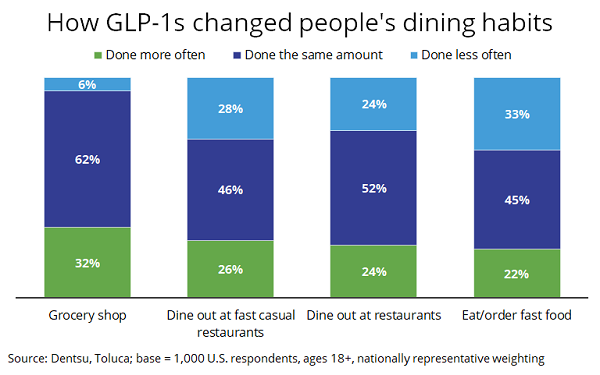
Studies have demonstrated that GLP-1 receptor agonists, used to treat type 2 diabetes, can alter food preferences and intake. These medications have been shown to reduce cravings for high-fat and high-sugar foods, while increasing the perception of sweet and bitter tastes. Additionally, GLP-1 agonists have been found to modulate the brain's response to food cues, leading to improved appetite regulation and weight loss.