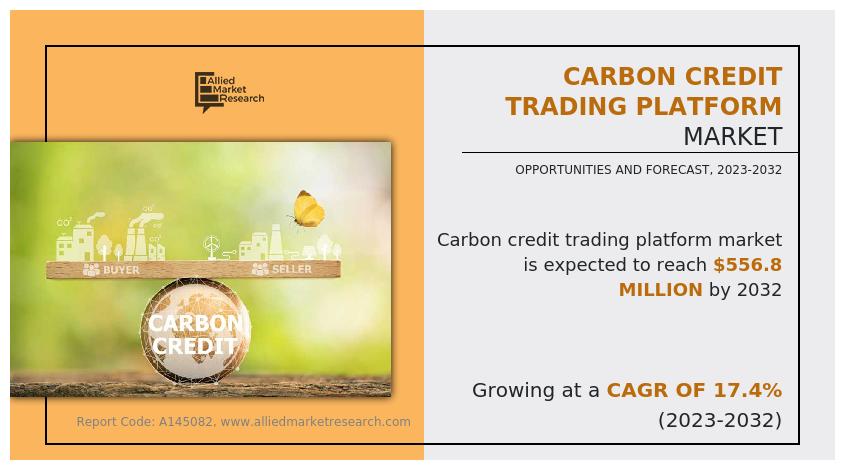
Carbon Credit Trading for Governments: A Guide to Sustainable Development
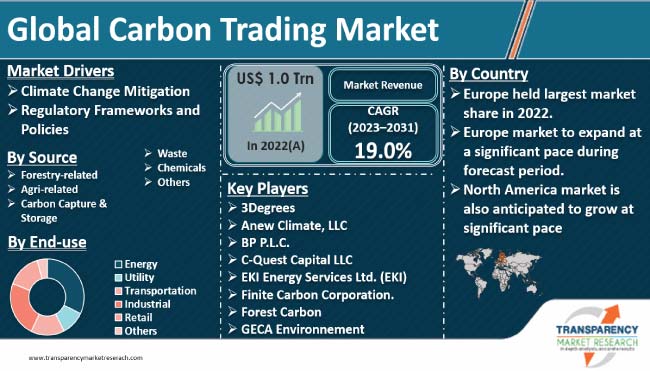
As the world continues to grapple with the challenges of climate change, governments are seeking innovative solutions to reduce greenhouse gas emissions and promote sustainable development. One such solution is carbon credit trading, a market-based mechanism that allows governments, companies, and individuals to buy and sell carbon credits. In this article, we will explore the concept of carbon credit trading for governments and its potential to support sustainable development.
What are Carbon Markets?
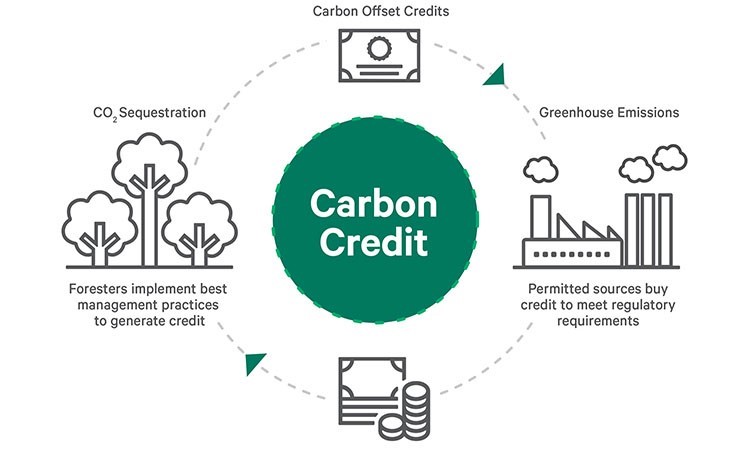
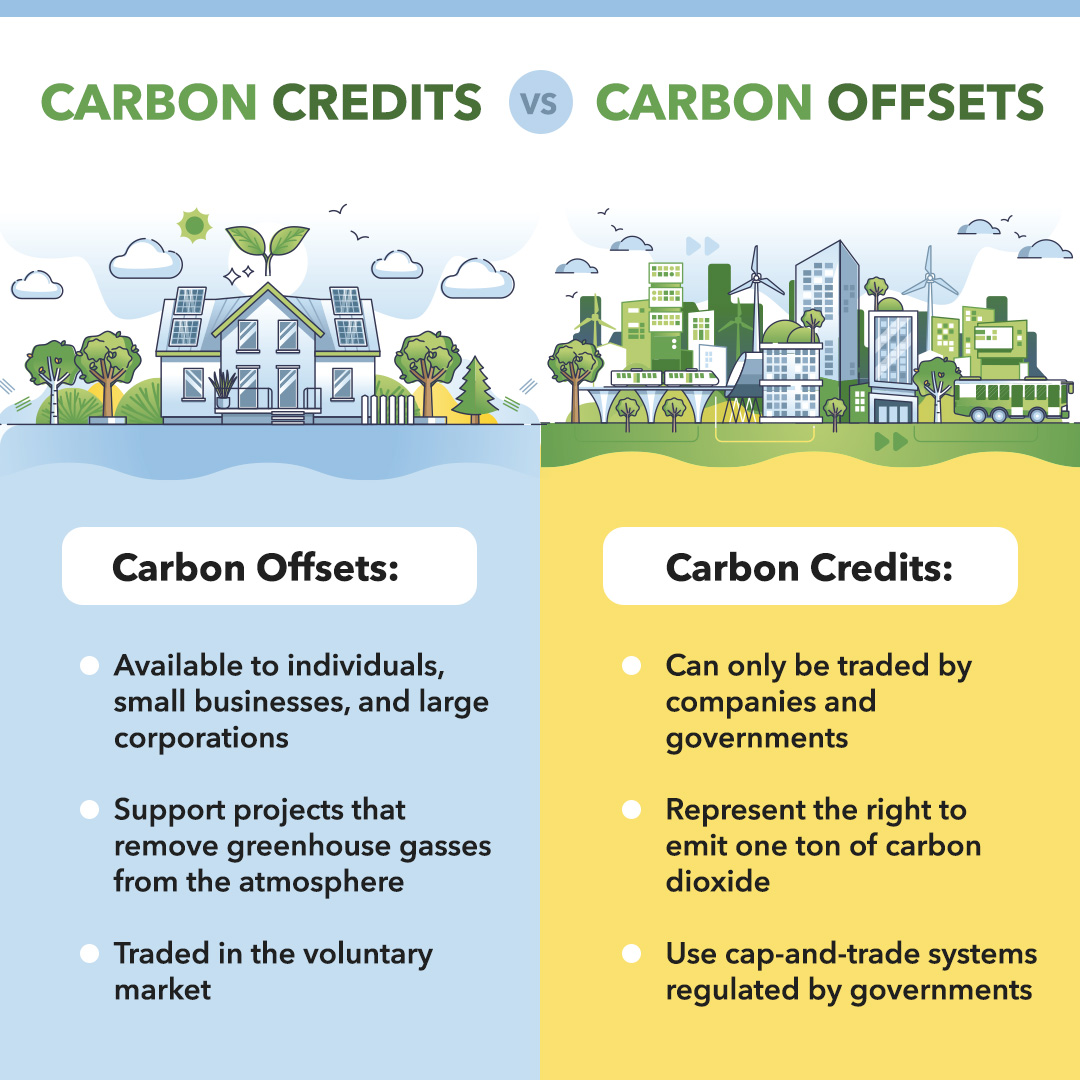
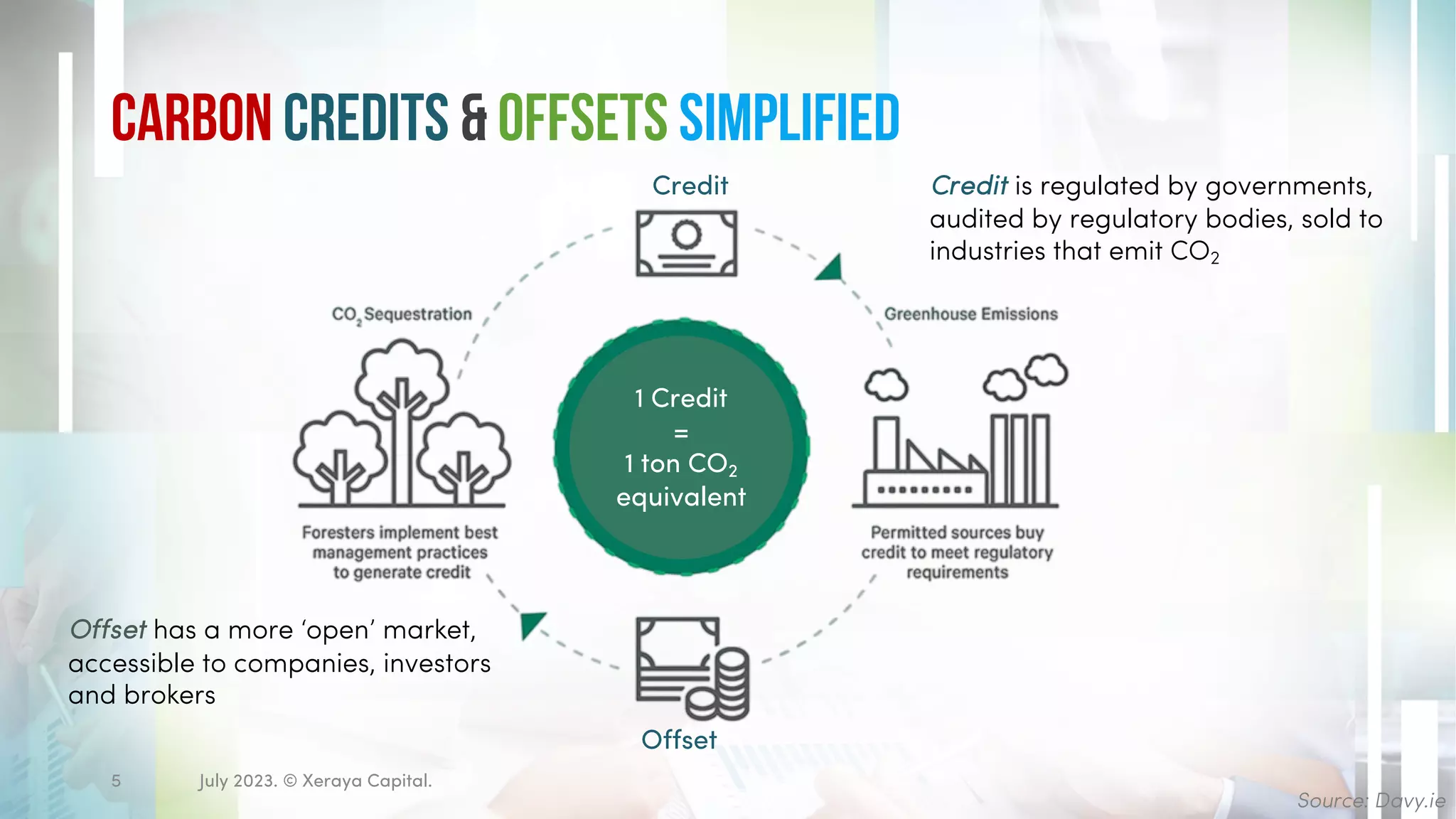
Carbon markets are systems where carbon credits are traded. These credits represent a reduction or removal of greenhouse gases from the atmosphere. Governments, companies, and individuals can buy these credits to offset their emissions. Carbon credits are generated by activities that lower emissions or remove carbon from the atmosphere, such as protecting forests, promoting renewable energy, and increasing energy efficiency.
How Does Carbon Credit Trading Work?
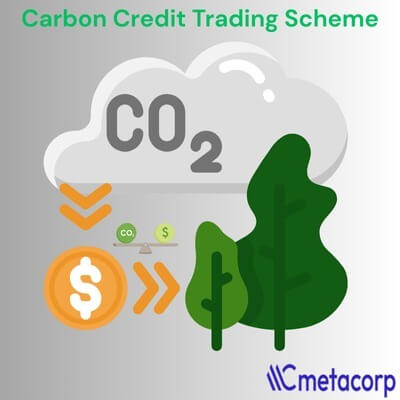
Carbon credit trading involves the creation, trading, and verification of carbon credits. Governments establish rules and regulations for the creation and trading of carbon credits, which are then verified by independent third-party auditors. Carbon credits can be traded on carbon markets, where buyers and sellers negotiate prices. The money from carbon credit sales can be used to fund projects that reduce greenhouse gas emissions or remove carbon from the atmosphere.