Impulse Control and GLP-1: The Emerging Connection
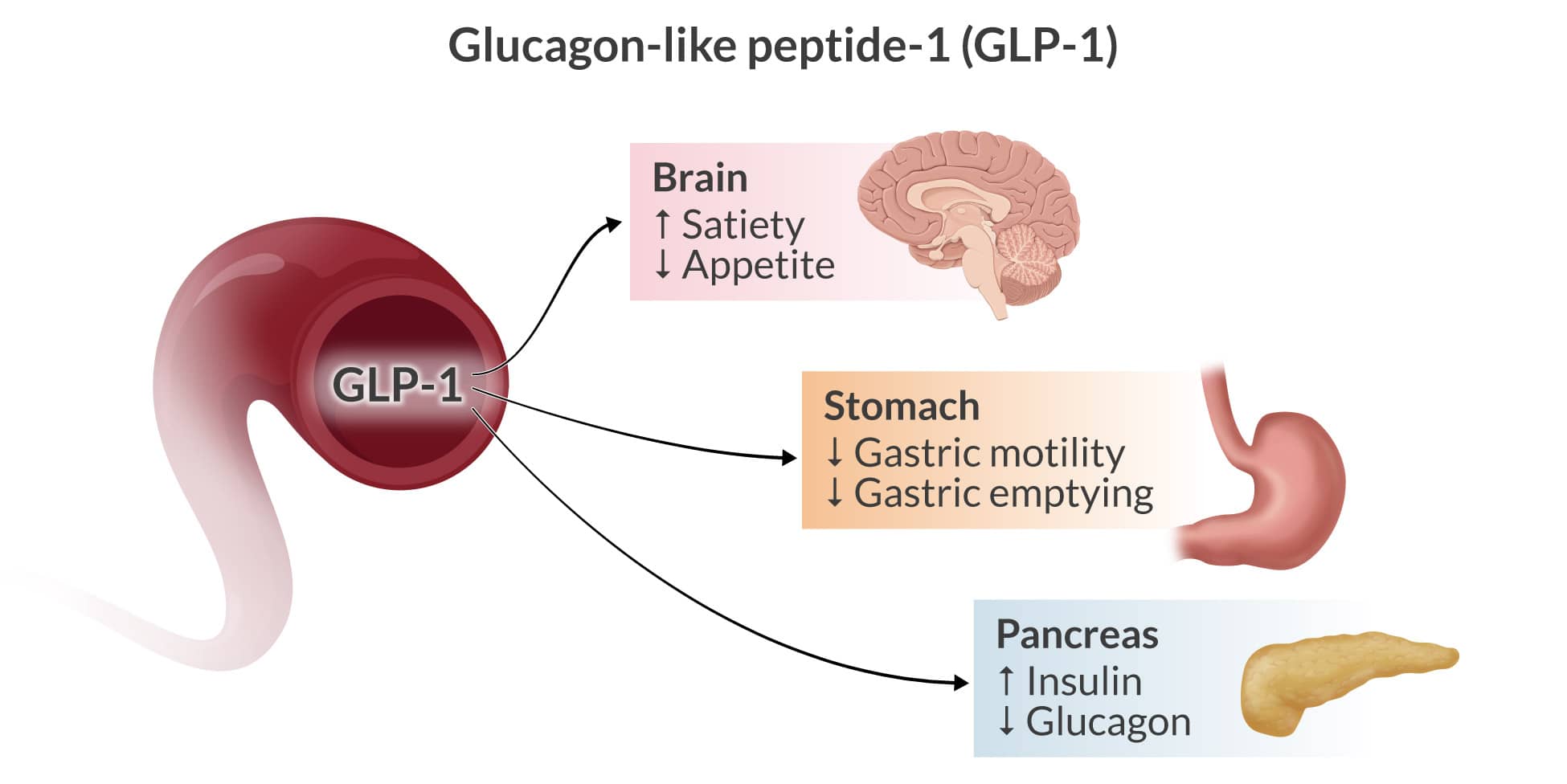
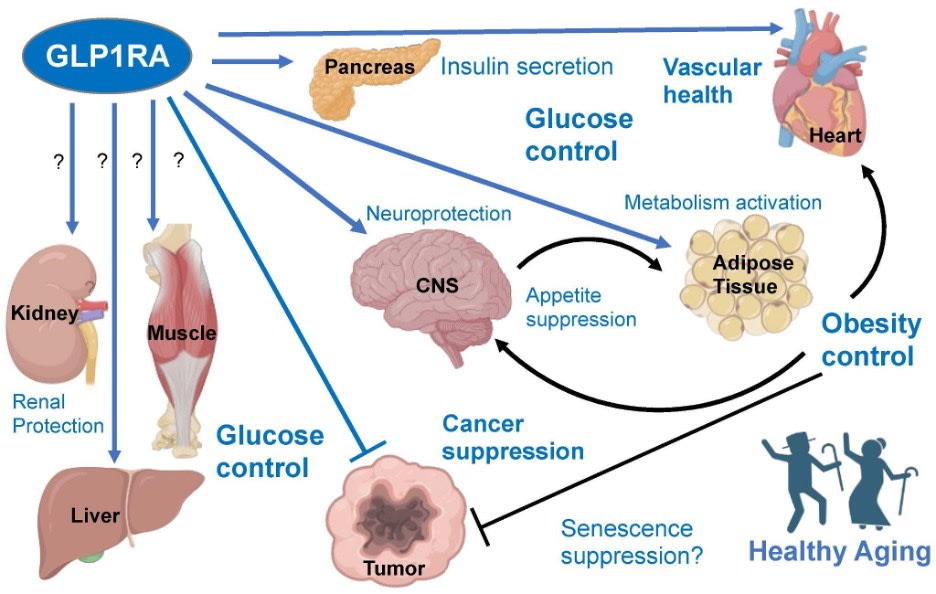
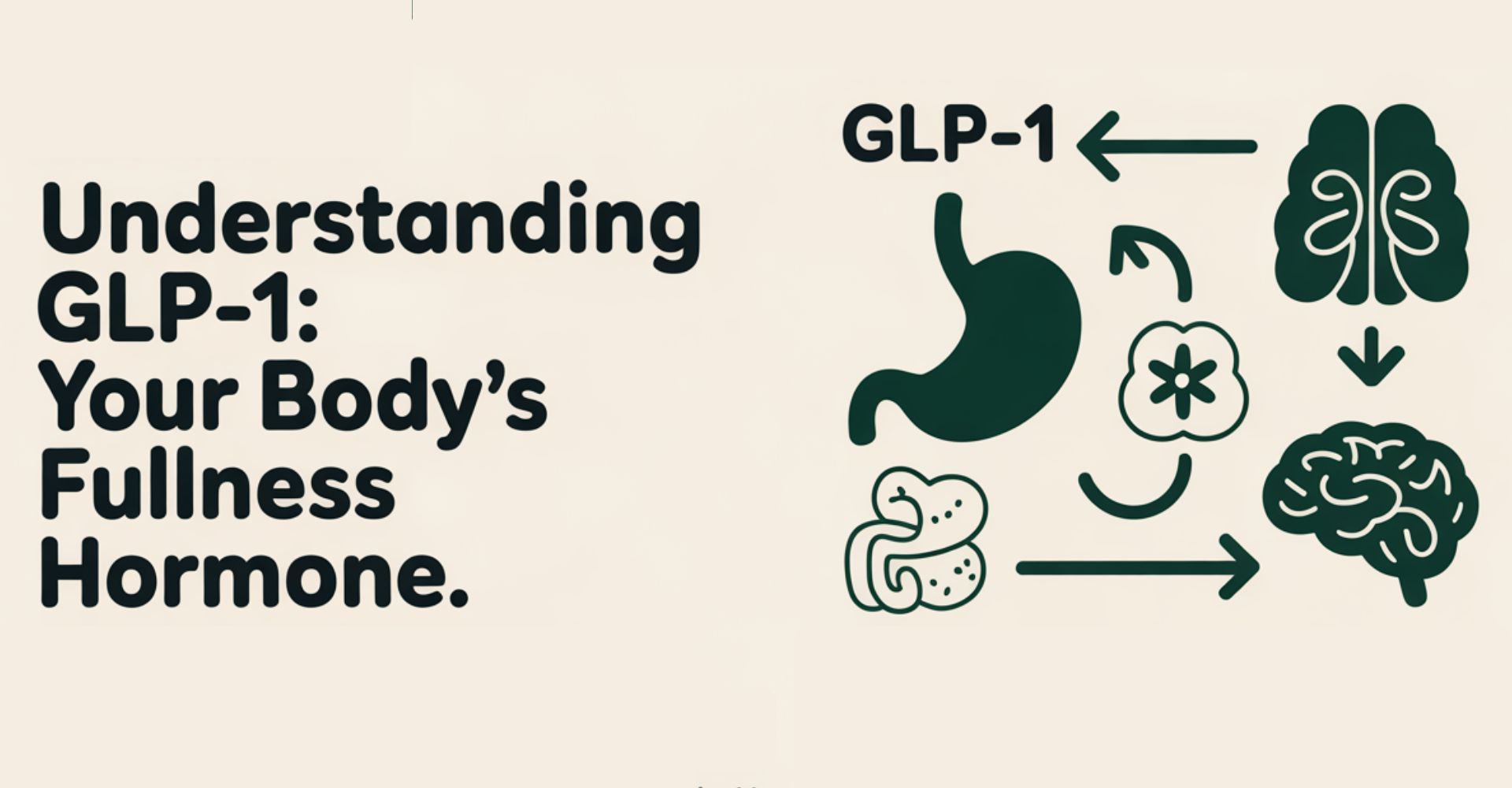
The field of medicine has long recognized the connection between metabolic health and neurological function. Recent studies have shed light on the relationship between GLP-1, a hormone primarily known for its role in glucose regulation, and impulse control. This emerging connection has significant implications for our understanding of mental health disorders and the potential therapeutic applications of GLP-1 agonists.
A Glimpse into the Brain's Reward System
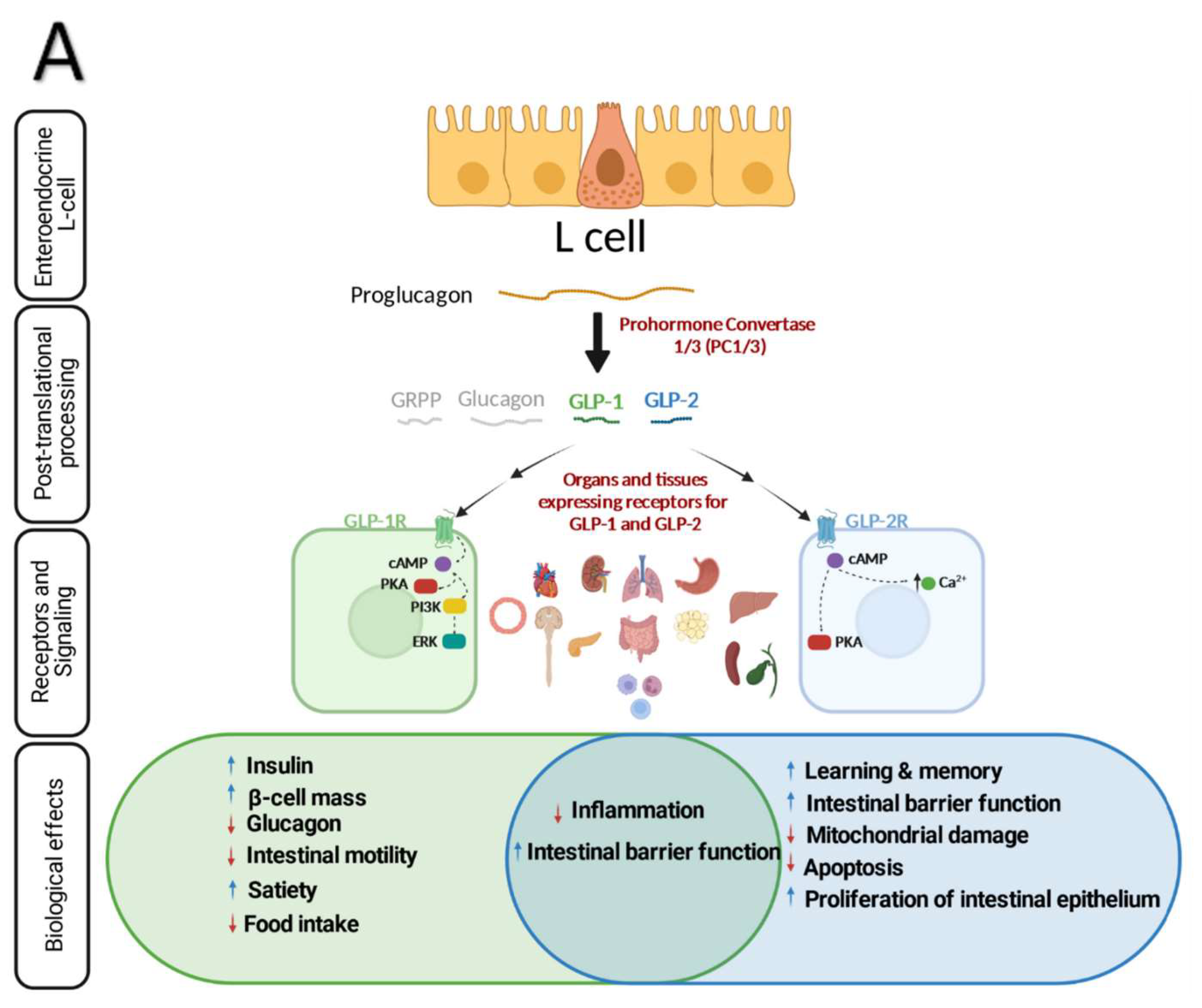
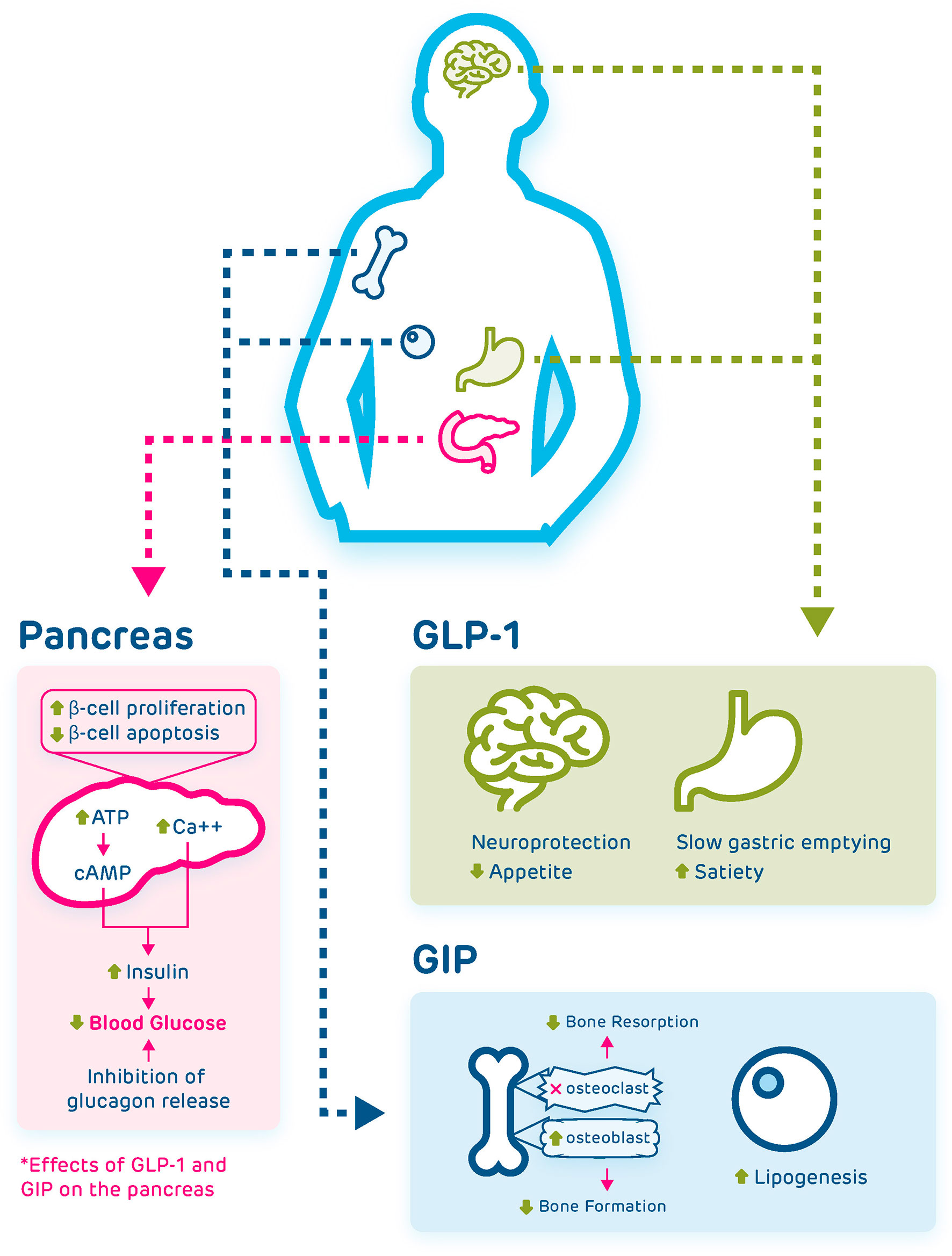
The brain's reward system is a complex network of neurons and signaling pathways that play a crucial role in motivation, pleasure, and decision-making. Recent research suggests that GLP-1 agonists can influence this system, modulating areas involved in impulse control and reward processing. By targeting GLP-1 receptors in the brain, these drugs can affect the balance between appetite regulation and addictive behaviors.
The Benefits of GLP-1 on Impulse Control
Studies have shown that GLP-1 agonists may be linked to a reduced risk of substance use and neurocognitive disorders, including addiction and impulse control problems. The mechanism behind this effect is thought to involve a reduction in inflammation in the brain and promotion of weight loss, both of which are linked to better brain health. This suggests that GLP-1 agonists may have a dual action on both metabolic and behavioral health.