Carbon Trading and Green Finance: A Synergistic Solution for Climate Action
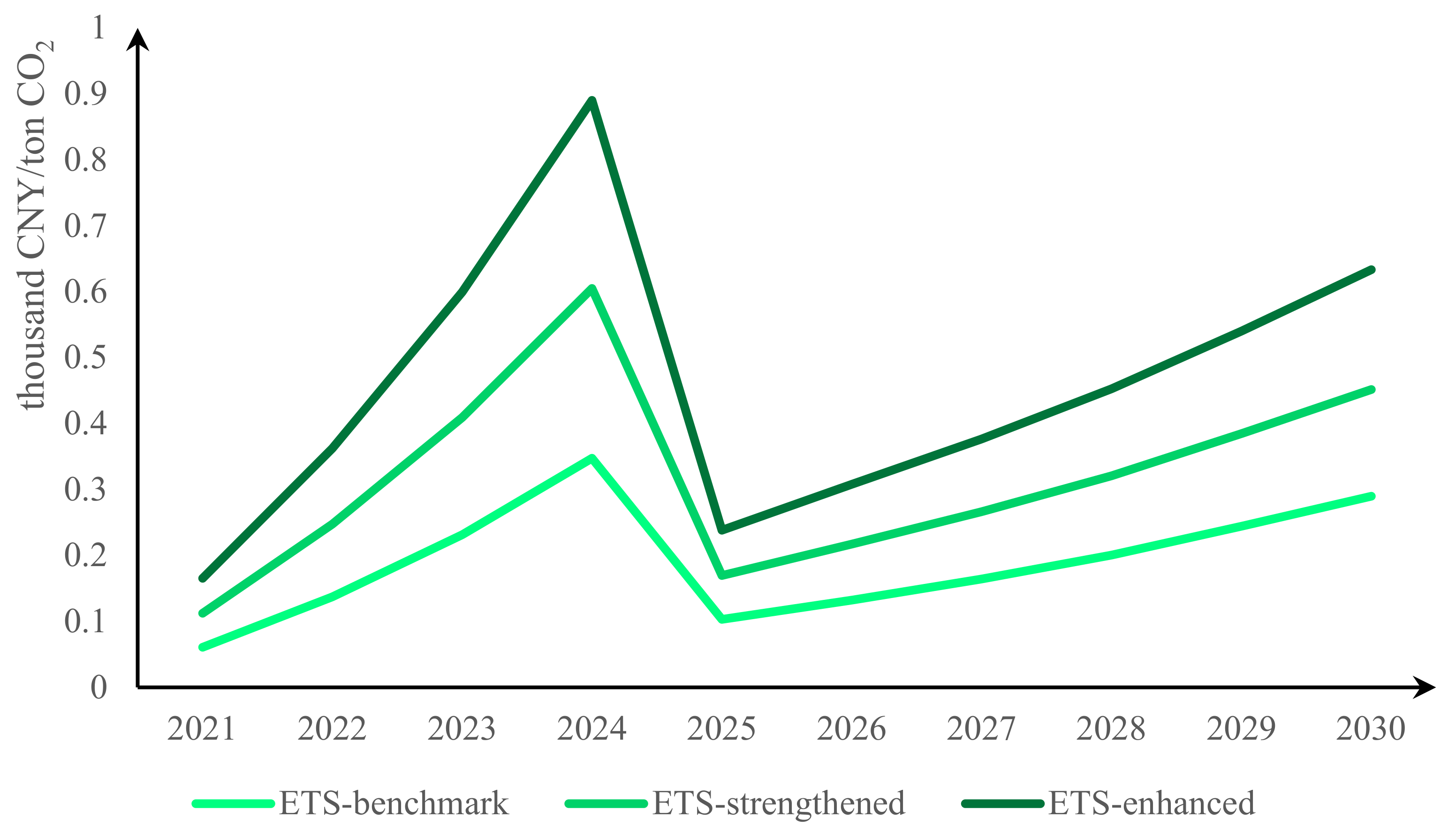
Carbon trading and green finance have emerged as crucial solutions for addressing the pressing issue of climate change. By providing a market-based approach to reducing greenhouse gas emissions, carbon trading has become an essential tool in the fight against global warming. Meanwhile, green finance has evolved as a critical means of financing sustainable development and promoting environmental protection. In this article, we will delve into the world of carbon trading and green finance, exploring their synergies, benefits, and future prospects.
What is Carbon Trading?
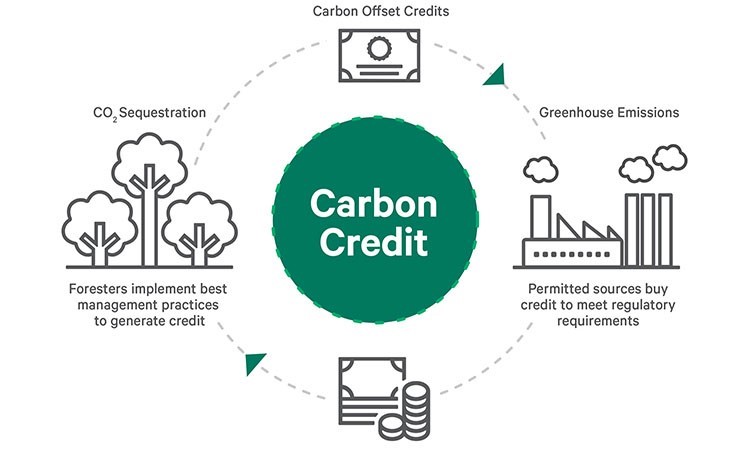
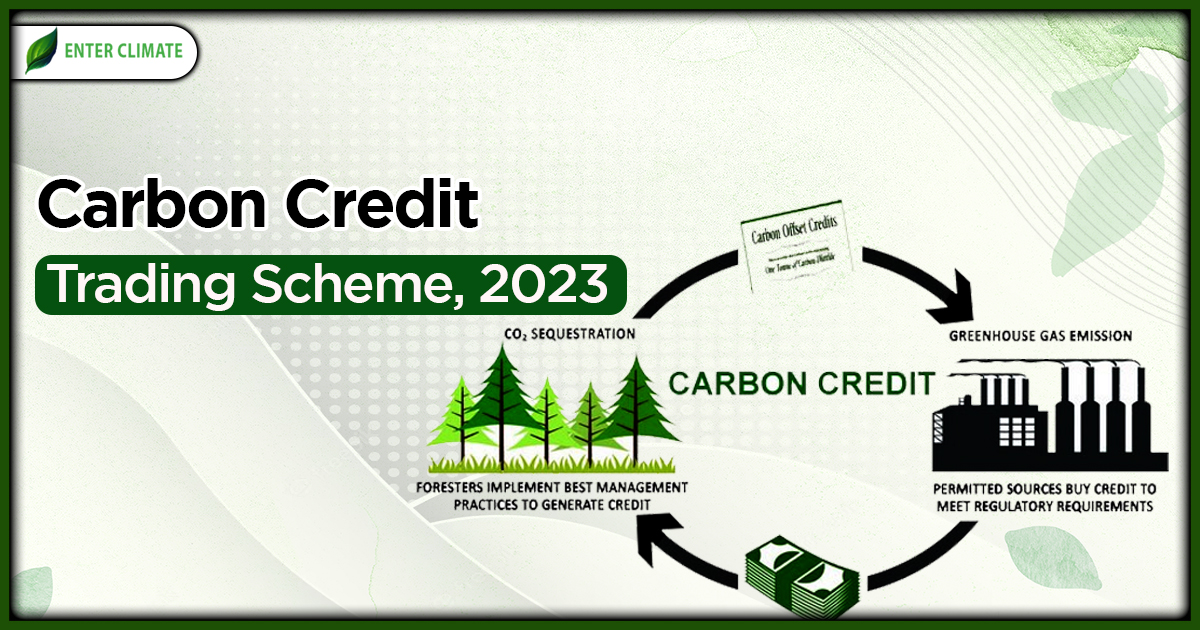
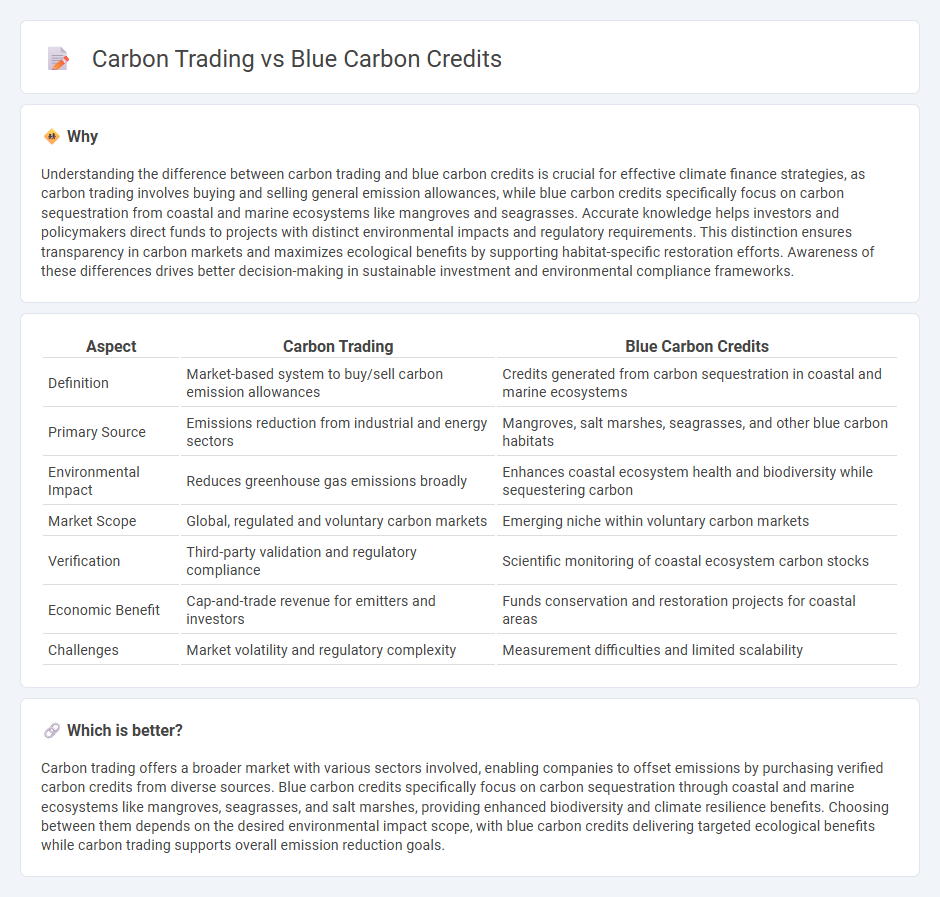
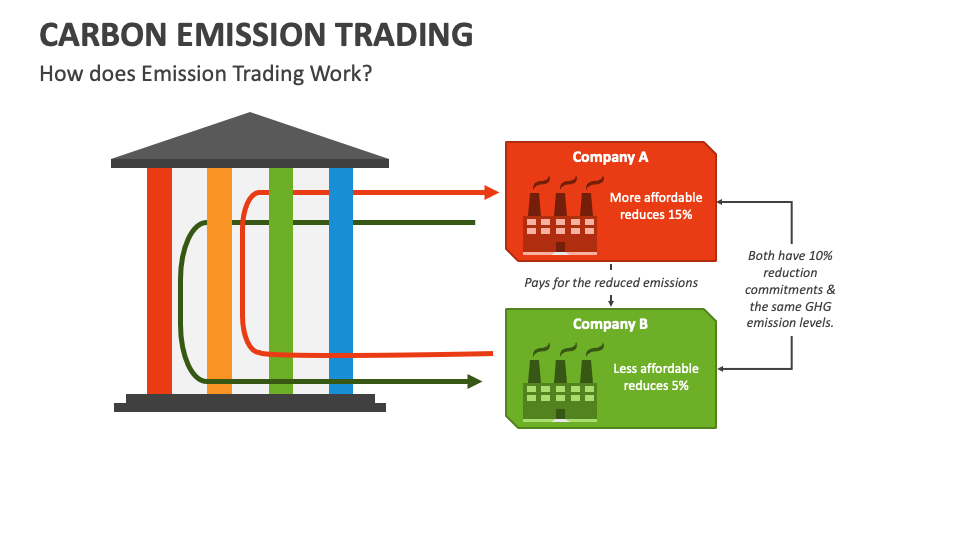
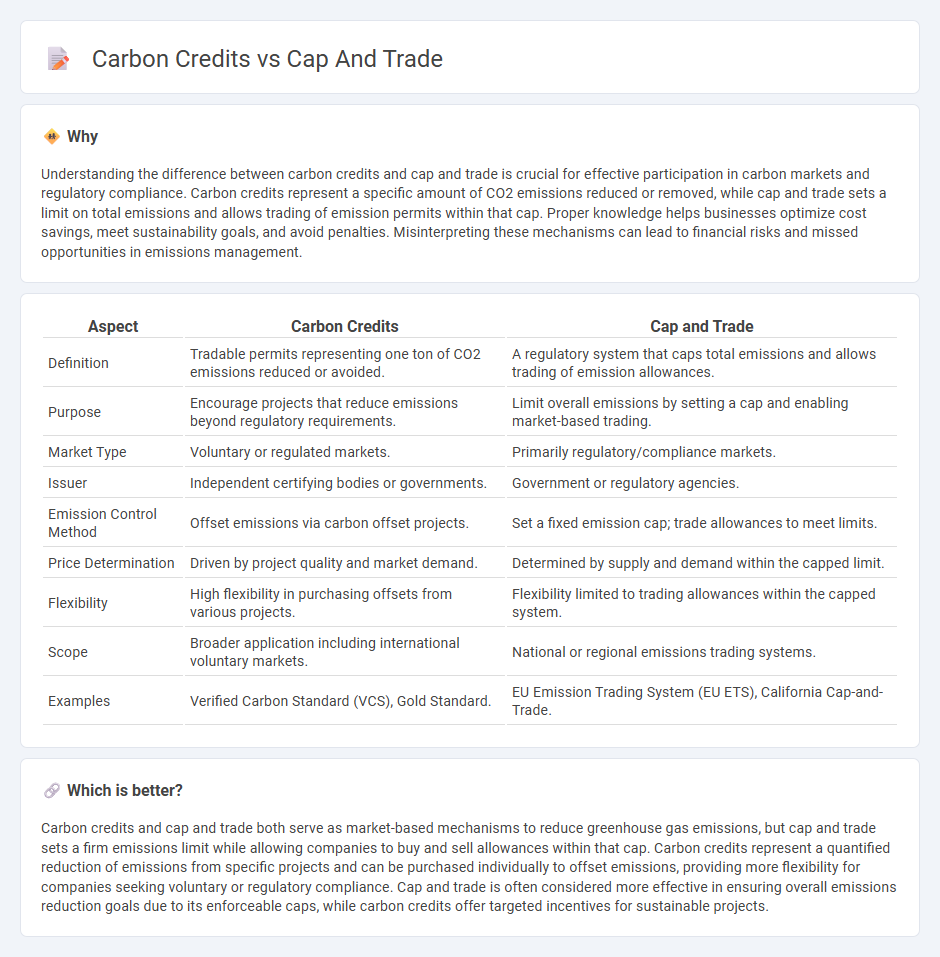
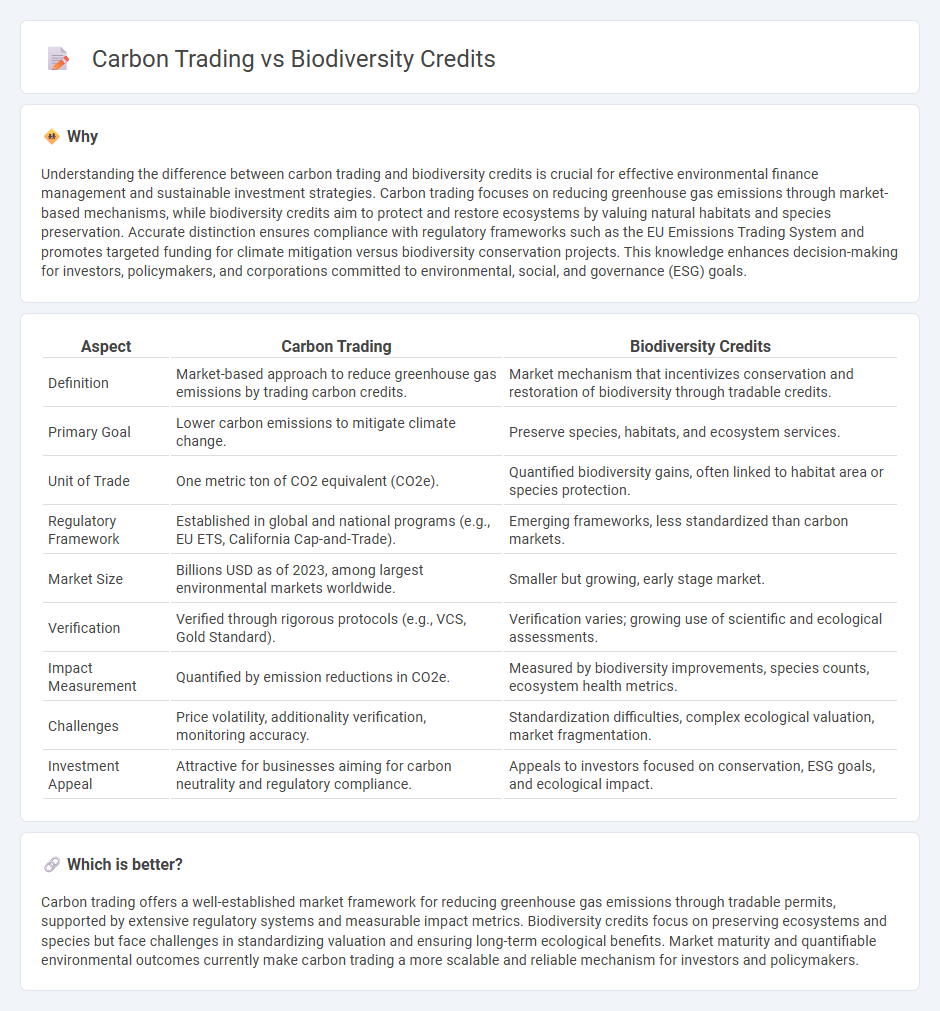
Carbon trading, also known as carbon markets, is a market-based approach designed to reduce greenhouse gas emissions by providing economic incentives for companies to lower their carbon footprint. The system involves the certification and trading of carbon credits, which represent one metric ton of carbon dioxide removed or avoided through climate projects such as reforestation, renewable energy, or methane capture. Through the purchase of carbon credits, companies can compensate for their emissions by investing in projects that reduce greenhouse gas emissions.

How Does Carbon Trading Work?
- Carbon credits are generated by projects that reduce or remove greenhouse gas emissions.
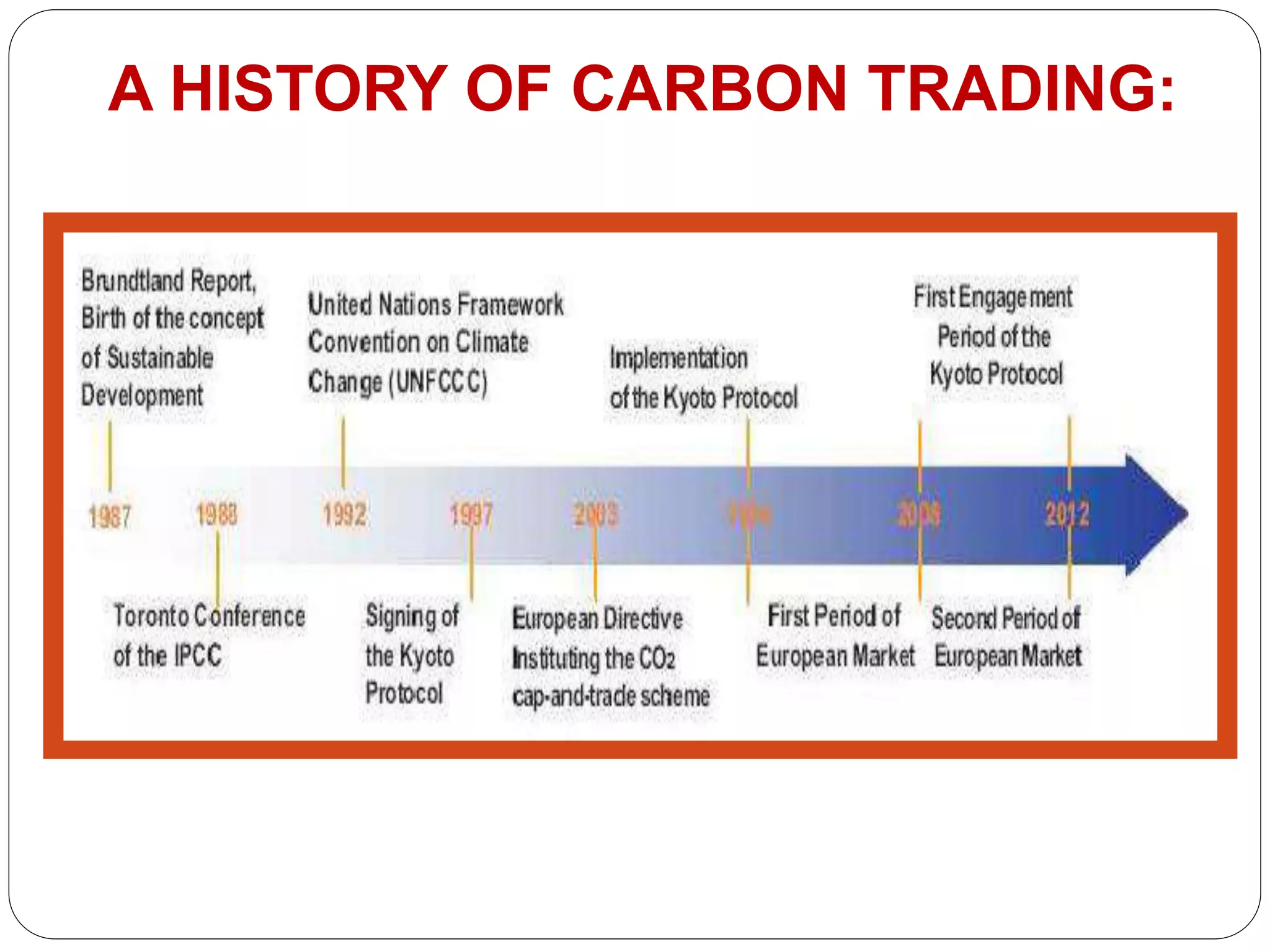
- These credits are verified and certified by organizations such as the United Nations Framework Convention on Climate Change (UNFCCC).
- Carbon credits can be sold on carbon exchanges or traded over-the-counter.
- Companies or individuals can purchase carbon credits to compensate for their emissions.