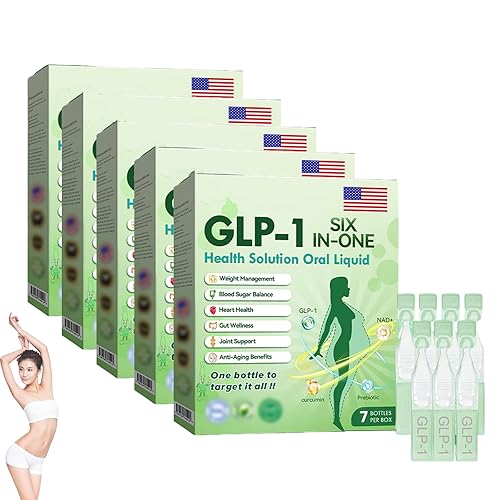
Unlocking the Power of GLP-1 and Gut Health Support
In recent years, the importance of gut health has become increasingly clear, with research revealing that the gut microbiome plays a critical role in overall wellness. One key player in gut health is glucagon-like peptide-1 (GLP-1), a hormone produced by the intestines that influences appetite, metabolism, and digestive function. In this article, we'll explore the relationship between GLP-1 and gut health, and discuss how to support this vital axis for optimal wellness.
What is GLP-1 and How Does it Affect Gut Health?
GLP-1 is an incretin hormone produced by the L cells of the small intestine in response to food intake. It plays a crucial role in regulating appetite, blood sugar levels, and insulin sensitivity. GLP-1 has also been shown to influence the gut microbiome, promoting the growth of beneficial bacteria and suppressing the growth of pathogenic bacteria. This has significant implications for gut health, as a balanced gut microbiome is essential for proper digestion, immune function, and overall health.

How Does GLP-1 Influence the Gut Microbiome?
Research has shown that GLP-1 not only influences the gut microbiome, but also the reverse is true - the gut microbiome influences GLP-1 production. This creates a dynamic interplay between the gut and the hormone, with alterations in the microbiome affecting GLP-1 levels and vice versa. Specifically, studies have identified that increased abundance of Firmicutes and Bacteroidetes, two key phyla of bacteria in the gut, contributes to elevated GLP-1 levels and improved insulin sensitivity.