Creating a Remote Team Control and Accountability Framework
In today's digital age, remote work has become the new norm. With the rise of remote teams, one of the biggest challenges organizations face is building a system of accountability that ensures employees remain productive and focused without micromanaging them. In this article, we'll explore the essential steps to creating a remote team control and accountability framework that fosters trust, transparency, and high performance.
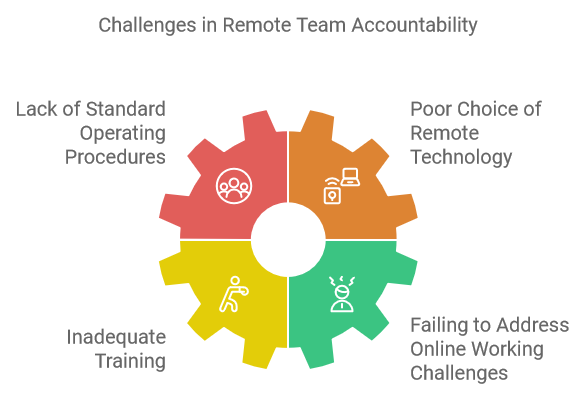
Understanding the Challenges of Remote Team Accountability
Remote teams come with their unique set of challenges. One of the primary concerns is maintaining a level of control and accountability without sacrificing autonomy. Traditional methods of monitoring employee productivity may not be effective in a remote setting, where employees work from diverse locations and environments. Moreover, excessive micromanaging can lead to decreased morale and motivation, ultimately impacting team performance.
Building a Framework for Remote Team Accountability
A robust accountability framework is essential to bridge the gap between employees and management in a remote team. Here are the key components to consider:
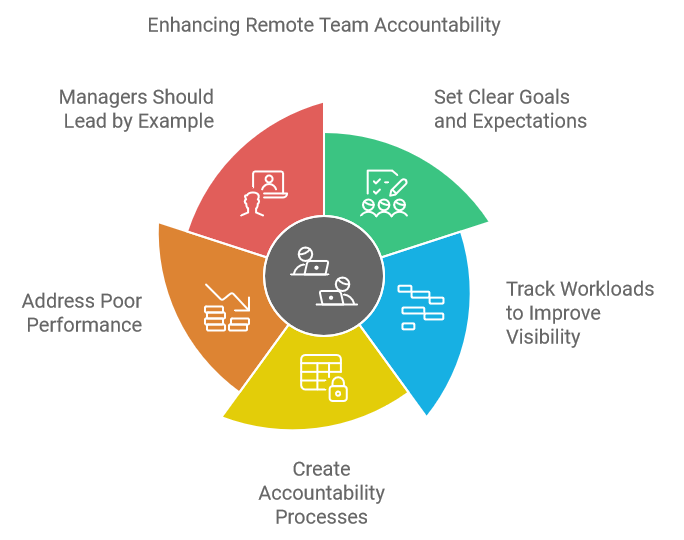
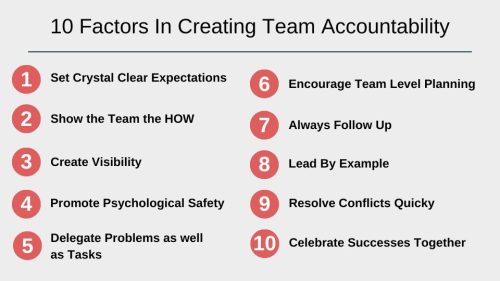
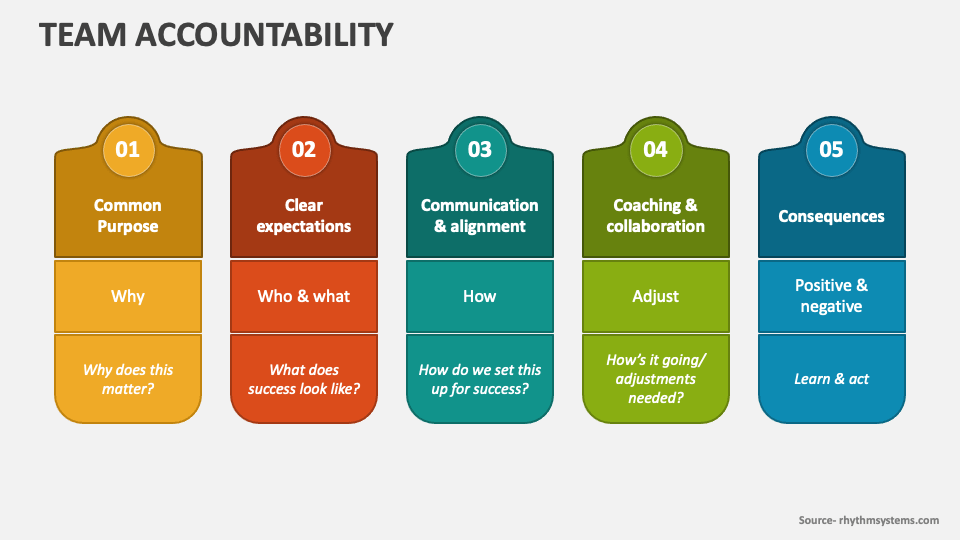
- Clearly Defined Goals and Objectives: Establishing clear expectations and objectives is critical for remote teams. Ensure that team members understand what's expected of them and how their contributions contribute to the team's overall goals.
- Performance Metrics**: Establish measurable performance metrics that align with your team's objectives. This will help track progress and identify areas where employees may need additional support or training.
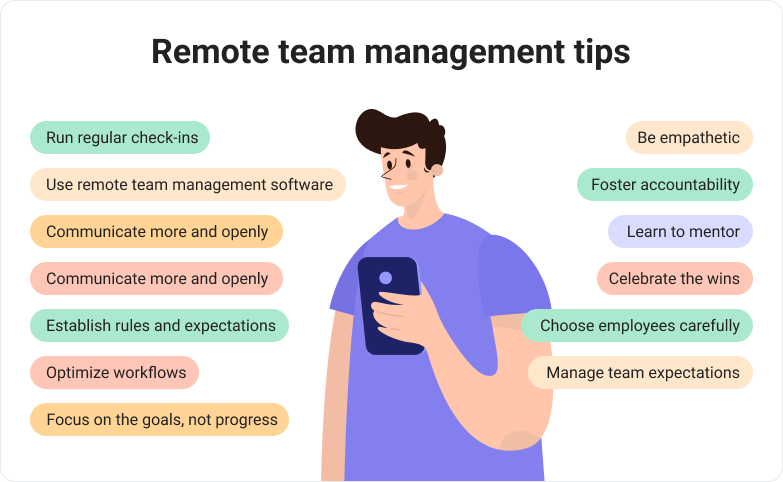
- Regular Check-ins**: Schedule regular check-ins with team members to discuss progress, address concerns, and provide feedback. This fosters open communication and ensures everyone is on the same page.
- Collaboration Tools**: Utilize collaboration tools that facilitate real-time communication, project management, and knowledge sharing. This includes tools like Slack, Trello, Asana, or Microsoft Teams.
- Team Visibility**: Ensure team members have visibility into each other's work and progress. This promotes a sense of accountability and teamwork.
- Training and Development**: Provide opportunities for skills development and training to help employees upskill and reskill in a rapidly changing work environment.
- Recognition and Rewards**: Recognize and reward employees for their contributions and achievements. This fosters a positive work environment and motivates team members to perform at their best.
- Technology and Security**: Implement robust technology and security measures to ensure data protection and safeguard employee productivity.
- Culture and Communication**: Foster a culture of trust, respect, and open communication. Encourage team members to ask questions, share concerns, and provide feedback.