DPP-4 Inhibitors Meal Planning Tips for Effective Diabetes Management
Are you taking DPP-4 inhibitors as part of your diabetes management plan? If so, you're probably aware of the importance of adapting your meal planning strategies to get the most out of these medications. In this article, we'll provide you with the essential DPP-4 inhibitors meal planning tips to help you achieve better blood sugar control and improve your overall quality of life.
Understanding DPP-4 Inhibitors
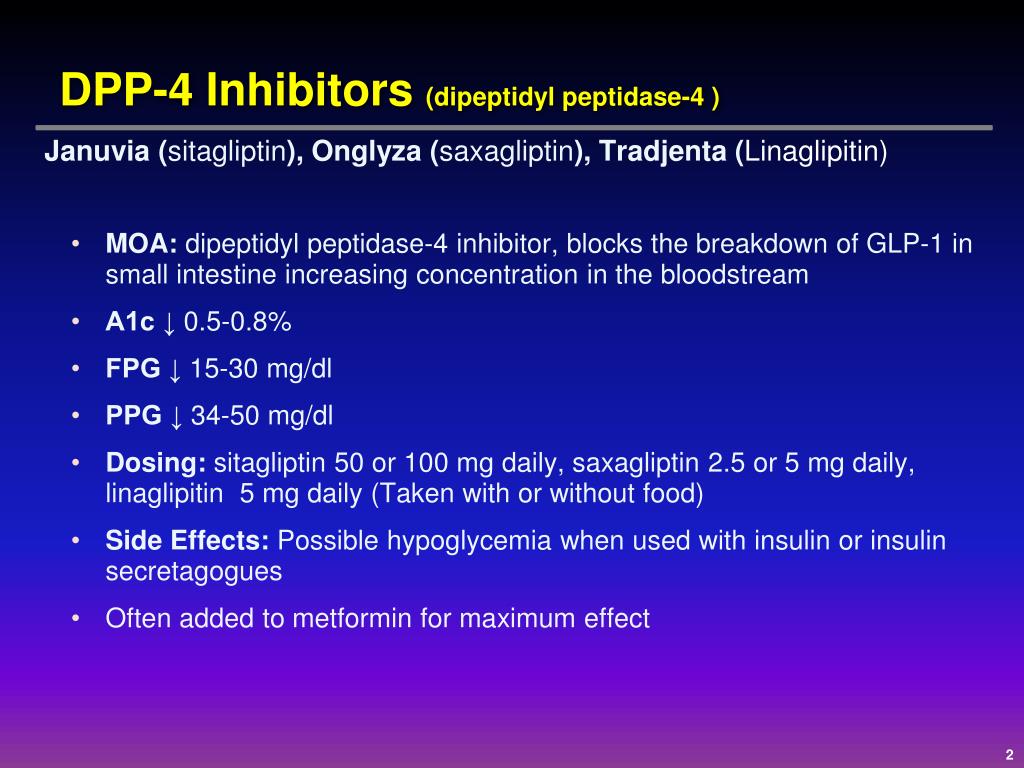
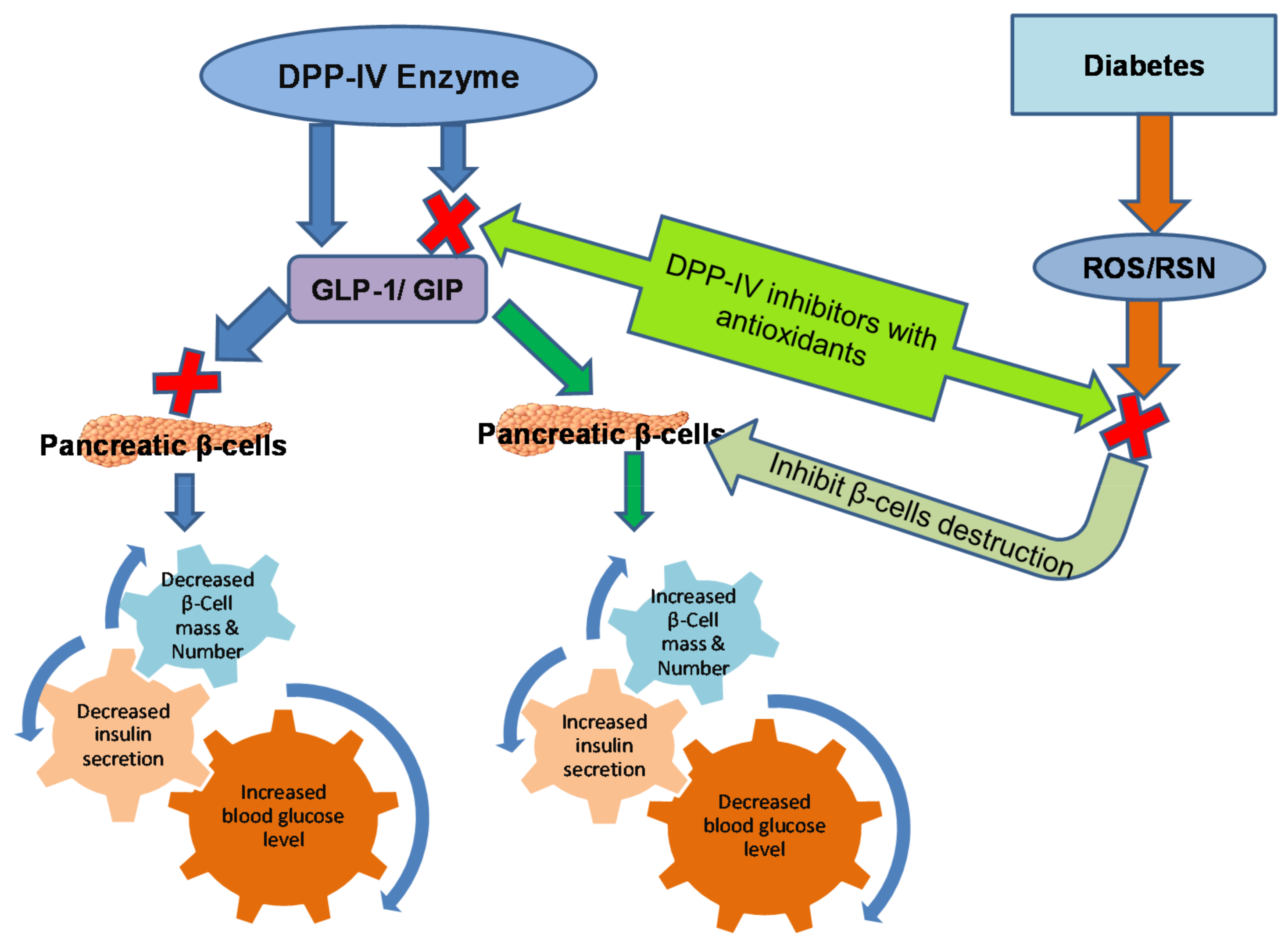
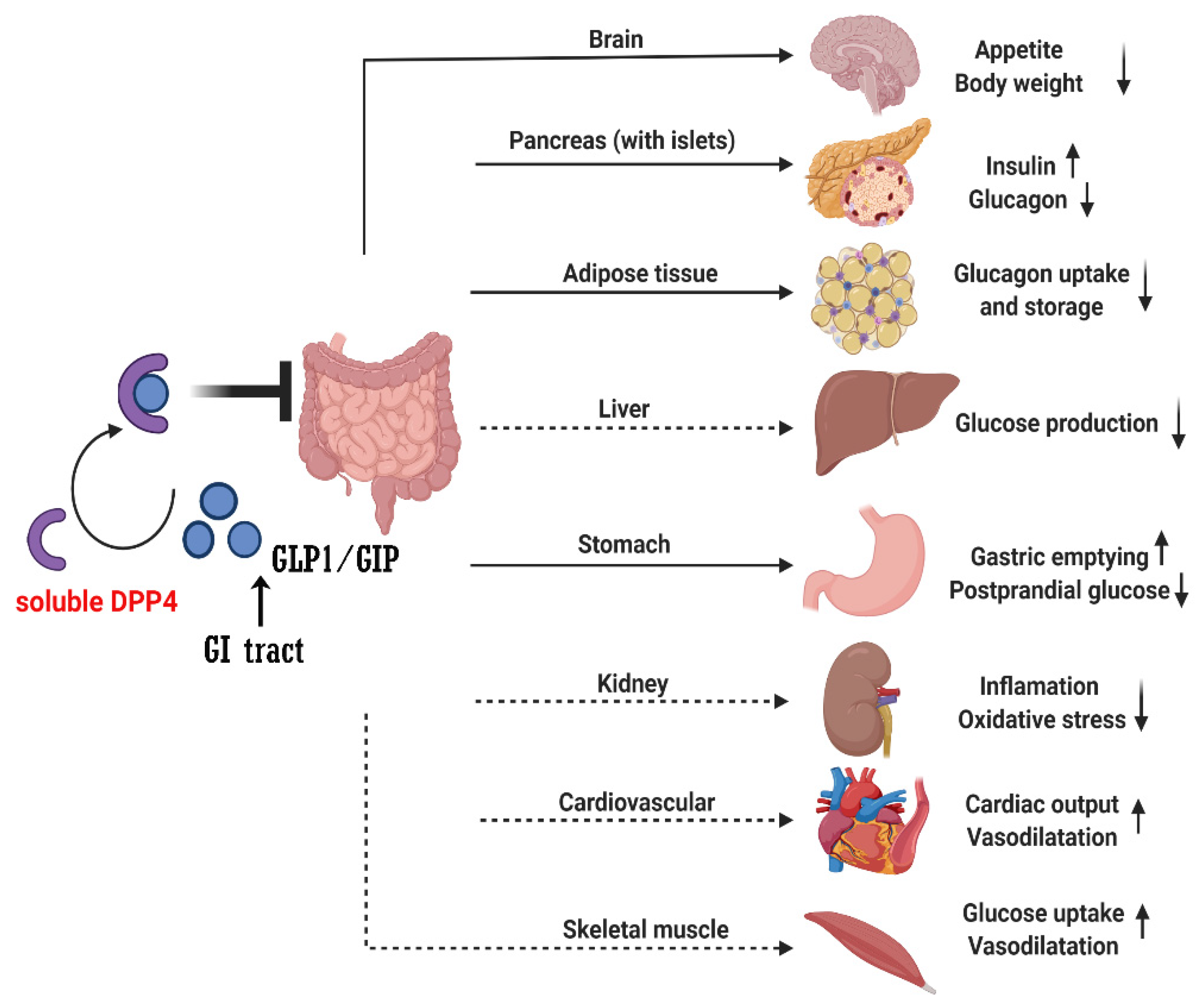
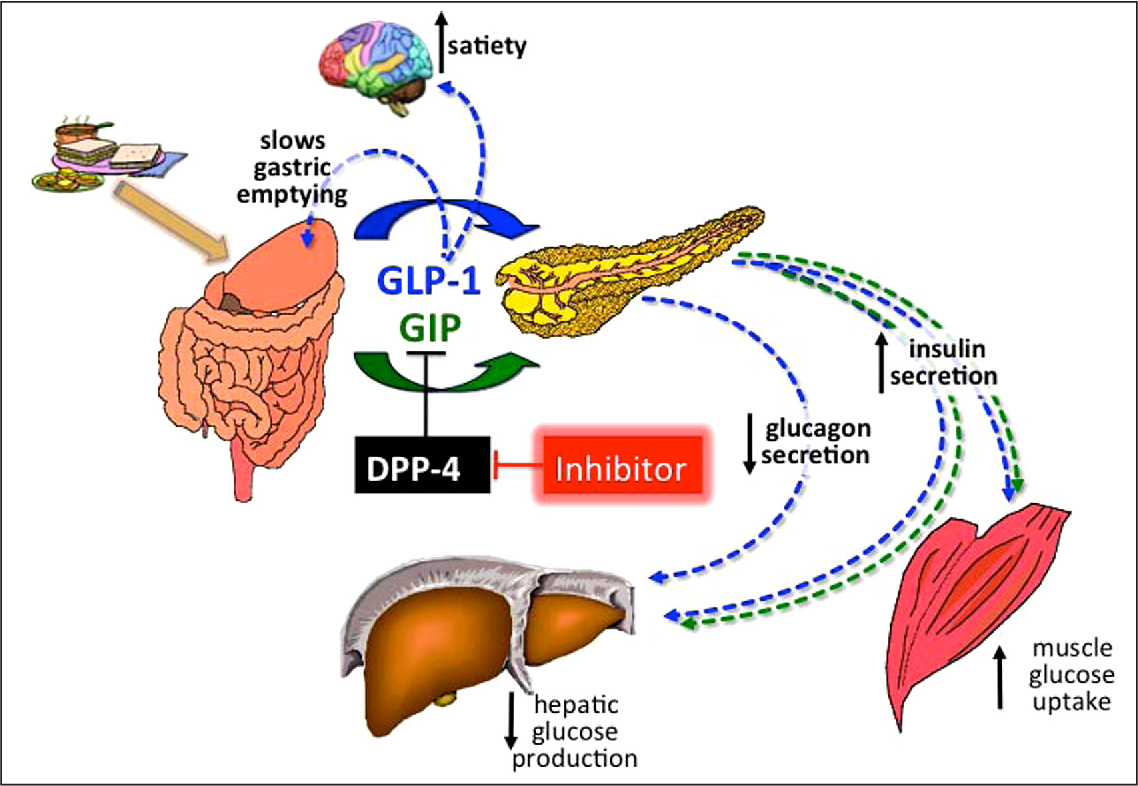
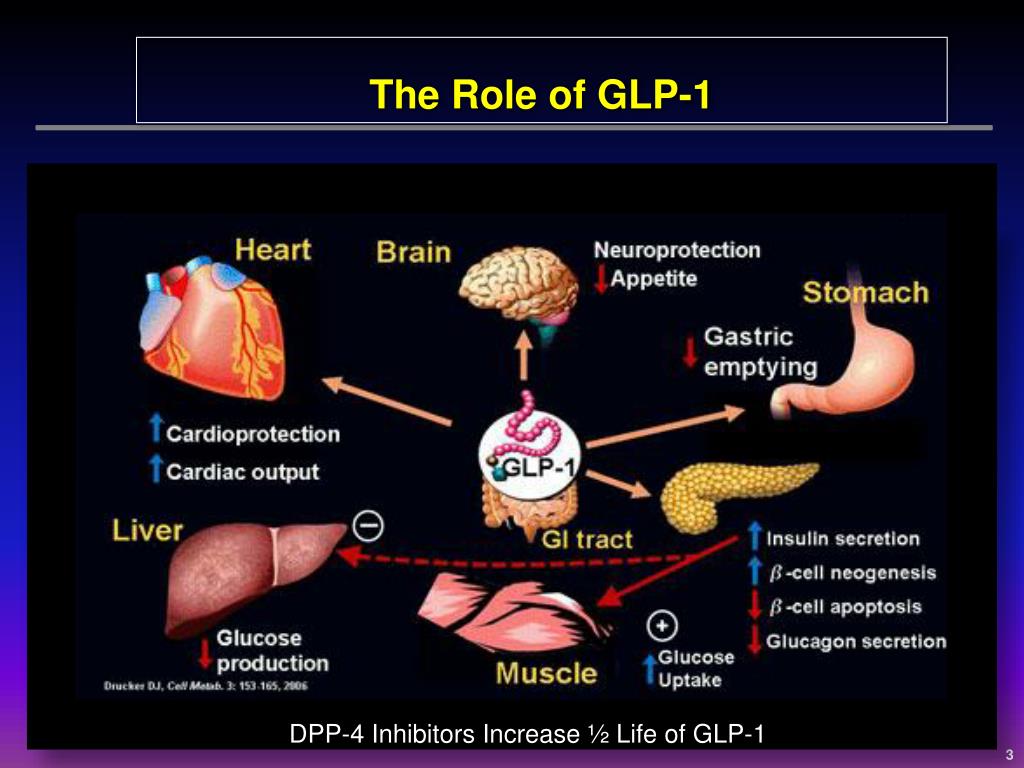
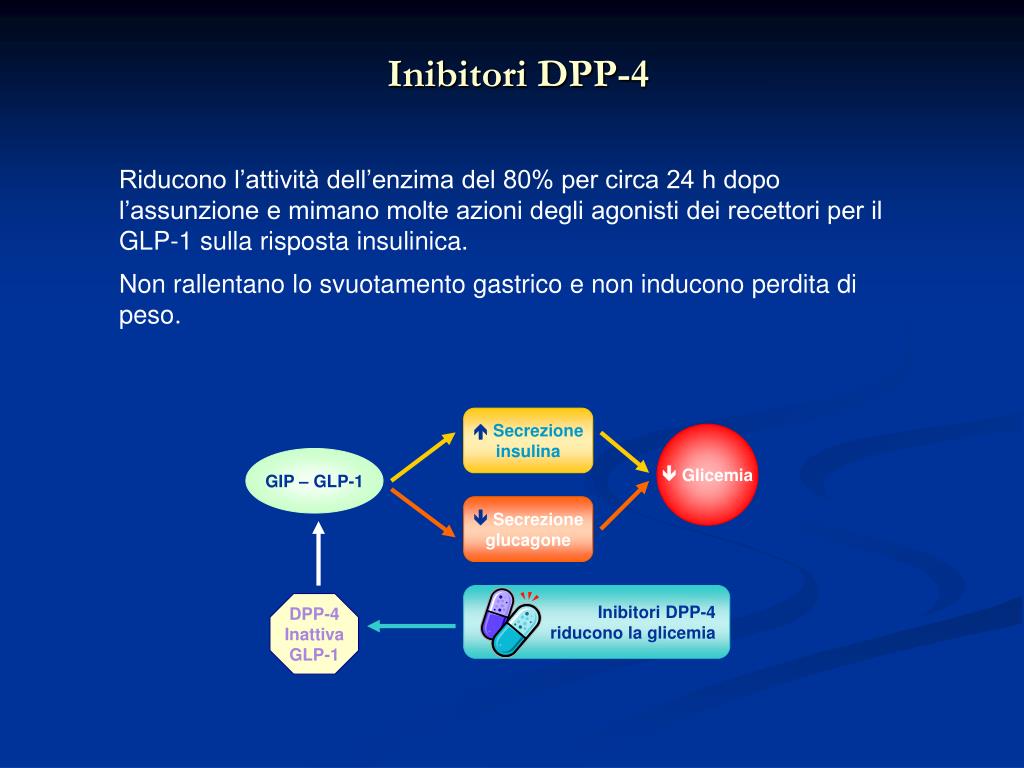
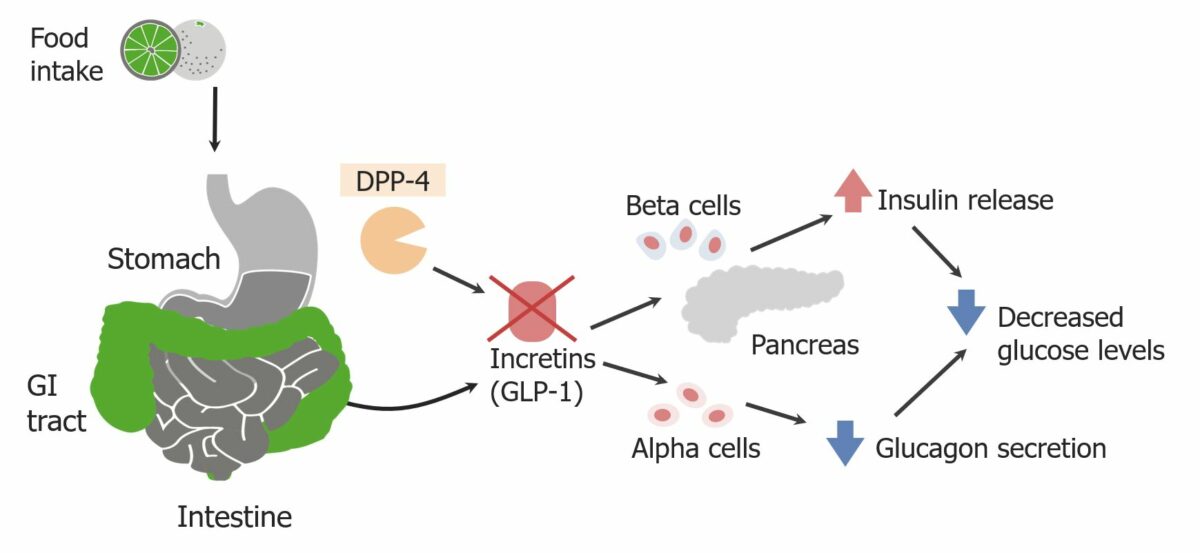
DPP-4 inhibitors, also known as gliptins, are a class of medications used to treat type 2 diabetes. They work by blocking the action of an enzyme called DPP-4, which destroys the hormone incretin. Incretins play a crucial role in regulating blood sugar levels by stimulating insulin release after meals.

Key Principles of Meal Planning with DPP-4 Inhibitors
- Monitor and manage post-meal blood sugar levels**: Regularly tracking your post-meal blood sugar levels will help you understand how your DPP-4 inhibitor is affecting your body. This information will enable you to make adjustments to your meal planning and medication schedule as needed.
- Focus on nutrient-dense meals**: Opt for whole, unprocessed foods, including fruits, vegetables, whole grains, lean proteins, and healthy fats. These nutrient-dense meals provide sustained energy and help regulate blood sugar levels.
- Carbohydrate counting**: Accurately tracking carbohydrate intake is essential when using DPP-4 inhibitors. This allows you to balance your carb consumption with your medication and meal planning. The American Diabetes Association recommends aiming for 45-60 grams of carbohydrates per meal.
- Choose complex carbohydrates**: Include complex carbohydrates like whole grains, legumes, and non-starchy vegetables in your meals. These foods are rich in fiber, which slows down carbohydrate digestion and helps regulate blood sugar spikes.
- Eat regular, balanced meals**: Divide your daily calorie intake into three main meals and one or two snacks, if needed. This helps maintain stable energy levels, preventing excessive hunger and related hunger-related eating behaviors.
- Avoid or limit high-glycemic foods**: Limit or avoid high-glycemic foods like white bread, sugary snacks, and sweetened beverages, which can lead to rapid blood sugar spikes.
- Coordinated care with healthcare provider**: Regularly review your medication regimen and meal planning with your healthcare provider to ensure that your DPP-4 inhibitor is working effectively in conjunction with your diet and other medications.