Digital Signature Verification: Ensuring the Integrity of Electronic Documents
In today's digital age, electronic documents have become an essential part of business operations. However, with the increased use of electronic documents comes the need for robust security measures to ensure their authenticity and integrity. Digital signature verification is one such measure that has gained significant importance in recent years. In this article, we will delve into the world of digital signature verification and explore its significance, benefits, and best practices.
What is Digital Signature Verification?
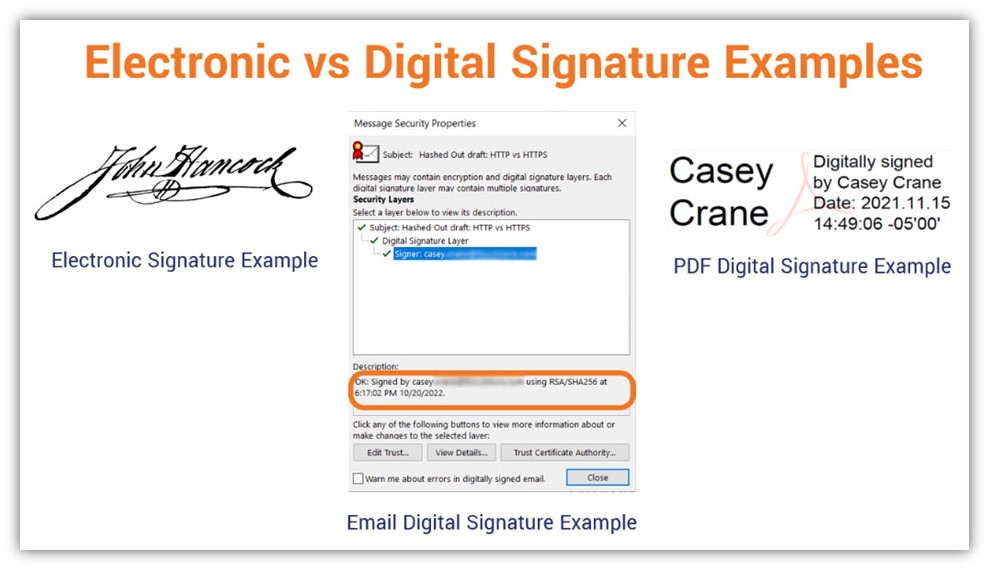
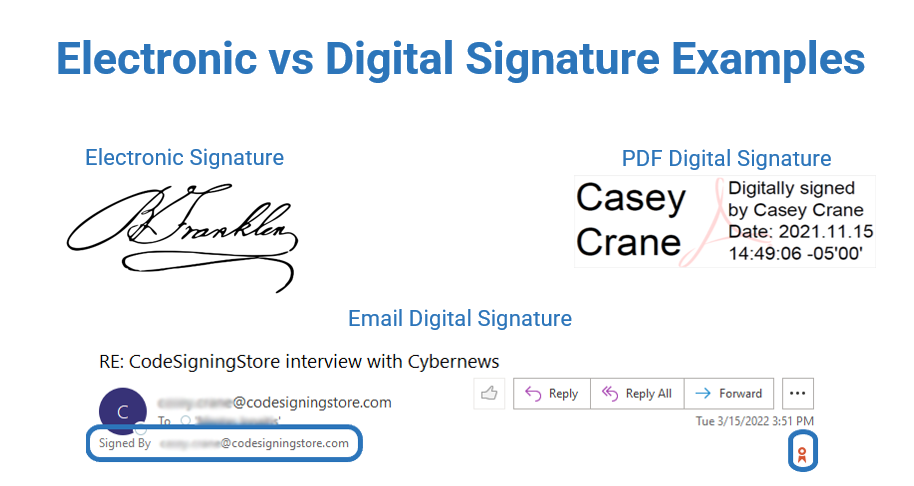
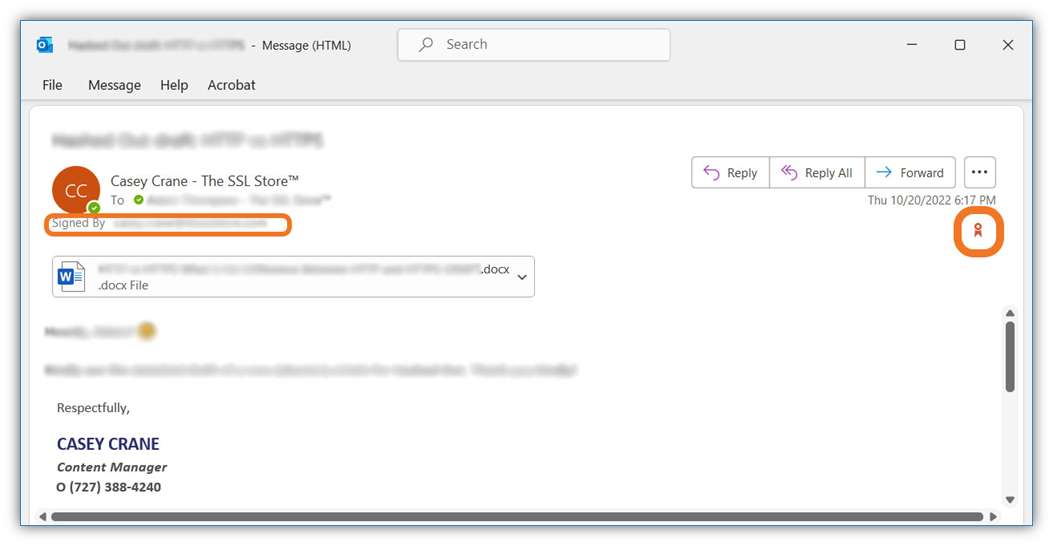
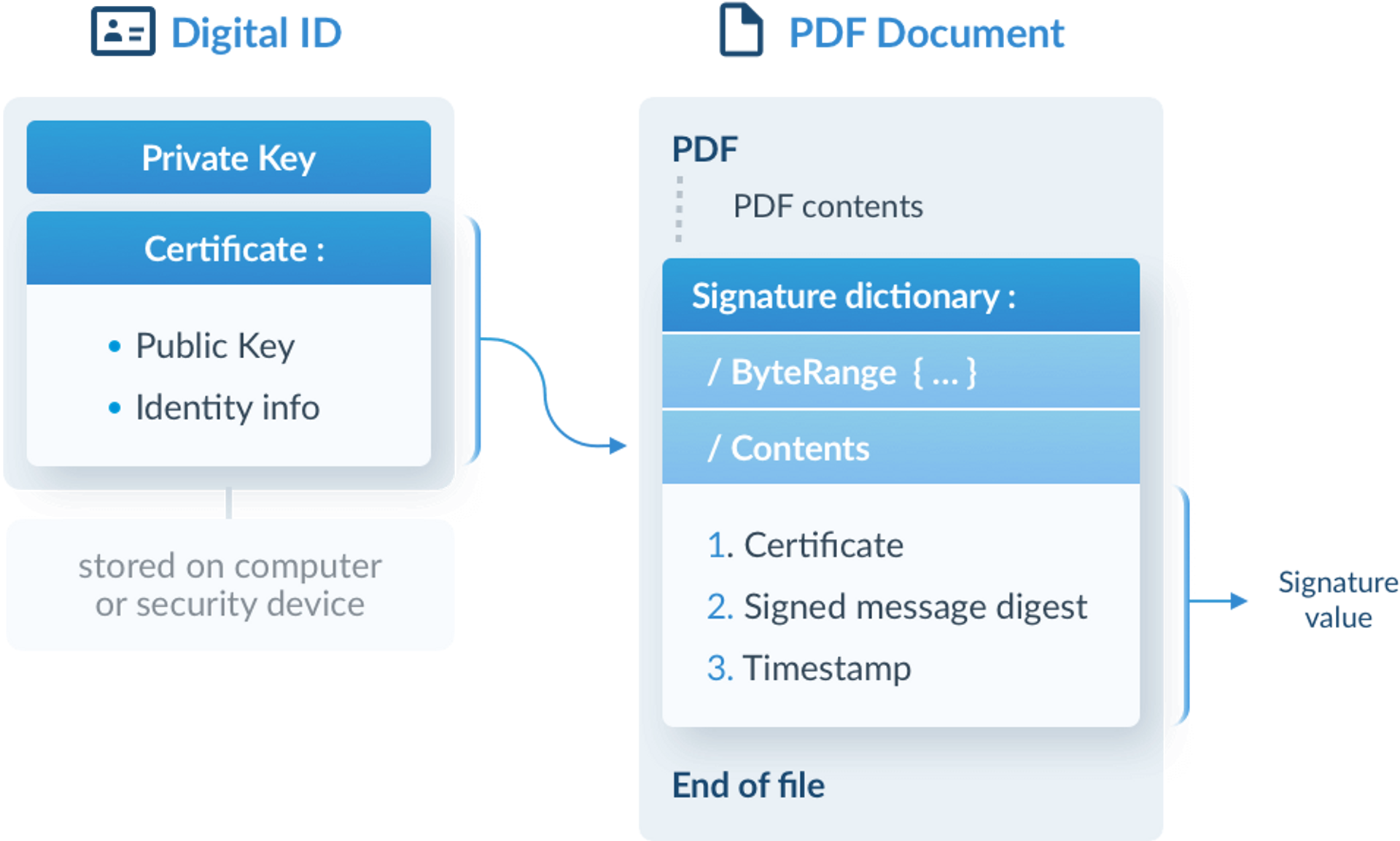
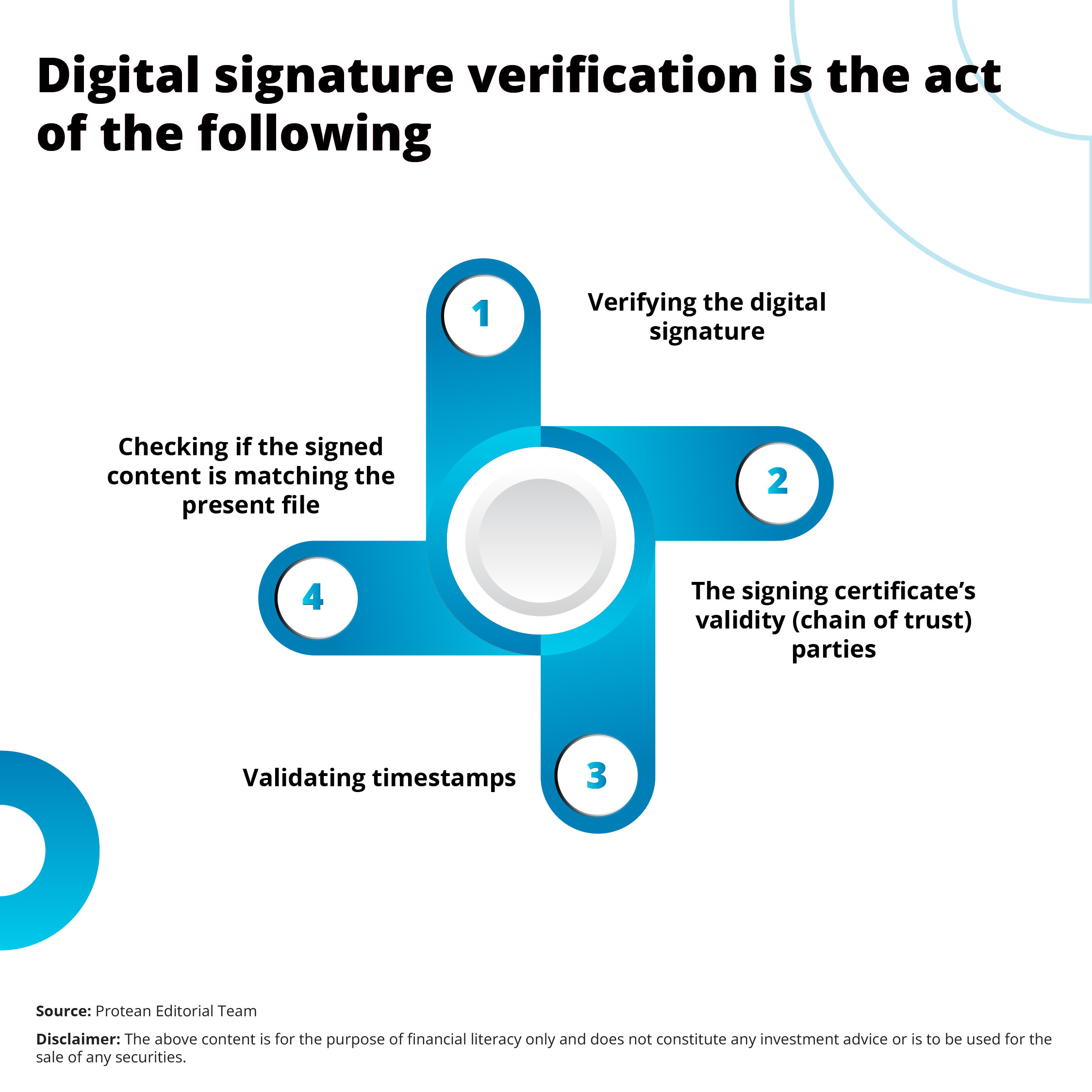
Digital signature verification is the process of authenticating the identity of a signer and verifying the integrity of an electronic document. It involves using encryption algorithms and digital certificates to ensure that a document has not been tampered with or altered since its creation. Digital signature verification is essential in various industries, including finance, healthcare, and government, where secure transactions and document integrity are critical.
How Does Digital Signature Verification Work?
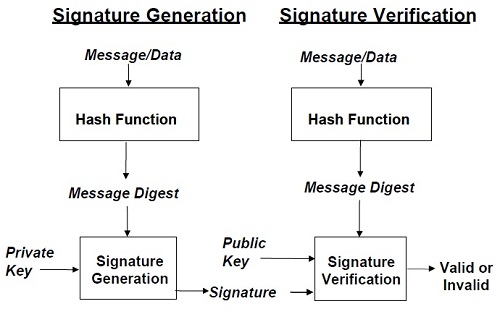
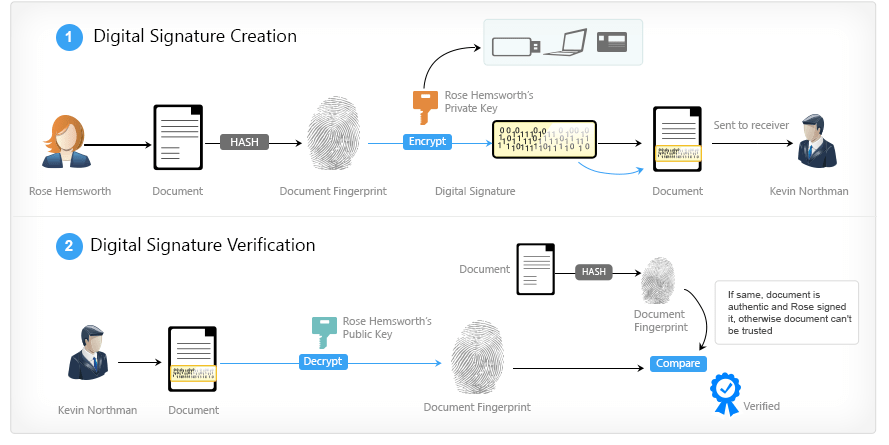
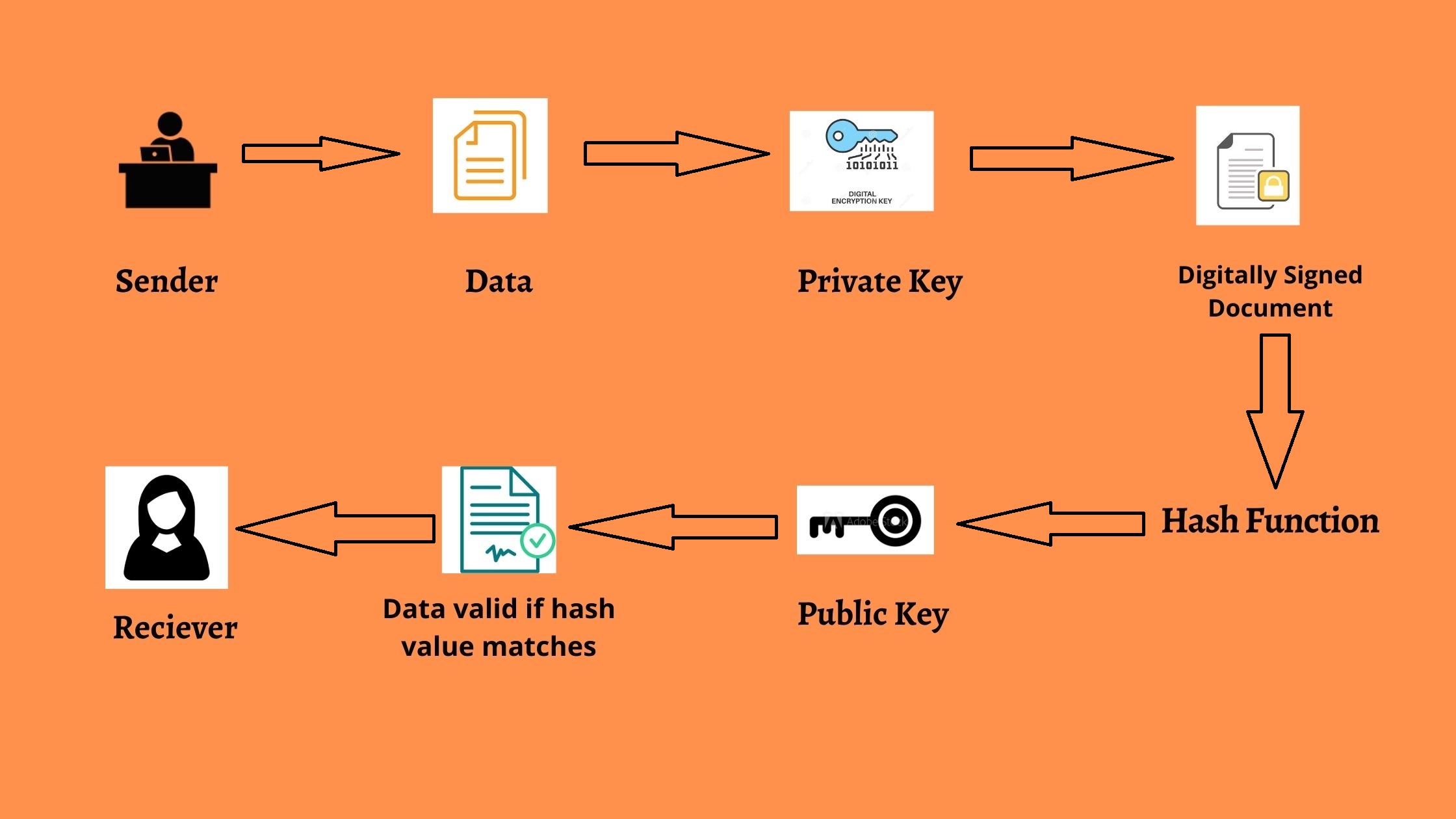
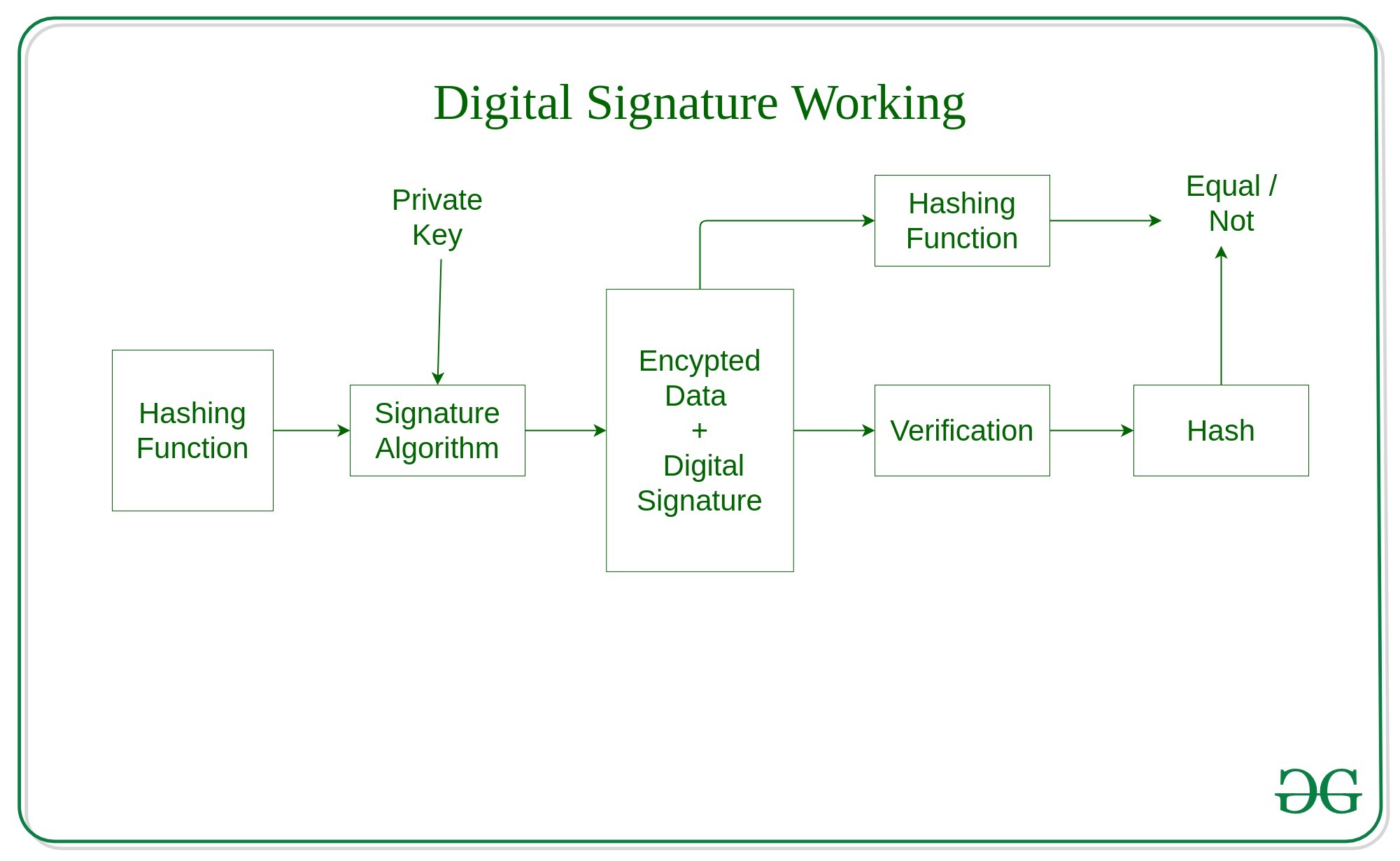
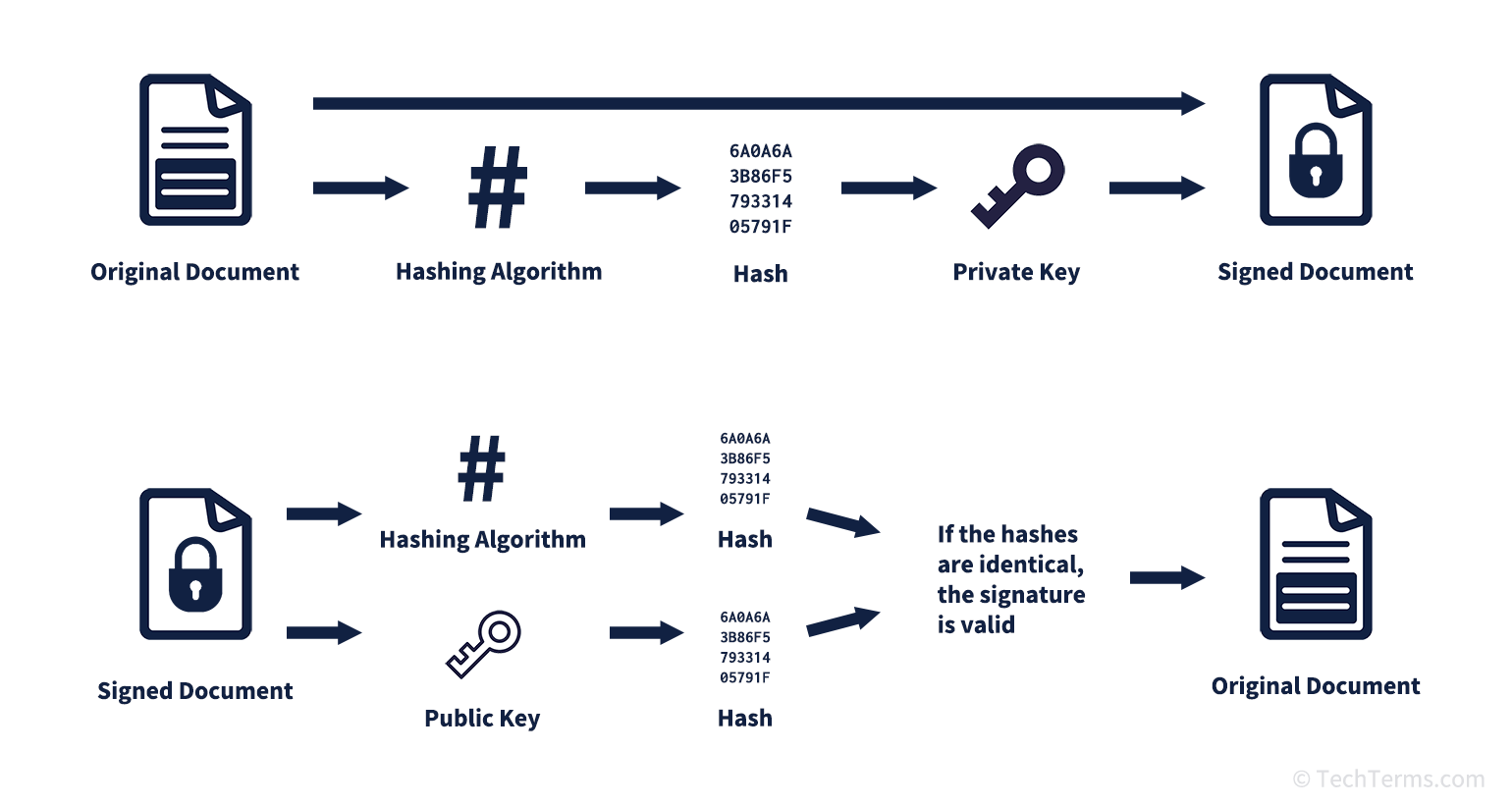
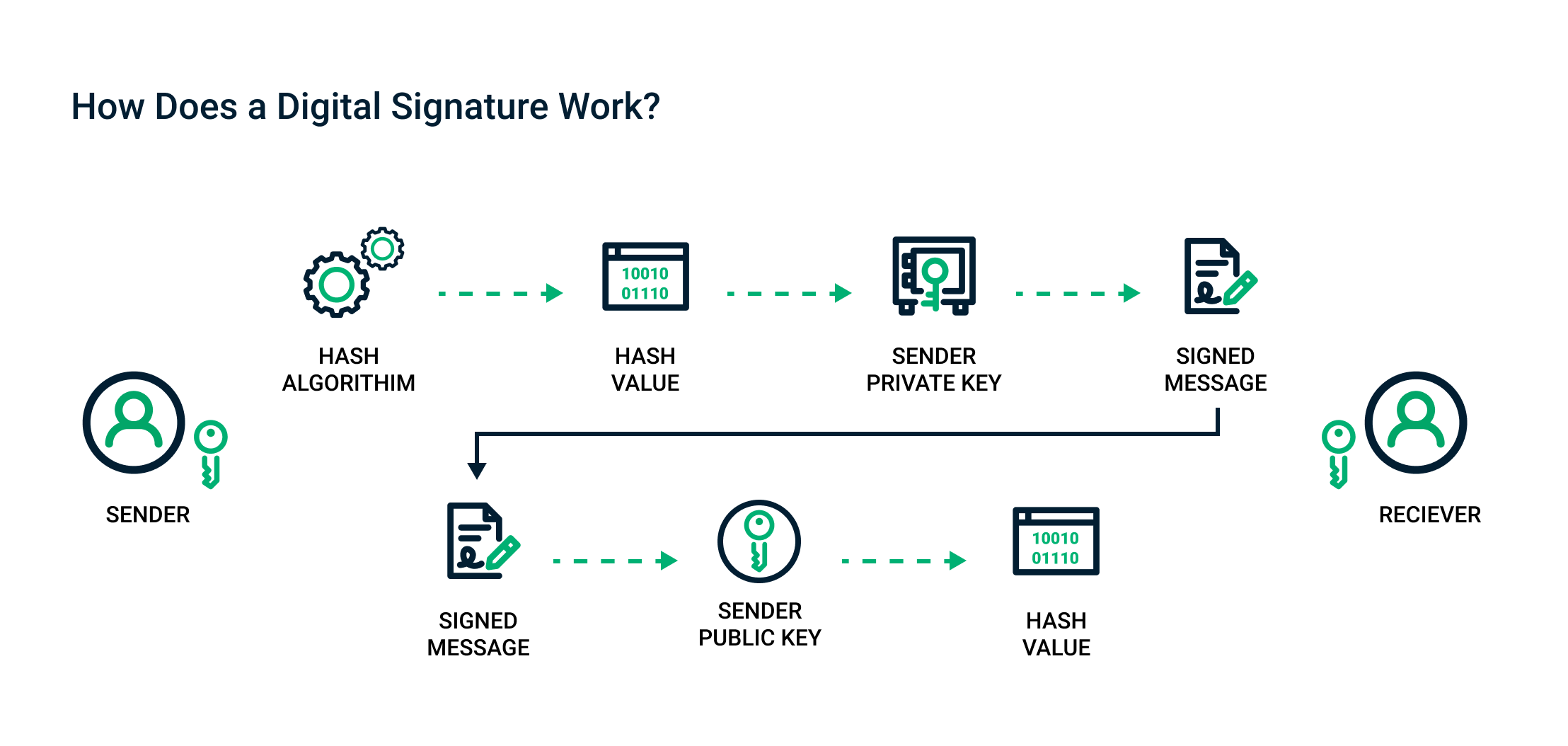
Digital signature verification uses public-key cryptography to ensure the authenticity of a digital signature. The process involves the following steps:
- The signer creates a digital signature using their private key and a hash of the document.
- The digital signature is then transmitted along with the document to the recipient.
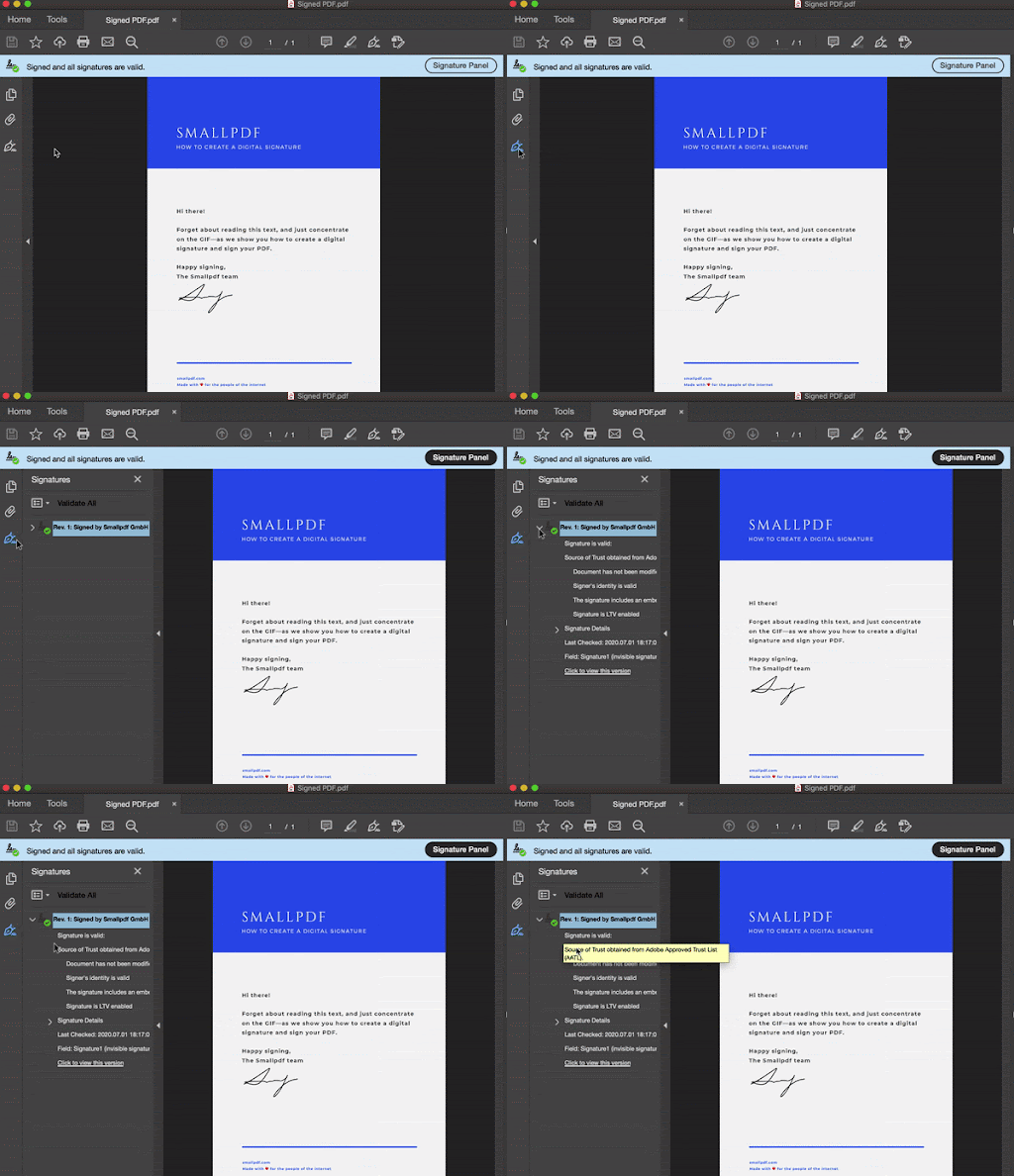
- The recipient uses the signer's public key to verify the digital signature and ensure that it matches the hash of the document.
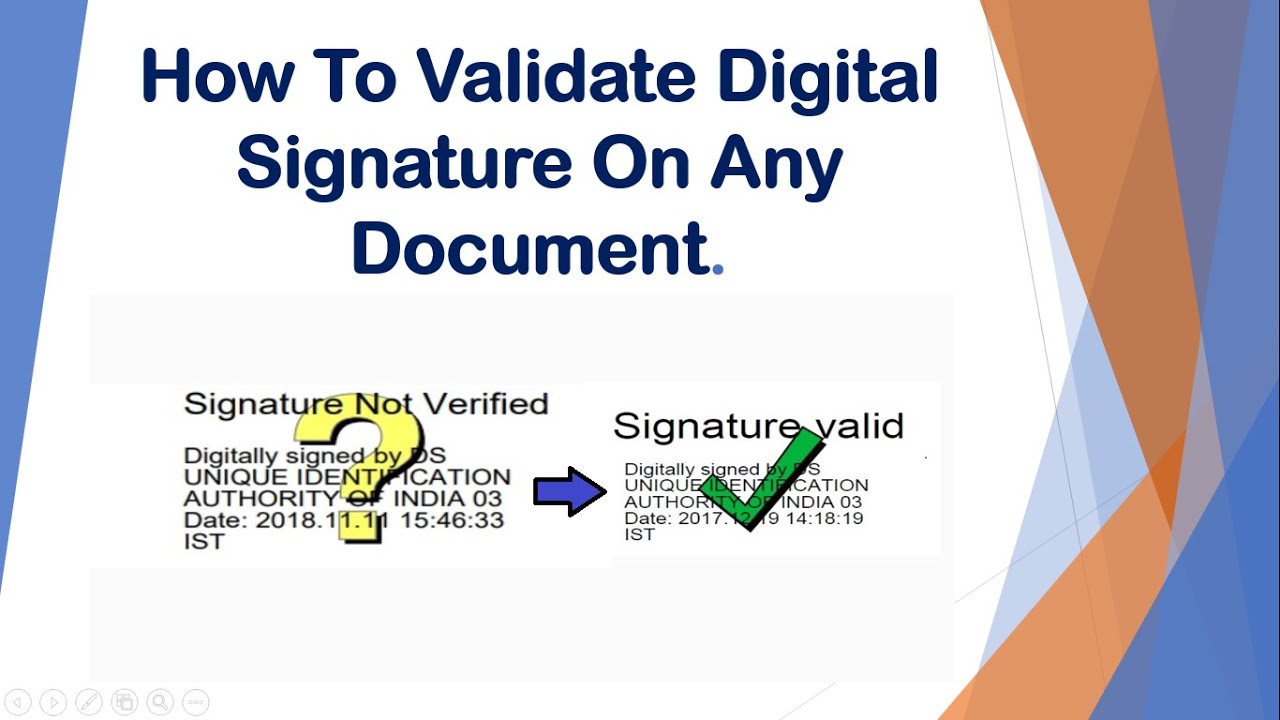
- If the digital signature is valid, the recipient can be assured that the document has not been tampered with or altered since its creation.

![Electronic Signature Verification: A Complete Guide [2026]](https://i.ytimg.com/vi/5iLgsKNDiVI/maxresdefault.jpg "Electronic Signature Verification: A Complete Guide [2026]")