GLP-1 Agonist for Eating Disorder: A Comprehensive Overview
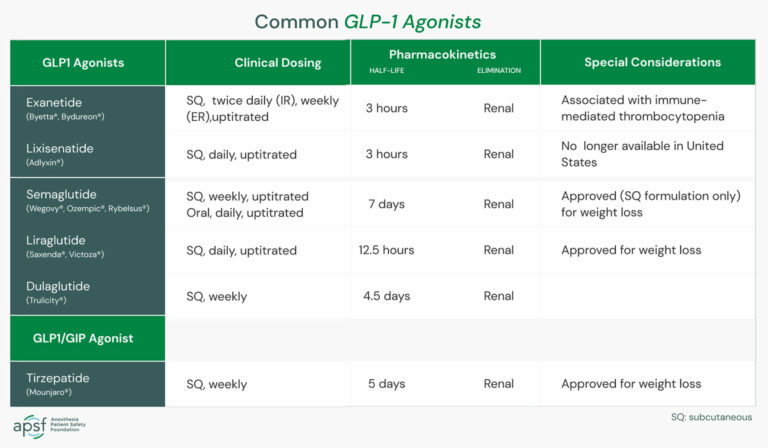
Glucagon-like peptide-1 (GLP-1) agonists have been gaining attention in the medical field for their potential therapeutic benefits beyond treating type 2 diabetes and obesity. Recently, these medications have been explored as a potential treatment option for eating disorders, particularly bingeeating disorder (BED). In this article, we will delve into the world of GLP-1 agonists and their implications for eating disorder treatment.
What are GLP-1 Agonists?
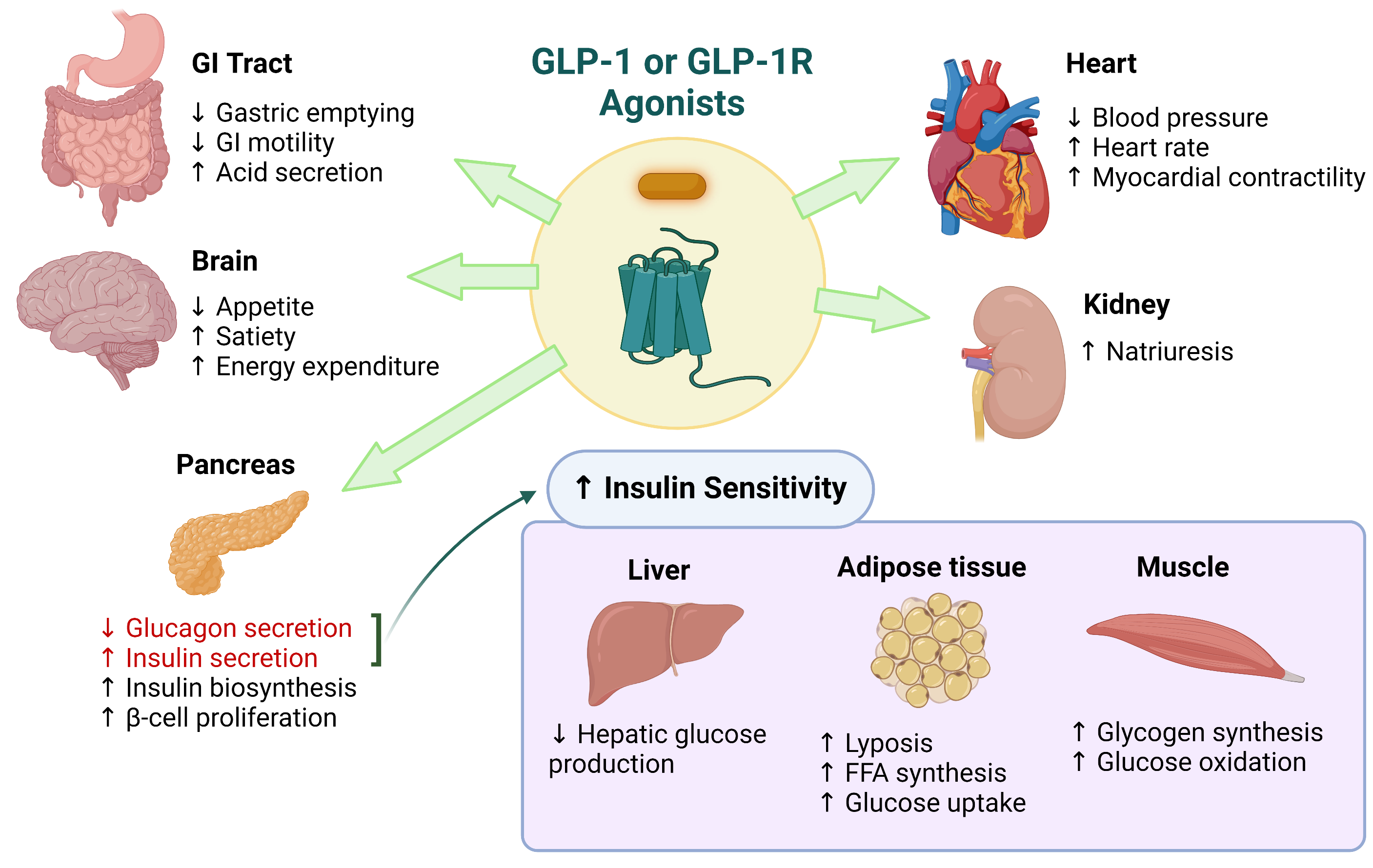
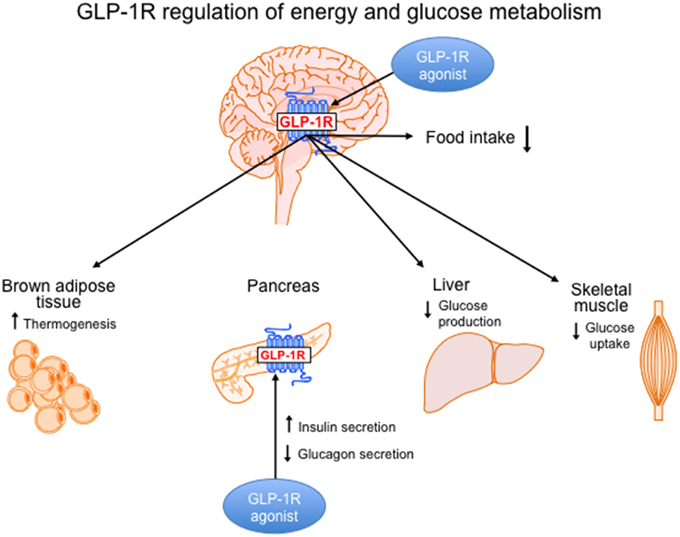
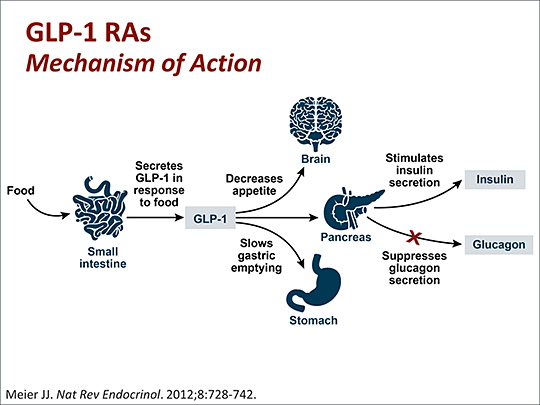
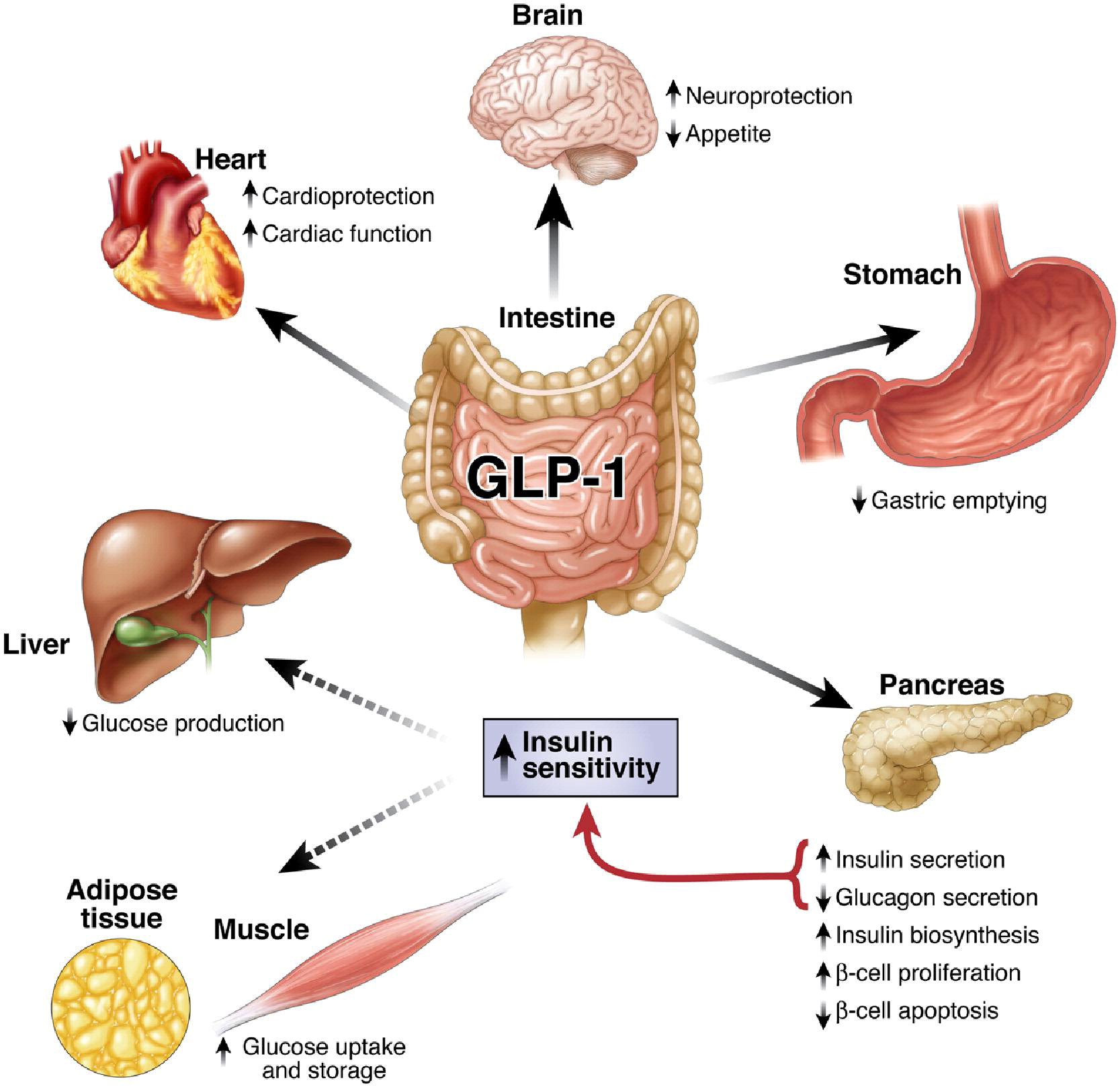
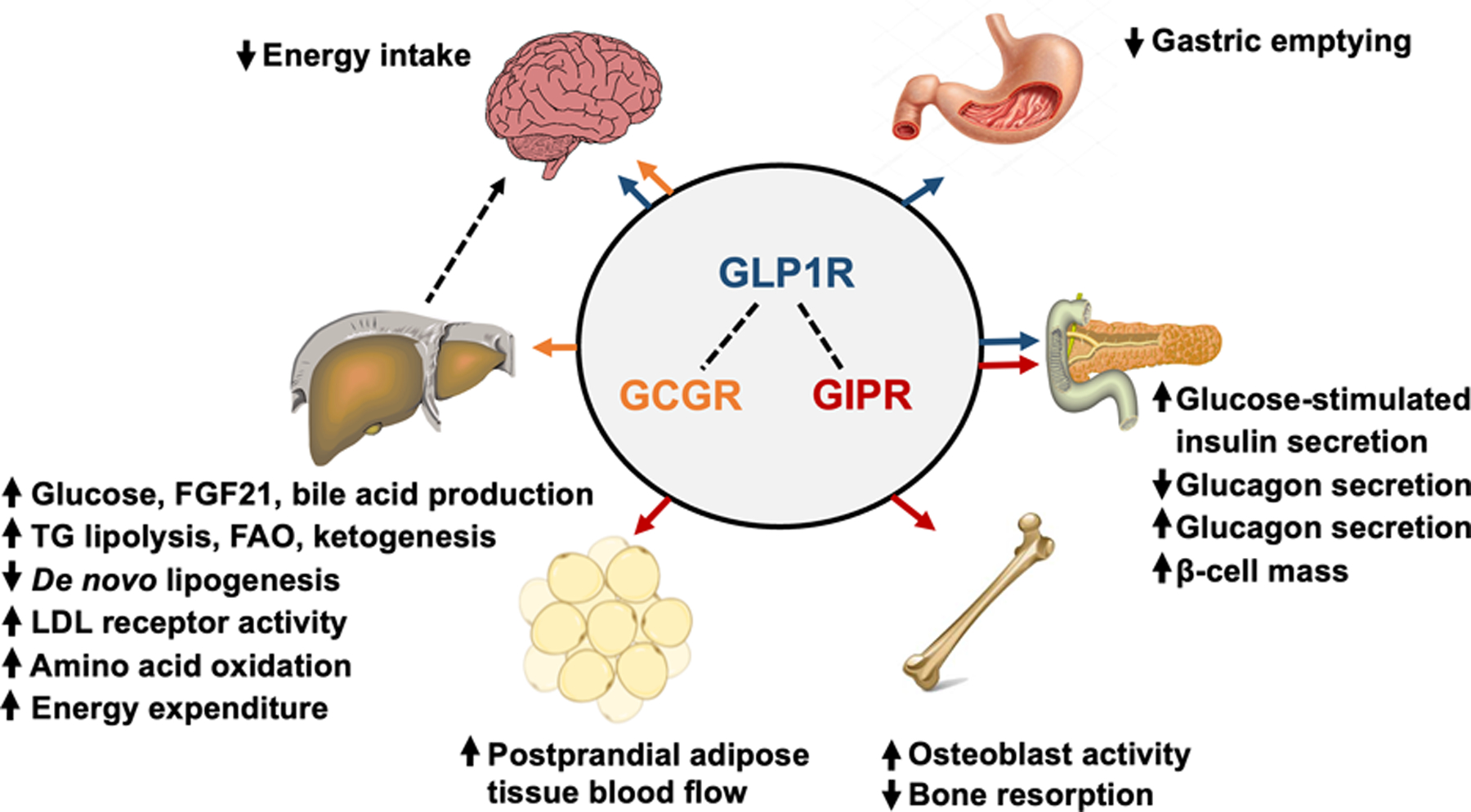
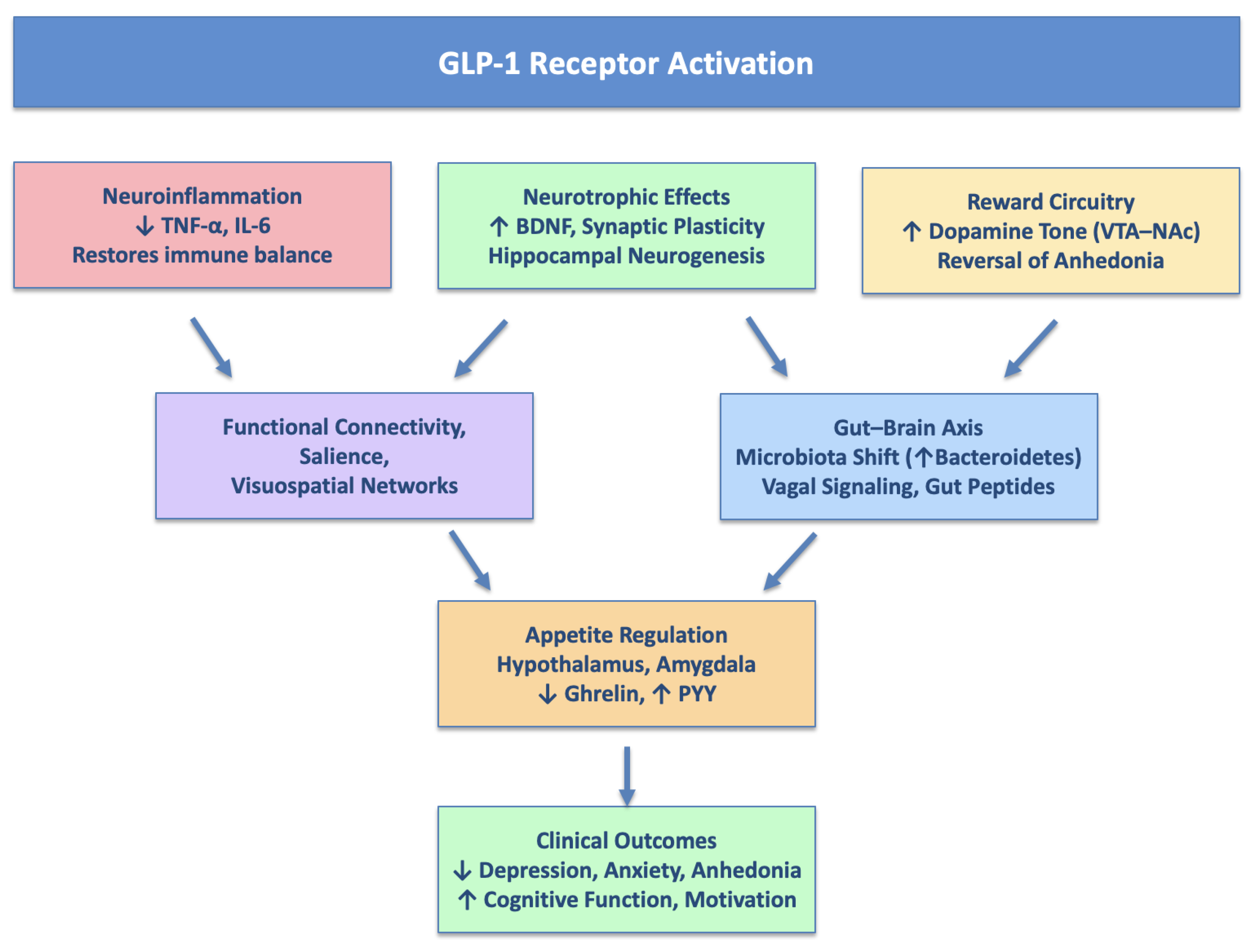
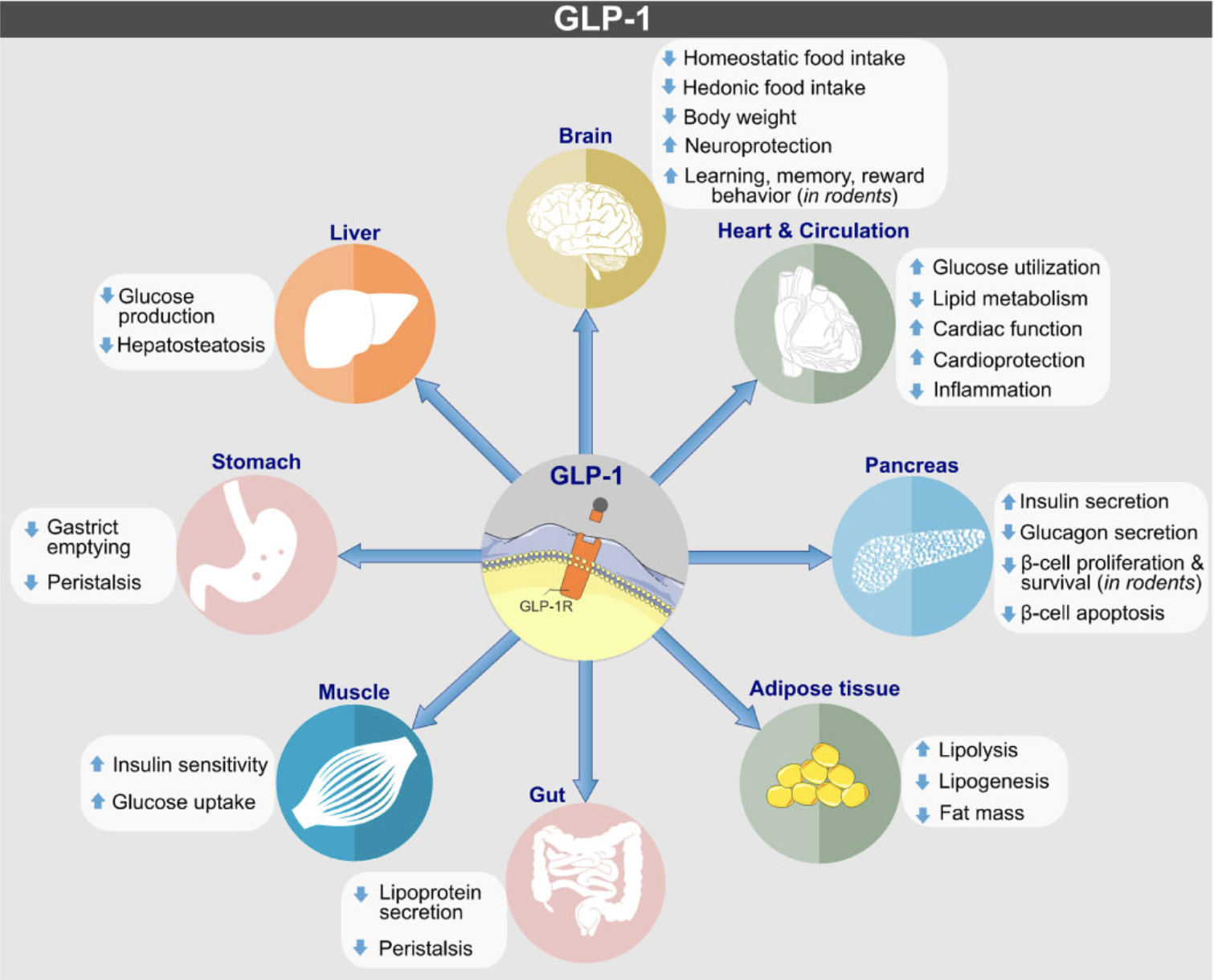
GLP-1 agonists are medications that mimic the action of the naturally occurring hormone glucagon-like peptide-1. This hormone plays a crucial role in appetite regulation, digestion, and insulin release. GLP-1 agonists slow gastric emptying, increase satiety, reduce hunger and food cravings, and influence reward pathways related to eating behavior.
GLP-1 Agonists and Eating Disorders
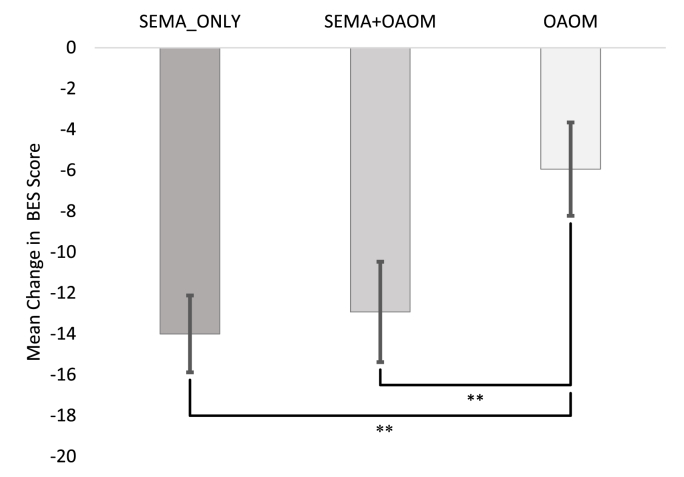
Recent studies have investigated the potential benefits and risks of using GLP-1 agonists in individuals with eating disorders. While these medications have shown promise in managing BED, concerns have been raised about their potential to exacerbate pathological dietary restriction and prevent regular eating, thereby maintaining or worsening the eating disorder.
- Benefits: GLP-1 agonists may help reduce food cravings, improve mood, and enhance emotional regulation, making them a potential treatment option for individuals with BED.
- Risks: GLP-1 agonists may worsen pathological dietary restriction and prevent regular eating, leading to a worsening of the eating disorder.