Unlocking the Power of GLP-1 Agonists for Food Cravings
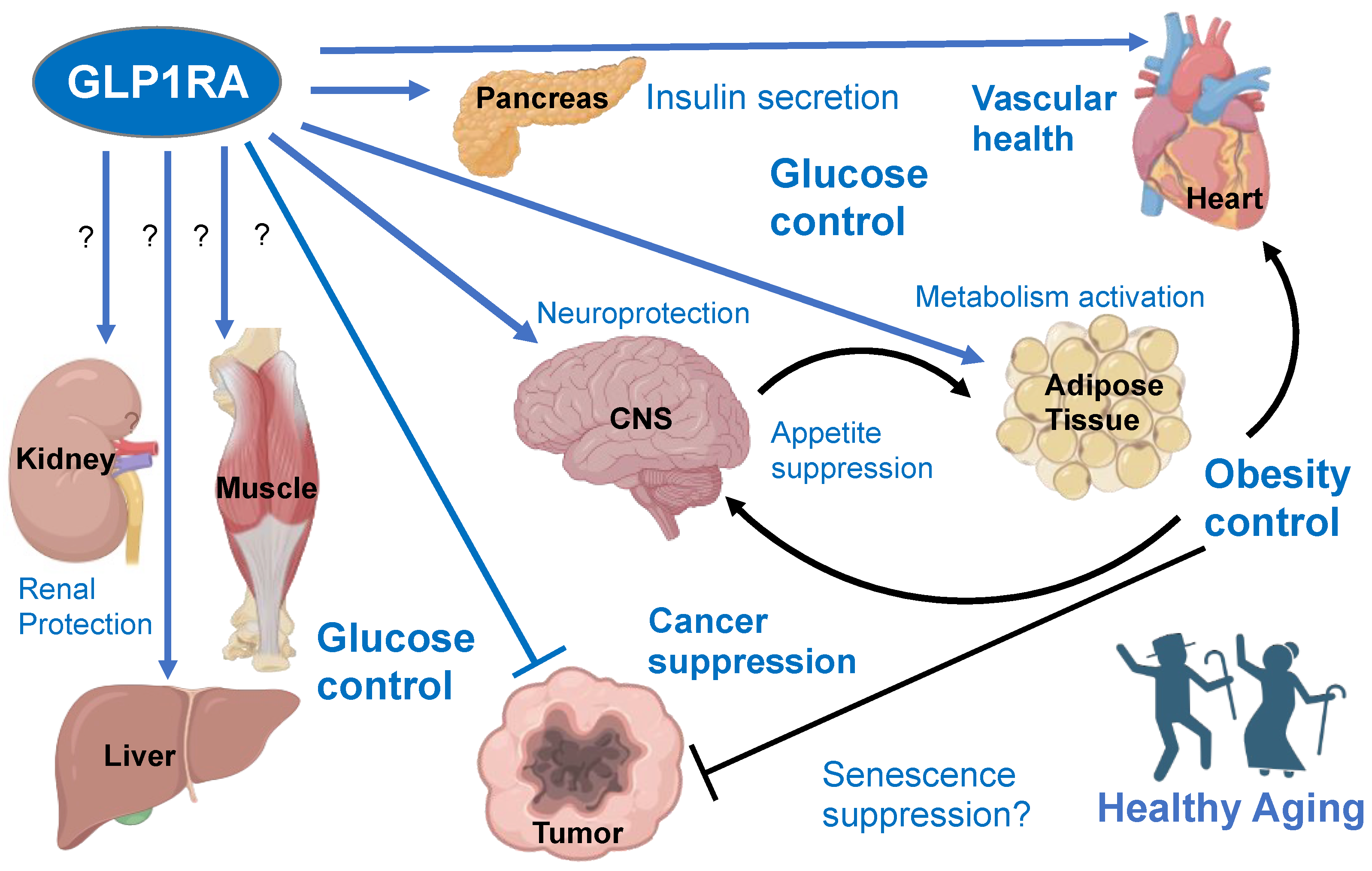
Glucagon-like peptide-1 (GLP-1) agonists have been making waves in the medical community as a potential solution for managing food cravings. But what exactly are GLP-1 agonists, and how do they work to reduce our desire for the wrong foods?
Understanding GLP-1 and Food Cravings
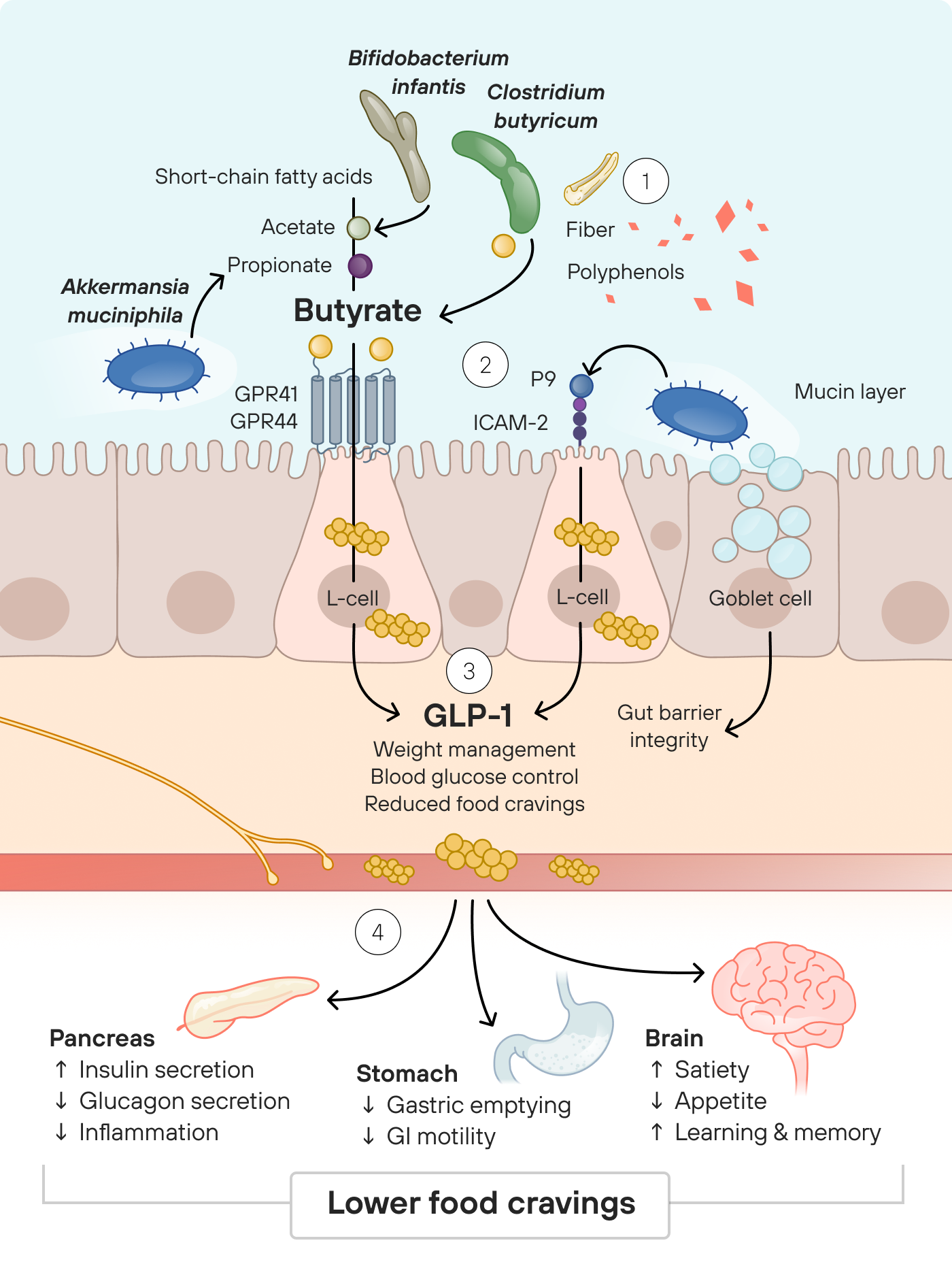
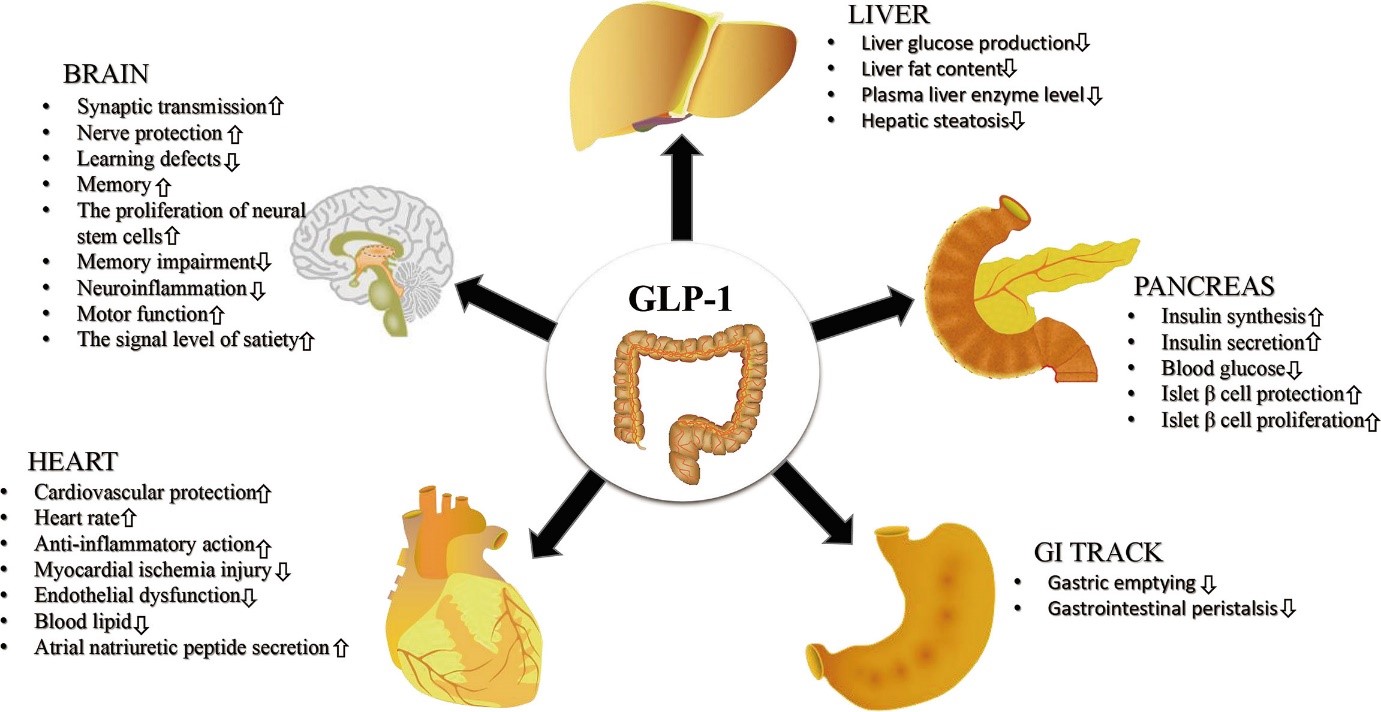
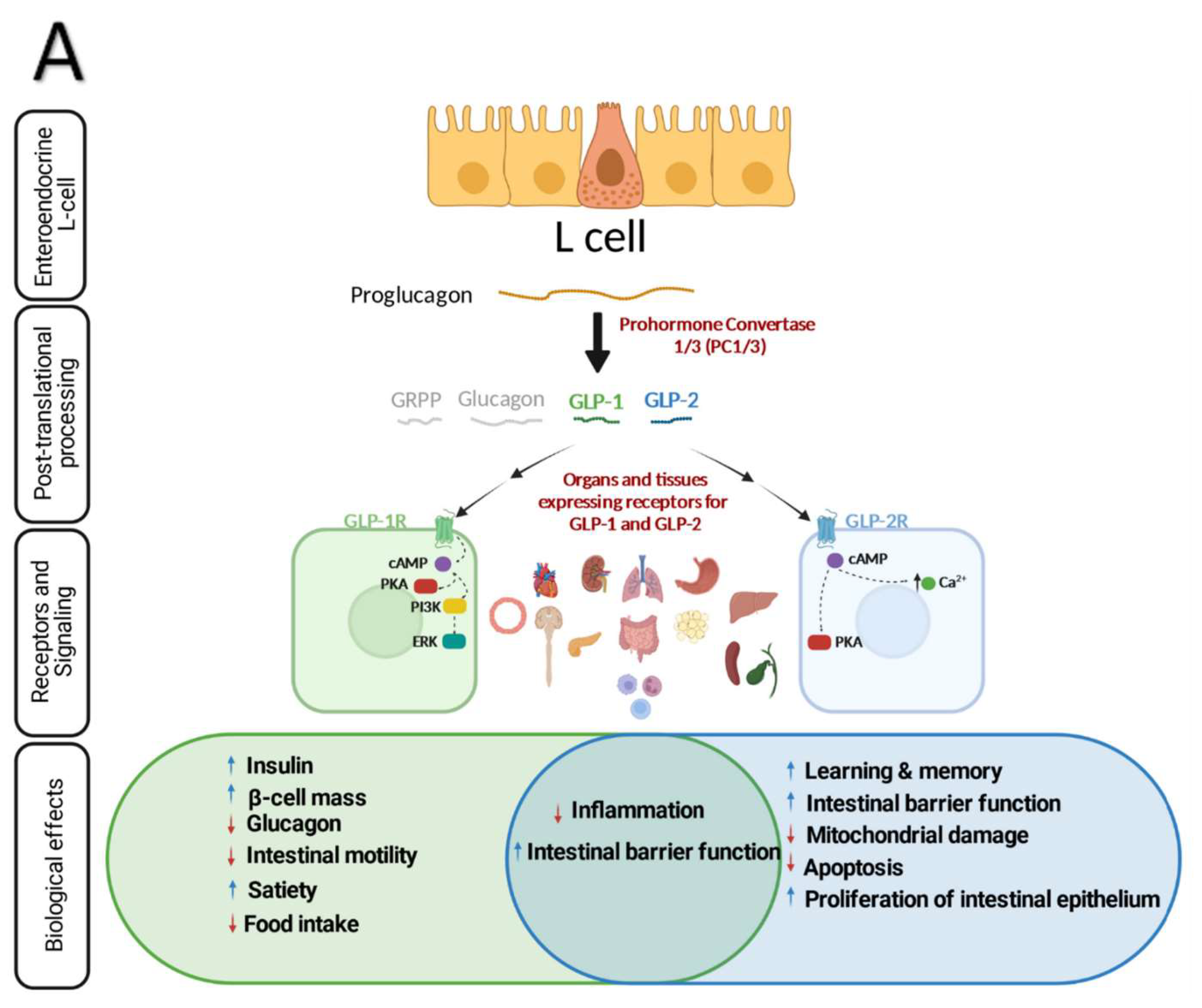
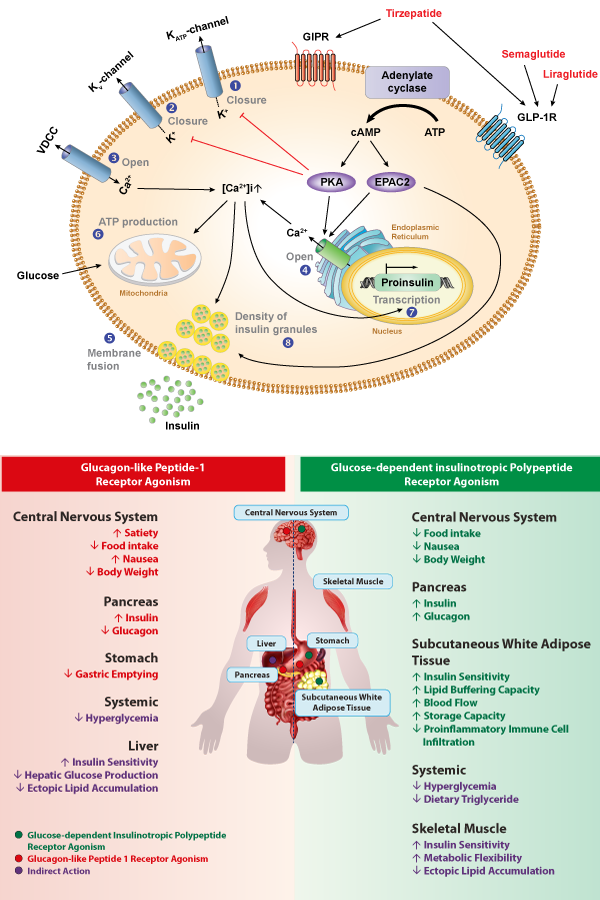
GLP-1 is a hormone produced in the small intestine after we eat. It plays a crucial role in regulating blood sugar levels, insulin production, and appetite. When we consume food, GLP-1 signals the brain to feel full and satisfied, making it easier to stick to a healthy diet.
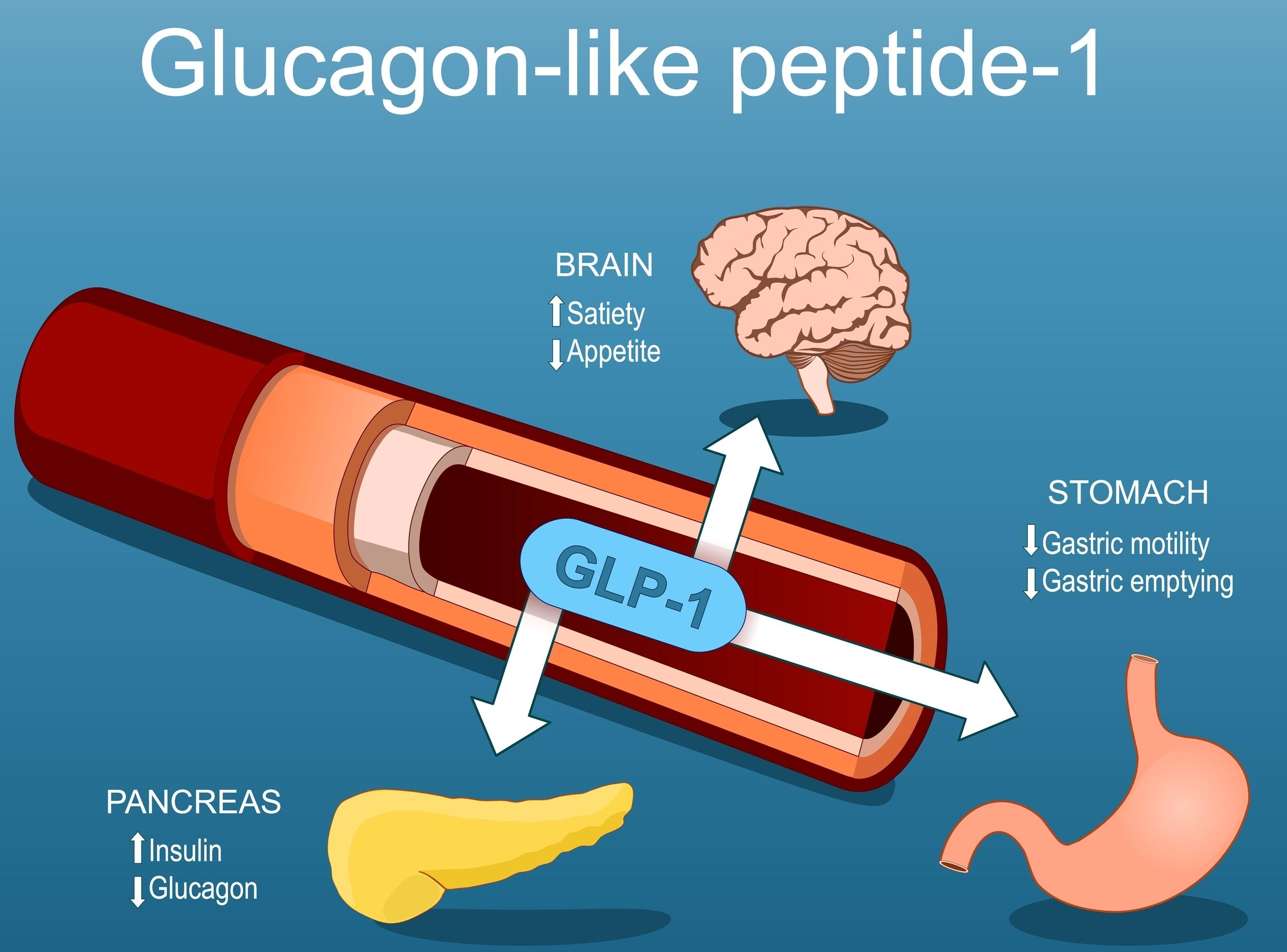
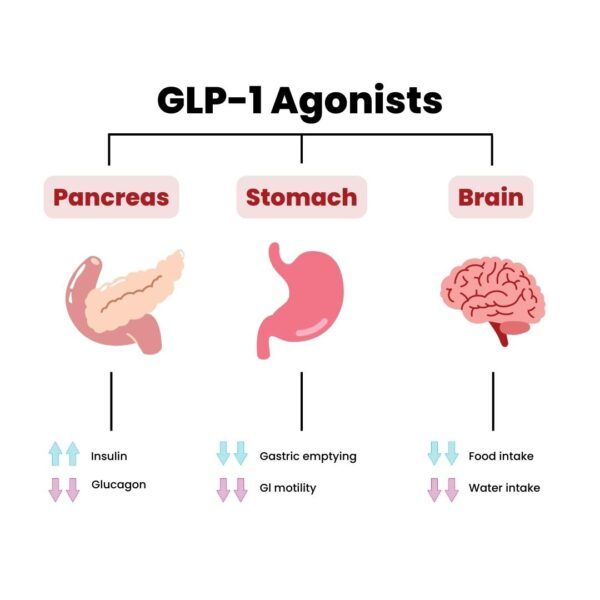
- Triggering insulin release from the pancreas
- Increasing feelings of fullness and reducing hunger
- Slowing the movement of food through the gut
How GLP-1 Agonists Work
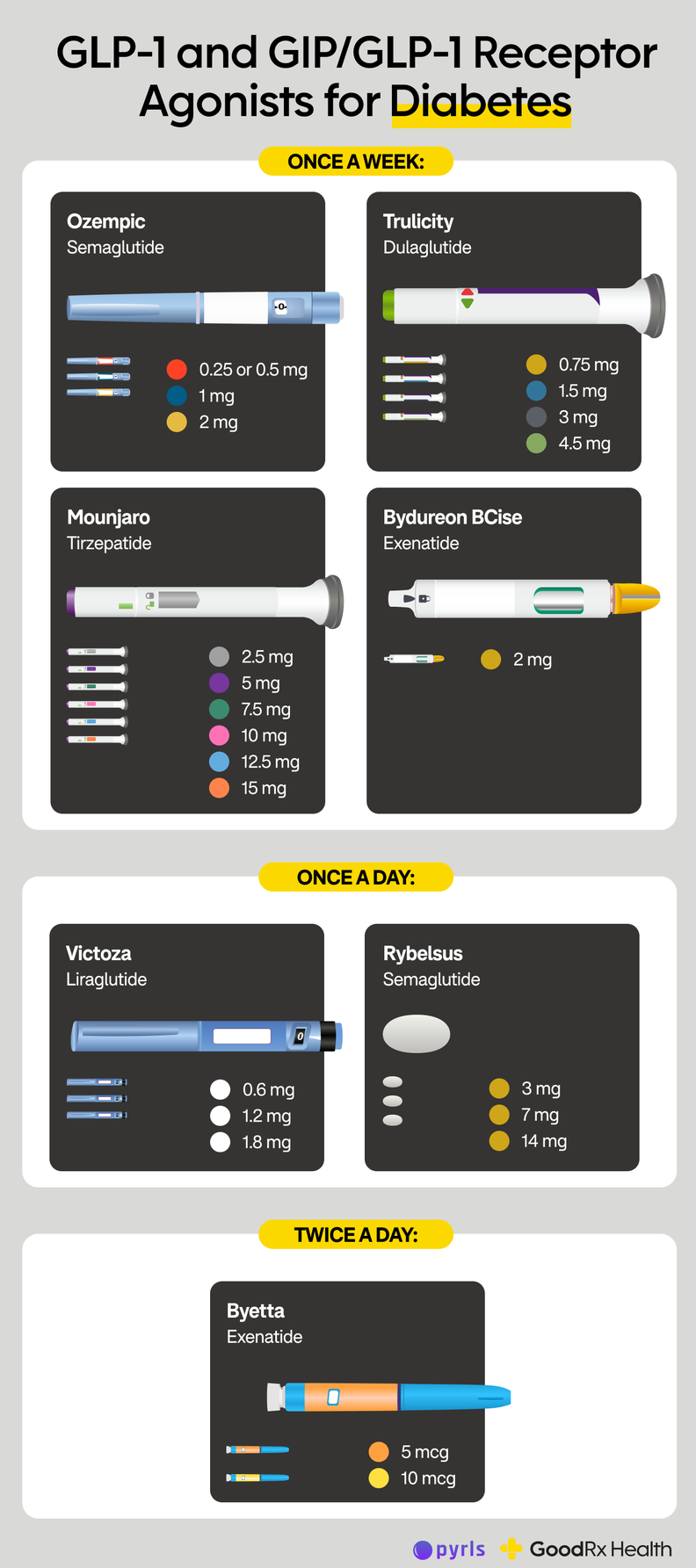
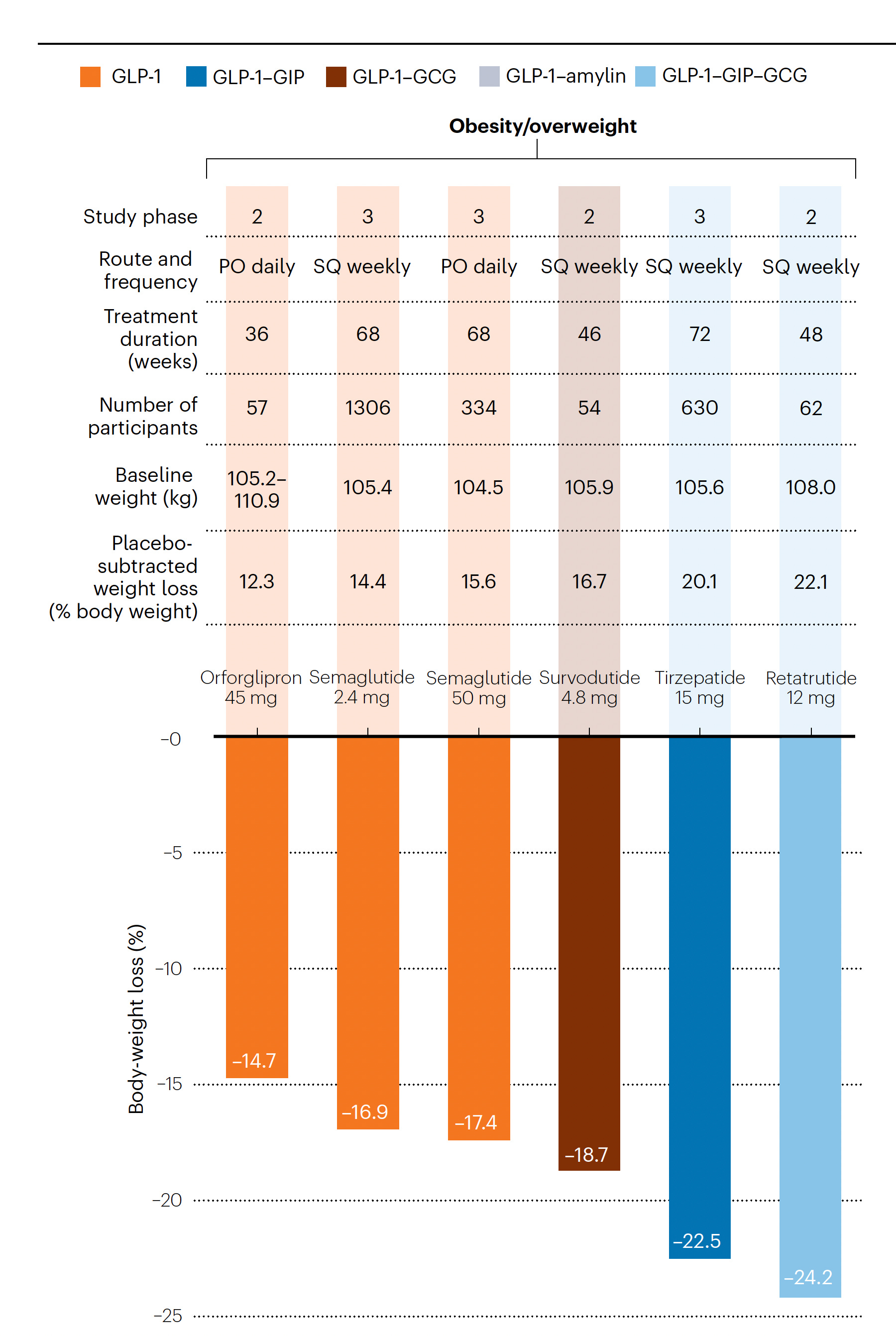
GLP-1 agonists are medications that mimic the effects of natural GLP-1. They slow down the movement of food through the gut, increase the feeling of fullness, and suppress appetite. This combined effect helps manage blood sugar levels and trigger weight loss.
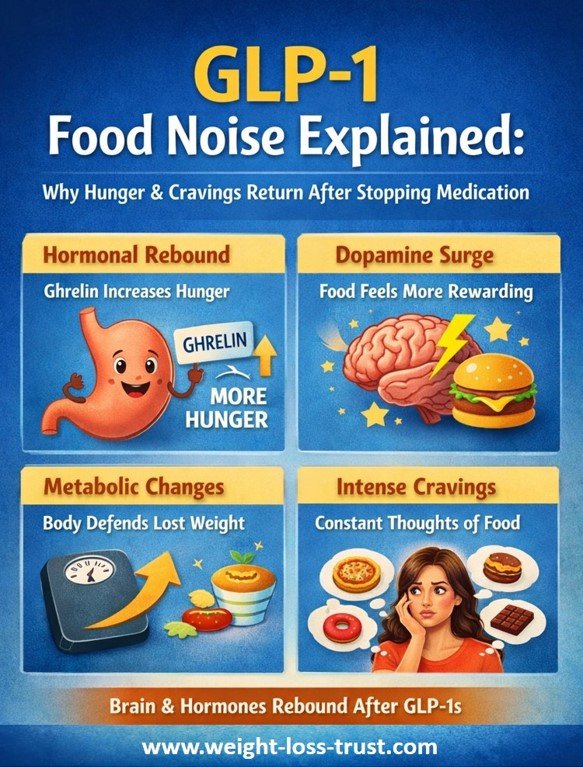
By activating GLP-1 receptors in the brain, these medications influence the way we perceive food and cravings. Emerging research suggests that GLP-1 agonists may also affect reward pathways, potentially influencing taste perception and reducing cravings for high-calorie foods.