GLP-1 Agonist for Hemoglobin A1c Reduction: A Game-Changer in Type 2 Diabetes Management
Glucagon-like peptide-1 receptor agonists (GLP-1RAs) have revolutionized the management of type 2 diabetes, offering a potent treatment option for reducing hemoglobin A1c (HbA1c) levels and improving overall glycemic control. In this article, we will delve into the world of GLP-1 agonists, exploring their mechanisms of action, efficacy, and potential benefits for patients with type 2 diabetes.
What are GLP-1 Receptor Agonists?
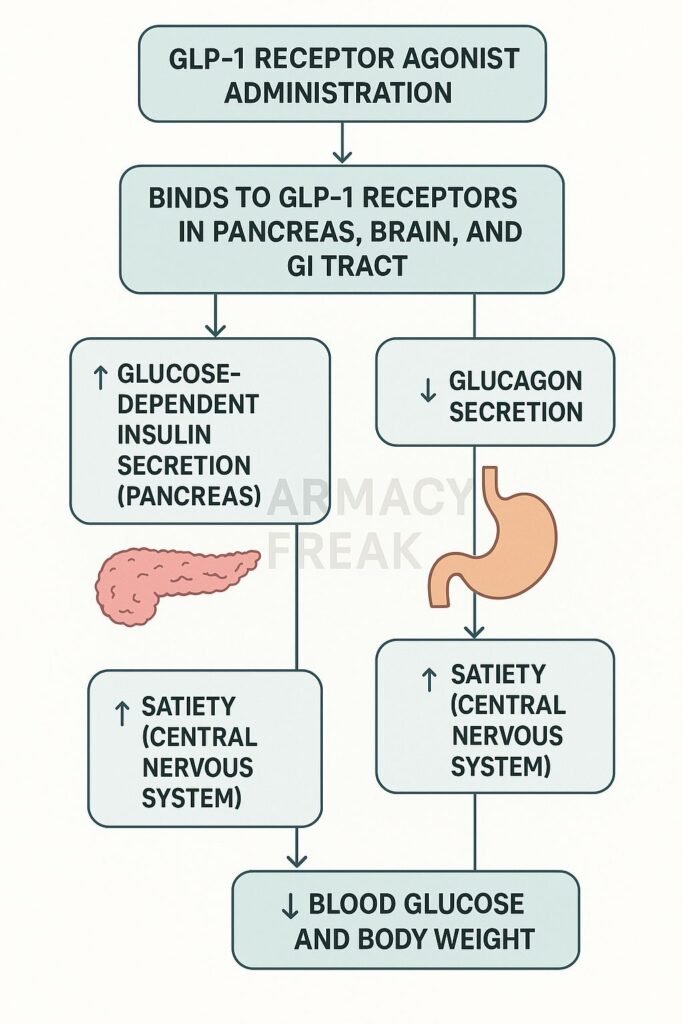
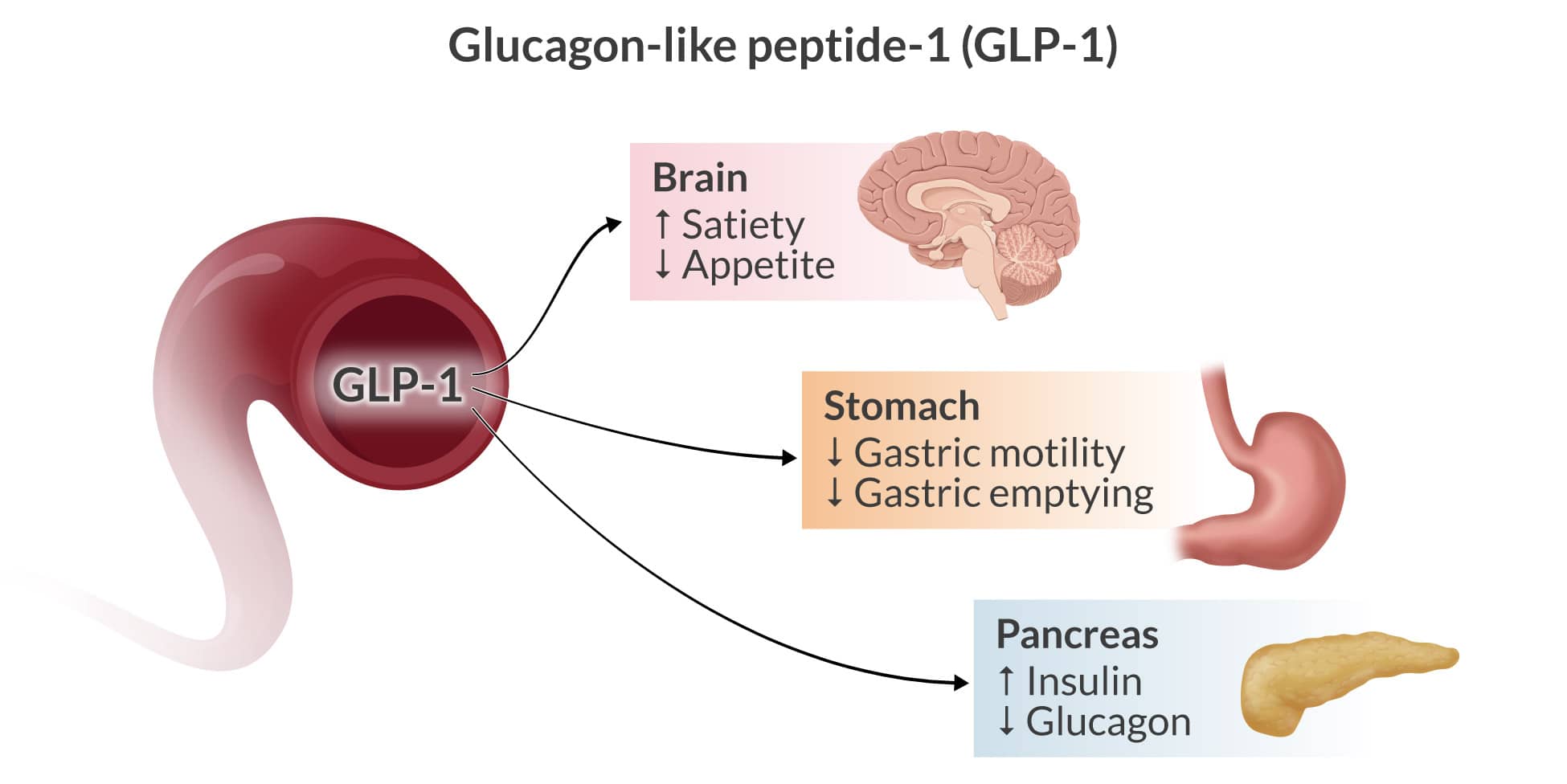
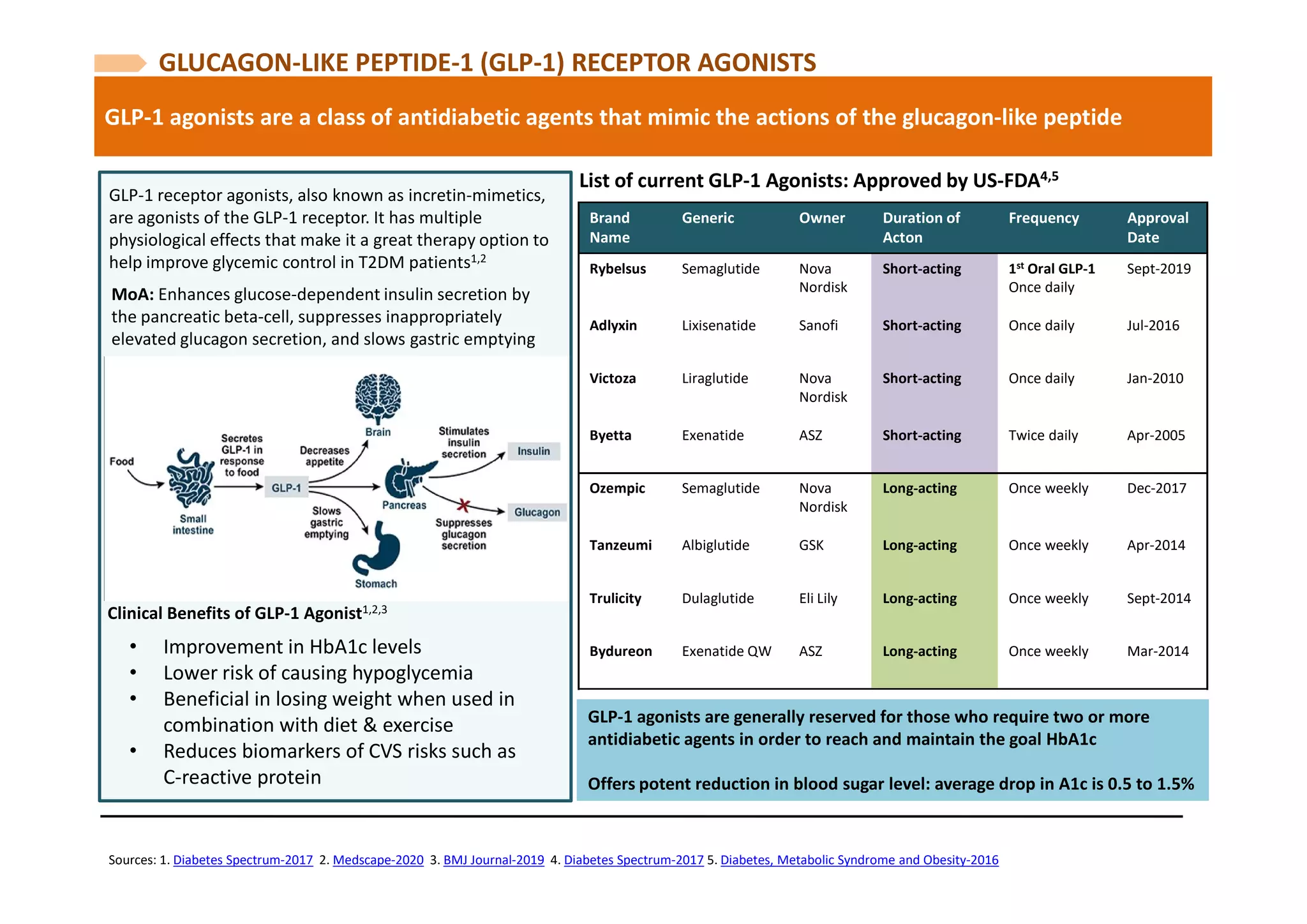
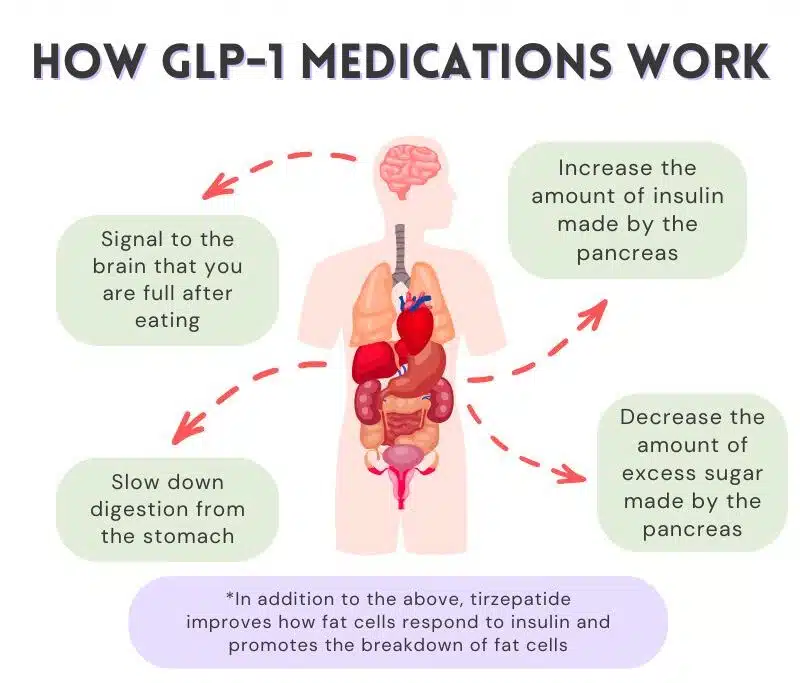
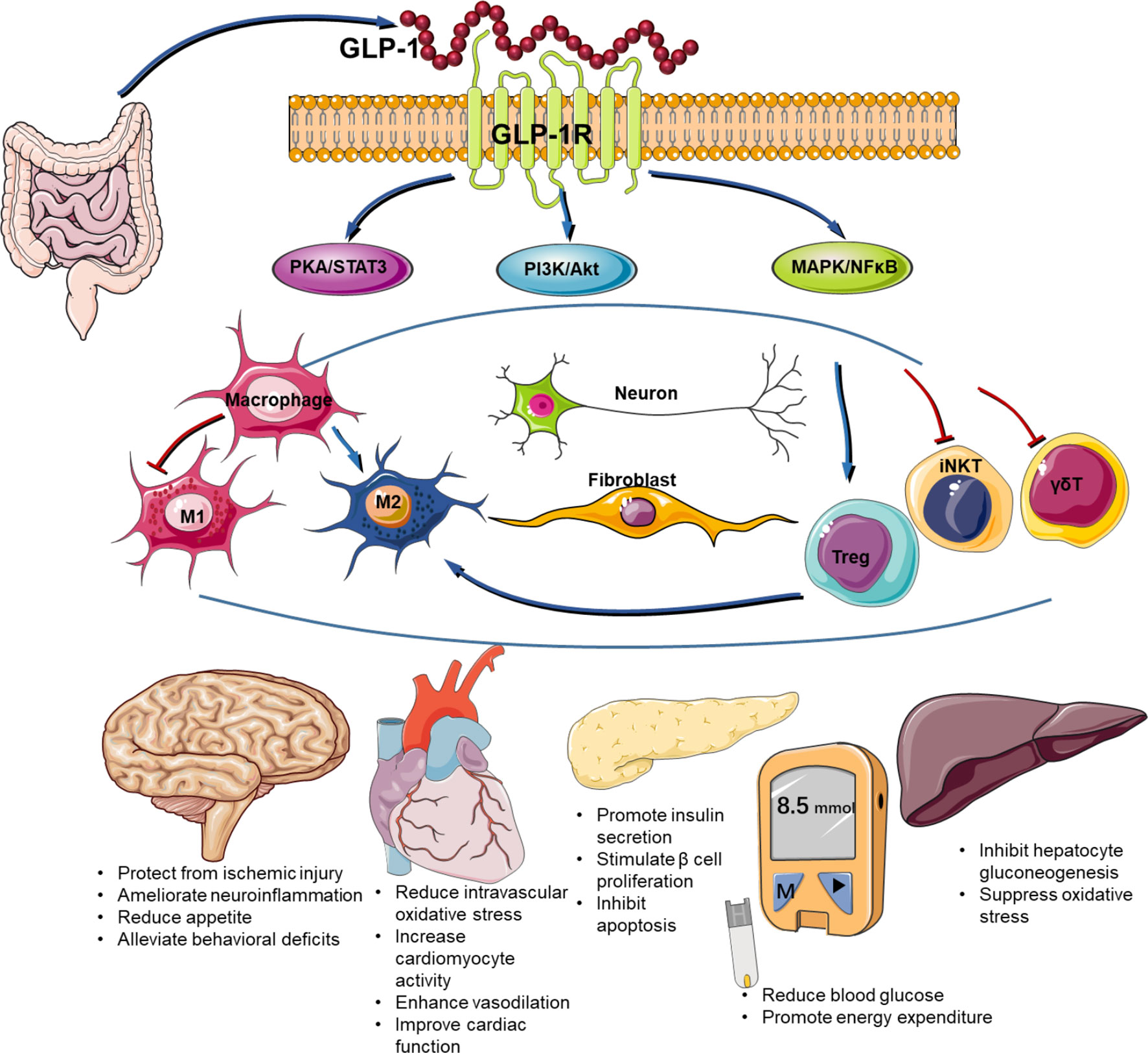
GLP-1RAs are a class of medications that mimic the action of the natural hormone glucagon-like peptide-1 (GLP-1). GLP-1 is released by the intestines in response to food intake and plays a crucial role in regulating blood glucose levels, promoting insulin secretion, and suppressing glucagon release. GLP-1RAs work by binding to GLP-1 receptors in the pancreas, liver, and other tissues, stimulating insulin release and suppressing glucagon release.
Efficacy of GLP-1 Agonists in Reducing HbA1c
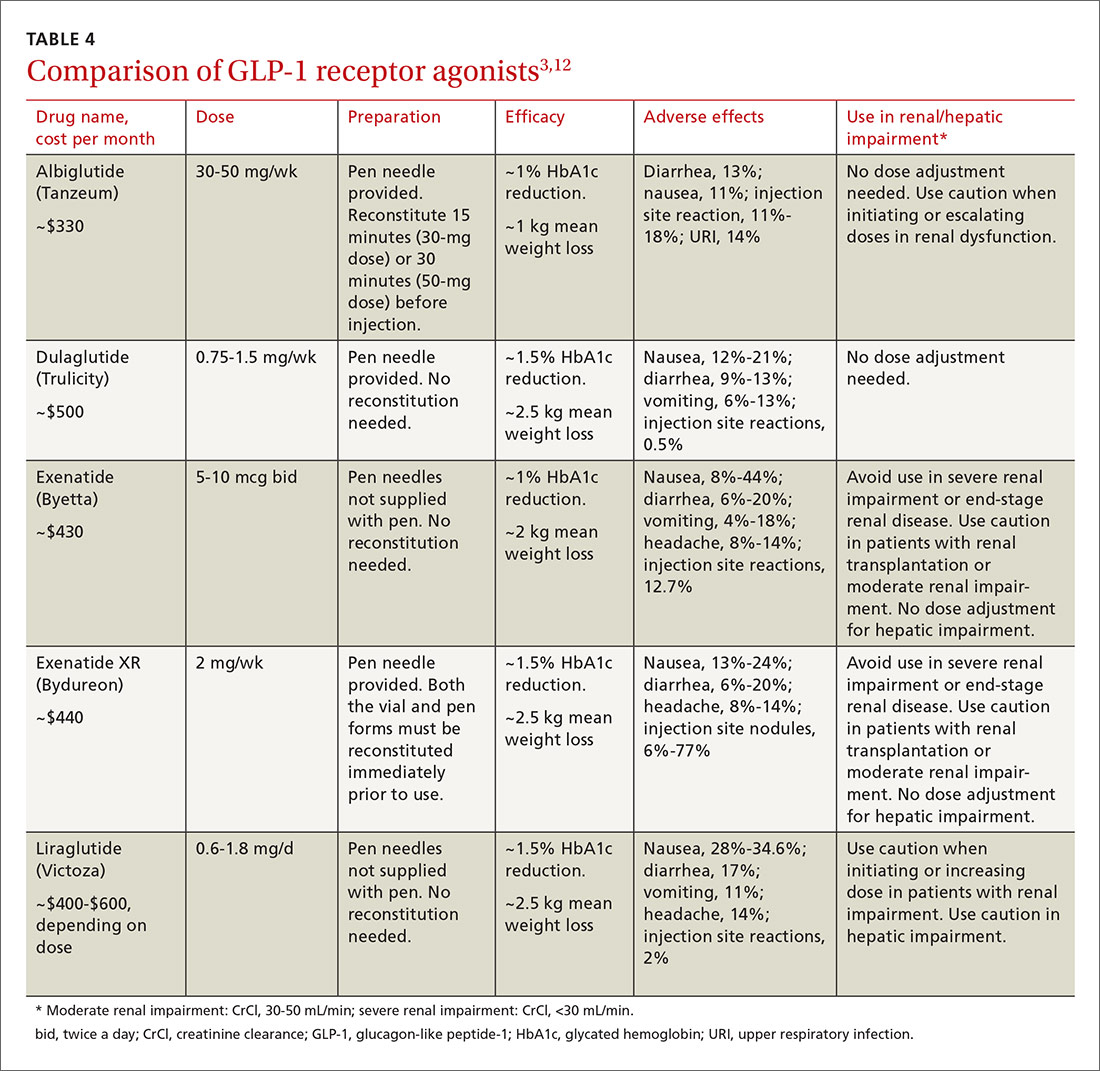
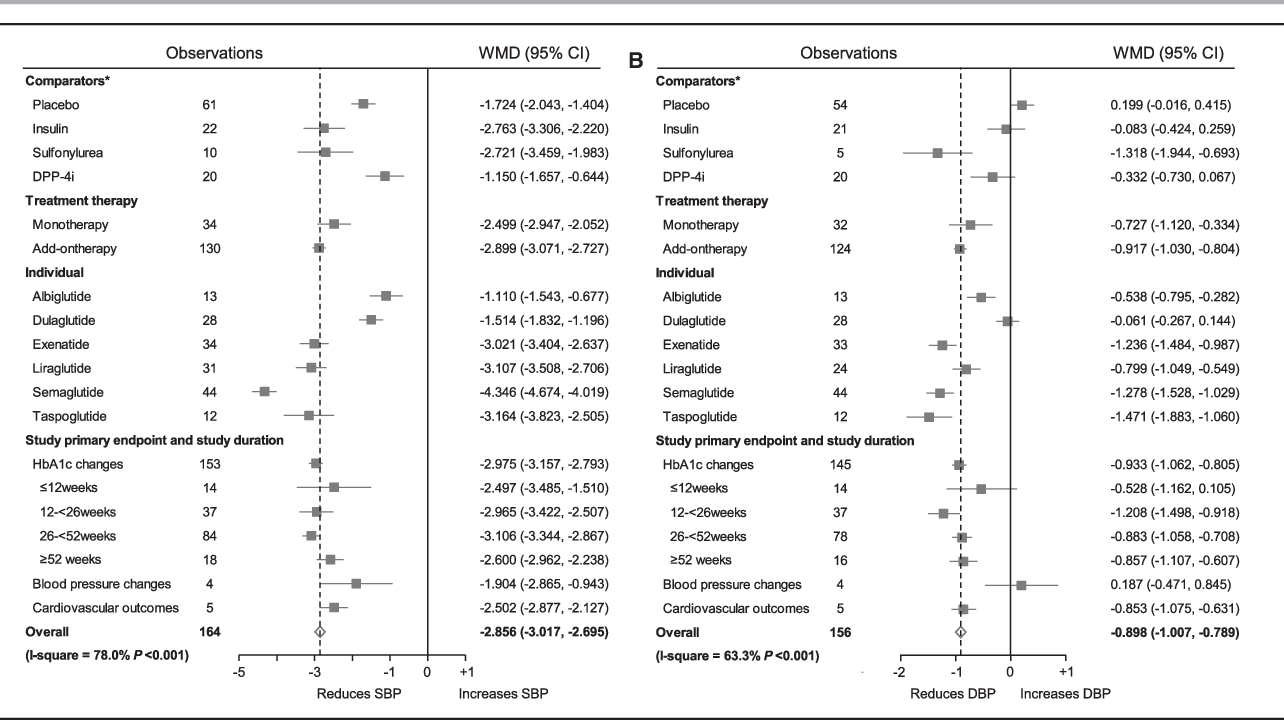
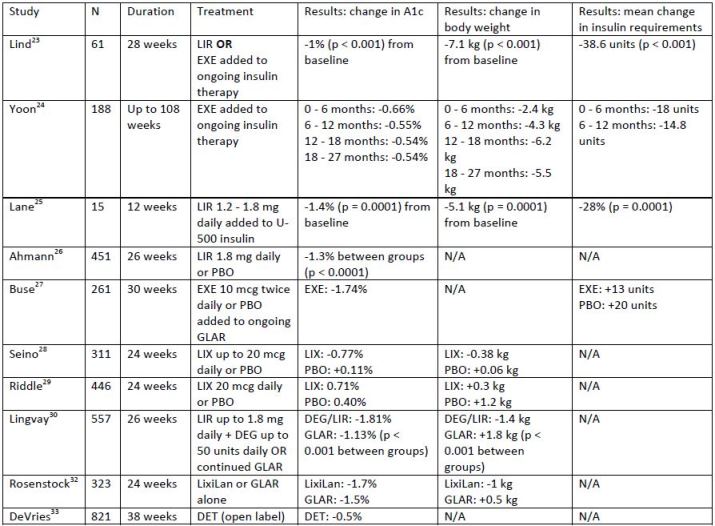
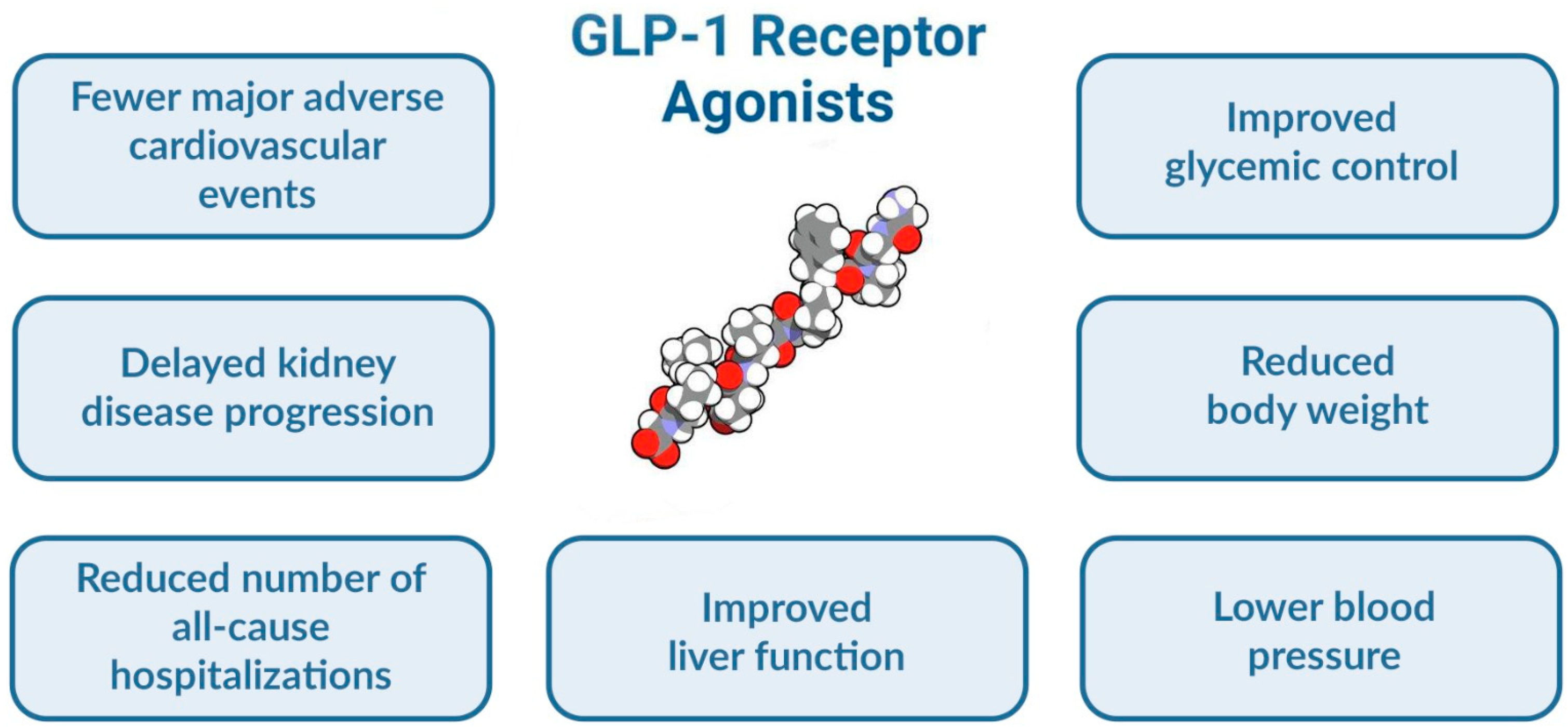
Clinical trials have consistently shown that GLP-1 agonists are highly effective in reducing HbA1c levels in patients with type 2 diabetes. Studies have demonstrated that GLP-1 agonists can lower HbA1c levels by 1-2 percentage points, compared to placebo. Additionally, GLP-1 agonists have been shown to improve insulin sensitivity, reduce fasting glucose levels, and decrease the risk of cardiovascular events.