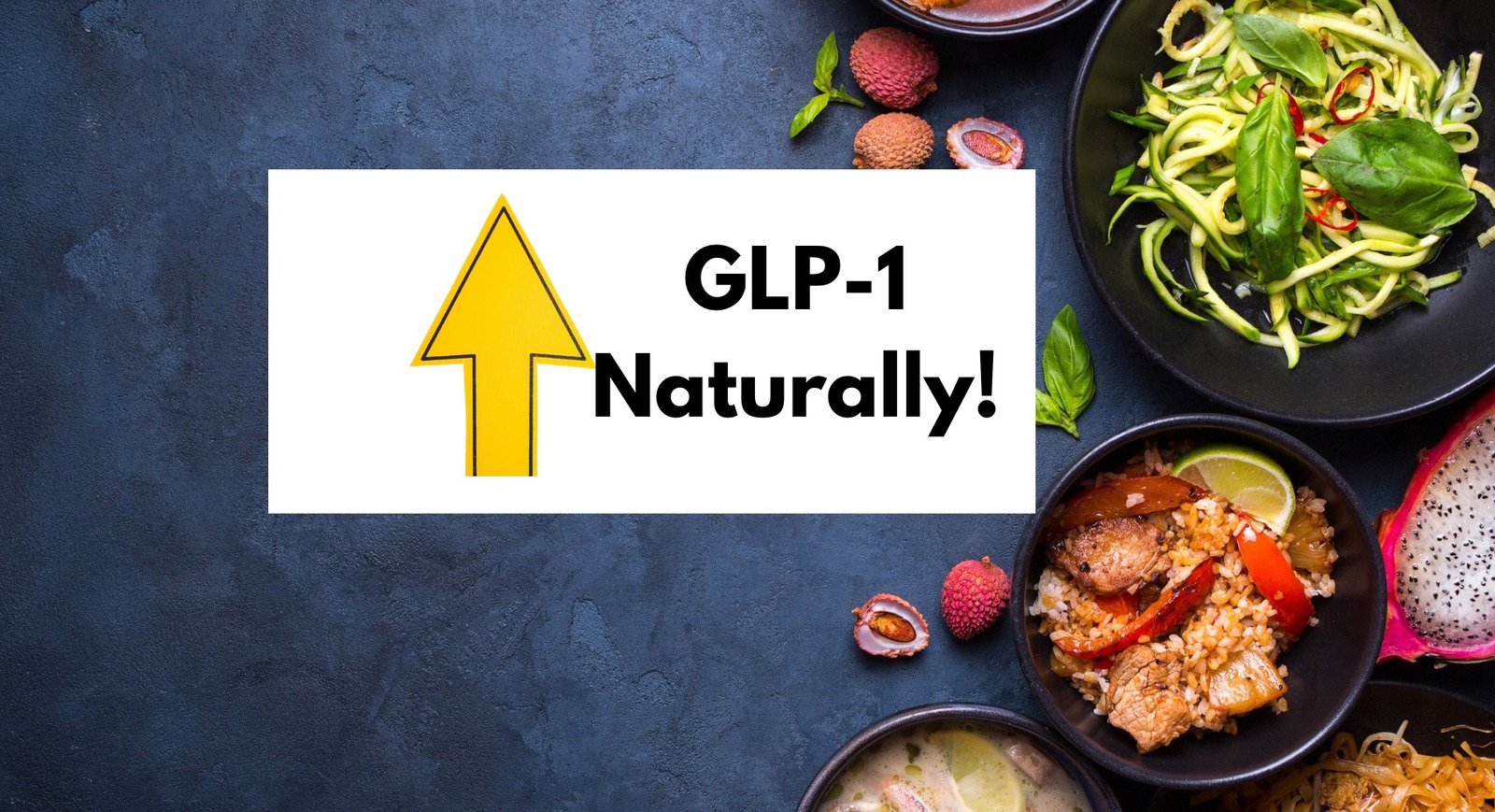
Unlocking the Potential of GLP-1 Analogues and Dietary Interventions for Weight Loss
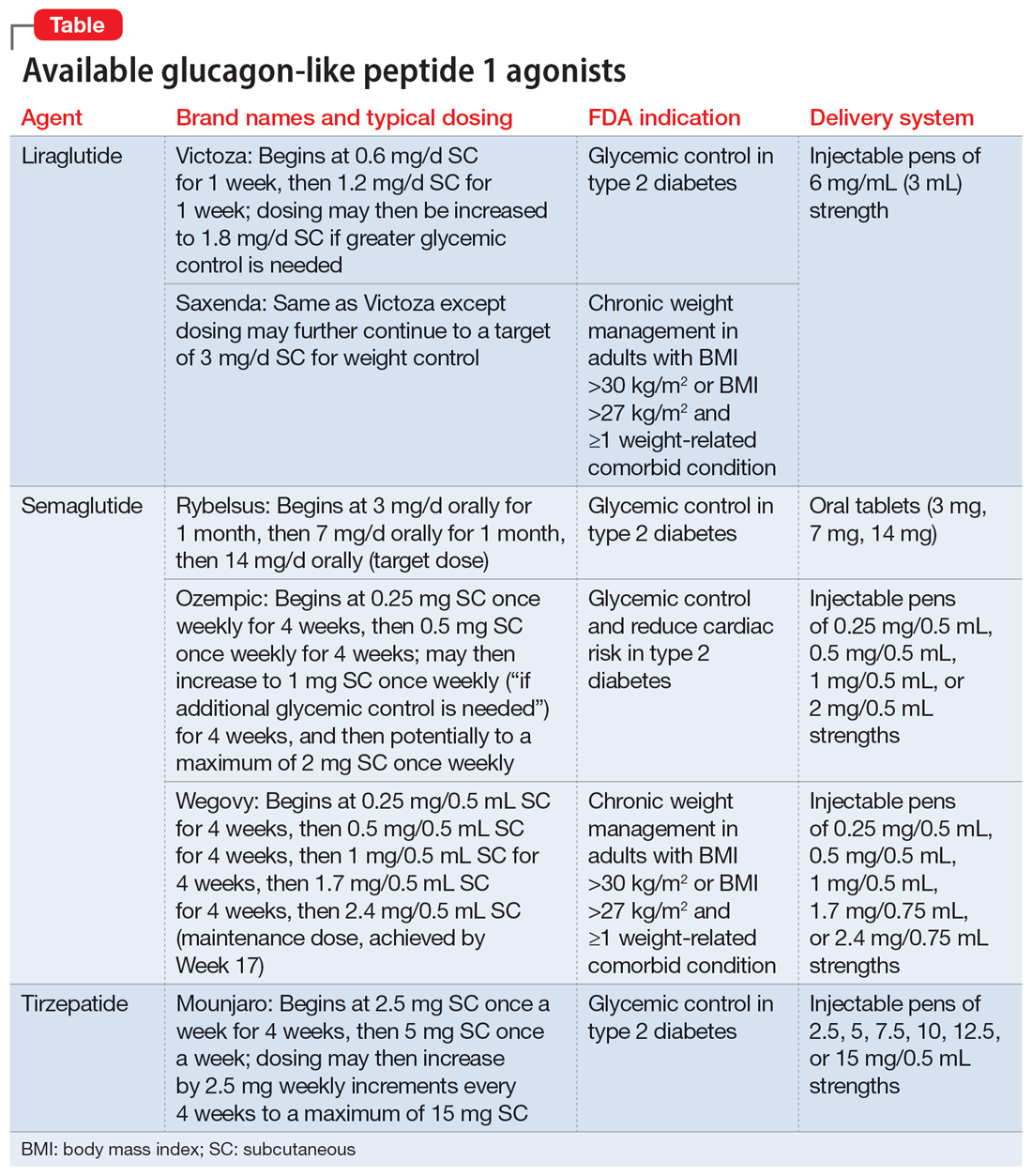
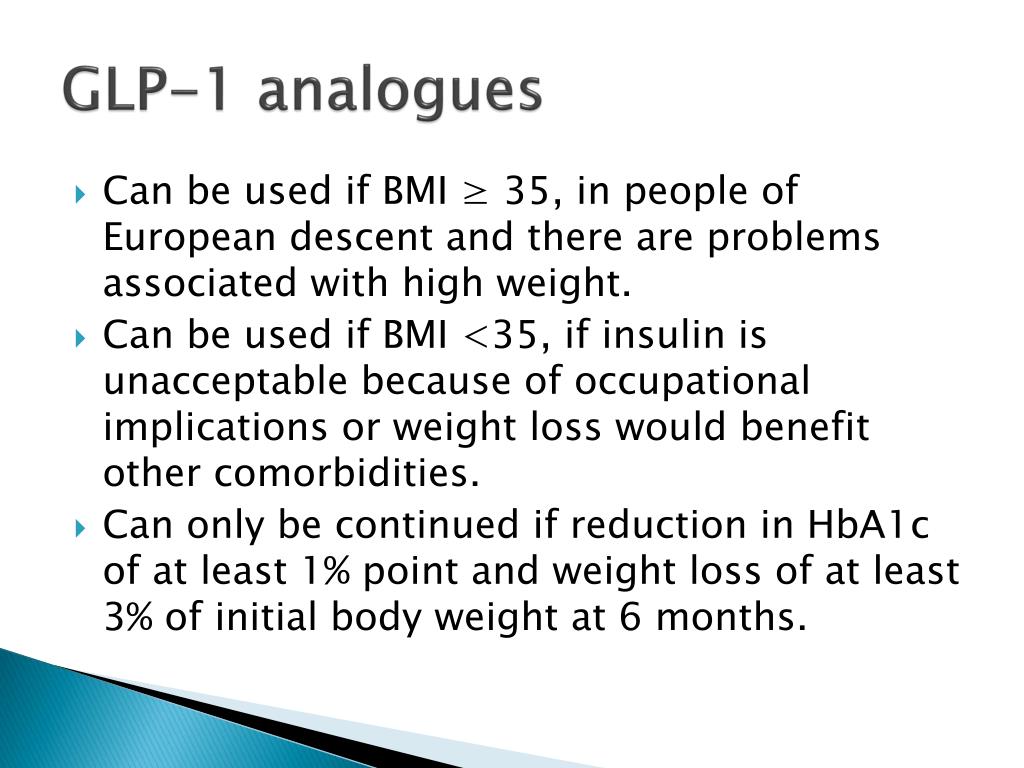
The management of obesity has become a pressing concern in recent years, with an increasing number of individuals seeking effective weight loss solutions. Among the various treatment options available, glucagon-like peptide-1 (GLP-1) analogues have emerged as a promising choice. These medications have been shown to promote significant weight loss while also improving glycemic control. However, their efficacy can be further optimized through complementary dietary interventions.
The Science Behind GLP-1 Analogues
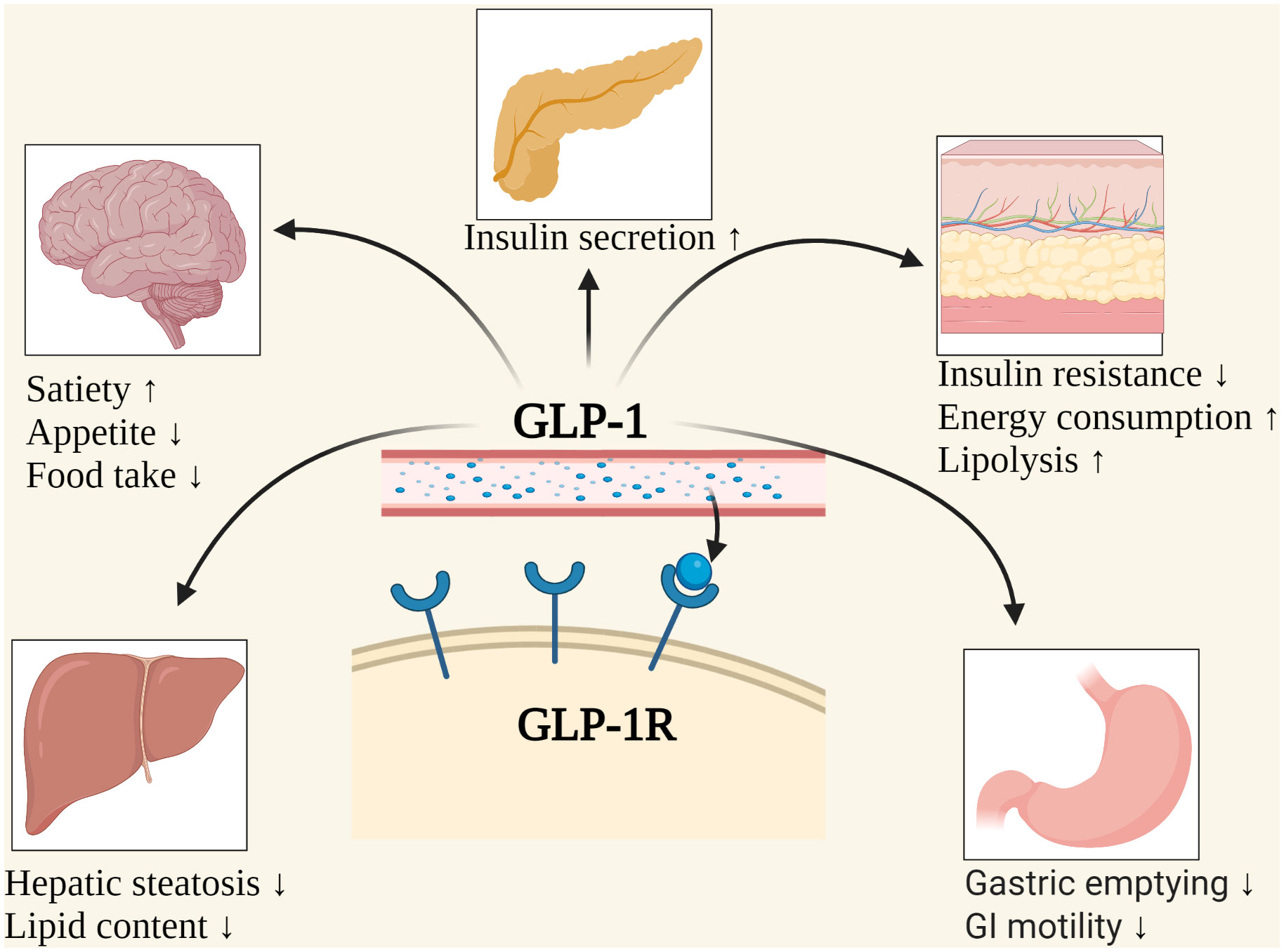
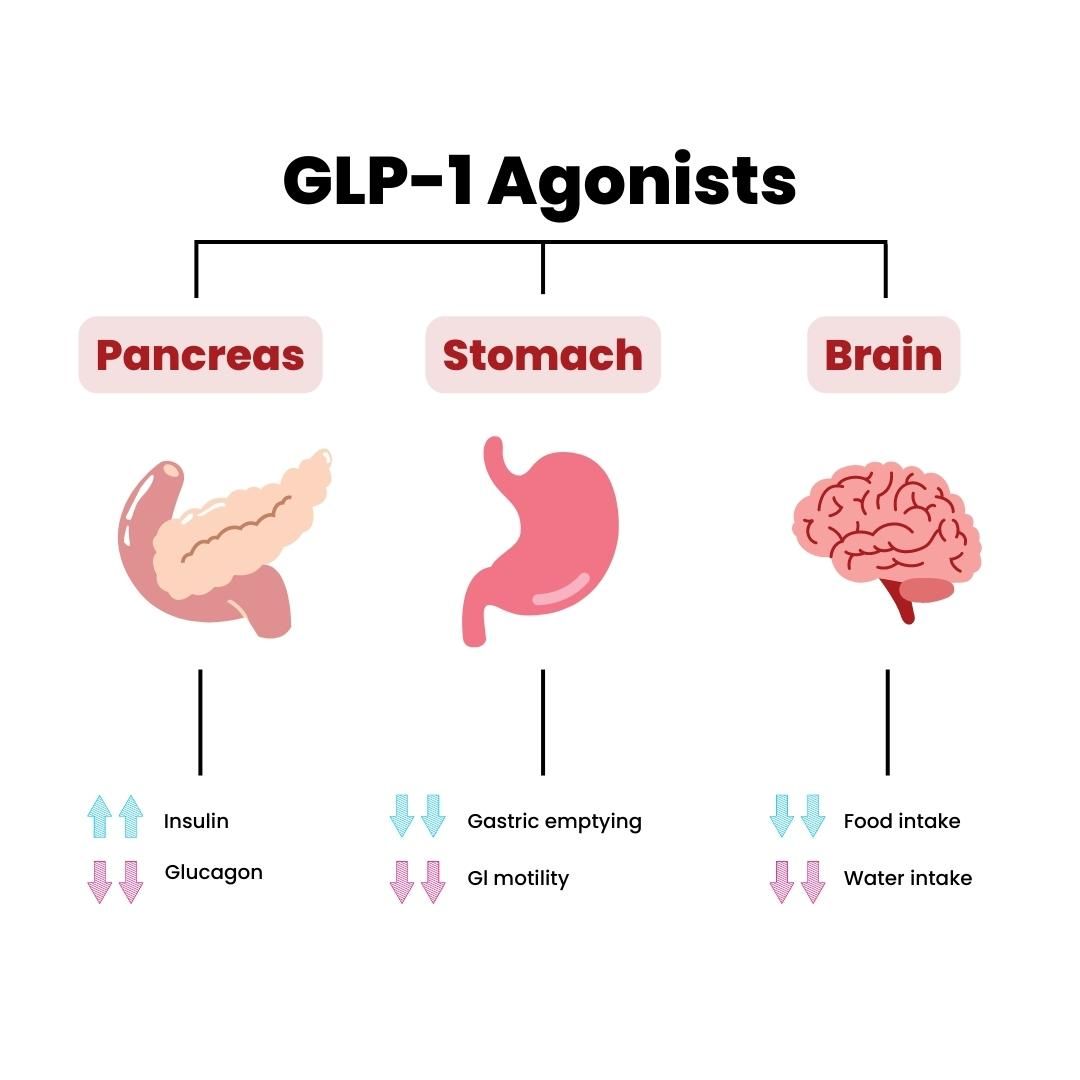
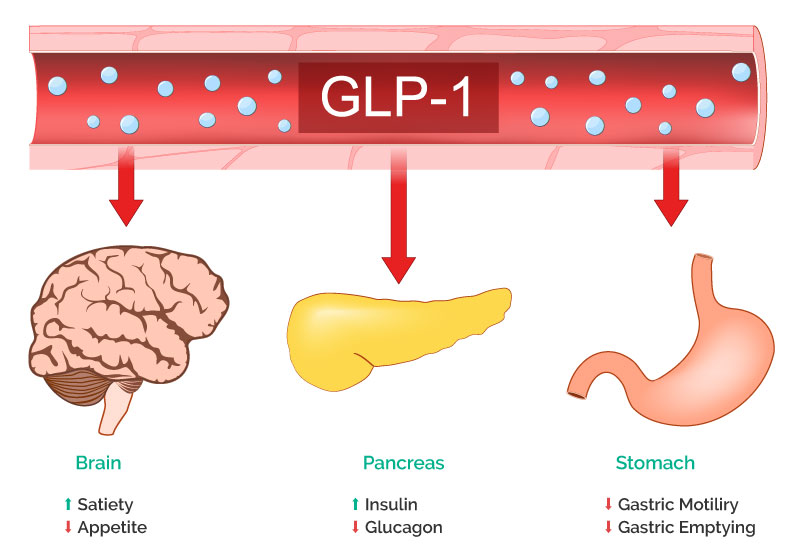
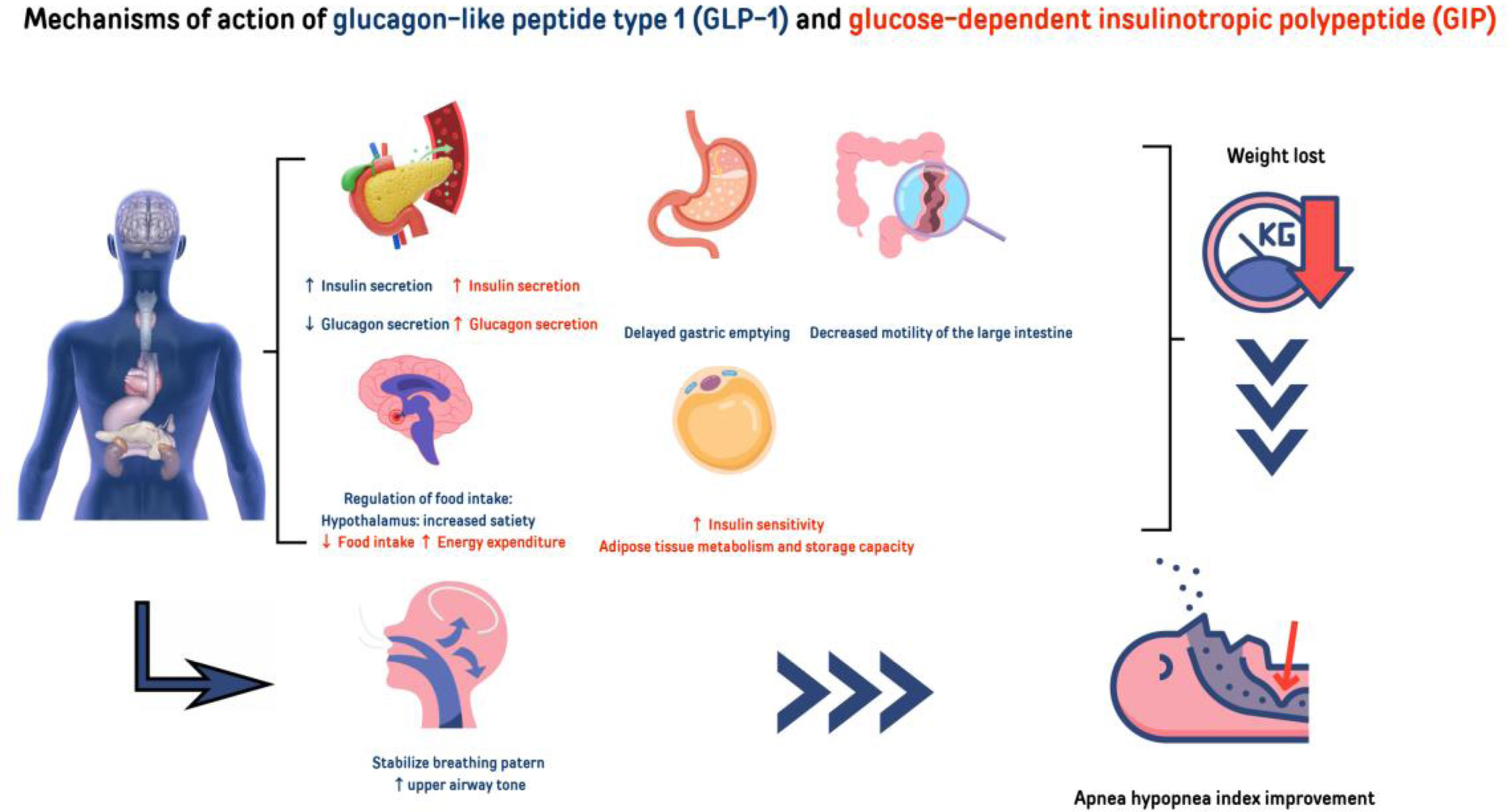
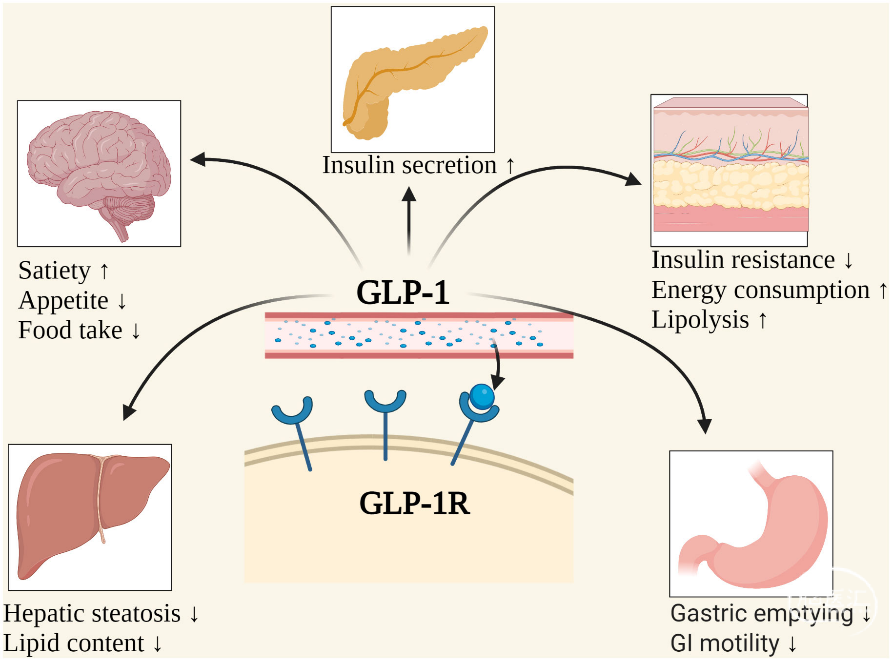
GLP-1 analogues work by mimicking the action of the naturally occurring hormone GLP-1, which plays a crucial role in regulating appetite and glucose metabolism. By binding to GLP-1 receptors, these analogues stimulate the release of insulin, suppress appetite, and slow gastric emptying. This results in a decrease in caloric intake and an increase in fat oxidation, ultimately leading to weight loss.

The Role of Dietary Interventions
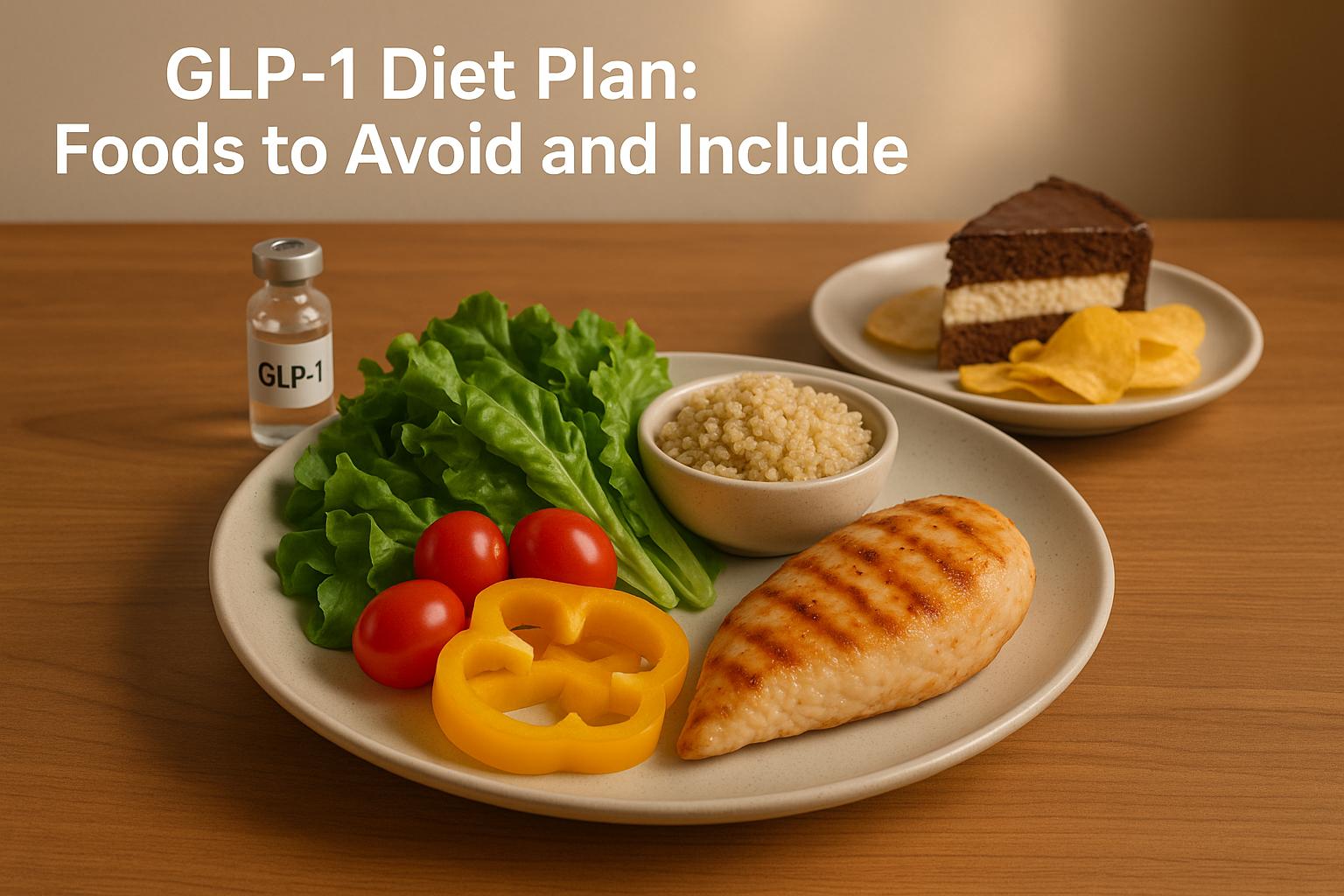
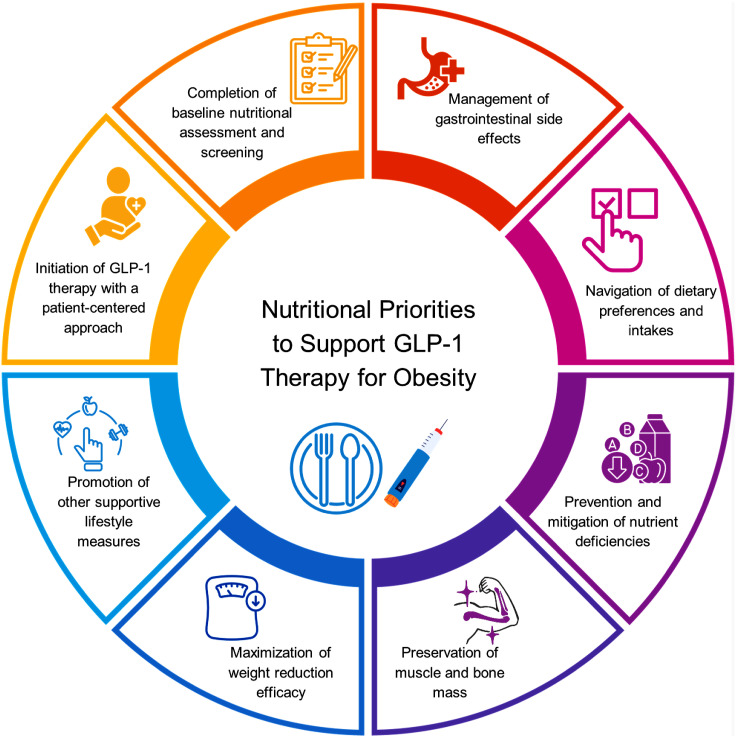
Dietary interventions play a critical role in maximizing the effectiveness of GLP-1 analogues. By making strategic choices about protein, fiber, hydration, and meal timing, individuals can enhance the production of endogenous GLP-1, a hormone that helps regulate appetite and metabolism. Fiber fermentation, gut microbiome activity, protein digestion, and circadian rhythm alignment all contribute to the production of GLP-1, and therefore, should be prioritized in a weight loss diet.